
Reality immersive onboarding systems in business
Deploying immersive onboarding systems inside modern enterprise architectures fundamentally redefines how human resources departments accelerate employee time-to-productivity while lowering traditional physical operational costs.
The business landscape of 2026 demands agile, scalable training methodologies capable of engaging hybrid workforces across distinct geographic boundaries without sacrificing corporate cultural cohesion.
Passive video lectures, dense operational handbooks, and generic slideshow presentations fail to spark genuine cognitive retention or cultural alignment among new hires.
This comprehensive technical analysis explores the hardware frameworks, spatial computing software paradigms, measurable corporate return on investment, and architectural implementation strategies of extended reality training.
What are the core technological components driving modern extended reality training?
The infrastructural backbone of these platforms relies on a combination of enterprise-grade spatial computing headsets, cloud-rendered graphic pipelines, and integrated learning management systems.
Companies install dedicated spatial applications that stream high-fidelity, three-dimensional interactive environments directly to employee devices, ensuring realistic simulation fidelity without localized hardware limitations.
Advanced spatial positioning algorithms track head, eye, and hand movements simultaneously, translating physical human gestures into precise virtual manipulations within the corporate training module.
This hyper-responsive feedback loop creates a psychological state of presence, forcing the brain to process digital interactions as genuine physical experiences.
Integrating these systems with existing corporate data lakes allows managers to track user progression, monitor error frequencies, and identify structural operational bottlenecks automatically.
This objective, data-driven visibility replaces subjective post-training evaluations, giving human resources professionals clear indications of an employee’s true job readiness.
How does spatial simulation optimize cognitive retention and manual skill acquisition?
Traditional educational methodologies rely heavily on symbolic semantic memory, requiring individuals to read text or watch flat screens to internalize physical real-world tasks.
Spatial interfaces activate episodic and procedural memory pathways instead, mimicking the exact neural conditions found during actual on-the-job execution.
By physically practicing complex mechanical operations, emergency safety protocols, or high-stakes client interactions inside an interactive simulator, workers build permanent muscle memory safely.
This risk-free environment allows users to make catastrophic operational mistakes without destroying expensive corporate equipment, causing personal injury, or interrupting vital production lines.
To understand the concrete operational advantages of adopting immersive onboarding systems over legacy training methodologies, look at the verified enterprise performance data summarized below:
| Enterprise Performance Metric | Spatial Computing Architecture | Legacy Training Methods | Real-World Business Impact |
| Average Time-to-Productivity | 4 to 6 business days | 14 to 21 business days | Rapid deployment of revenue-generating personnel |
| Cognitive Retention Rate (90 Days) | Up to 75% to 80% | 10% to 20% (passive reading) | Significant reduction in post-training operational errors |
| Training Travel Expenditures | Zero (decentralized remote kits) | High (flights, lodging, venues) | Drastic reduction in human resource operational budgets |
| Safety Incident Frequency | Near zero during simulation | Variable (on-site machinery risks) | Lower worker compensation liabilities and claims |
The data demonstrates that transforming passive listeners into active digital participants yields significant efficiency gains, stabilizing performance baselines across distributed global teams.
Investing in software-driven education shields companies from operational fluctuations caused by sudden talent turnover or rapid market scaling challenges.
To explore technical research regarding extended reality standards, device connectivity benchmarks, and spatial software enterprise engineering, visit the Institute of Electrical and Electronics Engineers (IEEE).
Why do corporate financial officers justify the initial capital allocation for spatial hardware?
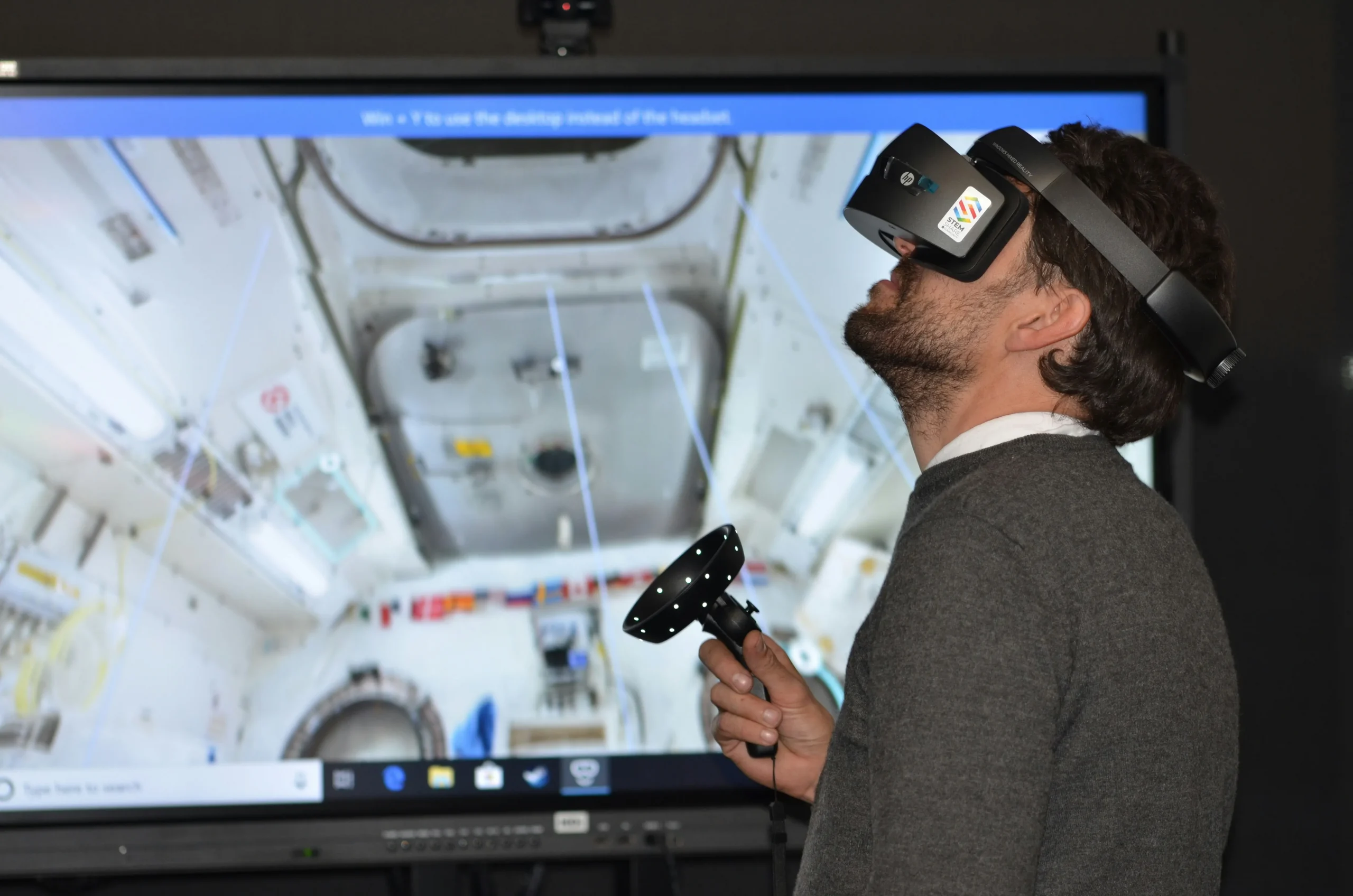
The initial expenditure required to procure enterprise virtual headsets and commission custom software assets frequently deters conservative corporate accounting departments from approving deployment.
However, a granular cost-benefit analysis reveals that spatial applications eliminate the recurring expenses of flying remote team members to centralized corporate training hubs.
Furthermore, training technicians or manufacturing line workers inside a virtual environment prevents companies from taking profitable industrial machinery offline for instructional purposes.
Learn more: Virtual reality industrial training systems for safety
Production schedules remain completely uninterrupted, allowing the enterprise to maintain optimal output capacities while simultaneously preparing the next wave of factory operators.
By standardizing instructional delivery through unalterable software code, organizations eliminate human variance, ensuring every new hire receives identical, compliant information.
This consistent educational baseline minimizes regulatory non-compliance risks, protects corporate brand reputation, and lowers long-term legal liabilities across industrial operations.
When should organizations implement hybrid desktop-to-headset training architectures?
Transitioning entirely to spatial hardware overnight can stress corporate IT infrastructure, making a phased, hybrid deployment model highly practical for large-scale enterprises.
Employees complete foundational, theoretical compliance courses through specialized desktop spatial portals before transitioning to advanced headset simulations for manual dexterity testing.
This tiered approach allows IT professionals to configure robust data protection protocols, secure wireless networks, and establish device management systems systematically.
Read more: Virtual reality virtual prototyping tools for engineering teams
Protecting proprietary corporate training data, blueprinted machinery designs, and employee biometrics requires strict adherence to modern cloud security architecture standards.
Selecting scalable software platforms that support cross-device compatibility ensures that your immersive onboarding systems remain functional even as hardware models evolve over time.
This forward-looking approach safeguards your initial software development investments, allowing the enterprise to swap outdated headsets for next-generation optics seamlessly.
Harmonizing Human Talent with Spatial Enterprise Environments
Embracing spatial computing inside corporate training departments marks a permanent departure from outdated industrial-era learning models, aligning business infrastructure with digital-native workforce expectations.
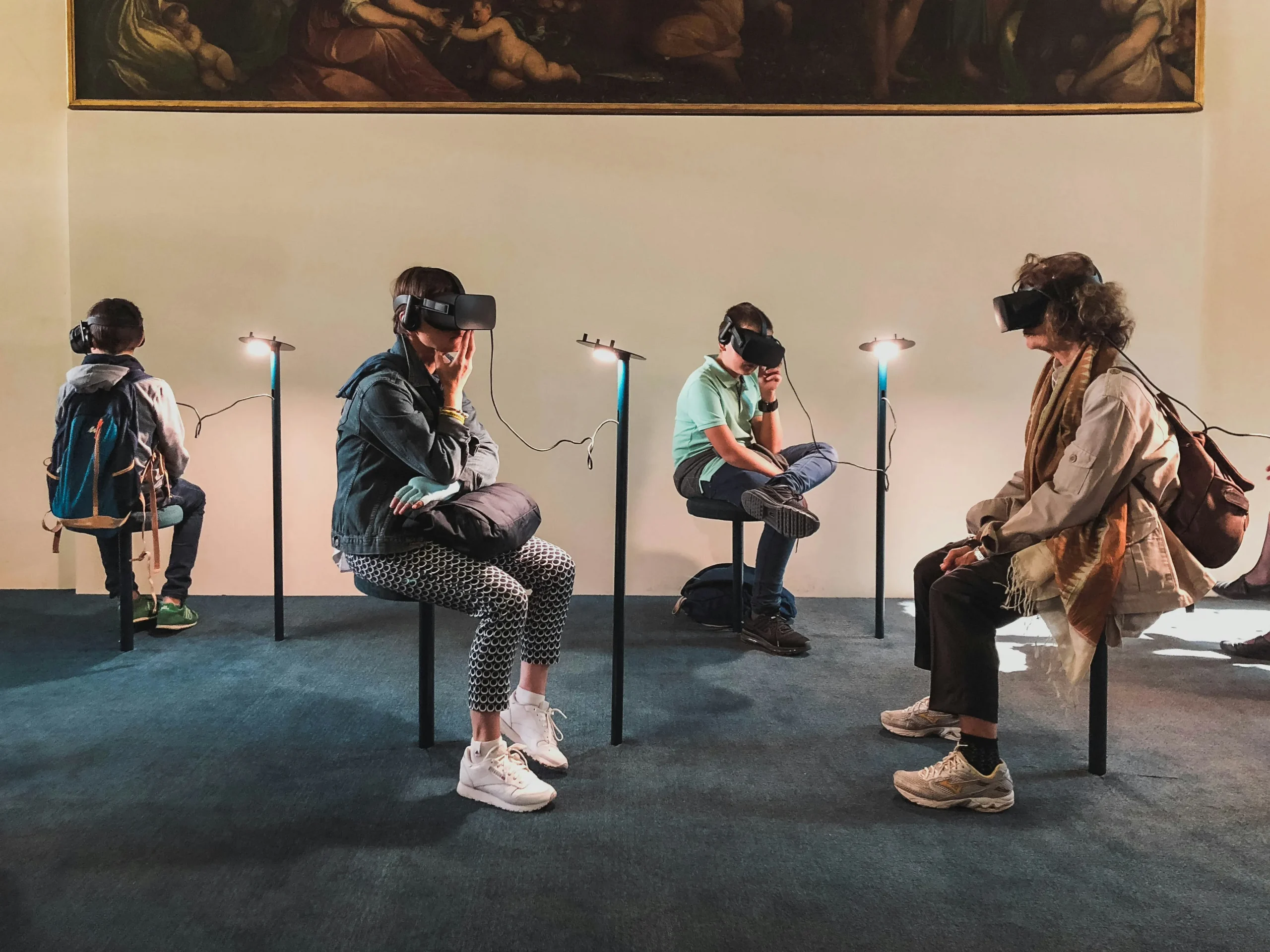
Replacing unengaging text media with interactive, data-rich simulations ensures that organizational knowledge passes efficiently from seasoned engineers to incoming cohorts.
As hardware costs continue to decrease and spatial operating systems achieve widespread corporate integration, immersive learning will transition into a standard utility function.
Learn more: Virtual reality behavioral training systems for soft skills
Organizations that master this spatial shift early secure a permanent competitive advantage, fostering highly skilled, resilient teams prepared for future economic challenges.
To review global workplace development trends, international labor productivity indices, and corporate digital transformation studies, check the extensive research archives of the World Economic Forum (WEF).
Frequently Asked Questions (FAQ)
How long does it typically take to develop a custom corporate virtual training module?
Developing a comprehensive, enterprise-grade spatial simulation generally requires between eight to sixteen weeks of collaborative design, engineering, and asset creation.
The timeline varies based on the architectural complexity of the environment, the number of interactive assets required, and the depth of integrated backend data tracking systems.
Can spatial onboarding platforms accommodate individuals who suffer from motion sickness?
Modern corporate headsets operate with high screen refresh rates and ultra-low tracking latency, features that drastically minimize the sensory disconnect causing motion sickness.
Additionally, developers incorporate teleportation locomotion options and specialized visual anchors within the software, allowing sensitive users to navigate virtual spaces comfortably.
What data security measures protect sensitive corporate blueprints inside these systems?
Enterprise systems enforce strict data protection by utilizing end-to-end encrypted cloud environments, single sign-on authentication models, and localized mobile device management security policies.
These protocols prevent unauthorized duplication of proprietary digital assets, ensuring training materials remain fully secured within the perimeter of corporate networks.
Are immersive platforms effective for non-technical onboarding, such as corporate leadership training?
Yes, spatial applications excel at soft-skills development by placing new managers inside realistic, interactive human resources simulations with advanced conversational artificial intelligence characters.
Leaders practice difficult termination discussions, complex client negotiations, and public speaking exercises, receiving real-time biometric feedback regarding their speech pacing and eye contact.
