
Virtual reality industrial training systems for safety
Implementing modern industrial training systems through immersive spatial computing has revolutionized how high-risk sectors prepare their workforce for complex battlefield conditions on the factory floor.
This technological paradigm shift mitigates workplace injuries, lowers operational downtime, and ensures strict compliance with changing global safety regulations.
What are immersive simulators and how do they function?
Modern spatial simulation setups blend advanced physics engines with standalone enterprise head-mounted displays to replicate heavy machinery operation environments with absolute precision.
Trainees navigate complex spatial layouts, interact with high-voltage control panels, and experience emergency scenarios without facing actual physical danger.
These interactive platforms utilize real-time haptic feedback controllers to simulate the weight, resistance, and vibrational frequency of actual industrial machinery tools.
Sensory immersion tricks the brain into treating simulated accidents as genuine learning events, cementing critical procedural knowledge far better than static paper manuals.
How do enterprise safety protocols integrate into spatial software?
Safety managers program specific regulatory frameworks, like OSHA standards or international hazardous material handling guidelines, directly into the virtual application behavioral logic tree.
The software tracks user body positioning, reaction time, and decision-making accuracy when a simulated hazard, like a gas leak, occurs unexpectedly.
Upgrading legacy facilities using industrial training systems allows companies to test employee compliance during catastrophic failures that are impossible to simulate safely in reality.
Supervisors review granular analytical dashboards detailing exactly where a technician hesitated, enabling highly targeted educational interventions before field deployment.
This rigorous validation process guarantees that only certified personnel who exhibit flawless muscle memory access volatile physical areas, drastically reducing corporate insurance liabilities.
Continuous firmware updates keep modules aligned with newly enacted environmental laws, ensuring training materials never become obsolete or non-compliant.
What metrics validate the transition to immersive technical education?
Empirical data collected across heavy manufacturing, aviation, and offshore energy infrastructure projects proves that spatial simulation yields superior operational efficiency metrics.
Reduced onboarding timelines combined with lower material scrap rates justify the upfront capital expenditure required for premium software development.
To analyze how immersive setups compare directly against traditional classroom instruction and supervised live field exercises, examine the verified metrics below:
| Training Method Employed | Average Knowledge Retention Rate | Onboarding Duration | Safety Incident Rate During Training |
| Classroom Lectures | Around 10% to 15% after one week. | Multiple weeks of theoretical study. | Zero (but limited field preparedness). |
| Live Field Exercises | Approaching 50% through observation. | Variable based on machine availability. | High risk of minor injuries or machine wear. |
| Immersive Spatial Labs | Exceeds 75% via experiential learning. | Reduced by up to 40% overall. | Absolute zero physical risk to personnel. |
According to technical research documentation published on the IEEE Xplore Digital Library, spatial interaction patterns significantly compress the cognitive load required to master dangerous heavy industrial operational procedures.
Why does experiential spatial software maximize muscle memory retention?
Traditional education models rely heavily on reading manuals or watching instructional videos, which rarely translates into immediate physical competence during emergency crises.
Immersive environments require active, physical participation, forcing technicians to walk through lockout-tagout sequences repeatedly until the movements become completely subconscious.
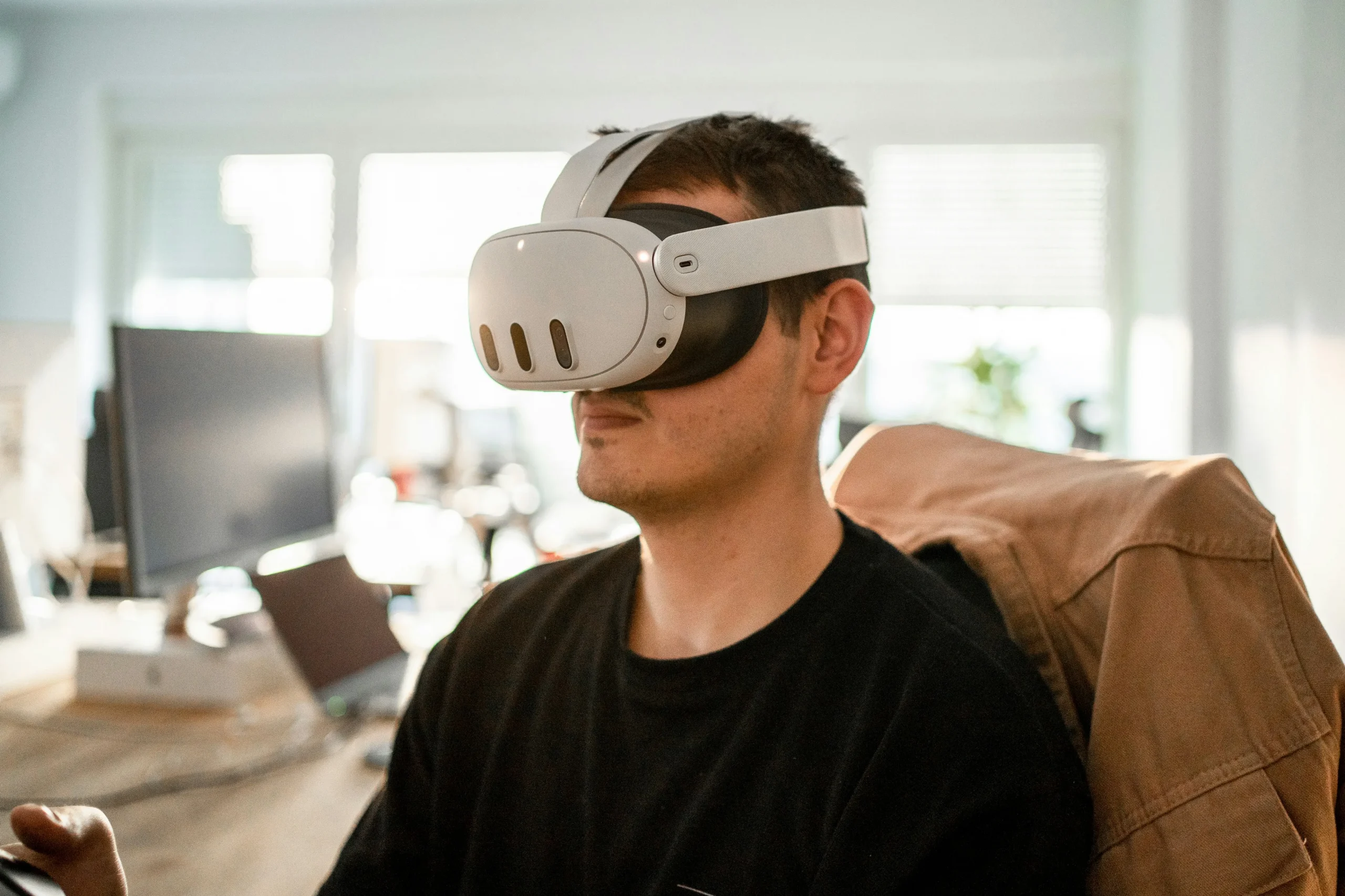
Deploying agile industrial training systems builds visceral neurological pathways because the human brain processes spatial three-dimensional simulations similarly to physical reality experiences.
Learn more: Virtual reality behavioral training systems for soft skills
When a trainee physically pulls a virtual isolation valve during an intense pressure build-up scenario, that mechanical motion becomes deeply ingrained.
This rapid skill acquisition proves vital for remote utility stations, mining operations, and chemical processing plants where a single incorrect valve rotation causes severe environmental destruction.
Workers arrive on-site displaying the confidence and technical precision of seasoned veterans, minimizing costly human errors during routine maintenance cycles.
When should corporations transition away from traditional onboarding methods?
Organizations facing high employee turnover, rising machinery maintenance costs, or stricter governmental safety audits must modernize their educational frameworks immediately to maintain competitive market positions.
Relying on experienced senior staff to shadow new hires wastes valuable engineering hours and risks passing down informal, unapproved shortcut habits.
Read more: How VR Is Transforming Employee Training Programs
Adopting standardized industrial training systems ensures every single operator receives identical, verified, and uncompromised instruction regardless of their geographic location.
Global enterprises deploy unified software builds across international branches, maintaining absolute operational consistency and safety benchmarks across diverse multicultural workforces.
To review official regulatory perspectives on workplace safety technologies and modern hazard prevention strategies, consult the Occupational Safety and Health Administration portal.
Aligning corporate digital twins with these authorized federal benchmarks safeguards human capital while establishing your brand as a technologically advanced market leader.
The new architectural standard for occupational hazard mitigation
The widespread integration of spatial software into modern corporate operations proves that traditional onboarding methods no longer suffice in highly technical industrial landscapes.
Learn more: Virtual reality virtual prototyping tools for engineering teams

Immersive simulations effectively bridge the gap between abstract theoretical knowledge and dangerous, real-world field executions with zero physical compromise.
Investing in these advanced learning ecosystems remains the most responsible strategy to maximize workforce productivity, eliminate preventable injuries, and secure sustainable industrial growth.
Frequently Asked Questions (FAQ)
Do virtual simulation platforms cause motion sickness or disorientation during long industrial modules?
Modern enterprise headsets feature refresh rates above 90Hz and sub-millisecond tracking latencies, which virtually eliminates the sensory mismatch responsible for motion sickness.
Can spatial training software simulate multi-user collaborative operations for entire factory teams?
Yes, advanced platforms support cloud-based multiplayer environments where technicians, control room operators, and safety supervisors coordinate real-time responses to simulated disasters together.
How much physical floor space does a factory need to dedicate to an immersive training lab?
Most enterprise simulation modules operate safely within a standard two-by-two meter room-scale boundary, utilizing teleportation locomotion mechanics to navigate massive virtual refineries.
Is it difficult to update simulation assets when a factory modifies its physical machine layouts?
Industrial digital twins built on modular game engines accept rapid CAD file injections, allowing developers to update virtual assets whenever physical machinery configurations change.
