
Virtual reality behavioral training systems for soft skills
The adoption of behavioral training systems for soft skills based on virtual reality has reached a pivotal maturity in 2026, fundamentally altering how global enterprises cultivate leadership and empathy.
Unlike traditional seminars, these immersive environments provide a safe laboratory for psychological experimentation, allowing professionals to refine their interpersonal nuances without real-world consequences.
Modern organizations recognize that technical prowess is no longer the sole driver of success.
The ability to navigate complex human dynamics, resolve conflicts, and communicate with cultural sensitivity determines the long-term viability of a leadership team.
What is a virtual reality behavioral training system for soft skills?
At its core, this technology utilizes high-fidelity simulations to recreate nuanced social scenarios, such as difficult performance reviews, high-stakes negotiations, or diversity challenges.
These systems leverage “embodied cognition,” a psychological principle where the brain processes virtual experiences as if they were physically occurring in real life.
Sophisticated platforms in 2026 integrate advanced voice recognition and AI-driven avatars that react dynamically to the user’s tone, body language, and word choice.
This creates a realistic feedback loop where a trainee’s hesitation or aggression triggers a visible, human-like reaction from the virtual counterpart.
There is something unsettling about how long we relied on static videos to teach human connection.
This is often misunderstood as a cost-saving measure, but the reality is that traditional methods simply failed to engage the emotional centers of the human brain.
How does VR accelerate the mastery of interpersonal behaviors?
Virtual reality bypasses the typical “role-play anxiety” that plagues classroom settings by providing an anonymous yet visceral space for practice.
Users can fail safely, replaying a scenario multiple times to explore different emotional outcomes and conversational strategies until the behavior becomes instinctual.
By utilizing behavioral training systems for soft skills, learners achieve a state of “flow” where the boundary between the simulation and reality blurs.
This deep immersion facilitates higher retention rates because the experience is encoded as a memory of an action rather than a memorized list of facts.
Furthermore, these systems provide immediate, objective feedback through integrated analytics.
Rather than waiting for a subjective review from a human coach, the software tracks eye contact, speech pace, and even micro-expressions to highlight areas for improvement in real-time.
For those interested in the rigorous academic foundation of these methods, the Stanford Virtual Human Interaction Lab offers extensive research on how virtual environments influence human behavior and empathy.
Traditional Training vs. VR Behavioral Systems (2026)
| Metric | Traditional Workshops | VR Behavioral Training |
| Learning Retention | ~10% after 30 days | ~75% after 30 days |
| Time to Proficiency | High (months of practice) | Low (hours of immersion) |
| User Engagement | Passive / Low | Active / Intense |
| Feedback Quality | Subjective / Delayed | Objective / Instantaneous |
| Scalability | Hard (requires trainers) | Easy (software-based) |
| Cost per Learner | High (travel/facilities) | Moderate (initial hardware) |
Why are enterprises shifting to immersive soft skill development?
The modern workforce demands flexibility and psychological safety, two elements that virtual simulations provide in abundance.
Global companies now face the challenge of training remote teams across different time zones, making physical workshops an expensive and logistical nightmare for HR departments.
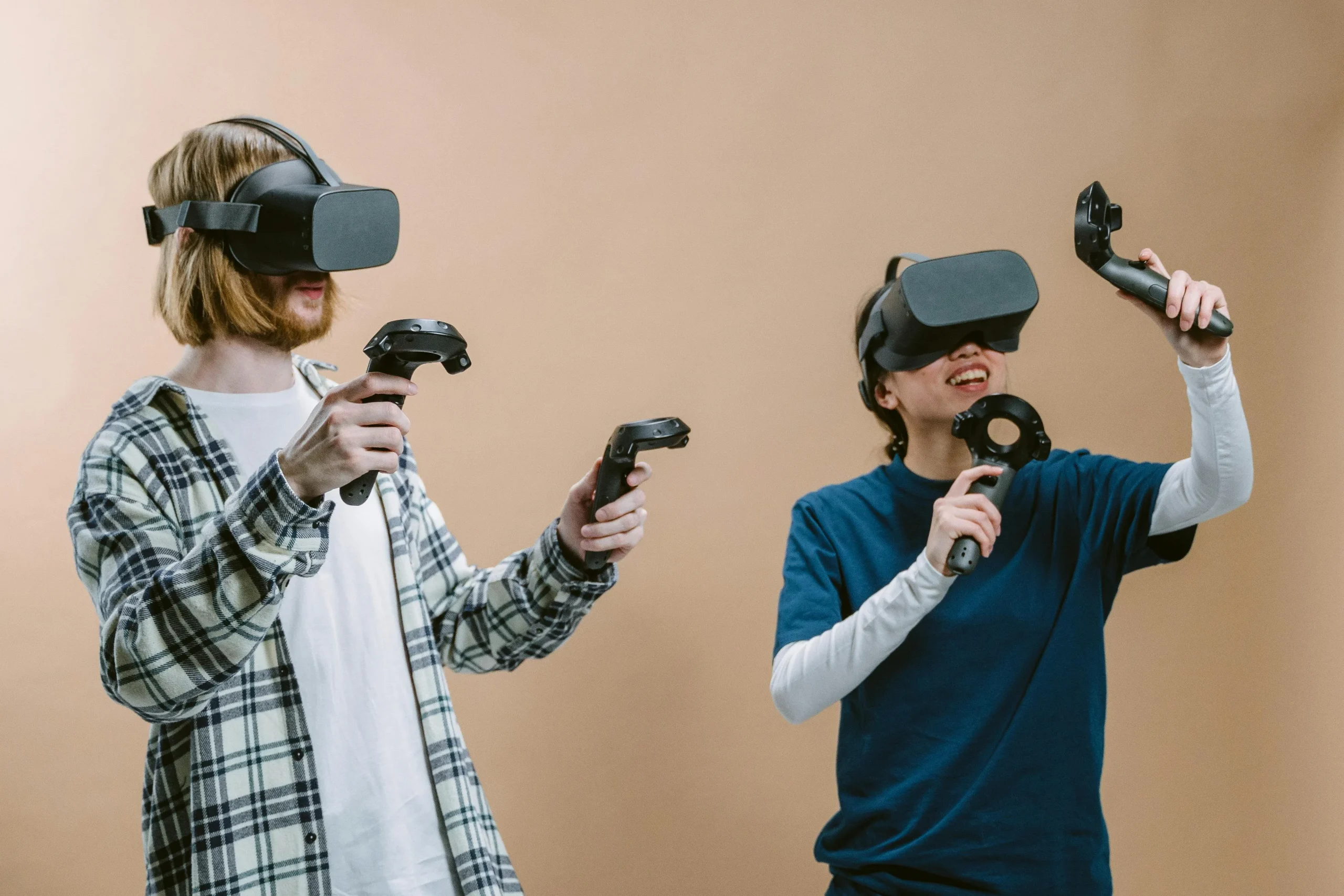
Implementing behavioral training systems for soft skills allows for a standardized training experience across a global footprint.
Every manager, regardless of location, can undergo the exact same high-quality simulation, ensuring that corporate values and communication standards remain consistent throughout the organization.
Efficiency also plays a major role in this shift. Research has consistently shown that VR learners complete their training up to four times faster than classroom learners.
Learn more: Digital Literacy: Essential Skills for Modern Kids
This reclaimed time translates directly into higher productivity and lower operational costs for the business.
We must stop viewing soft skills as “secondary” to technical abilities. In an automated world, the capacity for nuanced human judgment is the only unique value a professional provides, making immersive training a critical investment rather than a luxury.
Which soft skills are most effectively trained in VR?
While almost any human interaction can be simulated, certain areas see a dramatic improvement when trained through immersion.
Learn more: Virtual reality applications in industrial safety validation
Public speaking is the most common use case, where users can stand before a virtual audience of thousands to desensitize their fight-or-flight response.
Learn more: How Wearable Sensors Detect Early Learning Struggles (Attention, Motor Skills, Memory)
Conflict resolution and de-escalation are also highly effective. Trainees can practice dealing with an irate customer or a disgruntled employee in a controlled environment.
This builds the emotional muscle memory required to remain calm and professional during genuine high-pressure situations in the office.
Diversity, equity, and inclusion (DEI) training has been revolutionized by “perspective-taking” simulations.
Users can virtually experience a workday from the viewpoint of someone with a different background, fostering a level of empathy that a PowerPoint presentation simply cannot replicate.
The ability to practice these sensitive interactions without the fear of permanent social damage is the greatest gift this technology offers.
It encourages a level of honesty and vulnerability that is rarely seen in traditional, face-to-face corporate training environments.
How do organizations measure the ROI of behavioral VR?
Success is no longer measured by completion certificates but by tangible behavioral change observed in the workplace.
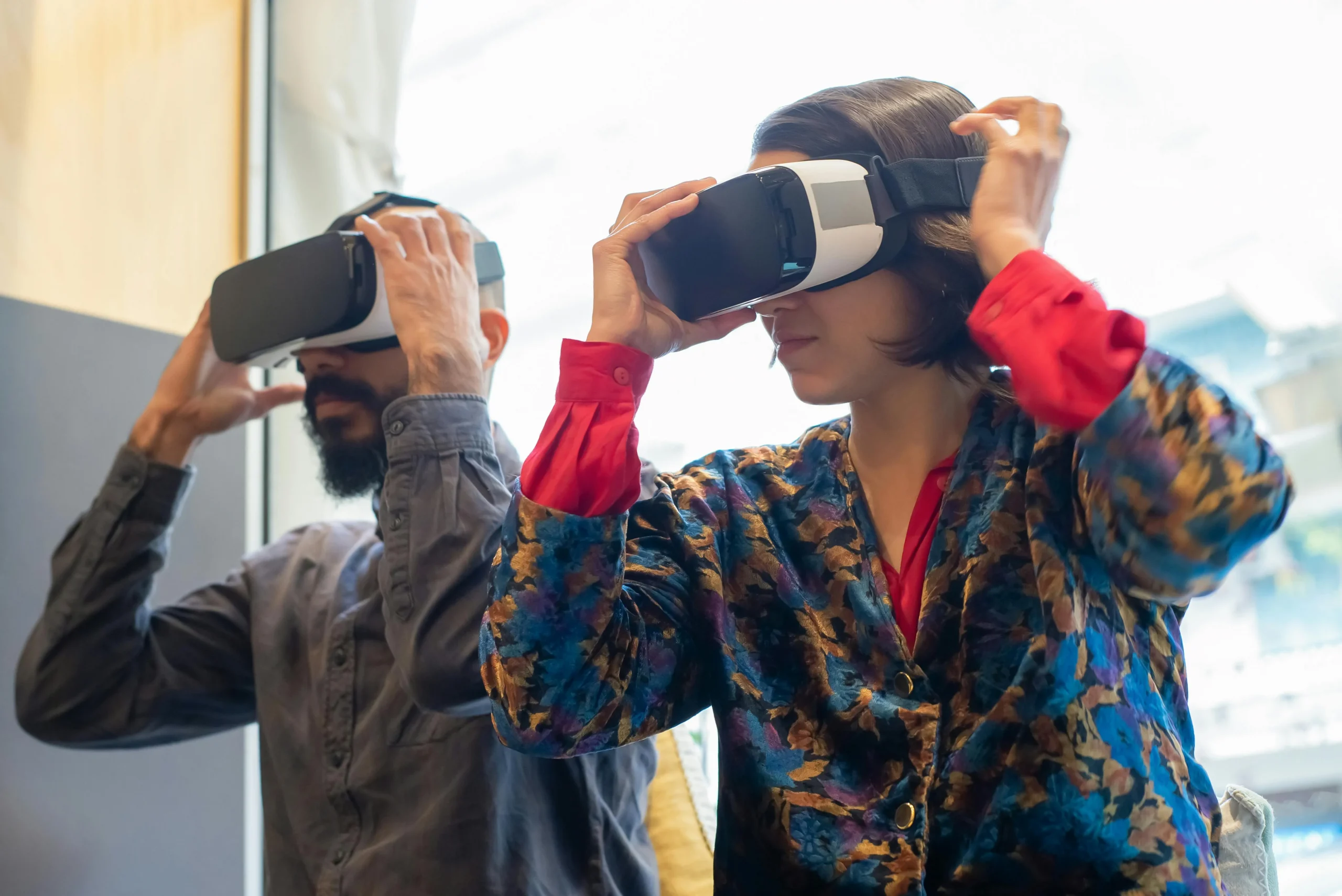
Companies utilize pre- and post-simulation assessments to track how a manager’s communication style evolves over several months of intermittent virtual practice.
Advanced behavioral training systems for soft skills now link simulation performance to actual business outcomes, such as employee retention rates and customer satisfaction scores.
This data provides a clear financial justification for the initial investment in headsets and software licenses.
By analyzing the “heat maps” of user attention and conversational paths during a simulation, HR leaders can identify systemic gaps in the workforce’s emotional intelligence.
This allows for targeted interventions that address specific cultural weaknesses before they manifest as costly workplace conflicts.
For more information on the technological standards and ethical considerations of VR in the workplace, the IEEE Standards Association provides comprehensive guides on the development of immersive technologies.
FAQ: Understanding VR Behavioral Platforms
Does VR training replace human coaches entirely?
No, it acts as a powerful supplement. VR handles the repetitive practice and foundational skill-building, allowing human coaches to focus on high-level strategy and nuanced personal mentorship that requires a real person’s touch.
Is the hardware cost still a major barrier in 2026?
The price of standalone enterprise headsets has dropped significantly, while their performance has increased. Most organizations find that the reduction in travel and trainer costs pays for the hardware within the first year of deployment.
Can VR training cause “simulator sickness” during long sessions?
Modern headsets with high refresh rates and specialized optics have virtually eliminated nausea for most users. Furthermore, soft skill simulations are typically designed for 15-to-20-minute sessions, which is the optimal window for focused cognitive learning.
The transition toward behavioral training systems for soft skills reflects a broader understanding of human potential in the digital age.
We are moving away from a world where social intelligence was considered an innate trait and toward a future where it is a trainable, measurable asset.
Virtual reality provides the perfect bridge between the analytical precision of a computer and the messy complexity of human interaction.
As we look toward the remainder of 2026, the question is no longer whether VR training works, but how quickly an organization can adapt to this immersive reality.
The companies that thrive will be those that invest in the “soft” side of their people with the same rigor they apply to their technical infrastructure.
Ultimately, the goal of all this technology is to make us more human, allowing us to connect with one another with greater clarity and compassion.
