
How VR Teleoperation Lets Experts Control Robots From Afar Safely
Industrial engineers utilizing advanced VR Teleoperation architectures can now command complex robotic systems remotely while ensuring absolute operator safety across hazardous environments worldwide.
Immersive virtual reality headsets map human head and hand gestures directly into precise robotic effector movements, bridging geographical divides with unprecedented accuracy.
Operators navigate hazardous nuclear reactors, deep oceanic trenches, and explosive industrial zones from comfortable control rooms located thousands of miles away from danger.
Cutting-edge low-latency streaming protocols eliminate motion sickness risks, providing seamless visual feedback that makes remote mechanical manipulation feel completely natural and intuitive.
Specialized haptic feedback gloves transmit tactile resistance data back to human fingertips, allowing technicians to feel fragile textures and heavy loads remotely.
Global manufacturing corporations increasingly adopt these immersive remote control paradigms to protect skilled labor forces while maintaining maximum operational efficiency in dangerous settings.
What core mechanisms power remote robotic control?
Advanced stereoscopic cameras mounted on mechanical chassis capture high-definition 3D video streams, transmitting immediate visual cues directly into high-refresh-rate virtual reality lenses.
Advanced edge computing servers process complex kinematics calculations instantly, converting erratic human movements into smooth, calibrated robotic trajectories without noticeable command delays.
Very robust military encryption standards secure wireless communication channels against malicious cyber interference, protecting sensitive industrial infrastructure from unauthorized remote takeover attempts.
Sensor fusion algorithms combine inertial measurement units with spatial tracking data to maintain absolute spatial synchronization between human operators and distant machinery.
Technical specifications published by the IEEE Robotics and Automation Society provide comprehensive standards for secure industrial telepresence communications.
Engineers continuously refine these software pipelines to support multi-gigabit wireless transfers required for flawless real-time visual immersion in demanding field conditions.
How do haptic gloves improve remote accuracy?
Tactile actuation arrays embedded inside wearable exoskeletons apply precise pressure against human palms, replicating the physical resistance encountered by robotic grippers.
Subtle high-frequency vibration motors signal surface textures, enabling workers to distinguish between smooth metallic surfaces and rough concrete walls without visual confirmation.
Severe force-feedback limitations historically hindered delicate remote procedures, but modern piezoelectric actuators deliver microsecond response times necessary for microscopic surgical precision.
Very highly trained technicians manipulate delicate electrical components inside radioactive chambers safely, relying entirely on touch feedback translated through advanced control loops.
Minimizing operator fatigue requires lightweight ergonomic glove designs that distribute pressure evenly across human fingers during extended multi-hour remote operational shifts.
Integrating multi-modal sensory inputs transforms passive observation into an active tactile experience that rivals physical presence at the remote job site.
Why are hazardous industries adopting virtual reality?
Completely eliminating human exposure to toxic chemical spills, high-voltage substations, and unstable collapse zones saves countless lives across modern engineering sectors.
Experienced insurance underwriters favor remote intervention strategies because risk exposure drops exponentially when expensive personnel remain stationed inside secure corporate offices.
Emergency response teams deploy tracked mechanical rovers into disaster areas, inspecting structural integrity before authorizing human entry into collapsed tunnels.
Deep-sea oil extraction facilities utilize subsea robotic arms controlled via satellite links, reducing expensive saturation diving operations significantly.
Corporate compliance officers mandate remote protocols to satisfy stringent international occupational health and safety regulations governing hazardous material handling.
Exploring how VR Teleoperation safeguards industrial workers highlights a transformative shift toward risk-free mechanical intervention across dangerous global sectors.
What metrics define industrial telepresence performance?
Analyzing quantitative operational benchmarks helps enterprise buyers evaluate the true efficiency gains delivered by modern remote robotic control platforms.
| Performance Metric | Traditional Remote Control | Immersive Virtual Reality |
| End-to-End Latency | 250 to 500 milliseconds | Under 20 milliseconds |
| Spatial Awareness | Limited 2D flat screens | Full 360-degree stereoscopic |
| Task Completion Speed | Slow trial and error | Intuitive natural mapping |
Enterprise infrastructure analysts utilize these empirical performance comparisons to justify capital expenditures allocated toward upgrading legacy remote control systems.
Evaluating these numerical benchmarks proves why upgrading legacy infrastructure toward VR Teleoperation delivers immediate productivity boosts across complex operational environments.
Technical procurement committees review these standardized metrics carefully before approving multi-million-dollar digital transformation budgets for heavy industrial facilities.
When do network latency bottlenecks occur?
Intercontinental data transmissions encounter physical speed-of-light limitations, introducing unavoidable millisecond delays that challenge real-time high-speed robotic manipulation tasks.
Local 5G private networks and edge caching servers mitigate transmission lag effectively by processing high-bandwidth video streams closer to the physical job site.
Satellite internet constellations offer global coverage for remote desert or oceanic sites, though atmospheric interference occasionally creates unstable packet delivery rates.
Software architects implement predictive motion compensation algorithms that extrapolate human trajectories during micro-stutter events, maintaining fluid mechanical movement continuity.
System administrators monitor jitter rates continuously, ensuring that network packet loss remains beneath strict safety thresholds during critical remote operations.
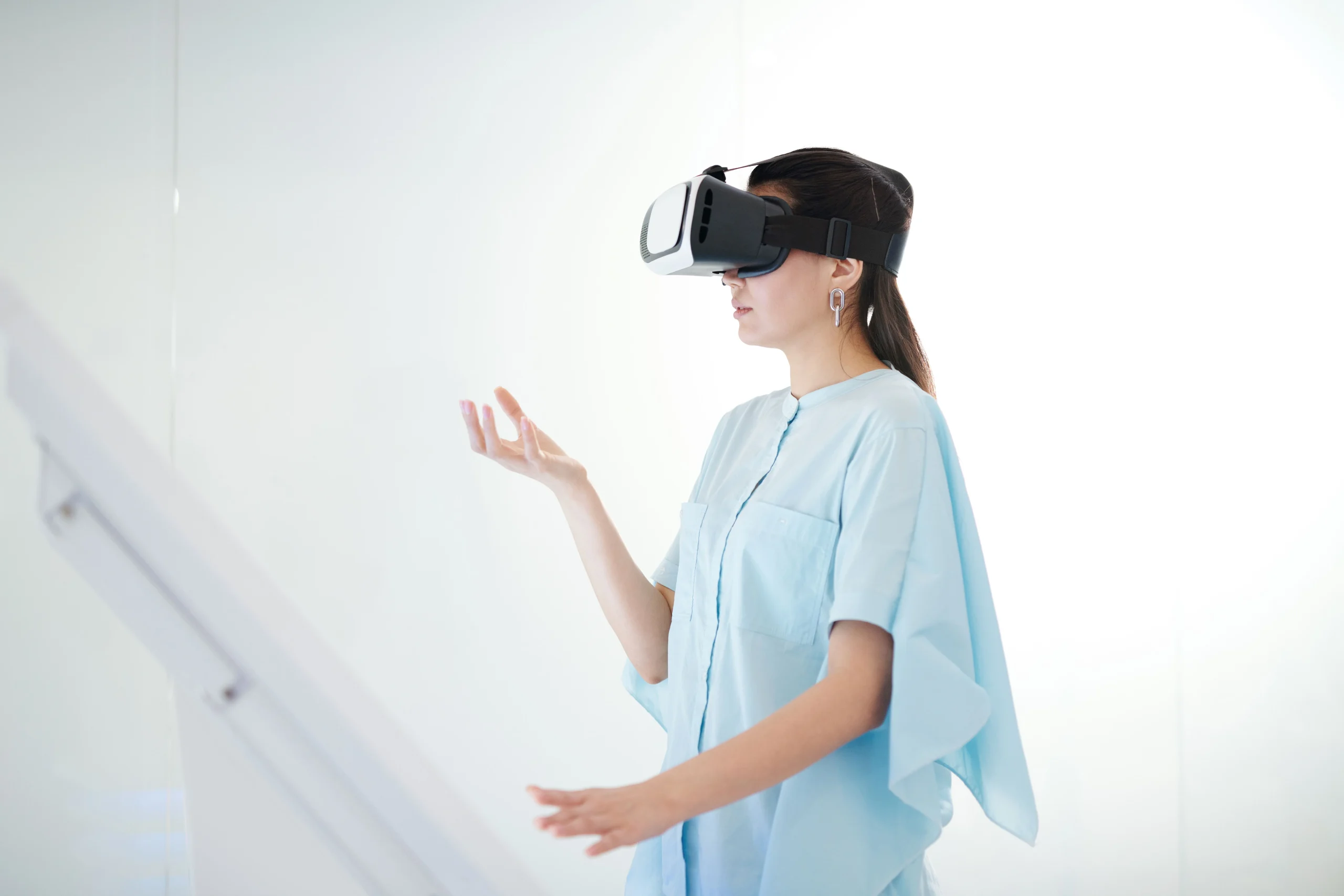
Overcoming connectivity hurdles remains an active engineering priority for developers striving to achieve flawless global robotic synchronization across vast geographical distances.
Learn more: 360-degree content creation tools for immersive experiences
Which industries benefit most from remote immersion?
Nuclear energy facilities rely heavily on shielded mechanical manipulators to handle spent fuel rods without risking human radiation contamination exposure.
Aerospace manufacturers inspect delicate satellite components inside sterile cleanrooms using high-precision remote arms operated from distant engineering headquarters.
Agricultural enterprises deploy autonomous harvesting rovers supervised by expert agronomists stationed comfortably inside air-conditioned farm management offices.
Mining conglomerates extract rare minerals from unstable subterranean shafts safely, protecting extraction crews from sudden rockfall hazards and toxic gas pockets.
Construction firms utilize remote heavy machinery to clear demolition debris from unstable building foundations without endangering on-site personnel.
Expanding application horizons prove that immersive remote control represents a foundational technological pillar for the future of industrial automation.
Read more: How VR Is Helping Patients With Phobias
Conclusion
Summarizing recent technological breakthroughs, immersive remote robotics successfully combines human cognitive problem-solving capabilities with tireless mechanical endurance.
Adopting advanced telepresence architectures empowers global enterprises to conquer dangerous physical environments without compromising the safety of skilled human operators.
Additional authoritative technical resources can be explored directly through the National Institute of Standards and Technology official portal.
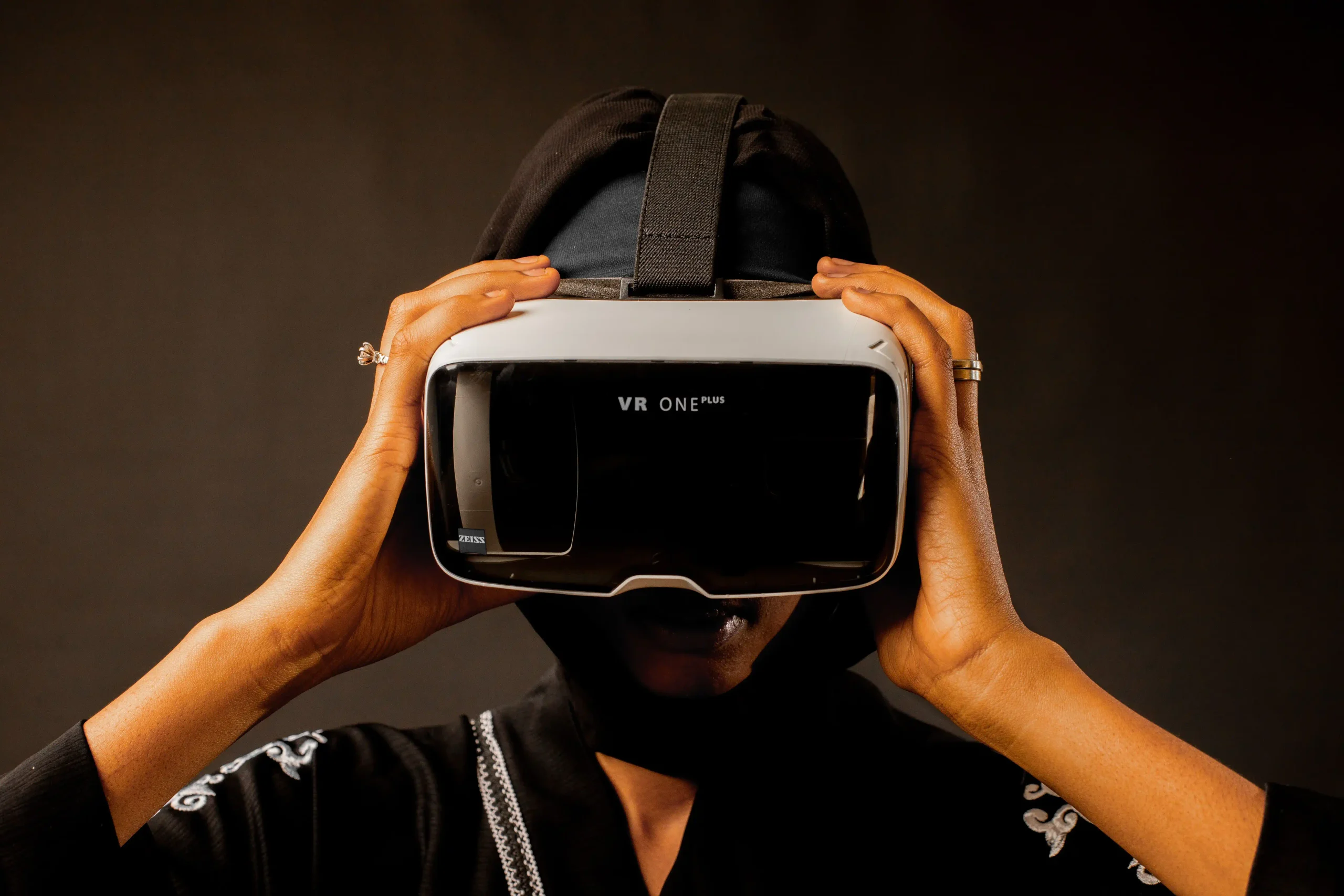
Ultimately, mastering how VR Teleoperation redefines remote labor opens unprecedented opportunities for safe industrial expansion across our interconnected modern world.
Ongoing hardware miniaturization and software optimization will continue expanding the boundaries of what remote human operators can accomplish safely inside virtual environments.
Forward-thinking organizations embracing these immersive tools secure a decisive competitive advantage in workplace safety and operational efficiency for decades ahead.
Learn more: Immersive documentary experiences changing digital journalism
Frequently Asked Questions (FAQ)
Does network lag cause motion sickness?
Modern systems maintain ultra-low latencies beneath twenty milliseconds, effectively eliminating vestibular conflicts and preventing simulator sickness during extended operator work sessions.
Can anyone operate industrial robots?
Operators require specialized training in spatial kinematics and emergency shutdown protocols, despite intuitive virtual reality interfaces simplifying physical mechanical control movements.
What internet speed is required?
Stable broadband connections supporting symmetrical gigabit speeds ensure uninterrupted transmission of high-definition stereoscopic video feeds and responsive haptic feedback loops.
Are remote systems vulnerable to hacking?
Enterprise platforms implement military-grade end-to-end encryption and multi-factor authentication protocols to prevent unauthorized interception or malicious control override attempts.
How far away can operators be?
Geographical distance is virtually limitless provided robust satellite or fiber-optic network pathways maintain low packet loss and consistent transmission latency rate
