
Home automation multi device orchestration systems
Deploying comprehensive multi device orchestration systems inside modern smart homes represents the ultimate transition from fragmented gadget control to a unified, autonomous residential computing environment.
Homeowners frequently purchase innovative hardware from disparate brands, only to find themselves trapped in a siloed ecosystem where appliances fail to communicate efficiently with one another.
True architectural orchestration solves this friction by establishing a centralized intelligence layer that harmonizes wireless protocols, sensors, and execution scripts without requiring human intervention.
This comprehensive technical guide analyzes standard communication frameworks, localized processing benefits, structural interoperability benchmarks, and execution strategies to help you build a resilient, future-proof automation ecosystem.
What defines a true domestic orchestration framework?
A true orchestration system goes far beyond the basic capabilities of a standard smartphone voice assistant or a simple programmed scheduling application.
While traditional automation relies on isolated if-then triggers, advanced residential platforms manage complex, multi-variable logic loops that process contextual environmental data simultaneously.
These sophisticated software layers evaluate real-time information from presence sensors, ambient light meters, historical consumption patterns, and local weather feeds to modify your home architecture dynamically.
The system acts as a proactive digital manager, adjusting indoor environments continuously to optimize both energy conservation and human comfort.
Integrating reliable multi device orchestration systems requires hardware assets that support open API documentation and local control capabilities.
Eliminating dependency on external cloud architectures prevents automation blackouts, ensuring your home infrastructure remains fully operational even during severe internet connection failures.
How does the Matter standard unify modern smart home hardware?
The historical fragmentation of the smart home marketplace mandated the creation of a universal, royalty-free connectivity standard backed by major industrial technology conglomerates.
This protocol utilizes Internet Protocol (IP) architecture to establish native communication bridges between devices operating across Wi-Fi, Ethernet, and Thread networks.
By deploying this standardized structural framework, property owners can mix hardware components from different manufacturers within a single operational ecosystem.
The standard ensures seamless data exchange at the local network level, eliminating the need for complex, buggy custom software patches.
To explore validated technical research papers, official global cybersecurity baselines, and certified internet of things compliance documents, examine the open-source reference portal maintained by the National Institute of Standards and Technology (NIST).
Why should property owners prioritize localized edge computing controllers?
Relying exclusively on external cloud servers to handle daily residential automation routines introduces unnecessary operational latencies and severe data privacy vulnerabilities.
Localized edge controllers process all telemetry data within the physical perimeter of your property, executing automation commands in mere milliseconds.
This architectural approach guarantees that sensitive household behavioral data, such as occupancy schedules and security camera feeds, never exits your private local network.
Furthermore, edge computing drastically reduces internet bandwidth consumption, preventing smart appliances from clogging your primary wireless router pipelines.
Selecting the right controller involves evaluating memory capacity, processor architecture, and software compatibility to support expanding device portfolios.
For a detailed breakdown of the leading operational platforms available for managing smart properties, review the factual data table below:
| Orchestration Platform | Primary Operating Code | Hardware Execution Type | Supported Connectivity Protocols | Ideal System Application |
| Home Assistant Blue/Yellow | Open-Source Python | Strict Local Edge Processing | Z-Wave, Zigbee, Matter, Thread | Advanced DIY enthusiast setups |
| Hubitat Elevation C-8 | Proprietary Linux | Strict Local Edge Processing | Zigbee, Z-Wave, Matter, LAN | Out-of-the-box local reliability |
| Homey Pro (Latest Gen) | Proprietary Node.js | Hybrid Local and Cloud | Infrared, Bluetooth, Wi-Fi, Matter | Premium multi-protocol integration |
| Apple Home Kit Architecture | Proprietary Closed | Local Hub Dependent | Wi-Fi, Bluetooth, Thread, Matter | Native iOS consumer ecosystems |
The empirical data demonstrates that open-source or dedicated local hardware solutions provide the highest degree of operational autonomy for modern properties.
Eliminating subscription business models ensures your underlying smart architecture remains economically sustainable and fully functional throughout the lifecycle of the assets.
When should security protocols override convenience in automated homes?
As you deploy advanced multi device orchestration systems across your property, your local network exposure expands significantly with each new connected endpoint.
Network segmentation via Virtual Local Area Networks (VLANs) represents an essential defense mechanism to isolate smart appliances from your primary computers.
Learn more: Smart home automation real time context engines for actions
Inexpensive smart components often feature weak, unpatchable firmware that malicious actors can exploit to gain access to corporate laptops sharing the same router.
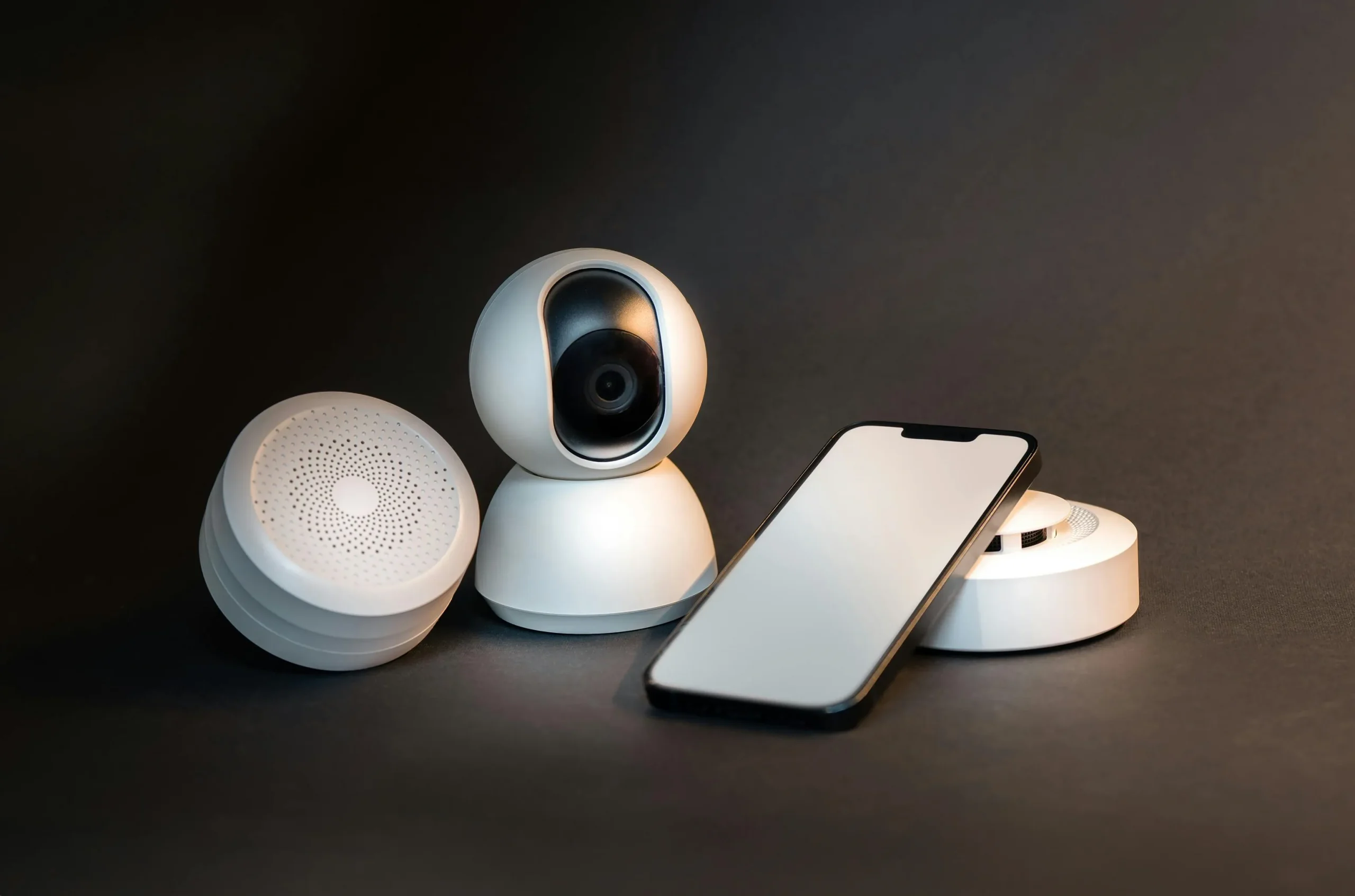
Enforcing strict firewall rules and disabling Universal Plug and Play (UPnP) settings prevents unauthorized external configuration modifications.
Regularly auditing your system’s access logs helps detect anomalous data transmission patterns before they result in structural security breaches.
Prioritizing robust cryptographic standards across all hardware layers guarantees that your automated environment remains a secure sanctuary rather than an entry point for cyber threats.
How do intelligent energy management systems optimize grid consumption?
The integration of smart electrical sub-panels and residential battery storage allows orchestration software to interact dynamically with variable utility time-of-use tariff structures.
The system shifts high-load operations, such as electric vehicle charging, to hours when electricity rates drop significantly.
Read more: Smart home automation for micro-grid energy balancing
During peak grid demand windows, the controller can automatically adjust heat pump thresholds by a few degrees or utilize stored battery power to minimize utility expenses.
This algorithmic management lowers carbon footprints while preserving household comfort margins without requiring manual adjustments.
The Convergence of Automated Residential Environments
The steady maturation of distributed computing frameworks enables residential properties to transform into highly efficient, self-sustaining ecosystems that adapt fluidly to human behavioral patterns.
Moving away from brand monopolies toward standardized, interoperable hardware architectures empowers consumers to build personalized spaces focused on longevity and efficiency.
Learn more: Multi-Room Presence Detection Using mmWave Sensors: Setup Guide + Best Devices
The ultimate value of domestic technology lies not in individual novelty features, but in the seamless coordination of resource management, safety protocols, and operational resilience.
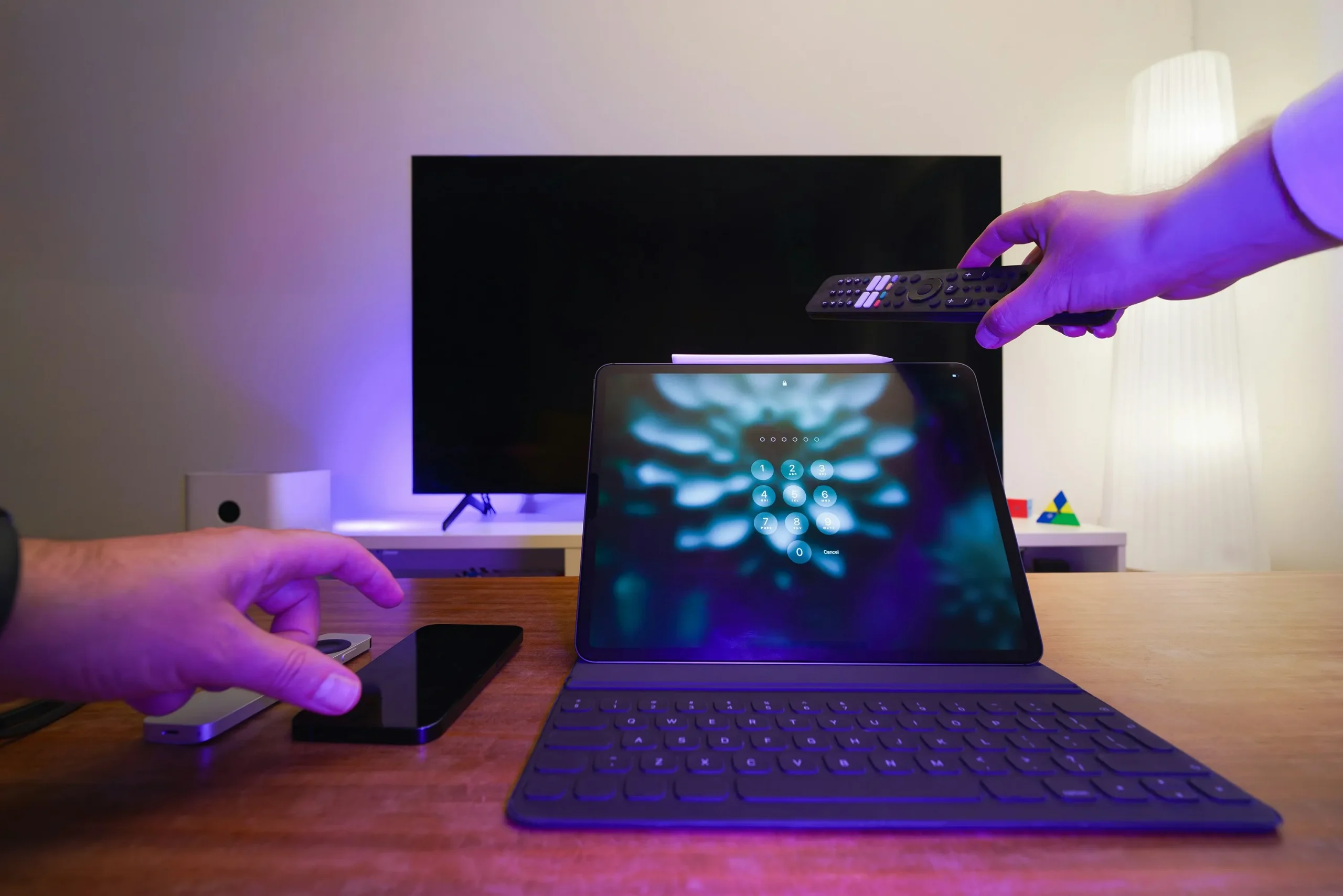
By executing data-informed deployment steps and respecting network security principles, we build living spaces that enhance human capability while minimizing ecological footprints.
To review comprehensive international data on tech standards, electronic waste reduction strategies, and global smart grid integration initiatives, consult the digital repository of the International Electrotechnical Commission (IEC).
Frequently Asked Questions (FAQ)
What is the practical difference between Thread and Zigbee protocols?
Thread is a modern, IPv6-based mesh networking protocol that allows devices to communicate directly with one another and the internet without requiring a centralized translation bridge.
Zigbee operates on a similar low-power mesh framework but requires a dedicated hub to translate its proprietary data packets into internet-compatible language for network routers.
Can I integrate legacy smart appliances into a modern Matter-based ecosystem?
Yes, you can integrate older hardware assets by utilizing a software or hardware bridge that translates legacy protocols into standardized Matter data structures.
Major manufacturers offer updated hub configurations that act as translators, allowing your existing Zigbee or Z-Wave devices to participate in unified orchestration routines seamlessly.
How do home orchestration systems handle automated emergency safety overrides?
Advanced management platforms prioritize safety inputs over standard comfort routines by utilizing hardwired interrupt logic loops inside the central software core.
For instance, if a connected nest sensor detects ambient carbon monoxide, the system immediately cuts power to the central HVAC fans while unlocking external doors for evacuation.
Do open-source home automation platforms require active subscription fees?
No, core open-source platforms operate under free software licenses, allowing property owners to self-host their entire management framework without incurring monthly operational fees.
Optional premium subscriptions exist solely to simplify remote secure connection access or to fund dedicated cloud-based voice synthesis processing servers if desired.
