
Smart classroom furniture improving early learning outcomes
Integrating Smart classroom furniture into modern kindergarten and preschool environments represents a major leap forward in optimizing developmental spaces for young children worldwide.
These advanced, ergonomically engineered physical structures adapt seamlessly to changing instructional needs, transforming passive listening areas into highly active learning zones.
Traditional static desks frequently fail to support the natural physical movements and evolving cognitive needs of energetic toddlers discovering the world.
Modern educational research confirms that flexible, responsive physical design actively shapes how young minds process information and collaborate during foundational years.
What Is Dynamic Educational Equipment for Young Learners?
Defining this innovative concept requires looking past basic wooden tables to examine highly responsive, interconnected childhood developmental ecosystems.
These flexible physical structures incorporate lightweight materials, adjustable height mechanisms, and geometric configurations that accommodate various collaborative activities instantly.
Some premium variations embed subtle biometric sensors or wireless haptic technology that helps teachers track student movement and spatial distribution patterns.
This data allows instructors to reorganize their spatial layouts scientifically, maximizing peer interaction and minimizing behavioral distractions during complex tasks.
When institutions deploy Smart classroom furniture, they create an environment that respects a child’s natural urge to move while learning.
This alignment between physical freedom and academic instruction forms the cornerstone of progressive early childhood pedagogical frameworks globally.
Why Does Flexible Posture Control Improve Mental Focus?
Medical experts recognize that prolonged sitting on rigid chairs restricts blood flow, inducing physical fatigue and accelerating mental drift.
Young children possess short natural attention spans, which suffer severely when forced into uncomfortable, static seating arrangements for multiple hours.
Dynamic seating options allow subtle rocking, balancing, or standing, which satisfies sensory needs without disrupting the surrounding group learning flow.
This micro-movement stimulates core muscles, elevates oxygen flow to the brain, and triggers neural pathways responsible for deep concentration.
According to long-term child development insights shared by the World Health Organization, physical movement is inextricably linked to early cognitive milestones and neurological health.
Providing mobile physical foundations helps children regulate their energy levels naturally, reducing restlessness and fostering an optimal emotional state for absorbing knowledge.
How Does Modular Design Foster Early Collaborative Skills?
Traditional forward-facing rows naturally reinforce passive, teacher-centric instructional models that limit peer-to-peer exploration and problem-solving exercises.
Modular desks feature unique curved geometries, allowing young students to snap their workstations together into diverse group formations effortlessly.
This fluid transition from individual concentration to teamwork encourages shared communication, collaborative drawing, and joint play-based exploration without generating logistical chaos.
Instructors can shift their room layouts from presentation modes to collaborative circles in less than sixty seconds flat.
By utilizing versatile Smart classroom furniture, educators can design targeted spaces that mirror the social realities of our modern digital workforce.
Children learn to share resources, negotiate spatial boundaries, and vocalize their thought processes within dynamic, supportive peer groups.
Which Material Innovations Protect Vulnerable Early Learners?
Selecting appropriate structural components for young children requires balancing extreme durability with strict chemical safety and antimicrobial protection standards.
Modern manufacturing utilizes sustainably sourced wood composites, recycled high-density polymers, and low-emission coatings that safeguard indoor air quality over decades.
Furthermore, premium surfaces feature embedded non-toxic shield layers that actively destroy pathogens, reducing germ transmission during peak flu seasons.
Learn more: Interactive projection classrooms in preschool education
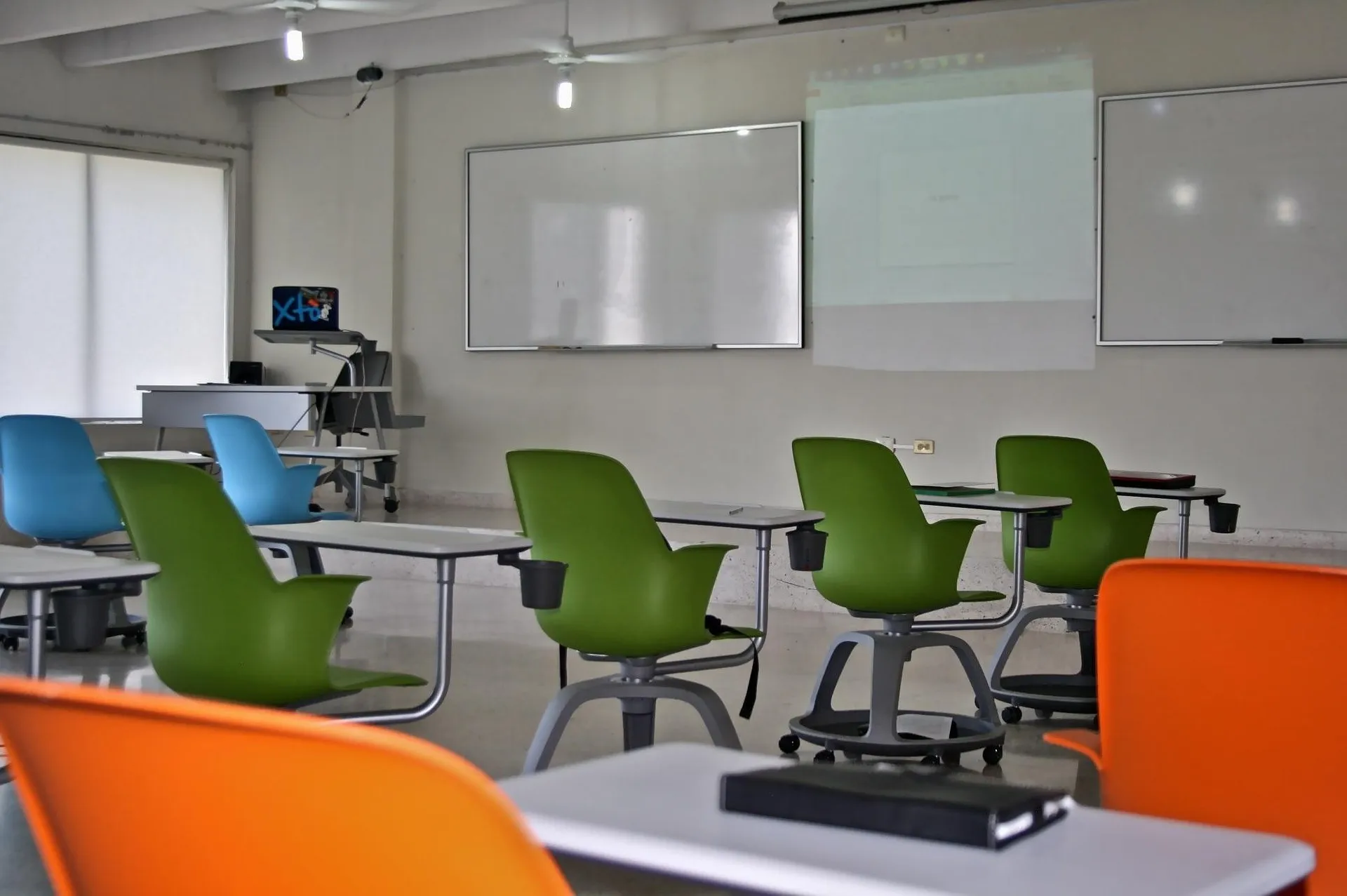
Rounded edges and soft-touch impact points eliminate painful bruising risks during high-energy collaborative movements or sudden classroom reconfigurations.
| Classroom Setup Type | Average On-Task Time (Minutes) | Peer Collaboration Incidents (Daily) | Spatial Reconfiguration Time | Reported Physical Discomfort |
| Traditional Rigid Desks | 14 Minutes per Session | 3 Interactions per Child | 12 Minutes (Requires Adult) | 34% of Surveyed Students |
| Smart Classroom Furniture | 22 Minutes per Session | 9 Interactions per Child | Under 1 Minute (Child-led) | Less than 5% Reported |
When Should Schools Invest in Responsive Infrastructure?
Upgrading instructional spaces becomes critical when student engagement markers decline and physical discomfort begins hindering daily lesson objectives.
School districts should prioritize these physical upgrades during scheduled campus renovations or when adopting modern, technology-infused curricula.
Investing early prevents the compounding costs associated with poor physical posture, behavioral remediation, and underutilized digital educational tools.
Read more: Classroom audio amplification systems for young learners
Modernizing the physical landscape ensures that expensive digital devices, like interactive tablets, integrate harmoniously with physical writing and drawing exercises.
Integrating specialized furniture provides an ideal foundation for inclusive learning environments, accommodating neurodivergent children who require sensory stimulation to focus.
Modifying the physical environment demonstrates a profound commitment to equitable education, ensuring every unique child receives appropriate structural support.
Redefining the Architecture of Early Knowledge Acquisition
Embracing flexible infrastructure transitions early learning centers from rigid childcare repositories into vibrant, exploratory laboratories of discovery.
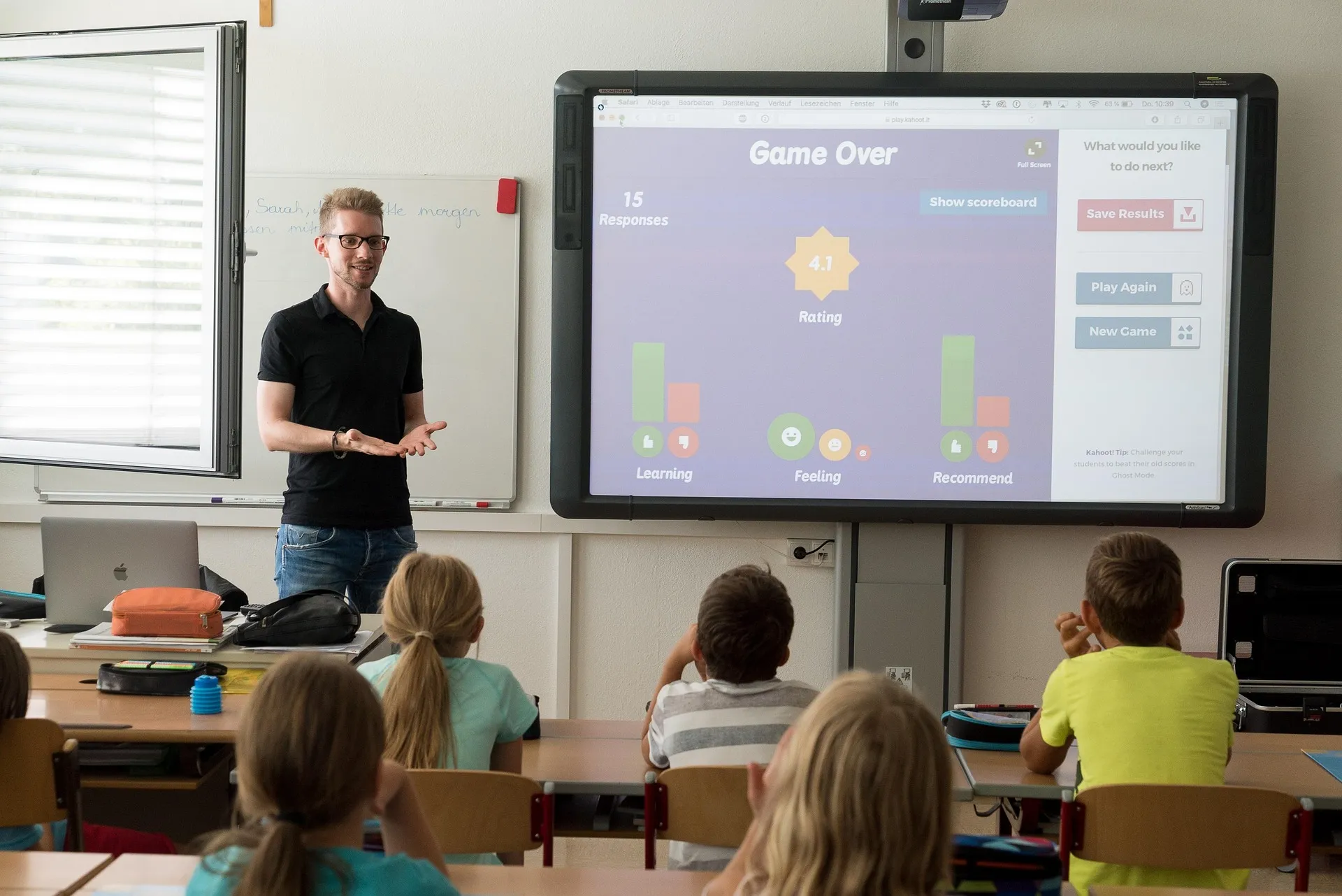
The harmonious marriage of physical ergonomic science and flexible space management empowers young minds to confidently control their immediate learning environment.
As educational institutions adapt to future socio-technological shifts, our physical learning spaces must evolve past outdated industrial archetypes.
Learn more: Smart Classrooms in Kindergarten: What’s Changing?
Prioritizing student physical agency cultivates a foundational love for lifelong learning, giving children the physical confidence to explore complex concepts safely.
To explore deeper architectural design guidelines and research regarding supportive physical spaces for developing youth, consult resources at the American Academy of Pediatrics.
Transforming your physical infrastructure unlocks latent potential within your student body, building a healthier foundation for the leaders of tomorrow.
Frequently Asked Questions (FAQ)
Does dynamic school furniture cause behavioral distractions among toddlers?
No, empirical classroom studies show that providing controlled outlets for physical movement actually reduces disruptive behaviors and off-task wanderings.
Children who can safely wiggle or stand remain focused on their lessons for significantly longer periods.
How do educators choose the right furniture sizes for mixed-age groups?
Modern systems feature intuitive, tool-free pneumatic or manual adjustment latches that allow children to modify heights independently.
This flexibility ensures a single workspace safely accommodates a diverse range of body sizes across different classroom shifts.
Are these premium adaptive tables compatible with heavy technology usage?
Yes, most designs include built-in cable management channels, secure tablet slots, and durable scratch-resistant surfaces designed for electronic devices.
This specialized integration prevents expensive hardware damage while keeping workspaces neat, organized, and fully functional.
