
Preschool maker stations encouraging creative problem solving
Implementing Preschool maker stations in modern early childhood classrooms transforms traditional play spaces into dynamic hubs of inventive design and critical thinking.
Curious young children naturally explore physical environments through tactile manipulation, trial, and structural experimentation without requiring rigid academic instruction or standardized worksheets.
Dedicated early educators observe that tactile construction corners foster resilience, perseverance, and imaginative resourcefulness among toddlers during open-ended collaborative building activities.
Carefully structured tinkering areas provide safe environments where little learners combine recycled materials, simple fasteners, and loose parts into unique mechanical prototypes.
Actively designing flexible zones for hands-on creation empowers children to test hypotheses independently while cultivating foundational STEM competencies early in life.
Very many modern classrooms prioritizing active making witness dramatic improvements in spatial reasoning, fine motor dexterity, and self-directed project execution skills.
What essential materials populate successful early learning tinker spaces?
Very many versatile cardboard tubes, wooden blocks, masking tape, pipe cleaners, and fabric scraps supply limitless potential for imaginative architectural design projects.
Reliable non-toxic safety scissors, chunky hole punches, and child-safe glue sticks enable toddlers to assemble disparate components without adult frustration.
For authoritative guidance on early childhood pedagogy, review educational standards published by the National Association for the Education of Young Children.
Very sensibly organizing supplies in transparent storage bins empowers children to select, manage, and return materials independently during cleanup rotations.
How do open-ended building challenges stimulate cognitive development?
Deliberately posing conceptual design problems encourages children to invent novel solutions rather than copying predetermined models presented by instructors.
Directly testing bridge stability using toy figures reveals structural flaws immediately, prompting young engineers to reinforce weak foundation pillars.
Successfully overcoming structural failures teaches invaluable lessons about persistence, iteration, and adaptive thinking during early scientific inquiry.
Enthusiastic collaborative brainstorming encourages language acquisition as peers articulate design intentions and negotiate shared construction roles effectively.
As young children manipulate physical objects, neural pathways strengthen, supporting advanced mathematical reasoning and spatial awareness organically.
Which safety protocols ensure secure tinkering environments?
Attentive supervising adults establish clear boundary rules regarding tool usage, sharing community supplies, and maintaining clean walking pathways around stations.
Carefully selecting splinter-free woods, washable paints, and oversized beads eliminates choking hazards while accommodating diverse developmental motor skill levels.
Rigorous daily equipment inspections prevent injuries caused by cracked plastics, frayed ropes, or unstable work surfaces in the classroom.
Consistently establishing predictable cleanup routines teaches personal responsibility and hazard awareness before children transition to free-play construction periods.
Smoothly integrating Preschool maker stations safely requires balanced ratios and intentional spatial organization designed for maximum visibility.
What comparative metrics define effective tinkering zones?
Dedicated educational researchers evaluate various spatial configurations to determine optimal setups for early childhood engineering laboratories.
| Zone Configuration | Material Variety | Supervision Level | Developmental Focus |
| Loose Parts Table | High | Moderate | Creativity & Flow |
| Woodworking Bench | Low | High | Fine Motor Control |
| Recycled Assembly | Medium | Low | Environmental Awareness |
Experienced prominent curriculum designers utilize these comparative metrics when drafting modern classroom blueprints for progressive preschool facilities.
Thoroughly comprehending these organizational distinctions guarantees that student engagement remains high throughout daily maker studio rotations.
Careful deliberate planning transforms chaotic play corners into highly productive incubators of innovative early childhood engineering genius.
How can teachers assess learning outcomes in maker spaces?
Detailed observational checklists capture qualitative milestones regarding peer collaboration, frustration tolerance, and creative ideation during building sessions.
Comprehensive portfolios featuring photographs of unfinished prototypes document individual growth trajectories and inventive problem-solving strategies over academic terms.
Short audio recordings of toddler design discussions reveal sophisticated hypothesis testing that traditional standardized testing fails to measure.
Learn more: Building a Hybrid Classroom for Preschoolers: Best Tech Setups for Ages Under 6
Joyfully celebrating completed creations during group sharing circles validates maker efforts and inspires classmates to attempt alternative structural designs.
Successfully integrating Preschool maker stations into authentic assessment frameworks shifts educational focus toward genuine competency development.
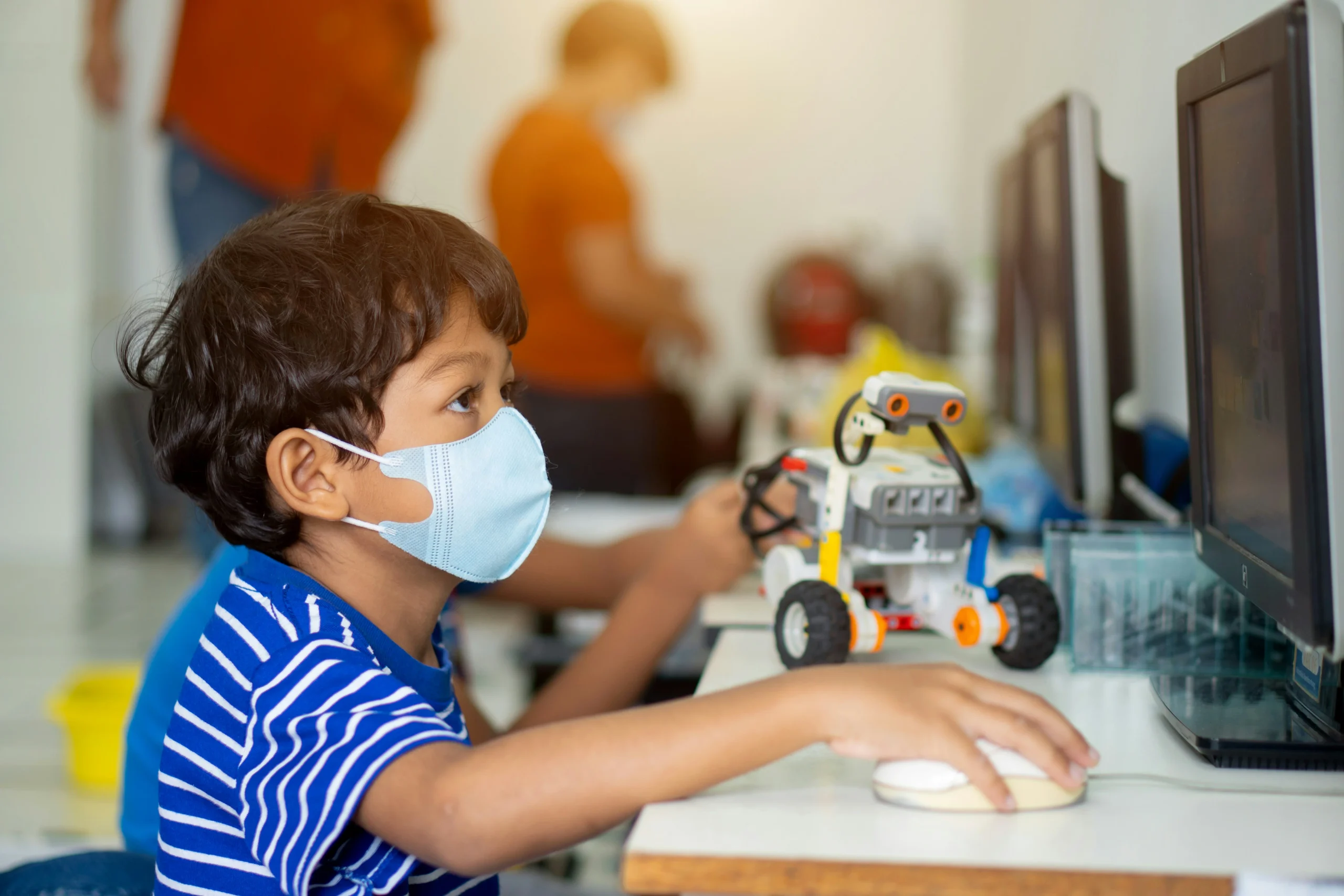
Why do maker stations foster lifelong creative confidence?
Proactively encouraging young learners to embrace mistakes as design iterations builds emotional resilience and fearless intellectual curiosity.
When young children realize they possess the power to transform trash into treasure, self-efficacy skyrockets across all academic domains.
Read more: Digital Portfolios for Preschoolers: How Schools Are Using Data Instead of Grades
For additional insights into progressive pedagogy, explore expert articles published on Edutopia regarding early innovation.
Thoughtful adults consistently honoring imaginative constructions validate children’s innate ingenuity and establish positive lifelong attitudes toward complex problem solving challenges.
Effectively and successfully deploying Preschool maker stations ensures every child feels empowered to invent, build, and discover without artificial creative limitations.
Conclusion
Permanently transforming early learning environments through purposeful tinkering centers empowers the next generation of inventive thinkers and resilient creators.
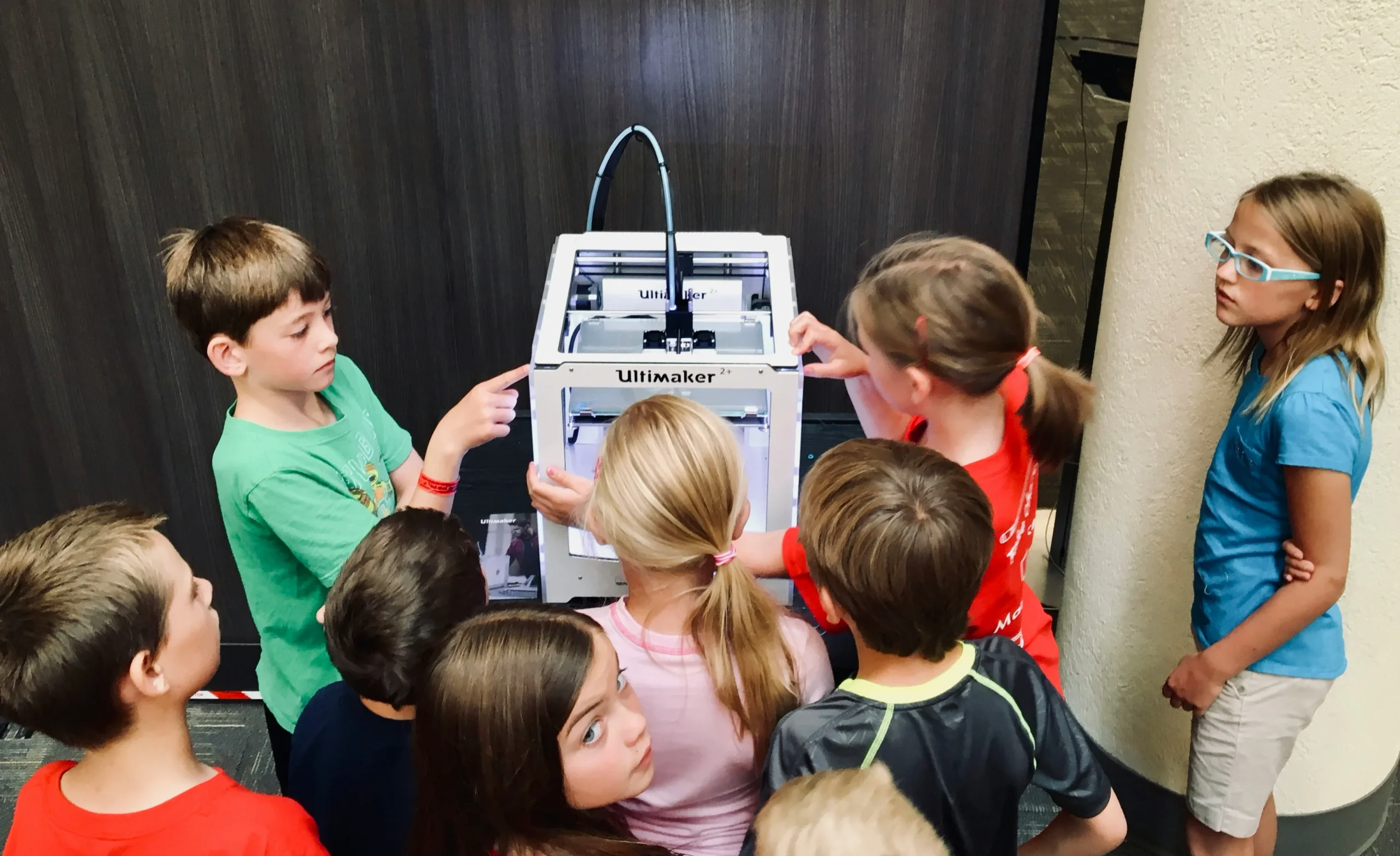
Enthusiastically embracing hands-on engineering challenges nurtures cognitive agility, perseverance, and fearless exploration across diverse childhood developmental stages.
Learn more: Interactive language immersion tools for bilingual preschoolers
Dedicated educators championing innovative maker initiatives provide foundational tools necessary for children to construct a brighter, more imaginative future.
Frequently Asked Questions (FAQ)
What age is appropriate for maker stations?
Curious toddlers as young as two years old benefit immensely from sensory exploration and large loose parts tinkering experiences.
How much budget do maker spaces require?
Wisely utilizing recycled household items and donated materials keeps startup costs remarkably low while encouraging sustainable ecological thinking.
How do educators manage classroom messes?
Carefully establishing designated working trays, floor mats, and independent cleanup protocols keeps maker debris contained during creative building sessions.
Do maker stations require expensive power tools?
No, absolutely not; preschool engineering relies exclusively on safe, non-powered fasteners, tape, cardboard, and lightweight wooden building blocks.
How do maker stations support shy children?
Freely manipulating physical objects provides a comfortable non-verbal communication outlet, helping introverted students express complex design concepts confidently.
