
Thread network devices and next-generation connectivity
Integrating Thread-based network devices and next-generation connectivity standards marks a critical turning point for modern home automation setups looking to establish secure, low-latency, and highly resilient wireless ecosystems.
For years, smart home ecosystems suffered from fragmented communication protocols, where disparate hardware systems required complex, proprietary hubs to speak to one another.
The emergence of open, IP-based mesh architectures has fundamentally dismantled these legacy digital barriers, allowing devices to communicate directly with native cloud systems.
This technological shift empowers users to build expansive, self-healing networks that consume minimal power while maximizing operational reliability.
This detailed technical evaluation examines Thread routing architectures, hardware energy efficiencies, cross-vendor standard integrations, spatial transmission security, and long-term network infrastructure planning.
What is Thread network architecture and how does it establish native IPv6 wireless mesh grids?
Thread operates as an open, low-power wireless mesh protocol built specifically upon the established IEEE 802.15.4 radio standard for secure micro-device communications.
Unlike legacy home protocols, it utilizes native IPv6 addressing, meaning every individual node receives its own unique, direct internet identification location.
This specific design framework proves that deploying Thread-validated network devices and next-generation connectivity infrastructure removes the necessity for expensive, custom translation hubs.
Devices communicate directly using standard internet routing principles, making local commands nearly instantaneous.
The physical grid layout divides hardware into distinct operational roles, consisting of Border Routers, standard Routers, and End Devices.
This structural division ensures that if one router fails, neighboring nodes immediately elect a replacement to keep data flowing seamlessly.
Why does low-power mesh topology minimize device battery drain while expanding spatial radio coverage?
Traditional point-to-point wireless systems like Wi-Fi force distant endpoints to broadcast high-power radio signals to reach a centralized, wall-mounted access point.
This high energy requirement drains small battery cells quickly, making it difficult to maintain outdoor security sensors or automated door locks over multi-year periods.
Mesh configurations solve this limitation by allowing every mains-powered element to function as an active signal repeater for surrounding hardware.
Data packets hop short distances from one node to the next, drastically lowering individual transmission power requirements while routing around physical structural barriers.
To study official technical whitepapers, radio frequency certifications, and open-source software development libraries for smart infrastructure, explore the Thread Group.
Short-distance data hopping ensures that battery-operated endpoints remain in deep sleep modes until external sensor triggers wake them up.
This efficient power management extends battery lifespans significantly, dropping maintenance costs for large residential automation projects.
Which technological parameters differentiate Thread hardware from traditional smart home communication standards?
Selecting the optimal infrastructure layout for a residential property requires reviewing data bandwidth limits alongside the power requirements of different wireless protocols.
To evaluate these engineering variables using authentic, standardized industry metrics, examine the technical comparison table below:
Technical Performance Matrix of Smart Communication Protocols
| Technical Protocol Metric | Thread Mesh Architecture | Zigbee Smart Standard | Bluetooth Low Energy (BLE) | Wi-Fi (802.11ah HaLow) |
| Network Layer Address | Native IPv6 Addressing | Proprietary Network ID | MAC Address Mapping | Standard IPv4 / IPv6 |
| Maximum Data Rate | 250 kbps} | 250 kbps | 1 Mbps – 2 Mbps | Up to 15 Mbps |
| Radio Frequency Band | 2.4 GHz Globally | 2.4 GHz / 868 MHz | 2.4 GHz Globally | 900 MHz Sub-GHz |
| Average Power Profile | Extremely Low (<15 mA) | Very Low (<30 mA) | Low (<15 mA) | Moderate (<100 mA) |
| Typical Grid Topology | Self-Healing Mesh | Coordinator-Led Mesh | Point-to-Point / Mesh | Centralized Star |
The network metrics demonstrate that choosing network devices and next-generation connectivity assets requires matching hardware attributes with real-world deployment goals.
While Wi-Fi remains necessary for streaming video, Thread offers the ideal low-power, high-reliability foundation for dense sensor grids.
How does the unified Matter application layer create cross-vendor compatibility for domestic ecosystems?
Consumer smart home adoption historically lagged due to walled gardens, where products from competing manufacturers refused to operate together on a unified dashboard.
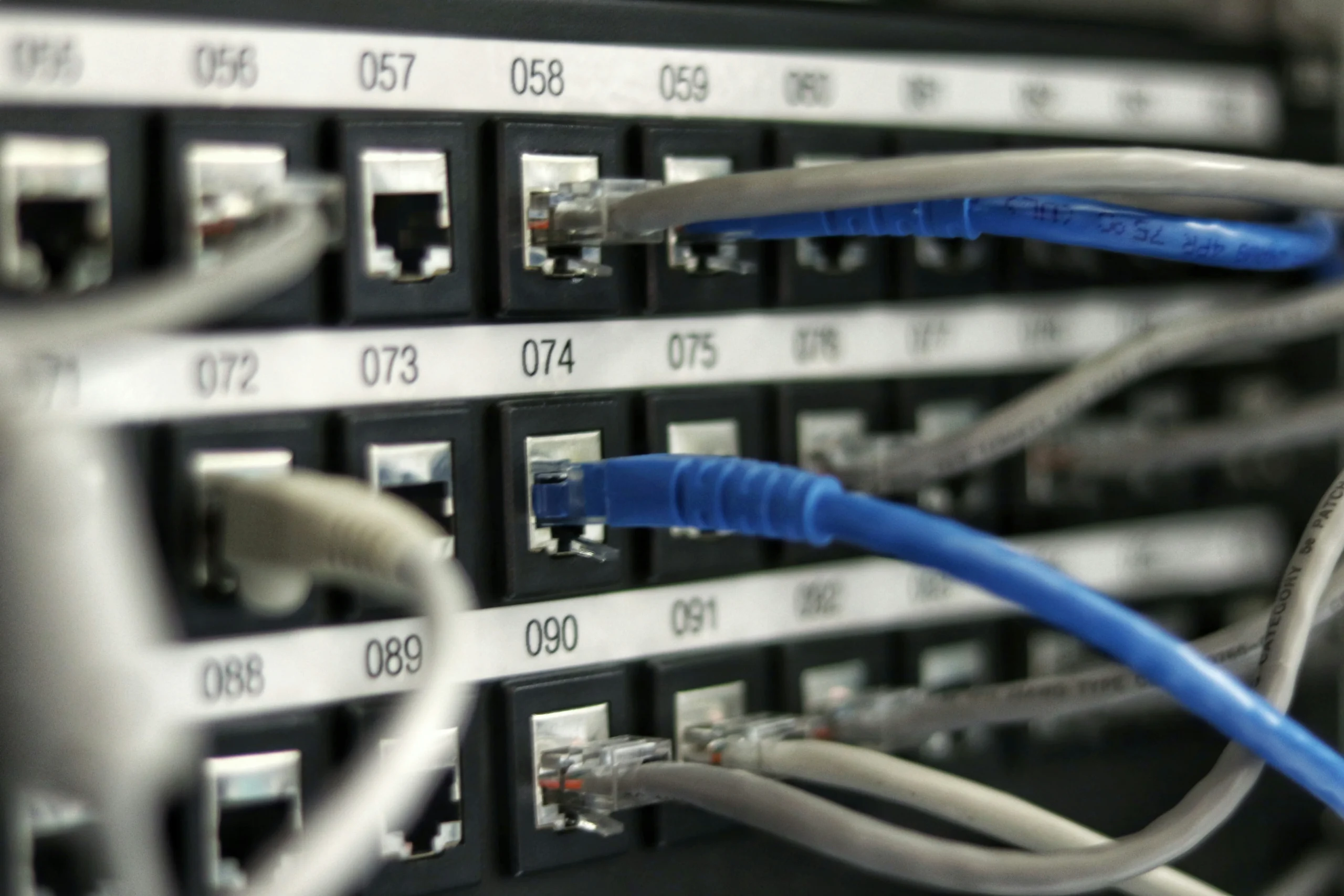
The Matter alliance resolved this issue by creating a universal application standard that runs seamlessly over existing Thread networks.
Learn more: How Thread 1.4 and Matter Updates Are Unifying Smart Home Networks
This structural separation means hardware manufacturers can focus on building quality physical products without worrying about ecosystem ecosystem lockdowns.
A single Border Router can safely forward data from different brands, cutting down on unnecessary digital clutter inside modern smart homes.
When should professional systems integrators implement specialized border routers within large estate properties?
Professional systems integrators must install dedicated Thread Border Routers whenever an automation project spans across separate concrete floors or large outdoor living areas.
These specialized bridging units link the low-power mesh grid to the high-bandwidth home network, allowing remote control outside the home.
Read more: Smart water leak detectors preventing costly home damage
To review global electronics manufacturing standards, wireless band allocations, and automated consumer security frameworks, consult the Institute of Electrical and Electronics Engineers (IEEE).
Placing multiple Border Routers across an estate establishes active hardware redundancy, ensuring the smart home remains online even if a main router loses power.
This extra layer of network resilience protects vital home defense systems, automated water shut-off valves, and environmental sensors.
Finalizing the Digital Architecture of Contemporary Residential Automation
Embracing modern internet-protocol mesh standards allows developers, property architects, and tech enthusiasts to construct future-proof properties that stand the test of time.
The elimination of central points of failure ensures that local automations continue to run smoothly even during unexpected internet outages.
Learn more: Matter compatible devices for multi-brand home setups
As more appliance manufacturers embed low-power radios directly into everyday household goods, smart homes will become increasingly invisible, responsive, and secure.
Investing in open, standardized mesh hardware today ensures a clean, reliable automation foundation for the innovations of tomorrow.
Frequently Asked Questions (FAQ)
Can an existing Wi-Fi router receive a software update to function as a Thread Border Router?
Yes, modern premium Wi-Fi routers and smart speakers containing built-in 802.15.4 radio chips can be upgraded via over-the-air firmware updates.
This allows manufacturers to activate native border routing capabilities without requiring consumers to purchase entirely new physical hardware.
How does a self-healing mesh grid respond when a critical routing node is suddenly unplugged?
The mesh grid recognizes the missing node within seconds, automatically recalculating data paths through alternative mains-powered routing units.
Endpoints re-route their signals to the closest active neighbor, preserving system uptime without requiring any manual intervention from the end user.
Is it possible for neighboring smart homes to accidentally interfere with each other’s Thread networks?
No, because each network uses unique cryptographic keys generated during the initial device commission phase to isolate its wireless traffic.
Even though neighboring networks may share the same radio frequencies, advanced channel-hopping techniques prevent data packet collisions and signal interference.
What happens to local home automations if the main residential internet connection goes down?
Local automations, such as motion-activated lighting or thermostat adjustments, continue to function normally because Thread handles routing inside the home without cloud dependencies.
Remote access and external push notifications will pause until the internet service provider restores connection to the home.
