Interactive alphabet projectors for preschool literacy practice
Integrating interactive alphabet projectors into early childhood classrooms creates dynamic learning environments where young children master letter recognition, phonemic awareness, and fine motor tracing skills through immersive visual feedback.
Early literacy educators constantly seek innovative instruction methods that capture short attention spans while establishing foundational reading concepts during critical developmental years.
Optical projection technologies bridge abstract letter shapes with physical movements, transforming flat classroom walls and tabletops into responsive, tactile learning surfaces for toddlers.
Examining how interactive projection systems support early childhood literacy guides administrators, teachers, and parents toward effective edtech investments for modern preschool facilities.
What are projected learning tools and how do they support early literacy?
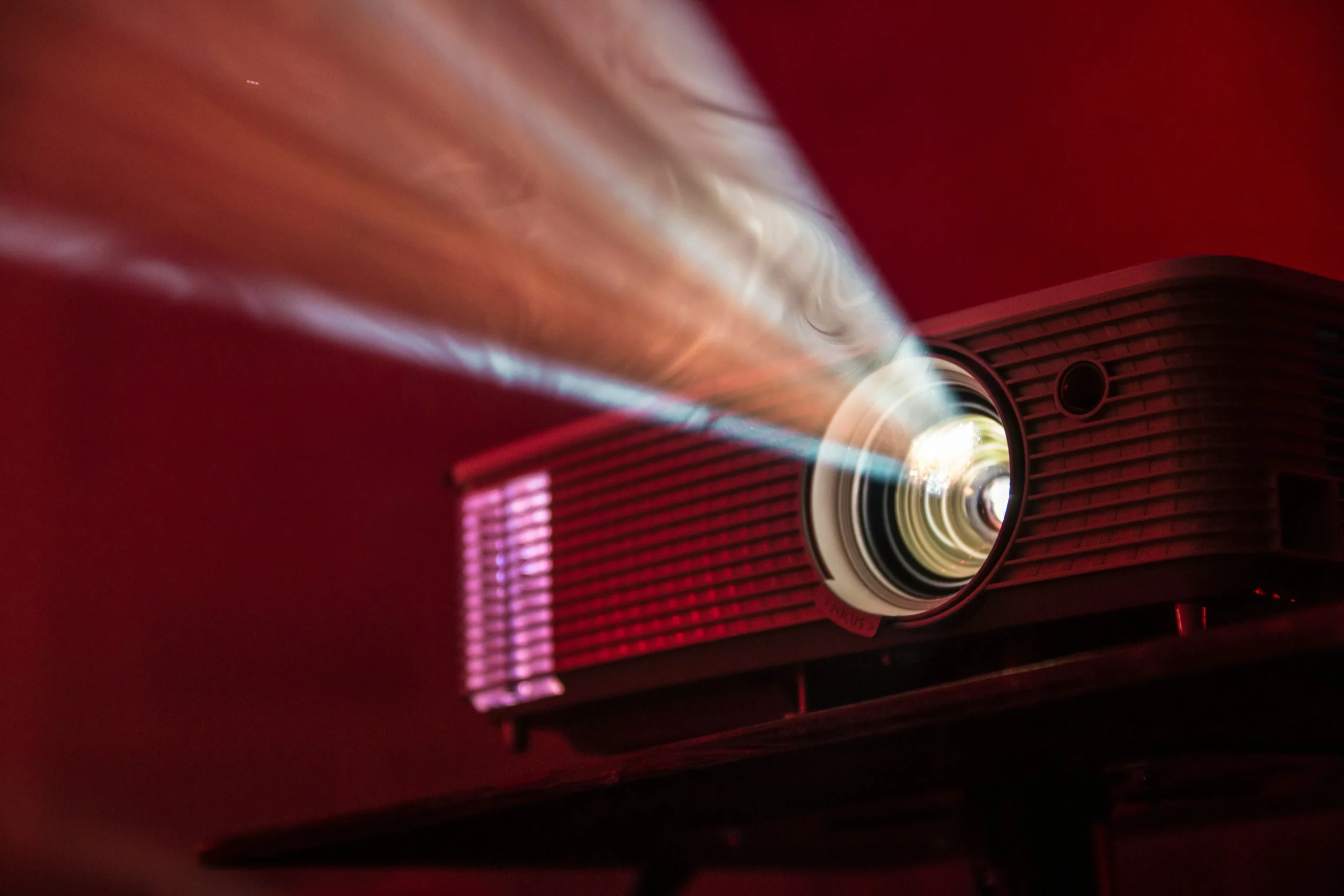
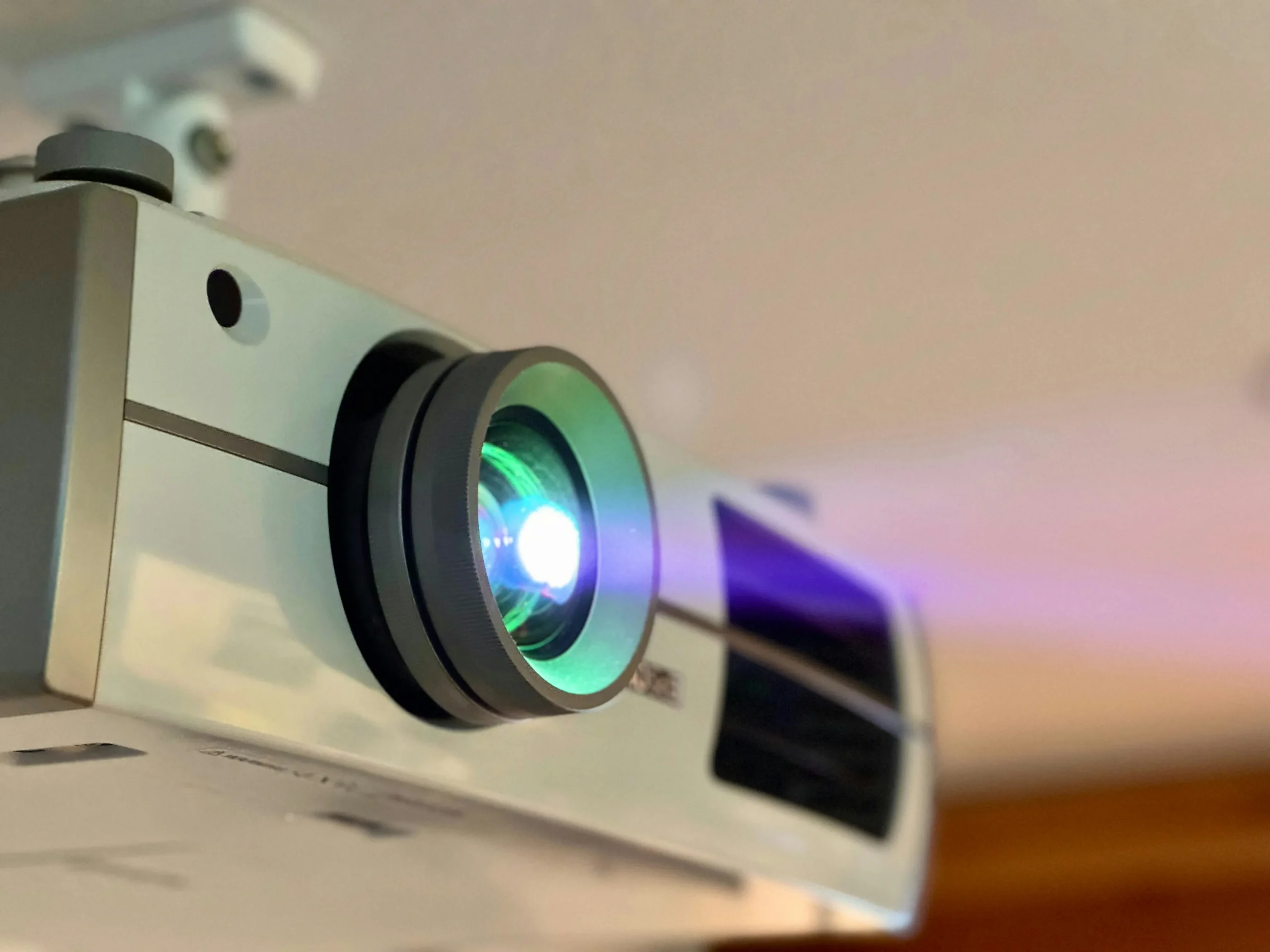
Interactive projection devices display vibrant educational content onto surfaces while using infrared sensors, cameras, or touch-sensitive stylus tools to track child interactions in real time.
Unlike traditional static flashcards, projected letter systems respond dynamically when children trace letter outlines, match uppercase with lowercase characters, or tap phoneme pictures.
Kinesthetic engagement accelerates cognitive development by pairing physical hand movements with auditory phonics cues, reinforcing memory retention through multi-sensory learning pathways during early practice.
Early childhood specialists emphasize that active physical participation during reading readiness activities strengthens spatial awareness while building confidence among diverse learning styles.
How do interactive projection displays enhance preschool phonics engagement?
Children engage deeply when letter tracing exercises transform into vibrant digital storytelling moments that react instantly to physical hand gestures or stylus touches.
Large projected visuals allow entire groups of preschoolers to collaborate simultaneously, promoting social communication, cooperative problem-solving, and shared vocabulary development during circle time routines.
Gamified learning prompts encourage repeat practice without causing mental fatigue, helping young learners conquer difficult letter formation paths through supportive, real-time visual encouragement.
Review official early learning literacy guidance published by the U.S. Department of Education to understand federal benchmark criteria for early childhood reading readiness frameworks.
Technical Specifications and Educational Value Framework
| Projection Technology Type | Native Resolution & Brightness | Interactivity Method | Ideal Classroom Setting | Key Developmental Benefit |
| Short-Throw Wall Projectors | 1080p / 3,500 Lumens | Dual Stylus & Finger Touch | Group circle area | Collaborative phonics matching and letter games |
| Tabletop Interactive Modules | 720p / 2,000 Lumens | Optical Camera Tracking | Small group learning centers | Fine motor tracing and tactile letter construction |
| Portable Smart Mini Projectors | 1080p / 800 Lumens | Wireless Motion Sensors | Flexible home or mobile care | Individualized letter sound exploration |
| Floor Projection Systems | WXGA / 4,000 Lumens | Infrared Floor Motion Tracking | Gross motor activity spaces | Active bodily letter hopscotch and sound sorting |
Why do educators prefer projected learning systems over standard tablets?
Group visibility represents a massive advantage, as projected displays eliminate screen crowding while encouraging shared learning experiences among multiple children simultaneously.
Learn more: Best 4K Projectors for Home Entertainment in 2025
Health-conscious educators appreciate that wall and table projections distribute light evenly across surfaces, reducing direct blue light eye strain commonly associated with handheld personal devices.
Physical space utilization improves dramatically because projection units mount overhead safely, keeping floor areas clear from cluttered cables or fragile handheld electronics.
Utilizing interactive alphabet projectors enables teachers to guide large group phonics lessons effectively while maintaining high visual engagement across varied classroom lighting conditions.
Which features matter most when selecting classroom projection hardware?
Display brightness remains paramount, as preschool classrooms require high lumen output to ensure clear, colorful letter visuals without dimming essential overhead lighting completely.
Robust surface calibration tools allow educators to set up interactive areas quickly across whiteboards, carpeted floors, or specialized activity tables without complex technical troubleshooting.
Read more: Mixed reality storytelling tools for preschool engagement
Built-in audio speakers with clear pitch rendering ensure children hear subtle phonetic pronunciations correctly during letter-sound association drills and interactive rhymes.
Evaluating software compatibility ensures chosen devices connect seamlessly with existing digital early childhood curricula and student progress tracking platforms without subscription friction.
When should teachers integrate interactive letter projection into daily routines?
Morning arrival routines provide an ideal window for short projected letter tracing warm-ups that prepare young minds for structured literacy instruction throughout the day.
Small group learning rotations benefit immensely from interactive center stations where students take turns forming letters while peers observe and offer constructive verbal encouragement.
Learn more: Interactive projection classrooms in preschool education
Transition periods between physical play and quiet reading time become smoother when projected movement games combine physical stretching with letter recognition challenges.
Explore curriculum accreditation resources from the National Association for the Education of Young Children (NAEYC) to align educational technology tools with developmental guidelines.
Frequently Asked Questions (FAQ)
What age group benefits most from projected alphabet tools?
Children aged three to six derive maximum developmental value, as this stage marks crucial milestones in letter recognition, phonics, and pre-writing motor control.
Can projected systems work on regular painted classroom walls?
Yes, modern optical sensors calibrate effectively on light-colored walls, flat tables, or specialized projection mats without requiring expensive proprietary smartboards.
How do projected alphabet activities support children with sensory needs?
Adjustable audio volumes, large bright visuals, and non-intrusive ambient light allow educators to tailor sensory inputs for children with neurodiverse learning profiles.
Are interactive projection systems difficult for teachers to calibrate?
Modern short-throw projectors feature auto-calibration software that aligns touch-tracking sensors within seconds, minimizing instructional downtime during busy school days.
Deploying interactive alphabet projectors transforms early literacy instruction into a captivating, multi-sensory journey that prepares preschoolers for future academic success. Thoughtful implementation of responsive educational technology fosters joyful learning habits while establishing resilient reading foundations for every young student.
