
Connected heat pump controls for efficient home automation
Utilizing Connected heat pump controls within modern smart home automation systems transforms basic climate management into a highly efficient, data-driven energy ecosystem.
Electrifying residential heating demands precise operational schedules, weather forecasts, and dynamic grid pricing integration to keep operational utility costs low.
Homeowners frequently struggle with static thermostats that fail to adapt to variable ambient temperatures, causing heat pumps to draw excessive grid power during peak energy cycles.
Smart thermostats, automated gateways, and unified communication protocols resolve these inefficiencies by constantly tuning compressor frequencies and indoor temperature setpoints.
What is a connected heat pump control system?
A connected climate control framework links heating hardware to internet-enabled software through central automation hubs, wireless sensors, and dedicated cloud or local application interfaces.
Traditional thermostats only trigger basic on-off relays, whereas intelligent HVAC controllers alter system parameters based on real-time operational feedback, humidity levels, and zone occupancy.
Modern units communicate using robust local networking protocols such as Wi-Fi, Zigbee, or Matter, ensuring rapid command execution and secure data transfers between sensors and compressors.
Decoupling heating management from manual wall switches gives occupants total control over thermal comfort, energy budgets, and system diagnostics directly through unified mobile applications.
How do automated controls optimize heat pump energy consumption?
Advanced automation algorithms analyze daily weather predictions to pre-heat or pre-cool living spaces before extreme ambient temperature shifts occur, minimizing compressor strain.
Integrating variable-capacity inverter heat pumps with modulated smart thermostats allows the system to run continuously at lower power stages rather than cycling inefficiently at full capacity.
Geofencing features track family smartphone locations, lowering indoor temperatures automatically when rooms remain vacant and restoring ideal thermal settings right before residents arrive back home.
Employing Connected heat pump controls continuously trims unnecessary electrical consumption, ensuring home heating equipment operates exclusively when needed without sacrificing personal indoor comfort.
System Comparison: Standard Controls vs. Connected Smart Automation
| Feature Category | Traditional Manual Thermostat | Advanced Connected HVAC Controller | Operational Smart Home Impact |
| Primary Interface | Fixed Mechanical Wall Dial | Mobile App, Voice, & Local Hub | Controls climate from anywhere worldwide |
| Grid Load Adjustment | Unaware of Dynamic Electricity Rates | Shifts Heating to Off-Peak Hours | Lowers hourly power expenses automatically |
| Solar PV Syncing | Independent Operation | Direct Inverter Power Integration | Heats water using excess solar generation |
| Data Interoperability | Isolated Closed Circuit | Open Matter / Thread Ecosystems | Unifies heat pumps with broader smart home setups |
| Average Savings | Baseline Standard Cost | 10% to 25% Energy Reduction | Accelerates financial equipment payback periods |
Why should you integrate solar panels with smart heat pumps?

Coupling rooftop solar PV installations with intelligent heating controllers directs surplus clean electricity straight into thermal storage tanks or underfloor heating slabs.
Learn more: Automating Heating & Cooling Based on Occupancy Sensors + Micro-Location Data
Automation gateways detect excess solar production, signaling heat pumps to elevate water temperatures during peak midday sunlight hours before exporting power back to the grid.
Storing self-generated green energy as thermal reserves significantly reduces the need to draw expensive grid electricity during evening hours when solar generation stops completely.
Consult smart building standards and residential energy efficiency guides provided by the U.S. Department of Energy (DOE) to evaluate baseline equipment performance ratings.
Which communication protocols deliver the best automation reliability?
Local wireless mesh standards like Thread and Zigbee offer low-latency connectivity between room sensors, radiator valves, and central heat pump interfaces without clogging Wi-Fi bandwidth.
The open-source Matter standard standardizes device communication, permitting heat pump controllers to interact natively across Apple Home, Google Home, Amazon Alexa, and Home Assistant platforms.
Read more: How to Build a Budget-Friendly Home Theater System
Hardwired Modbus or KNX connections remain ideal for complex hydronic heat pumps, ensuring rock-solid data transmission between main circuit boards and home automation servers.
Building your infrastructure around Connected heat pump controls guarantees future-proof compatibility, simplified software updates, and reliable local operation even during temporary internet service provider outages.
When is the ideal time to upgrade your climate controls?
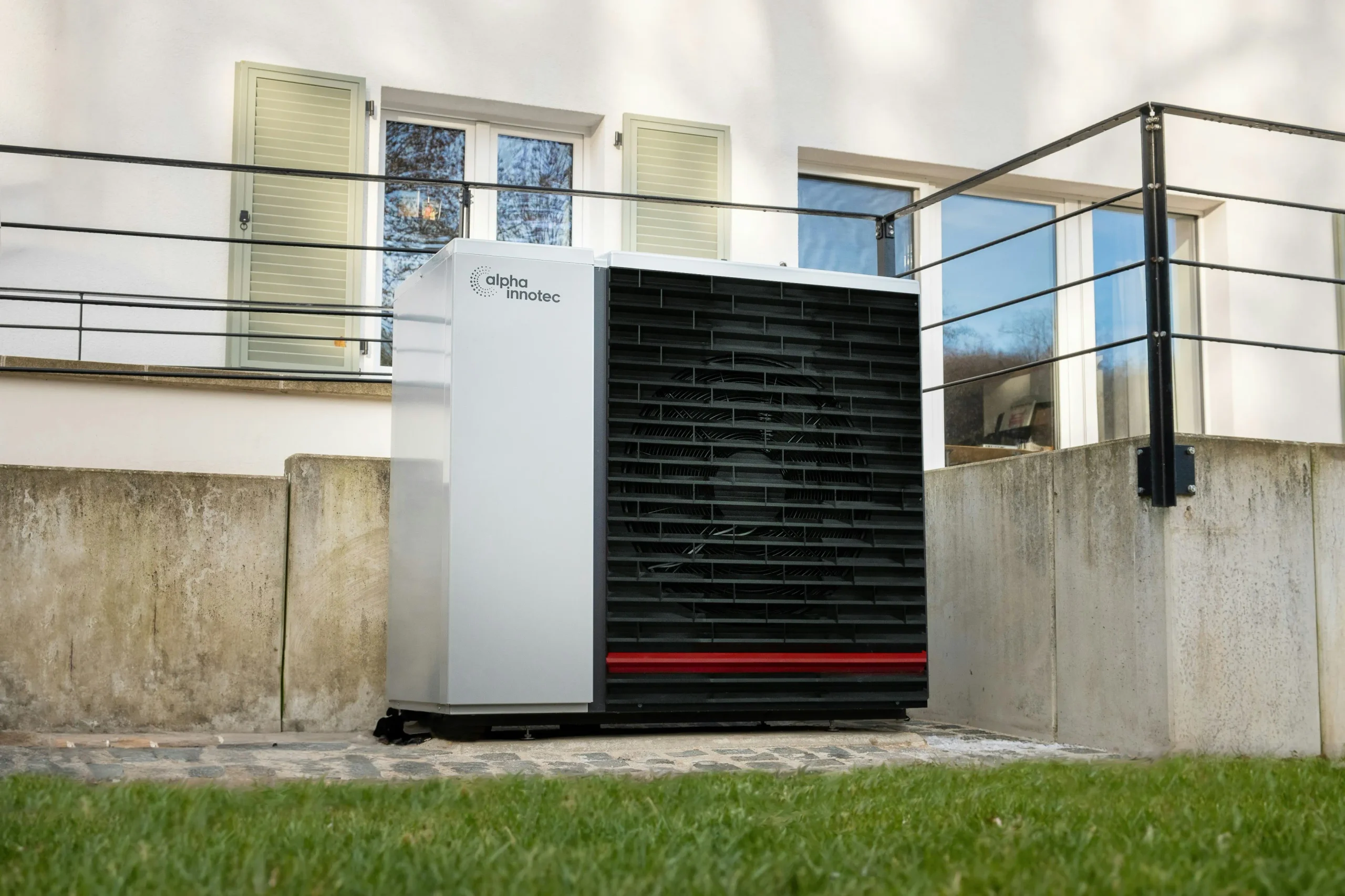
Replacing legacy thermostats becomes highly cost-effective during scheduled HVAC maintenance, retrofitting existing air handlers, or completing whole-home energy decarbonization upgrades.
Property owners transitioning to time-of-use electrical tariffs gain immediate financial advantages by deploying automated controllers capable of shifting energy loads to cheaper off-peak hours.
Learn more: How Smart Home Ecosystems Are Becoming Simpler
Upgrading controls alongside smart thermostatic radiator valves (TRVs) enables precise multi-zone temperature customization, stopping heating delivery to unused guest rooms or secondary storage spaces.
Review global renewable energy transition roadmaps and residential heating policy frameworks curated by the International Energy Agency (IEA) to track smart grid technology developments.
Frequently Asked Questions (FAQ)
Can I install connected controls on an older heat pump system?
Yes, many third-party smart thermostats and universal relay modules adapt older heat pumps to modern Wi-Fi networks and smart home automation platforms effortlessly.
How do smart controls help lower monthly electricity bills?
Smart controllers optimize runtime using weather forecasts, geofencing, and variable-speed modulation, avoiding high-tariff energy windows while eliminating wasteful heating cycles.
Do connected heat pumps require an active internet connection to work?
While cloud features like remote app access require internet, local automation protocols like Matter or Zigbee continue executing schedule commands locally during network outages.
Is multi-zone heating control possible with smart heat pump systems?
Yes, pairing smart thermostats with connected thermostatic radiator valves or motorized zone dampers allows independent temperature management across individual rooms throughout your home.
Deploying Connected heat pump controls bridges the gap between raw HVAC heating capacity and intelligent home automation performance. Combining real-time environmental data, solar energy synchronization, and adaptive scheduling allows homeowners to enjoy continuous thermal comfort while drastically minimizing household carbon emissions and utility costs.
