
Smart Home Features That Will Become Standard
Investing in modern residential technology means recognizing smart home features that will become standard across residential construction and renovation projects over the coming decade.
Intelligent energy controls, universal connectivity protocols, automated leak prevention, and predictive HVAC management are transitioning from premium luxury add-ons into fundamental expectations for property buyers everywhere.
What makes universal connectivity protocols essential for future modern residences?
Frustrating app fragmentation previously hindered connected household adoption because disparate wireless standards prevented smart lock platforms from interacting cleanly with third-party security panels or lighting bridges.
Adopting open IP-based interoperability frameworks allows appliances, sensors, and hubs from competing brands to communicate directly over local Wi-Fi and Thread mesh networking layers seamlessly.
Building codes and buyer preferences increasingly prioritize interoperable smart home features that will become standard in new suburban developments to safeguard long-term real estate value.
Eliminating reliance on proprietary cloud servers ensures critical home routines continue executing reliably even during temporary neighborhood internet outages or manufacturer server migrations.
How do automated energy management tools lower monthly utility expenses?
Rising power rates compel property developers to incorporate automated load-shifting systems that intelligently adjust electricity consumption based on dynamic grid pricing signals from local power companies.
Dynamic smart circuit panels monitor branch power draws constantly, automatically throttling non-essential vehicle charging during peak demand windows while maintaining primary household battery storage reserves intact.
The empirical comparison table below outlines technical specifications, energy impact ratings, and baseline deployment status for critical automated systems gaining widespread market adoption in 2026:
| Connected Feature / System | Core Infrastructure Standard | Primary Performance Benefit | Baseline Market Status |
| Universal Interoperability | Matter over Thread / Wi-Fi | Cross-brand automation without hubs | Universal Builder Standard |
| Automated Water Shutoff | Ultrasonic flow sensors & motor valves | Instant leak isolation & damage prevention | Plumbing Code Integration |
| Load-Shifting Energy Panels | Dynamic circuit control & API link | 15% to 30% peak utility cost reduction | Utility Incentive Package |
| Predictive HVAC Climate | Occupancy AI & air quality sensors | Optimized filter life & thermal comfort | Energy Star SHEMS Benchmark |
Examining these technical deployment criteria reveals how integrated automation transforms passive residential infrastructure into active, cost-saving operational assets for environmentally conscious homeowners.
Selecting houses equipped with energy-aware smart home features that will become standard protects buyers against escalating utility bills and mandatory municipal carbon compliance penalties down the line.
Why are automated water leak detection and shutoff valves becoming mandatory?
Water damage represents the leading cause of non-weather residential property loss, costing insurance carriers billions annually in preventable structural repairs and mold remediation claims nationwide.
Ultrasonic main line flow meters detect micro-fissures instantly by measuring minute pressure drops, triggering automatic motorized shutoff valves before burst pipes flood subflooring or cabinetry.
To explore open protocol specifications, smart device compliance testing, and global interoperability certification standards, visit the official portal of the Connectivity Standards Alliance.
Installing leak-preventing smart home features that will become standard frequently qualifies homeowners for substantial premium discounts from major property insurance companies seeking to minimize claim risks.
Insurance providers increasingly require these mitigation devices in high-density multi-family structures to avoid catastrophic water intrusion that affects multiple adjacent housing units simultaneously.
Which climate and indoor air quality controls deliver true predictive comfort?
Legacy thermostats adjusted temperatures reactively based on simple room sensor thresholds, ignoring fluctuating ambient humidity levels, outdoor solar heat gain, and local weather forecasts.
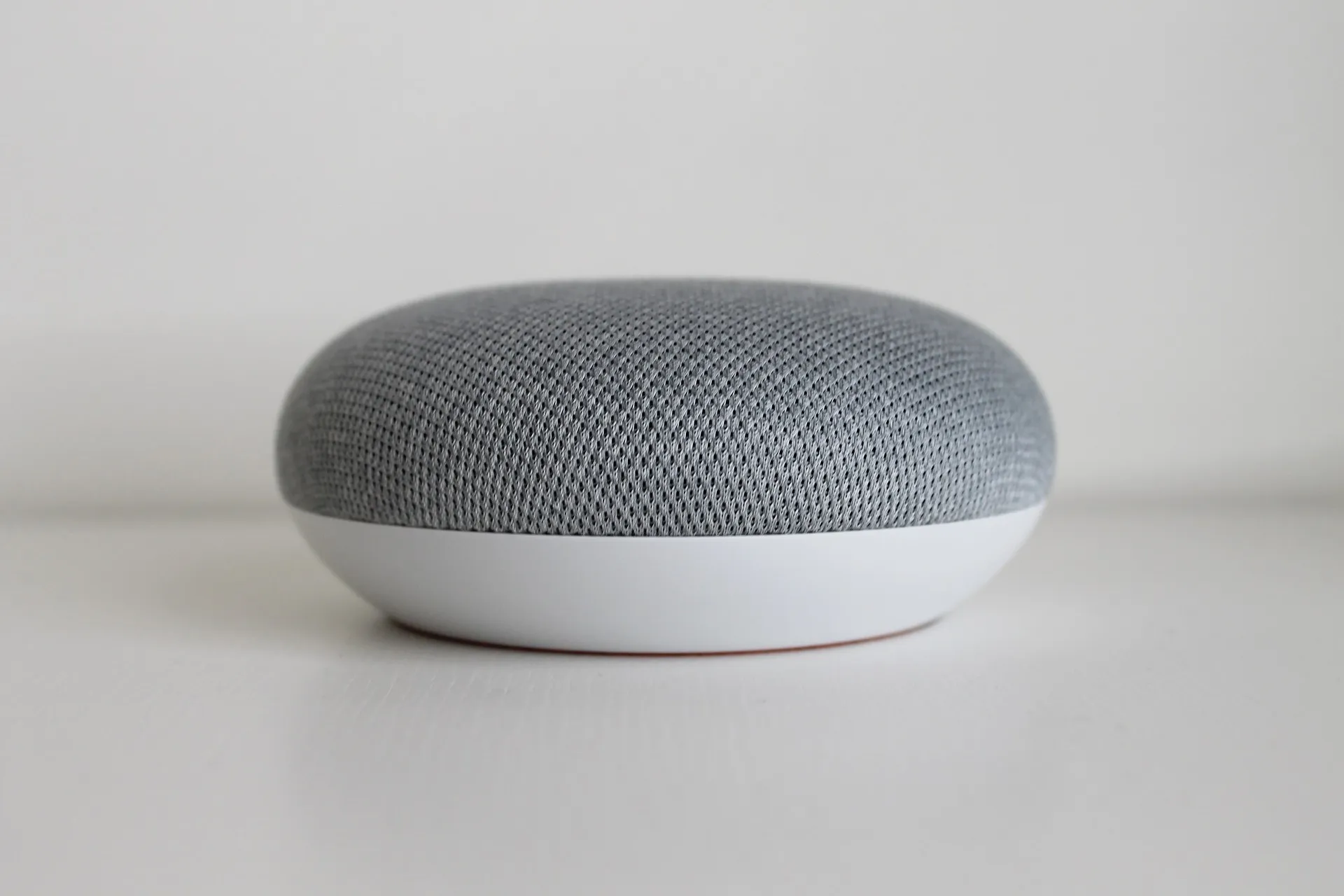
Predictive climate controllers analyze thermal retention curves alongside real-time occupancy data, precooling spaces during low-cost morning hours while maintaining indoor air fresh and filtered.
Learn more: Residential microgrid systems for connected smart homes
Integrated air purifiers respond dynamically to elevated volatile organic compound readings or outdoor particulate spikes by increasing fresh air ventilation exchange automatically.
Prioritizing health-focused smart home features that will become standard creates cleaner interior environments, mitigating indoor allergen accumulation and seasonal respiratory distress for sensitive occupants.
How can homeowners prepare existing properties for seamless technological upgrades?
Retrofitting aging electrical wiring with neutral wires at every switch junction provides the foundational stability required for modern digital dimmer modules and relay switches.
Running dedicated Ethernet cabling or mesh access point backhauls ensures high-speed data delivery across structural barriers, supporting bandwidth-heavy security camera streams effortlessly.
Read more: How AI Is Transforming Smart Home Automation
Evaluating existing utility connections before adopting smart home features that will become standard prevents costly retrofitting delays during future green energy or EV charging upgrades.
For reviewing residential energy management benchmarks, smart device efficiency ratings, and certified home energy system guidelines, explore the official portal for ENERGY STAR Smart Home Energy Management Systems.
Embracing the connected residential standard for future property value
Modernizing living spaces through connected infrastructure transforms home management from manual maintenance into a streamlined, automated experience designed for health, safety, and energy savings.
Securing these smart home features that will become standard ensures your residence remains competitive, sustainable, and highly functional in an increasingly automated real estate marketplace.
Learn more: Connected HVAC zoning systems for personalized comfort
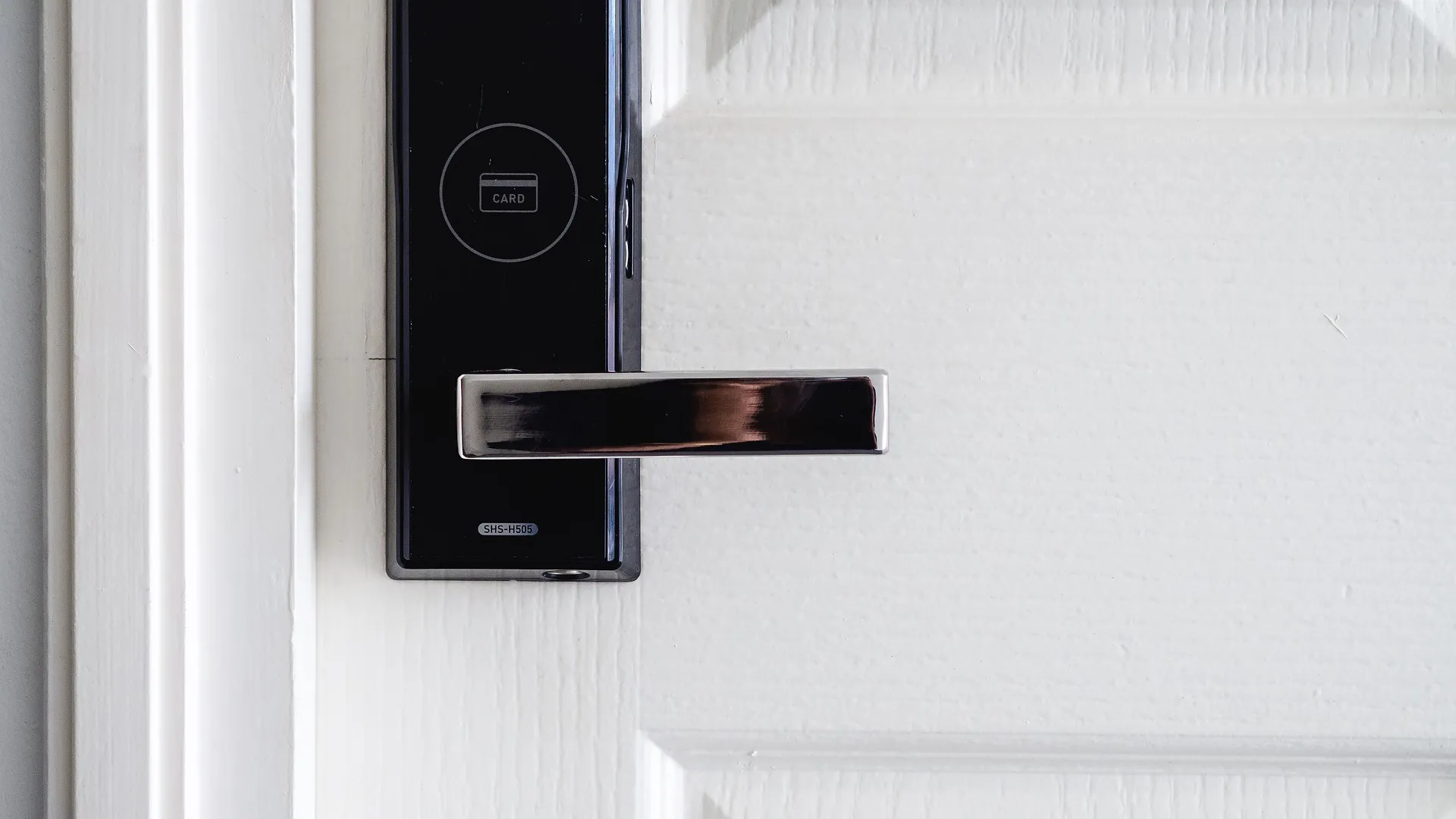
Audit your current household technology, prioritize high-impact energy and safety devices, and upgrade your living environment with future-proof automation solutions starting today.
FAQ (Frequently Asked Questions)
Which smart home features offer the highest return on investment for sellers?
Smart thermostats, leak detection shutoff systems, and unified smart lighting bridges yield the highest ROI by immediately reducing operating costs and lowering buyer insurance premiums.
Do standardized smart home features require paid monthly cloud subscriptions?
No. Modern interoperability standards prioritize local device communication, allowing routines, sensors, and basic automation schedules to function completely free of recurring subscription fees.
How do Thread mesh networks differ from traditional Wi-Fi smart home setups?
Thread creates a low-power, self-healing mesh network specifically for smart sensors and locks, preventing Wi-Fi router congestion while maintaining instant device response times.
Are smart water shutoff valves difficult to retrofit into older plumbing systems?
Plumbing retrofits are straightforward. Professional plumbers can install main line smart valves in under two hours, while surface-mounted smart valve actuators require no pipe cutting at all.
