
Bluetooth classroom microphones improving child engagement
Deploying Bluetooth classroom microphones elevates speech clarity across early childhood learning spaces, ensuring every student hears instruction clearly regardless of ambient background noise or seating location.
Modern educational environments present unique acoustic challenges where ambient chatter, heating systems, and external distractions strain young ears, leading to reduced attention spans and fatigue.
What acoustic challenges do young learners face in modern classrooms?
Children process spoken language less efficiently than adults, requiring higher signal-to-noise ratios to decipher consonant sounds, subtle inflections, and key instructional vocabulary accurately during lessons.
Hard surface materials like tile floors, large glass windows, and concrete walls bounce sound waves around rooms, creating reverberation that muffles spoken teacher directions.
Implementing Bluetooth classroom microphones solves acoustic dead zones, distributing clear audio evenly across physical spaces so students in back rows receive identical sound pressure levels.
Equalizing sound volume prevents auditory fatigue, helping young learners stay focused on tasks longer while reducing behavioral disruptions caused by missed or misunderstood oral instructions.
How do wireless audio systems improve student participation and lesson comprehension?
When instructors wear lightweight wireless transmitters, their voices project comfortably across learning centers without needing to elevate pitch, strain vocal cords, or shout commands.
Pass-around handheld transmitters empower students to share answers, read stories aloud, and collaborate on group activities, encouraging quieter peers to speak up with confidence.
The data table below illustrates acoustic and operational metrics comparing unamplified classroom environments with spaces utilizing modern wireless sound field reinforcement systems:
| Acoustic & Learning Metric | Unamplified Standard Room | Amplified Wireless Sound Field |
| Speech Intelligibility Index | Drops by ~30% in back rows | Remains uniform across room |
| Teacher Vocal Strain Incidents | High frequency reported annually | Reduced significantly by ~80% |
| Student Attention Span Duration | Shorter due to listening effort | Sustained longer during lessons |
| Ambient Noise Interference | Often masks subtle consonants | Overcome by direct voice signal |
Reviewing these real acoustic parameters demonstrates why school districts invest in wireless sound field technology to support inclusive learning and early speech comprehension.
Why is wireless sound reinforcement critical for inclusive early childhood education?
Students with mild hearing loss, auditory processing differences, or English language learning backgrounds require crisp vocal reproduction to grasp complex phonics concepts effectively during early reading instruction.
Clear vocal projection allows children to hear subtle phonetic distinctions, accelerating vocabulary acquisition and boosting overall reading comprehension scores during foundational development years.
To review educational research, accessibility guidelines, and technology integration standards for early learning, visit the official portal of the U.S. Department of Education (ED).
Integrating Bluetooth classroom microphones fosters an inclusive learning atmosphere, giving every child equal access to instruction regardless of physical positioning or auditory sensitivity.
Wireless flexibility allows educators to move freely around activity centers, maintaining constant audio connectivity with the main speaker system without tripping over restrictive cords.
Which technical features should schools evaluate when selecting wireless microphone systems?
School administrators must assess transmission range, battery longevity, latency performance, and frequency management to avoid interference from nearby wireless networks or adjacent classrooms.
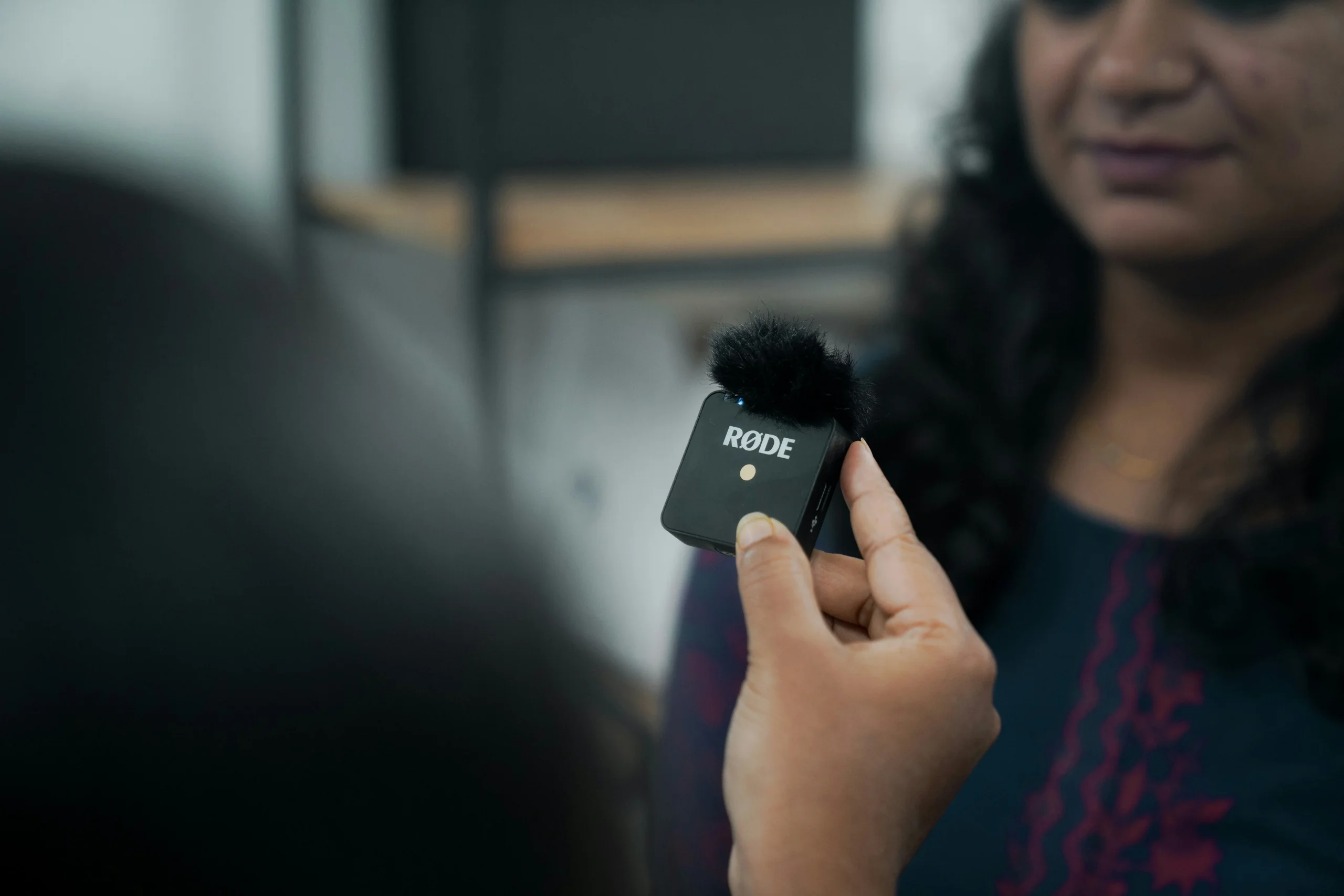
Zero-latency digital audio streaming prevents distracting echoes, ensuring that synthesized amplified sound matches the natural lip movements of the instructor seamlessly during face-to-face conversations.
Learn more: Thread network devices and next-generation connectivity
Durable, drop-resistant enclosures protect hardware during daily student handling, while intuitive single-button controls simplify operation for teachers who want hassle-free tech integration.
Rechargeable docking stations ensure transmitters remain powered throughout full school days, eliminating the ongoing expense and environmental waste associated with disposable battery replacements.
Where can educators access official guidelines for classroom acoustic standards?
Federal agencies and national architectural societies publish precise design standards detailing acceptable ambient noise limits and reverberation times for modern educational facility construction.
Following established acoustic guidelines helps school boards design learning spaces that maximize the performance benefits delivered by advanced wireless audio reinforcement systems.
Read more: How AI Is Transforming Smart Home Automation
To explore technical engineering standards, architectural acoustic guidelines, and public policy frameworks, consult the digital repository of the National Institute of Standards and Technology (NIST).
Leveraging Bluetooth classroom microphones aligns physical teaching environments with modern accessibility goals, ensuring no child misses crucial instructions due to poor room acoustics.
Investing in high-quality sound distribution equipment protects teacher health while creating dynamic, engaging, and supportive learning environments for future generations.
Amplifying success in early childhood learning environments
Optimizing classroom acoustics transforms daily instructional dynamics, helping young children listen attentively, absorb complex concepts, and build strong foundational communication skills.
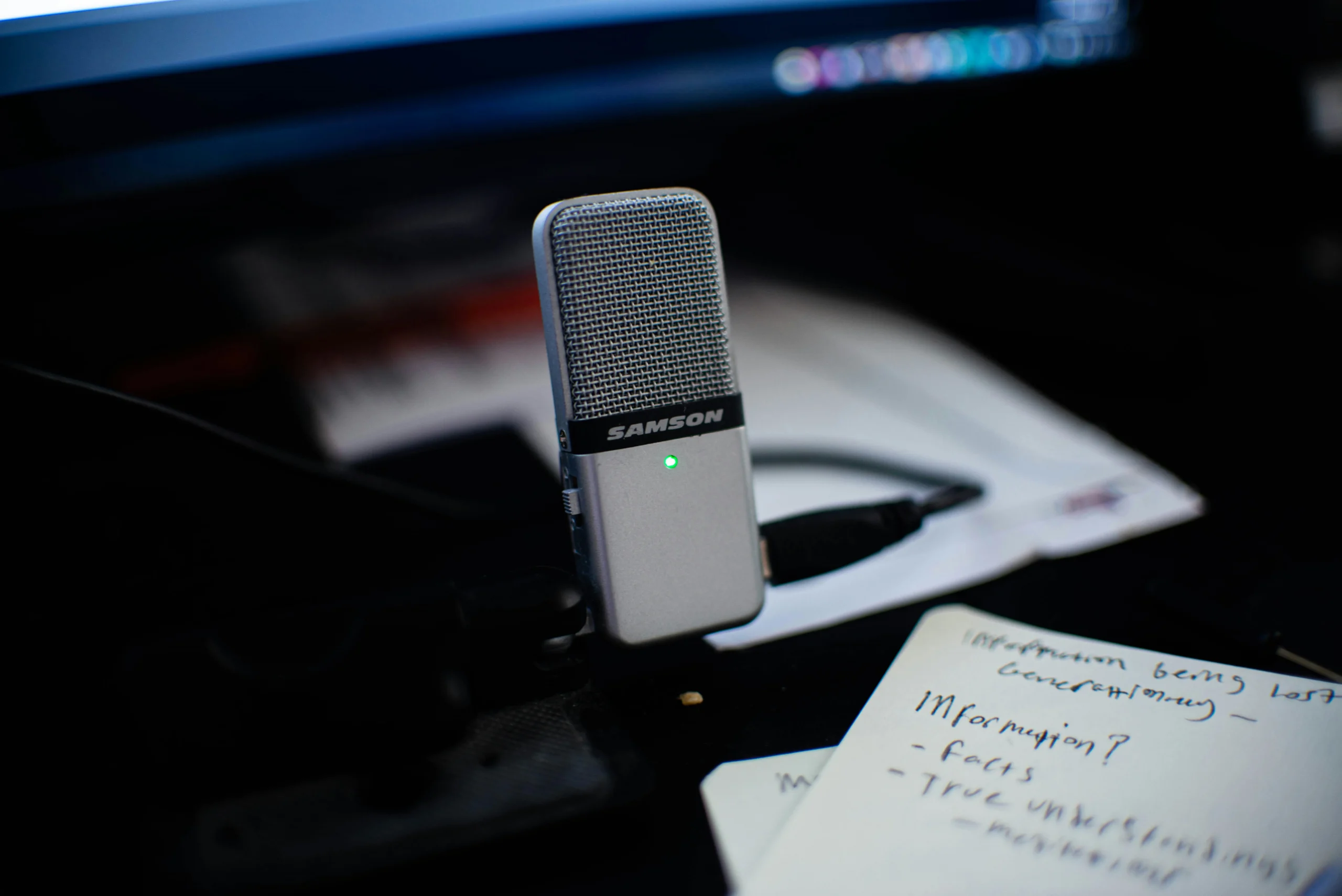
Utilizing Bluetooth classroom microphones bridges acoustic gaps, reduces teacher vocal burnout, and ensures every learner participates fully in daily educational activities.
Learn more: Educational listening centers for preschool literacy skills
Upgrade your classroom audio infrastructure today, empower your students to speak with confidence, and experience the immediate benefits of clear, immersive sound reinforcement.
FAQ (Frequently Asked Questions)
Do wireless classroom microphones interfere with school Wi-Fi networks?
No. Modern educational systems utilize dedicated digital transmission bands like DECT or frequency-hopping 2.4 GHz channels designed specifically to coexist with standard Wi-Fi setups.
How long do the transmitter batteries last during active teaching days?
Most commercial educational transmitters provide between eight and twelve hours of continuous operation on a single charge, easily lasting through a complete school day.
Can multiple microphone systems operate in adjacent classrooms without signal cross-talk?
Yes. Advanced systems feature automatic channel pairing and frequency management, allowing dozens of classrooms to operate side-by-side without experiencing signal bleed or audio interference.
Are these sound systems difficult for teachers to set up every morning?
Not at all. Most modern systems feature tap-to-pair technology, turning on automatically when removed from charging cradles so teachers can start instruction immediately.
