
What Is Matter and Why Does It Matter for Smart Homes?
Understanding what is matter in modern home automation reveals an open-source connectivity standard unifying smart home ecosystems across major tech platforms.
For years, home automation suffered from fragmented ecosystems, forcing homeowners to choose between isolated platforms like Apple Home, Google Home, Amazon Alexa, or Samsung SmartThings.
This universal connectivity protocol eliminates walled gardens, allowing smart bulbs, security sensors, locks, and thermostats to communicate seamlessly across local networks without proprietary bridge hardware.
Adopting this open industry standard simplifies setup routines, enhances operational reliability, and ensures long-term hardware compatibility across diverse smart home manufacturers worldwide.
What is the connectivity standard revolutionizing smart home interoperability?
Developed by the Connectivity Standards Alliance, this IP-based protocol enables connected devices to communicate directly across Wi-Fi, Ethernet, and Thread mesh network layers.
By establishing a universal language for Internet of Things hardware, connected appliances operate seamlessly regardless of which brand manufactured the individual physical device.
Local network processing eliminates dependence on external cloud servers for basic actions, ensuring smart lights and sensors respond instantly to user commands without latency.
Learning what is matter helps consumers make informed purchasing decisions, selecting smart products that guarantee cross-platform functionality without complex software workarounds or custom integrations.
How does local control improve smart home security and operational reliability?
Traditional smart home devices rely heavily on vendor cloud servers to execute basic automation routines, exposing systems to internet outages and external cybersecurity vulnerabilities.
In contrast, unified connectivity protocols prioritize local network communication, processing device interactions directly within the home router environment without routing data externally.
If an internet service connection fails, local automations, motion sensors, and smart light switches continue operating seamlessly without experiencing downtime or missing critical triggers.
Enhanced end-to-end encryption standards protect device pairing routines, preventing unauthorized access while safeguarding user privacy across all interconnected domestic devices and platforms.
Key Technical Features and Architecture Standards
| Architectural Layer | Technical Specification | Practical Homeowner Benefit | Primary Network Function |
| Network Transport | Thread, Wi-Fi, and Ethernet | Low latency and high reliability | Transmits device data across local networks |
| Commissioning Layer | Bluetooth Low Energy (BLE) | Quick setup via mobile phones | Simplifies initial device onboarding routines |
| Security Architecture | AES-128 Encryption & PKI | Protection against cyber threats | Secures local device-to-device communications |
| Control Model | Multi-Admin Architecture | Simultaneous platform control | Enables control via Apple, Google, and Alexa |
Why does multi-admin capability transform how families share smart home control?
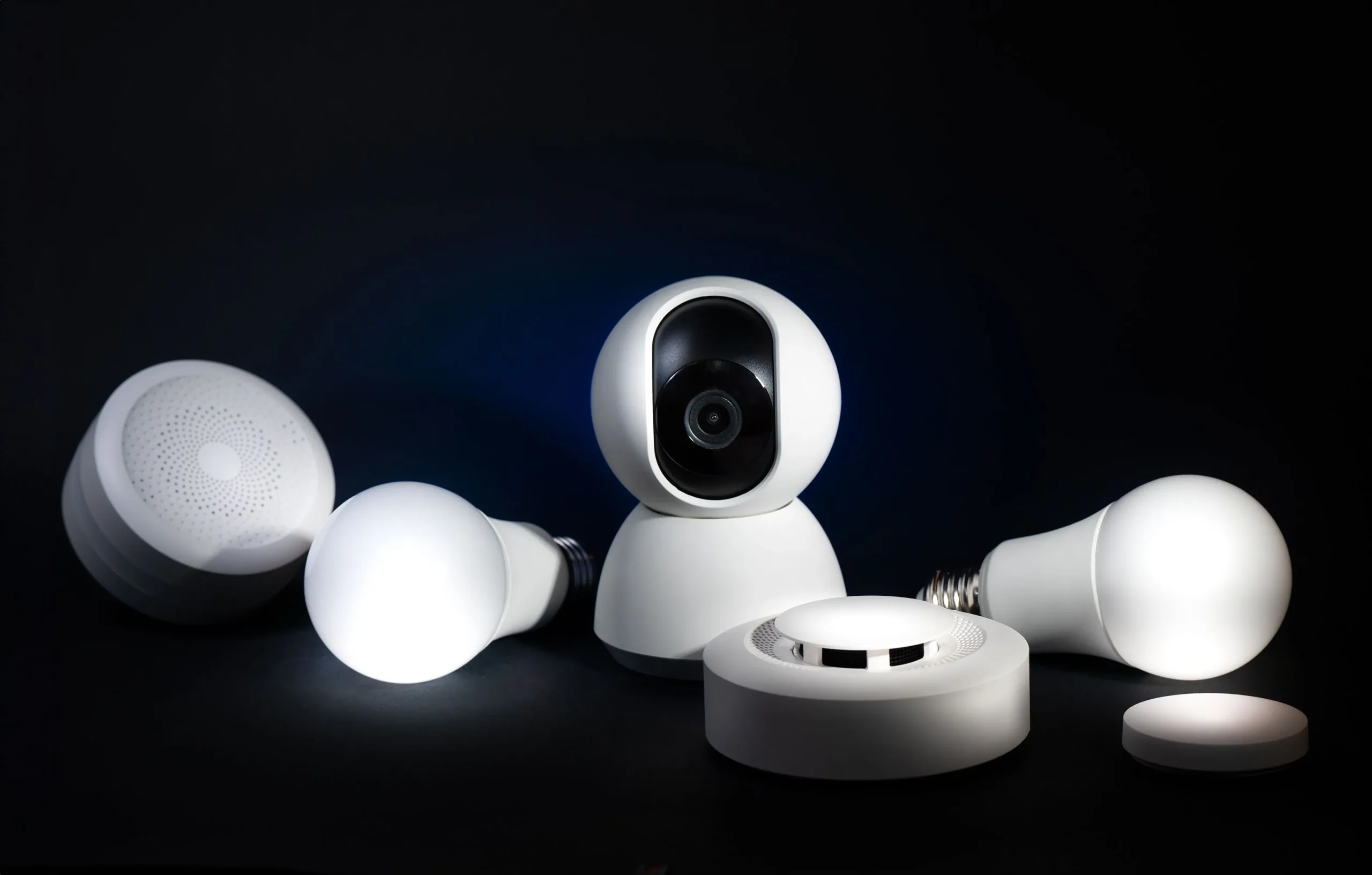
Multi-admin architecture allows connected hardware to pair with multiple ecosystem controllers simultaneously without disconnecting existing configurations or requiring factory resets.
Learn more: Smart garage door controllers with Matter compatibility
One family member can control living room lighting using an iPhone through Apple Home, while another manages identical fixtures using Google Nest smart displays.
This flexibility removes ecosystem lock-in, enabling households to upgrade voice assistants or smartphone platforms without replacing existing smart switches, plugs, or sensors.
Review official wireless networking standards and open-source connectivity specifications maintained by the Connectivity Standards Alliance (CSA) to explore certified hardware compliance.
Which smart home device categories support universal connectivity protocols today?
Initial protocol deployments covered essential smart home categories, including lighting fixtures, smart plugs, door locks, thermostats, blinds, and media players.
Subsequent updates expanded support to major home appliances, robot vacuum cleaners, energy management monitors, refrigerators, air purifiers, and environmental sensors.
Read more: Matter-Compatible Devices Explained for Beginners
Hardware manufacturers regularly issue over-the-air firmware updates to retrofit existing devices with universal compatibility, extending product lifespans and reducing electronic waste.
Understanding what is matter ensures future-proof technology investments, helping homeowners build scalable, reliable smart home networks that adapt to evolving technical standards.
When will legacy smart home hubs become completely obsolete?
Legacy proprietary hubs using older protocols will not vanish overnight, as multi-protocol border routers bridge existing Zigbee and Z-Wave networks into unified systems.
Learn more: Matter-Compatible Devices Explained for Beginners
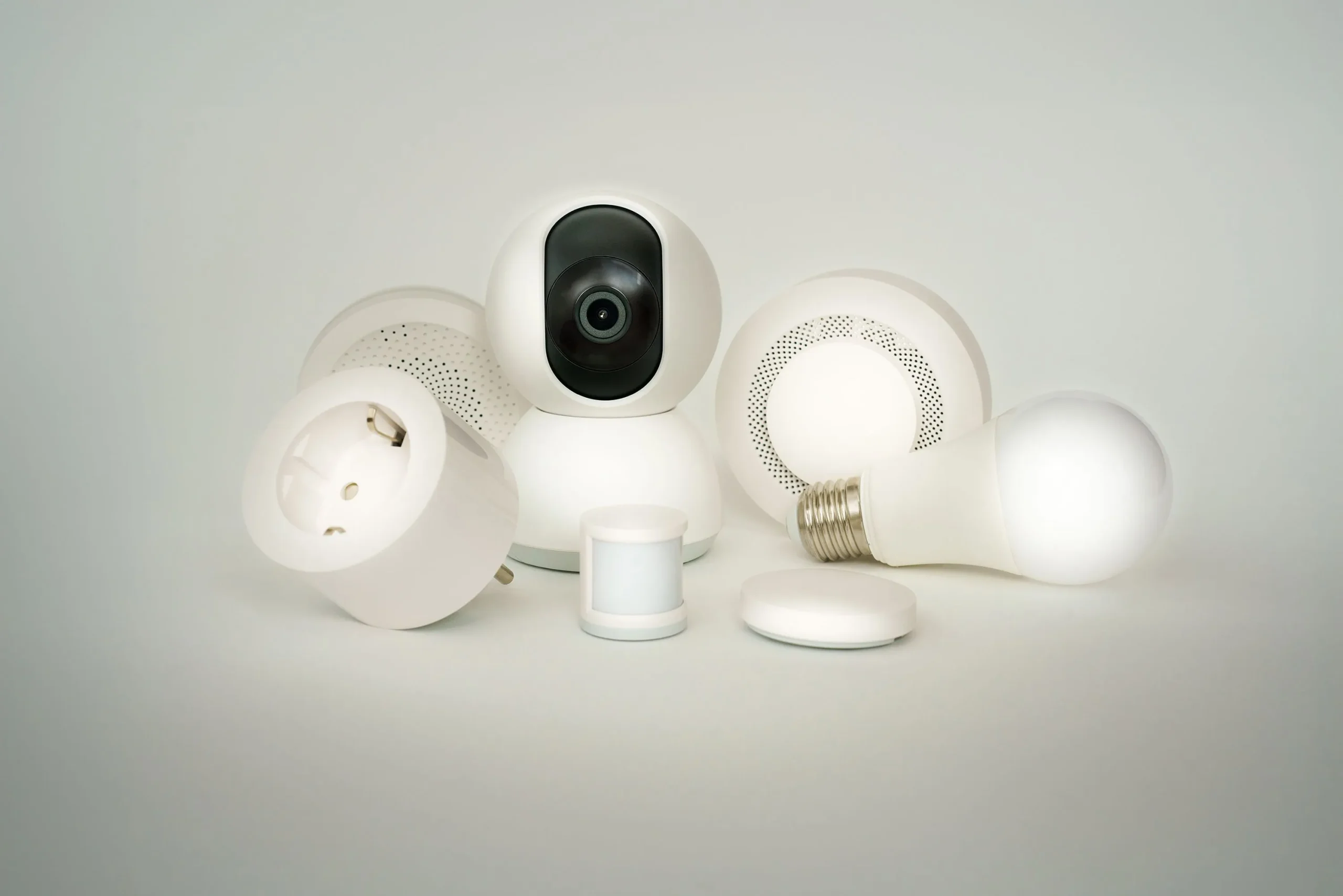
Modern smart hubs incorporate Thread border router capabilities alongside traditional wireless radios, ensuring backward compatibility while expanding modern mesh network coverage across homes.
As manufacturers transition entirely toward native universal protocol support, dedicated single-brand bridge devices will gradually fade from store shelves and residential installations.
Explore comprehensive Internet of Things technical standards and wireless communication guidelines published by the Institute of Electrical and Electronics Engineers (IEEE) for technical documentation.
Frequently Asked Questions (FAQ)
Does this standard work without an active internet connection?
Yes, local network communication allows devices to execute automations, respond to switches, and interact directly without requiring active internet access.
Do I need to replace all my existing smart home devices?
No, many existing devices receive over-the-air firmware updates, while existing hubs can bridge older Zigbee or Z-Wave products into the new ecosystem.
What role does Thread play in modern home automation?
Thread provides a low-power, self-healing mesh network layer designed specifically for battery-operated sensors, door locks, and smart plugs without congesting Wi-Fi bandwidth.
Can I control my devices using multiple voice assistants at once?
Yes, multi-admin capability enables simultaneous control across Apple Siri, Amazon Alexa, Google Assistant, and SmartThings without conflict or latency issues.
Demystifying what is matter highlights a fundamental shift toward an interoperable, secure, and user-friendly smart home ecosystem.
By eliminating compatibility barriers and prioritizing local network performance, this universal connectivity standard empowers homeowners to build flexible, future-proof automation systems tailored to their lifestyle.
