
Smart garage door controllers with Matter compatibility
Upgrading your home with smart garage door controllers that support the universal Matter protocol ensures seamless interoperability across major smart home ecosystems without requiring proprietary cloud bridges.
Garages represent a primary access point for residential properties, making reliable, low-latency control essential for modern homeowners seeking convenient security management and automated entry workflows.
Adopting standardized smart accessories eliminates fragmentation, enabling native integration across Apple Home, Google Home, Amazon Alexa, and Samsung SmartThings platforms simultaneously from a single hardware installation.
What is Matter and why does it revolutionize garage door automation?
Matter is an open-source, local connectivity standard developed by the Connectivity Standards Alliance to unify smart home devices regardless of their original manufacturing brand.
By operating locally over Wi-Fi or Thread networks, Matter-certified controllers bypass external cloud servers, drastically reducing command execution latency while improving personal data privacy protections.
When internet connectivity drops, your local smart home hub continues processing garage opening commands reliably without experiencing frustrating cloud service outages or server downtime.
Eliminating brand lock-in allows homeowners to choose hardware based on build quality and security features rather than strict ecosystem compatibility constraints within their homes.
How do smart garage controllers integrate with existing opener hardware?
Modern retrofitting kits connect directly to the wall button terminals of traditional garage openers, simulating a physical button press through dry-contact relay signals.
Optical or magnetic door position sensors attached to the garage door panel communicate real-time open or closed statuses directly to your central smart home controller.
Integrating smart garage door controllers into legacy motorized systems requires verifying whether your current opener uses security-plus rolling codes that demand specialized adapter modules.
To verify technical specifications and certified device registries across smart home ecosystems, consult official resources provided by the Connectivity Standards Alliance.
Understanding hardware wiring requirements prevents installation errors, ensuring smooth signal communication between retrofitted controllers, safety sensors, and local smart home hubs.
Below is a technical comparison table outlining primary connectivity protocols, operational latencies, ecosystem compatibility ratings, and offline functionality characteristics for garage automation setups.
| Connectivity Protocol | Average Command Latency | Native Ecosystem Compatibility | Local Offline Functionality | Security Encryption Standard |
|---|---|---|---|---|
| Matter over Wi-Fi | Very Low (< 200 ms) | Universal (Apple, Google, Alexa, SmartThings) | Full Local Control | AES-128 Encryption |
| Matter over Thread | Extremely Low (< 100 ms) | Universal (Requires Thread Border Router) | Full Local Mesh Control | AES-128 Encryption |
| Proprietary Cloud API | Moderate (1 – 3 seconds) | Limited to Specific Partnerships | None (Requires Internet) | TLS / Cloud Dependent |
| Standard Zigbee / Z-Wave | Low (< 300 ms) | Requires Dedicated Third-Party Hub | Full Local Control | AES-128 Encryption |
Comparing these operational parameters demonstrates why transitioning toward unified local protocols enhances system responsiveness while protecting access points against unauthorized remote exploits.
Which security features protect automated garage doors against unauthorized access?
Securing digital garage entry points requires robust hardware encryption alongside real-time monitoring features that notify homeowners whenever unusual access events occur throughout the day.
Biometric authentication prompts on smartphones ensure that opening commands sent from mobile widgets or voice assistants require explicit user verification before triggering motorized mechanisms.
Geofencing automations can prompt for confirmation rather than opening automatically, preventing accidental triggers when driving past your driveway without intending to park inside.
Choosing smart garage door controllers built on local communication standards protects your network against remote cloud vulnerabilities that could compromise physical property entry points.
Why is local control superior to cloud-dependent smart home accessories?
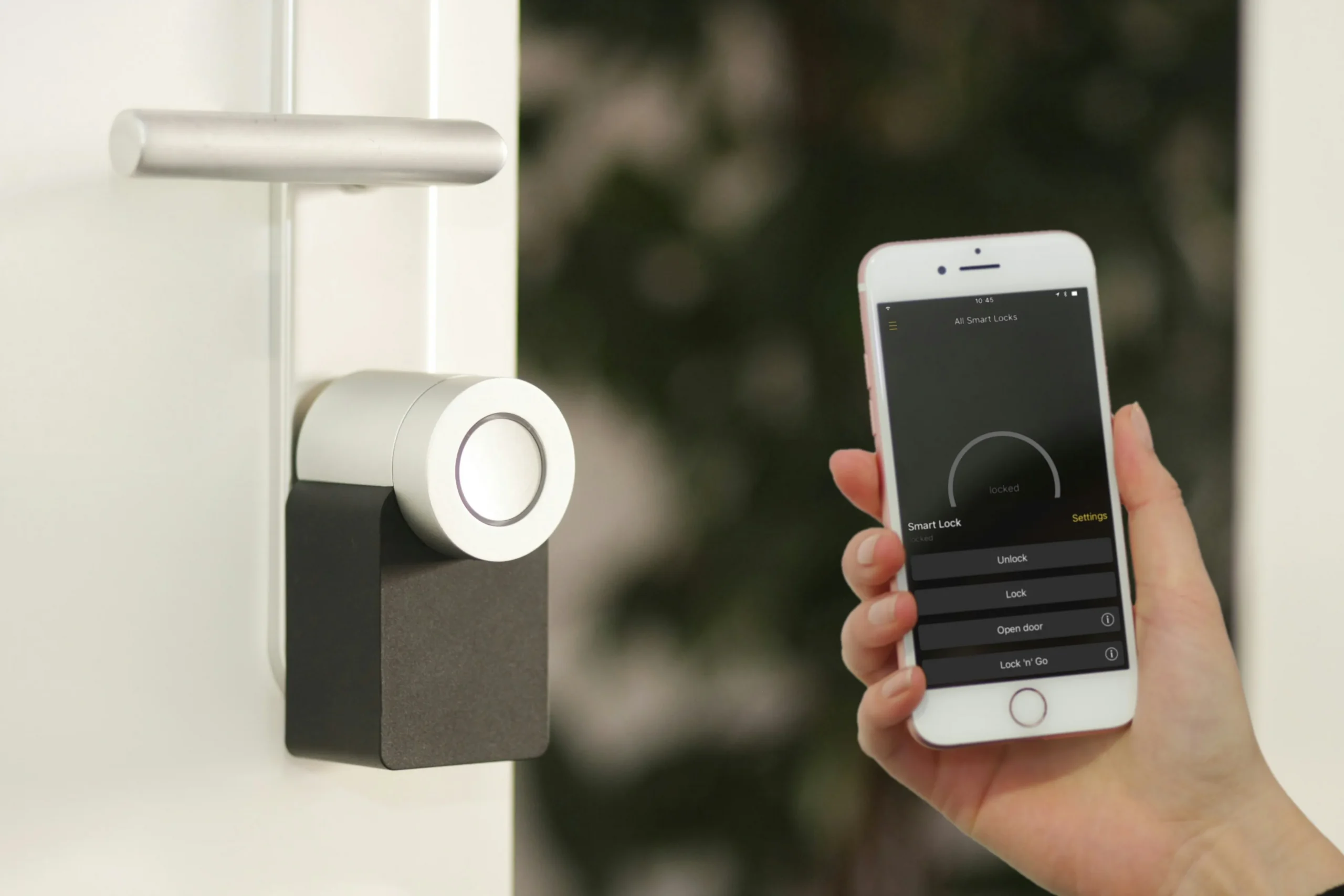
Cloud-dependent accessories rely on external servers to process every command, creating vulnerabilities when server outages or company closures render smart features completely unresponsive.
Local Matter processing ensures that commands move directly from your smartphone or wall switch to the garage controller across your local home network infrastructure.
Learn more: Smart home automation for micro-grid energy balancing
Eliminating recurring subscription fees for basic features like scheduled closing or activity history makes open-standard hardware significantly more cost-effective over years of daily usage.
To examine open-source home automation frameworks and local network security documentation, explore resources curated by the Home Assistant Community.
Prioritizing local control safeguards daily routines, guaranteeing that your garage door remains accessible even during major internet service provider disruptions or remote server failures.
When should you upgrade your garage setup to Matter compatibility?
Upgrading your home automation setup makes practical sense when replacing an aging opener, expanding your smart home ecosystem, or removing subscription-based hardware accessories.
Adding a Matter-compliant relay kit to an existing functional opener provides modern smart capabilities at a fraction of the cost of replacing entire motorized assemblies.
Read more: Thread border routers for reliable home device networking
Ensuring your home Wi-Fi or Thread network reaches the garage space guarantees stable connectivity for real-time status updates and instantaneous remote command execution.
Selecting certified smart garage door controllers ensures long-term hardware utility, protecting your investment against software obsolescence as smart home platforms continue evolving.
Investing in standardized hardware provides peace of mind, knowing that your automated entry points operate reliably, securely, and seamlessly across all family devices.
Simplifying the future of residential access control
Standardized smart garage controllers represent a major step forward in home automation, delivering unified multi-platform compatibility, minimal operational latency, and enhanced hardware privacy.
Learn more: Smart Garage Door Openers: A Complete Guide
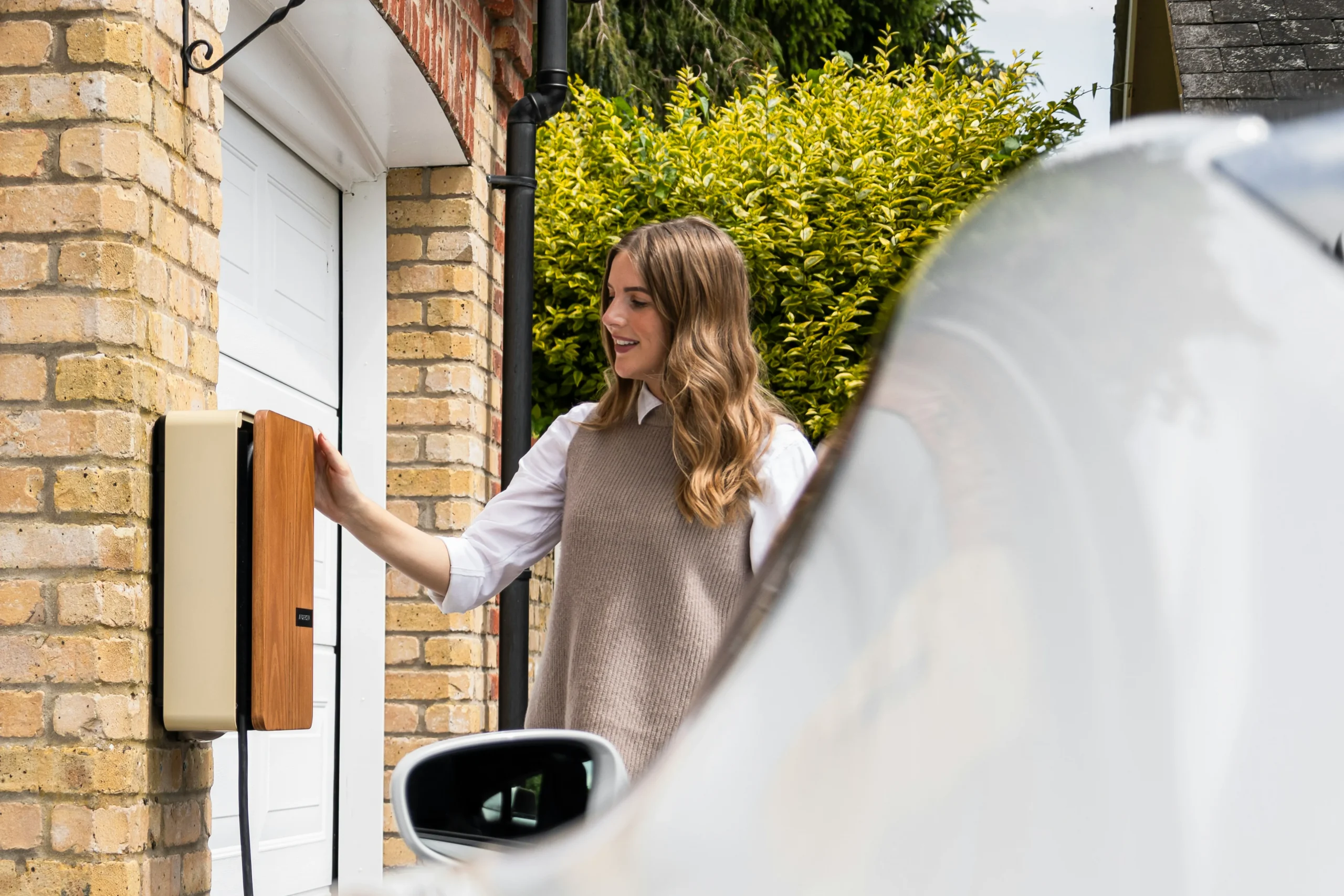
Transitioning to local control standards protects your property access points against cloud service shutdowns while simplifying daily entry workflows for every household member.
Evaluate your garage hardware today, choose open-standard accessories, and build a secure, future-proof smart home ecosystem tailored to your lifestyle.
FAQ (Frequently Asked Questions)
Do I need to replace my existing garage door opener to use a Matter controller?
No, most Matter garage controllers function as retrofit add-on modules that connect to the existing wall button wiring of your current motorized opener.
What happens if the internet goes down while I am outside my garage?
Local Matter controllers still process commands over your local Wi-Fi or Thread network if you are within range, or you can use traditional RF remotes.
Are Matter smart garage controllers compatible with Apple Home and Google Home at the same time?
Yes, Matter natively supports Multi-Admin functionality, allowing you to pair and control the same garage controller simultaneously across Apple, Google, and Alexa platforms.
How do position sensors verify whether the garage door is actually closed?
Controllers use tilt or magnetic sensors mounted on the door panel to detect physical orientation, sending instant open or closed status updates to your smart home app.
