
Educational listening centers for preschool literacy skills
Implementing Educational listening centers inside early childhood classrooms strengthens essential phonological awareness, expands vocabulary, and builds foundational reading comprehension skills through structured, engaging auditory learning experiences.
Integrating multi-headphone audio stations with physical picture books helps young learners connect spoken phonemes directly to printed letters, transforming passive listening into an active, multi-sensory literacy activity.
What are audio learning stations and how do they build early literacy skills?
Dedicated listening stations are quiet, dedicated classroom spaces where young students listen to recorded audiobooks while tracking physical text using physical books or digital displays.
Hearing fluent narration teaches children proper pacing, expressive intonation, and correct pronunciation, helping emerging readers internalize sentence structures long before they decode text independently.
Simultaneously following printed words while listening reinforces sound-symbol relationships, allowing children to recognize sight words faster while building confidence during independent learning time.
Utilizing Educational listening centers allows early educators to differentiate reading instruction, giving dual-language learners and struggling students continuous access to rich oral language models.
Repeated exposure to high-level story vocabulary enriches oral comprehension, preparing young minds to master complex reading tasks as they transition into formal primary grade levels.
How can teachers design effective listening rotations within early childhood classrooms?
Setting up a successful rotation requires selecting comfortable, durable headphones equipped with built-in volume-limiting protection to safeguard delicate young hearing during daily classroom activities.
Organizing books alongside matching audio files in labeled physical bins helps preschoolers choose titles independently, fostering self-direction and responsibility during small-group center time.
Pairing audio stories with simple post-listening activities, such as drawing story characters or recording verbal reactions, holds students accountable while assessing basic comprehension skills.
To explore early childhood development standards, research-based learning guidelines, and professional educator resources, visit the National Association for the Education of Young Children (NAEYC).
Establishing clear behavioral expectations ensures students handle audio equipment gently, preserving classroom technology while maintaining a calm, focused environment for deep auditory learning.
Which audio hardware formats best support early childhood learning spaces?
Selecting appropriate hardware depends on available classroom space, school technology budgets, and the developmental independence level of the children using the media equipment.
Traditional multi-jack listening blocks remain popular for shared group experiences, whereas modern wireless audio systems offer greater mobility and fewer cord tangles in active classrooms.
The comparative table below outlines technical specifications, operational advantages, and ideal classroom applications for common auditory learning hardware formats used in early childhood centers:
| Audio Station Format | Primary Hardware Components | Main Learning Advantage | Recommended Group Size |
| Traditional Jackbox Station | Multi-port box, wired headphones, media player | Simple physical operation without wireless interference | $4$ to $6$ students simultaneously |
| Wireless Bluetooth Hub | Central transmitter, wireless headphones | Eliminates cord tangles and allows flexible seating | $2$ to $4$ students per hub |
| Individual Audio Player | Self-contained screenless player, single headset | High portability and personalized story selection | $1$ student per device |
| Interactive Screen Display | Tablet stand, splitters, digital audiobook app | Visual text highlighting paired with direct audio | $1$ to $2$ students |
Evaluating these hardware options helps early childhood administrators invest in durable, user-friendly equipment that aligns directly with classroom literacy goals and daily instructional routines.
Why does active listening instruction accelerate phonological awareness in early readers?
Phonological awareness requires children to isolate individual sounds, recognize rhyme schemes, and segment spoken words into distinct syllables without relying strictly on visual text clues.
High-quality audio recordings emphasize distinct speech sounds, helping young listeners identify subtle phonetic differences that might be missed during regular whole-group read-aloud sessions.
Developing strong auditory discrimination skills creates a solid foundation for phonics instruction, making it significantly easier for students to blend letters into recognizable words later.
Read more: Smart home automation using federated learning
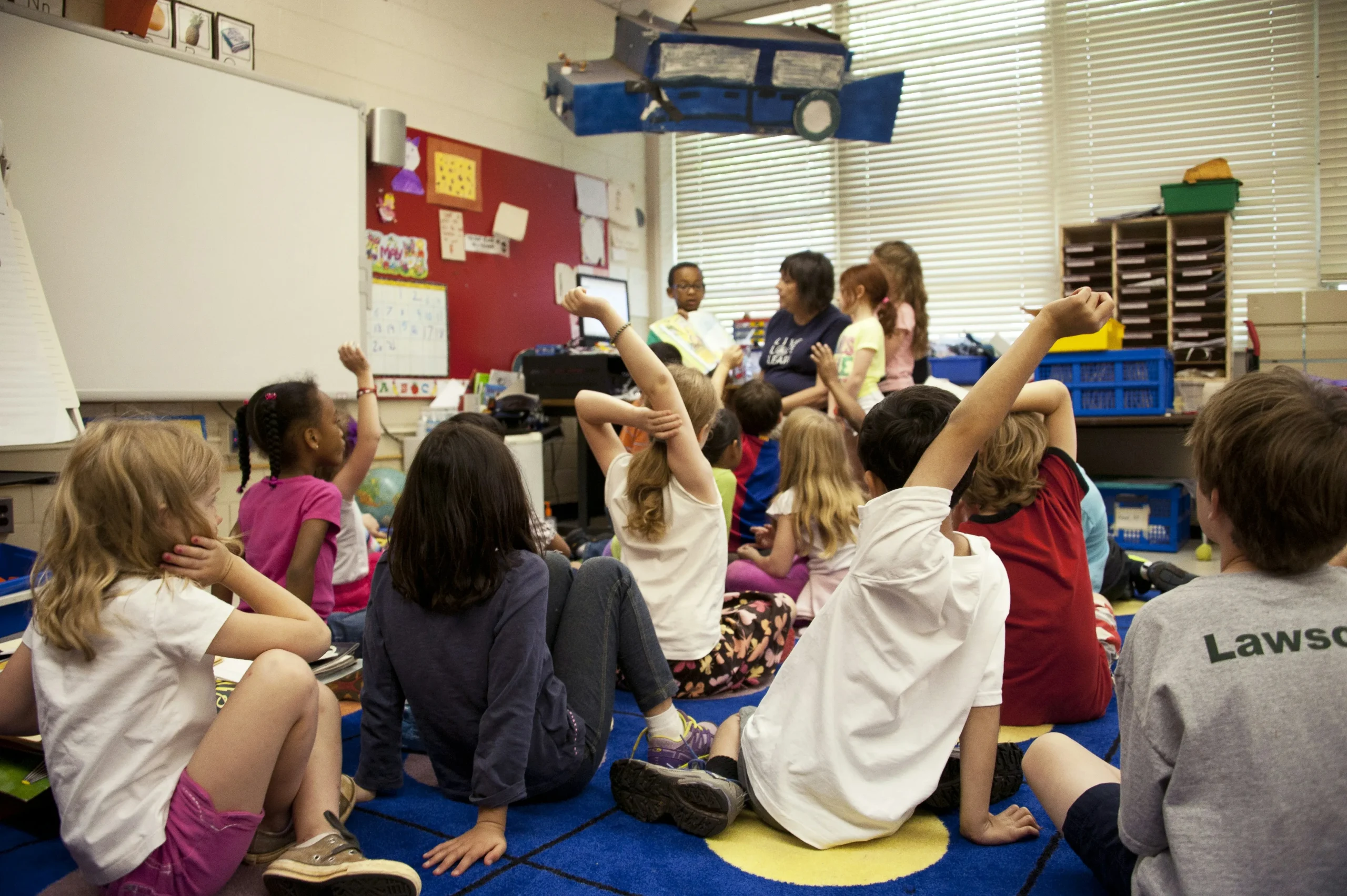
Integrating Educational listening centers into daily schedules ensures early childhood classrooms provide equal learning opportunities for visual, auditory, and kinesthetic learning styles alike.
Targeted sound recognition exercises embedded in audio stories turn foundational literacy practice into an enjoyable game, keeping young learners motivated and eager to participate daily.
When should educators introduce digital audio tools to preschool learning environments?
Introducing audio tools early in the school year establishes consistent classroom routines, helping three- and four-year-old children master independent center management before complex academic demands increase.
Teachers should model proper headphone usage, demonstrate story-tracking techniques with physical books, and guide small groups through initial listening sessions step-by-step.
Read more: Mixed reality storytelling tools for preschool engagement
Gradually increasing listening duration prevents auditory fatigue, keeping young students engaged while expanding their attention spans naturally over successive school terms.
To examine empirical research on early reading development, literacy frameworks, and evidence-based teaching strategies, consult the U.S. Department of Education research repository.
Consistent guidance transforms simple media consumption into an interactive educational routine, empowering young children to take charge of their personal reading journeys with confidence.
Transforming early literacy through intentional auditory learning in 2026
Building vibrant oral language environments equips preschoolers with the fundamental auditory and comprehension tools necessary for long-term reading success across elementary school grades.
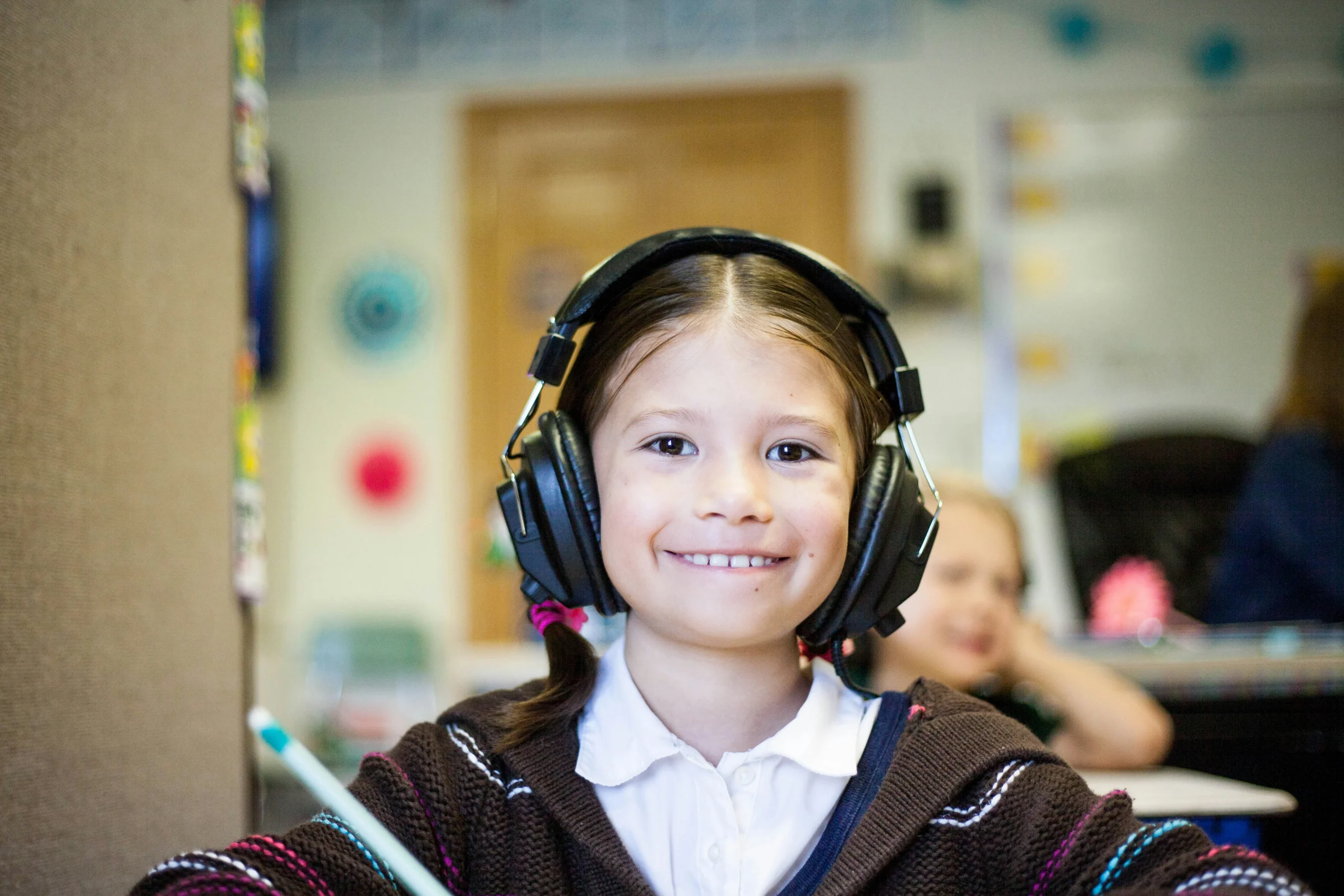
Incorporating Educational listening centers combines traditional storytelling with modern audio technology, ensuring every child develops a lifelong love for reading and narrative discovery.
Learn more: Smart classroom furniture improving early learning outcomes
Assess your classroom space today, select durable audio equipment, and create an inviting listening corner that inspires young minds through rich, engaging stories.
FAQ (Frequently Asked Questions)
What is the ideal duration for a preschool listening center rotation?
Most early childhood experts recommend keeping listening center rotations between $10$ and $15$ minutes to match the natural attention spans of three- to five-year-old children.
How do listening centers help dual-language learners (DLLs)?
Audio stations allow dual-language learners to hear natural English pronunciation, intonation, and vocabulary repeatedly at their own pace without feeling pressured during large group instruction.
Are volume-limiting headphones necessary for young children?
Yes. Volume-limiting headphones cap sound levels at $85$ decibels, preventing potential hearing damage caused by children accidentally turning media volumes too high.
How can teachers assess comprehension if students listen to books independently?
Teachers can evaluate understanding by asking students to draw their favorite scene, retell the story using puppet props, or record short verbal summaries using classroom voice recorders.
