
Robotics Kits for Kids: Are They Too Early for Preschool?
Introducing screen-free robotics kits for kids in early childhood settings fosters foundational computational thinking, enhances fine motor skills, and turns abstract logic into tangible, interactive play experiences.
Early childhood educators increasingly integrate tactile programming tools into preschool classrooms, proving that young learners can grasp foundational engineering concepts without staring at digital screens or reading complex text.
What is early childhood robotics and how does it work without screens?
Preschool robotics relies on physical objects, color-coded directional blocks, and tactile button sequences that allow toddlers to control movement without requiring traditional computers or mobile tablet screens.
Children manipulate physical command cards, wooden tiles, or top-mounted directional arrows to program simple sequences, helping young minds connect physical actions with logical algorithmic execution directly in front of them.
Selecting age-appropriate robotics kits for kids during early development encourages collaborative problem-solving, as preschoolers test hypotheses, discover directional mistakes, and physically reorder coding blocks to achieve desired outcomes.
These screen-free platforms remove technical barriers, allowing four-year-old students to focus entirely on spatial reasoning, cause-and-effect relationships, and creative storytelling alongside their classmates in supportive learning environments.
Which robotics tools are best suited for preschool learning environments?
Selecting the right platform depends on developmental readiness, class size, durability requirements, and whether the learning goals prioritize free-form construction or linear sequential logic.
Leading educational manufacturers design products specifically for tiny hands, utilizing oversized, drop-resistant components, soft rounded edges, and bright primary colors to maximize engagement during classroom play sessions.
The comparative table below outlines real market specifications, core interaction styles, target age ranges, and primary developmental outcomes for leading early childhood educational robotics platforms used worldwide:
| Educational Platform | Primary Interaction Style | Target Age Range | Screen-Free Operation | Primary Cognitive Focus |
|---|---|---|---|---|
| KinderLab KIBO | Physical wooden coding blocks with optical scanner | Ages 4 to 7 | 100% Screen-Free | Algorithmic logic and mechanical design |
| Bee-Bot / Blue-Bot | On-board directional push buttons | Ages 3 to 6 | 100% Screen-Free | Spatial awareness and directional math |
| LEGO Education STEAM Park | Tactile brick building with gear mechanisms | Ages 3 to 5 | 100% Screen-Free | Structural engineering and cause-and-effect |
| Fisher-Price Code ‘n Learn | Interchangeable directional command segments | Ages 3 to 6 | 100% Screen-Free | Pattern recognition and sequencing |
Comparing these educational solutions helps teachers select tools that align seamlessly with early learning standards without overwhelming young students with overly complicated technical interfaces.
Why should preschoolers learn foundational engineering concepts early?
Early exposure to physical computing builds spatial awareness, strengthens hand-eye coordination, and transforms abstract mathematical principles into concrete physical experiences that children can see, touch, and manipulate.
Early STEM activities encourage a growth mindset, teaching young children that initial errors during trial runs are natural learning steps rather than failures during problem-solving tasks.
To research early learning standards, child development guidelines, and evidence-based pre-K curriculum frameworks, explore the National Association for the Education of Young Children.
Integrating tactile robotics kits for kids into play-based learning environments nurtures curiosity while building social skills as children share materials, take turns, and solve challenges together.
Collaborative building projects encourage verbal communication, requiring children to describe directional movements, explain their design ideas, and negotiate solutions during active small-group play sessions.
How can educators integrate robotics into play-based learning without frustration?

Successful preschool integration requires keeping guided activities short, open-ended, and centered around imaginative storytelling themes rather than forcing strict technical performance or rigid coding outcomes.
Teachers can design story mats representing fairy tales, community maps, or animal habitats, asking children to program their robots to navigate from start to finish.
Learn more: What Is EdTech and How Does It Help Young Learners?
Allowing children to decorate their devices with art supplies bridges the gap between creative expression and logical thinking, keeping early technical exploration playful, relaxed, and fully engaging.
Gradually introducing one command button at a time prevents cognitive overload, ensuring that every child builds confidence before moving on to multi-step sequences and complex mazes.
Where can parents and teachers find research on early STEM development?
Academic institutions and developmental psychologists publish comprehensive studies examining how hands-on play with manipulative materials accelerates language acquisition, spatial reasoning, and social development in early childhood.
Reviewing evidence-based educational research helps caregivers choose age-appropriate tools that support genuine developmental milestones rather than purchasing overly complex gadgets that cause unnecessary frustration.
Read more: Smart home automation with intent-based environments
Utilizing screen-free robotics kits for kids empowers educators and parents to build strong cognitive foundations, preparing young learners for an increasingly digital world through creative play.
To explore peer-reviewed studies on educational technology, learning research, and cognitive development in early education, visit the U.S. Department of Education.
Embrace play-based engineering in your classroom or home today, providing young children with joyful, tactile experiences that spark lifelong curiosity, creativity, and confidence.
Building future innovators through play
Introducing screen-free robotics to preschool classrooms is far from premature when the tools align with natural, play-based childhood development principles and hands-on discovery.
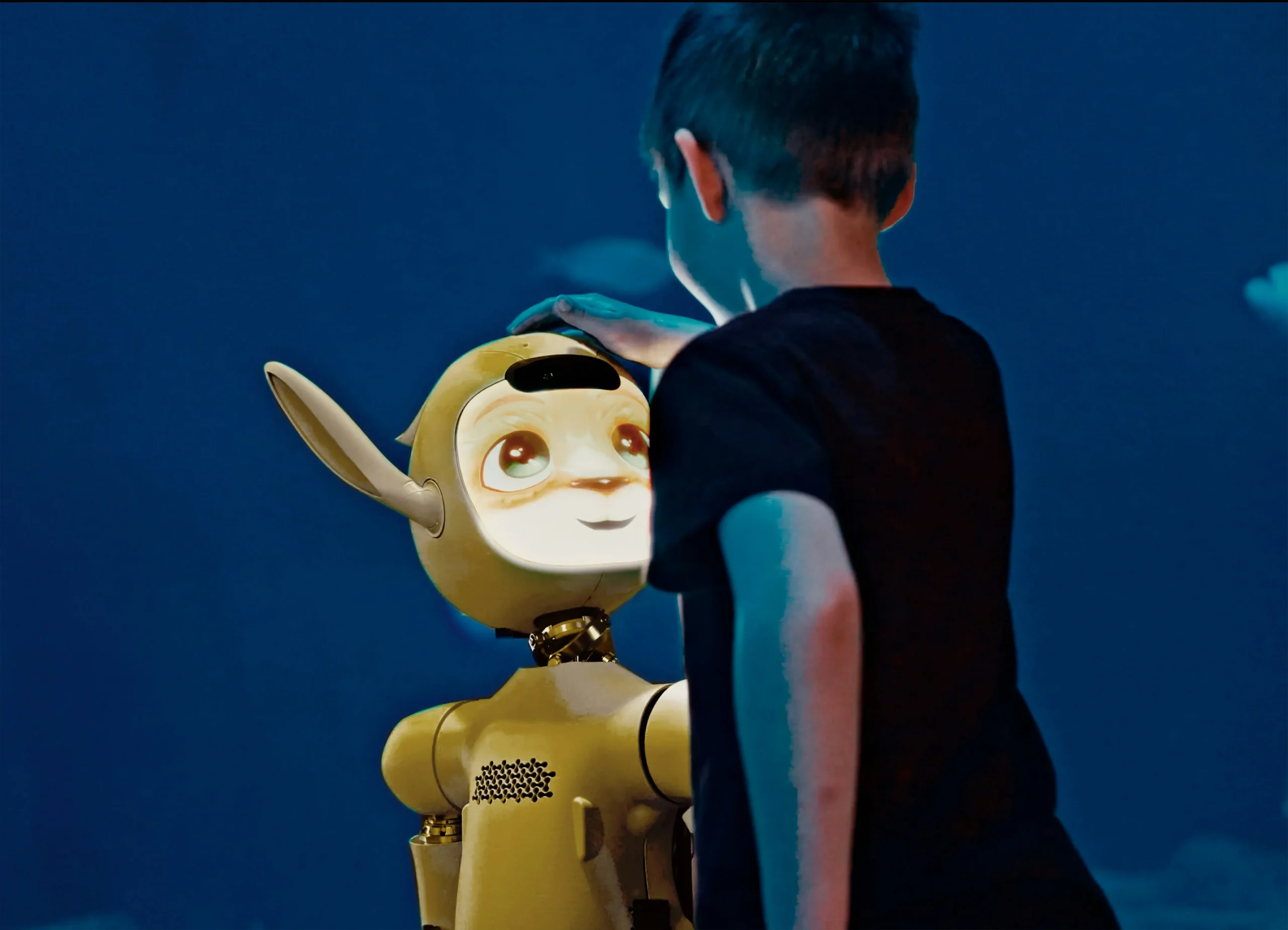
Providing preschoolers with tactile robotics kits for kids builds essential problem-solving skills, nurtures creative resilience, and turns foundational logic into an exciting, collaborative classroom adventure.
Learn more: Educational Robotics: Best Starter Kits for Kids
Incorporate hands-on robotics into your early childhood curriculum today, and watch young minds transform simple play sessions into powerful moments of discovery and growth.
FAQ (Frequently Asked Questions)
Are robotics kits safe for three- and four-year-old children to use?
Yes, preschool-focused kits feature large, durable, non-toxic components without small detachable choking hazards, making them completely safe for supervised early childhood classroom environments.
Do children need to know how to read to use early coding kits?
No, early childhood platforms rely entirely on visual symbols, color codes, tactile directional arrows, and physical blocks, requiring no reading skills whatsoever.
How long should a preschool robotics activity session last?
Guided sessions should last between 15 and 20 minutes, keeping activities playful, movement-focused, and centered around imaginative storytelling to match young attention spans.
What is the difference between screen-free robotics and tablet-based coding apps?
Screen-free robotics relies on physical objects and hands-on manipulation, encouraging fine motor development and real-world social interaction without exposing young eyes to digital screens.
