
Children’s audio learning devices for independent listening
Modern families are actively seeking healthy digital alternatives, and Children’s audio learning devices offer an ideal bridge between entertainment and active cognitive development without screens.
Tactile controls empower young kids to choose stories, songs, and educational podcasts, promoting genuine autonomy while removing the passive trance often induced by colorful video tablets.
Parents appreciate these screen-free platforms because they minimize bedtime struggles, encourage deep listening skills, and inspire creative imaginary play during quiet afternoon routine hours.
Understanding how these innovative systems work helps families select appropriate technology tailored directly to their child’s unique developmental stage and evolving educational needs.
What are children’s audio learning devices and how do they function?
Compact physical systems utilize physical objects like wooden blocks, plastic figurines, or smart plastic cards to play digital audio content through robust built-in speaker systems.
Placing a figurine or inserting a card triggers instant local playback, eliminating complex touchscreens, intrusive advertisements, or risky internet browsing environments for impressionable young minds.
Parents manage settings remotely via mobile applications, adjusting master volume limits, setting sleep timers, and curating downloadable audio files securely over home Wi-Fi networks.
Because Children’s audio learning devices store content locally after downloading, children enjoy uninterrupted stories during car trips, outdoor adventures, or family flights without internet access.
Why choose screen-free audio over traditional tablet learning?
Overuse of interactive touchscreens frequently triggers overstimulation, eye fatigue, and behavioral tantrums when parents attempt to enforce strict digital boundaries during daily play sessions.
Audio storytelling stimulates visual imagery within the human brain, forcing kids to actively paint internal characters, environments, and narrative actions using their own growing imagination.
Educational studies highlighted by Common Sense Media guidelines for family technology demonstrate that screen-free media significantly improves vocabulary retention and focused comprehension skills in early childhood.
Focusing exclusively on spoken narrative prevents visual distraction, encouraging children to pay close attention to subtle linguistic inflection, story structure, and expressive emotional dialogue.
How do kids benefit from independent listening technology?
Fostering self-reliance happens naturally when toddlers control their own entertainment choices, learning cause-and-effect mechanisms through simple tactile dials and straightforward physical triggers.
Children gain confidence as they master changing tracks, adjusting audio volume levels, and choosing specialized bedtime playlists without relying on parental assistance every few minutes.
Integrating Children’s audio learning devices into daily routines creates predictable structure, helping young listeners transition smoothly between active afternoon play and restful evening sleep.
Auditory learning platforms also support multilingual households by offering diverse audio cards in multiple global languages, broadening cultural exposure effortlessly during informal home play.
Which devices lead the market for screen-free engagement?
Leading manufacturers design distinct platforms targeting specific age brackets, varying significantly in terms of durability, physical media formats, battery performance, and custom recording options.
The Toniebox features a cushioned, huggable design using collectible figures, making it ideal for toddlers aged one to six who prioritize imaginative toy-based play.
Conversely, the Yoto Player uses slim smart cards and features a pixel display, catering to kids aged three to twelve who enjoy podcasts and audiobooks.
Read more: How Spatial Audio Is Changing the Way We Listen to Music
Comparing hardware capabilities allows parents to evaluate long-term value, ensuring the chosen platform adapts smoothly as their child transitions from toddlerhood into elementary school.
Here is a clear comparison of leading screen-free audio players, illustrating key specification differences across popular models available to families today.
| Feature / Specification | Toniebox 2 | Yoto Player (3rd Gen) | Lunii My Audio Factory |
| Target Age Range | 1 to 9+ years | 3 to 12+ years | 3 to 8 years |
| Physical Media | Magnetic Figures | NFC Smart Cards | Integrated Choice Dials |
| Battery Playtime | Up to 9 hours | Up to 24 hours | Up to 10 hours |
| Screen Feature | 100% Screen-Free | Pixel Matrix Display | 100% Screen-Free |
| Offline Storage | 90 min custom | 32 GB (700+ hours) | 8 GB (100+ hours) |
Selecting the ideal player depends largely on whether your child prefers collectible figurines, minimalist cards, or interactive physical dials for content selection.
When should parents introduce standalone audio players?
Introducing audio players around toddlerhood encourages healthy independence, giving young children ownership over their bedtime routines and quiet afternoon activities without screen exposure.
Parents notice immediate benefits during long car trips or travel, where Children’s audio learning devices maintain engagement while reducing motion sickness caused by staring down at screens.
Learn more: Classroom audio amplification systems for young learners
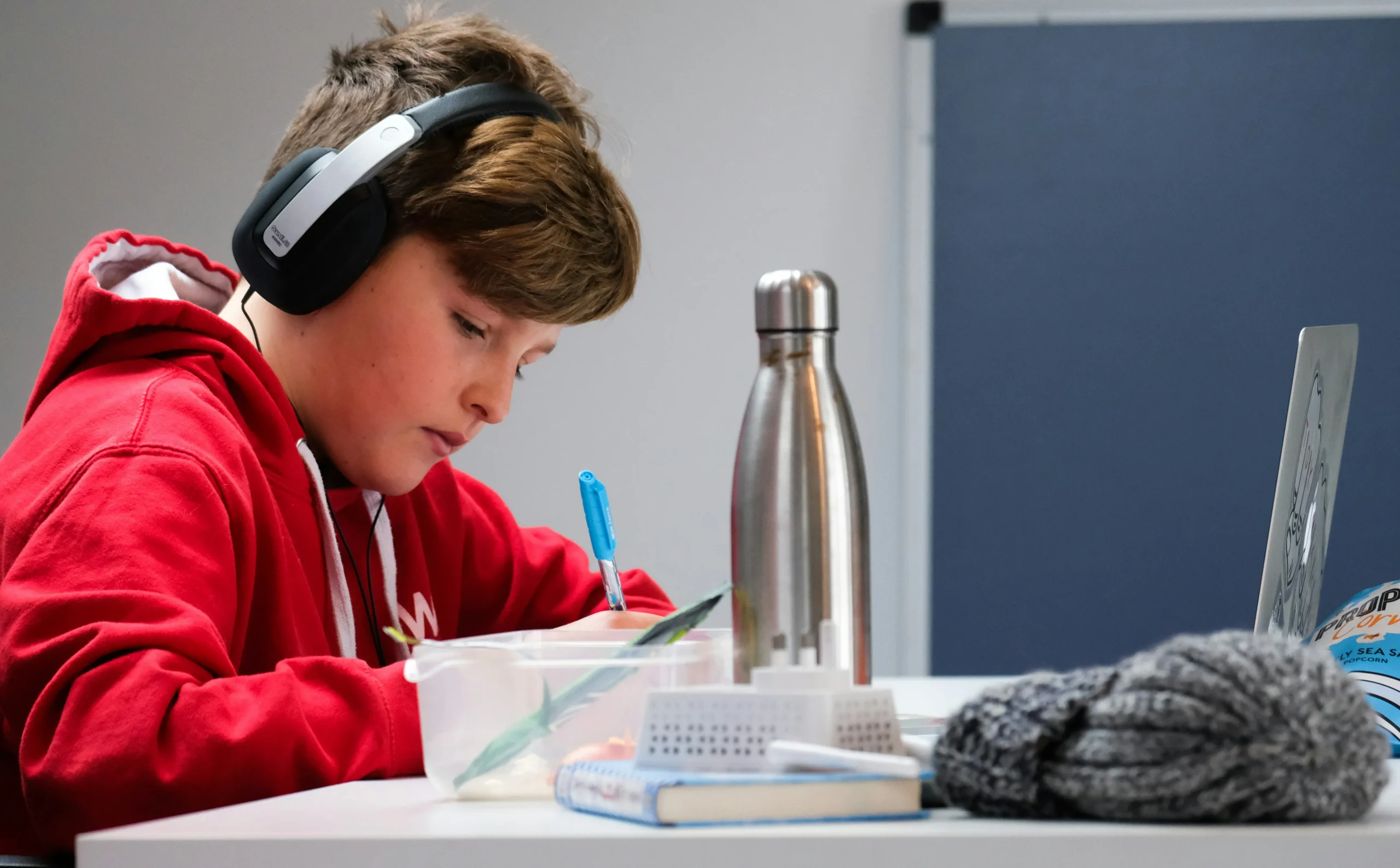
Elementary school students benefit tremendously from chapter books, historical storytelling, science podcasts, and educational music tracks that align directly with early classroom learning objectives.
Establishing early healthy habits around audio listening helps build lifelong concentration skills, encouraging children to appreciate books and narrative podcasts as primary learning mediums.
Frequently Asked Questions
Are audio learning devices safe for toddler hearing health?
Learn more: The Future of Audio: Best Speakers and Soundbars of 2025
Yes, reputable manufacturers build hardware with internal decibel limiters that restrict maximum sound levels, protecting sensitive young ear canals during headphone use.
Parents can also set custom volume caps using companion smartphone apps, ensuring safe listening environments even when children operate the physical dials independently.
Do these devices require constant Wi-Fi connectivity?
No, active Wi-Fi is only necessary during the initial download of new story cards or firmware updates to internal device storage.
Once stored locally, audio plays seamlessly offline, making these systems highly portable for travel, park visits, or offline household play.
Can parents record custom audio for their children?
Yes, platforms offer blank custom figurines or blank cards that allow family members to record personalized bedtime stories or personal greetings remotely.
Grandparents living far away can easily upload recordings via mobile applications, creating warm personal connections that children can replay anytime.
How do audio players support early literacy development?
Listening to structured narratives enhances vocabulary, improves auditory processing skills, and expands sentence comprehension well before children master physical reading mechanics.
With Children’s audio learning devices, children follow narrative arcs effortlessly, bridging the gap between spoken language acquisition and formal elementary reading instruction.
Conclusion
Embracing screen-free audio technology provides children with an engaging, independent learning platform that nurtures imagination while keeping digital overstimulation completely at bay.
Investing in a durable player empowers young minds, builds crucial focus skills, and creates harmonious household routines around storytime, rest, and exploration.
For further insights into early childhood technology standards, consult the National Association for the Education of Young Children early learning research.
