
Virtual campus tours for international student recruitment
Integrating Virtual campus tours into higher education marketing strategies empowers universities to connect with prospective international students, breaking geographical barriers and accelerating global enrollment growth effectively.
Providing immersive digital exploration allows applicants to experience campus architecture, laboratory facilities, and student housing options remotely before committing to costly international travel for physical visits.
What is the role of digital campus exploration in global student recruitment?
Higher education institutions face increasing competition for international talent, making initial digital touchpoints critical for shaping student perceptions and building emotional connections early in the decision-making process.
Interactive digital experiences offer prospective applicants an authentic glimpse into academic life, showcasing lecture halls, recreational centers, and vibrant dining spaces from any location worldwide with internet access.
Adopting immersive rendering technologies allows admissions teams to tell compelling institutional stories, highlighting unique campus traditions while reducing traditional marketing distribution costs across global markets.
Deploying Virtual campus tours bridges the physical distance between universities and overseas applicants, giving families complete confidence when evaluating distant educational choices and cultural environments.
Institutions utilizing these interactive platforms report higher conversion rates from prospective inquiry to formal application, proving that visual accessibility directly influences modern university selection behaviors.
How do interactive technologies enhance the prospective student journey?
Combining high-resolution 360-degree photography with guided audio narrative turns passive website browsing into an active, personalized exploration of academic departments and student support services.
Self-guided navigation tools allow students to focus on specific facilities that align with their intended majors, whether exploring specialized research laboratories or creative art studios.
The comparative table below outlines key features across different immersive digital formats, highlighting their operational benefits and engagement impact for international admissions teams in 2026:
| Immersive Format Type | Student Engagement Level | Technical Infrastructure Required | Primary Recruitment Benefit |
| Interactive 360 Panorama | High | Standard Web Browser / WebGL | Broad accessibility across all desktop and mobile devices |
| Guided Video Tour | Moderate | Streaming Media Server | Strong narrative control and direct personal student storytelling |
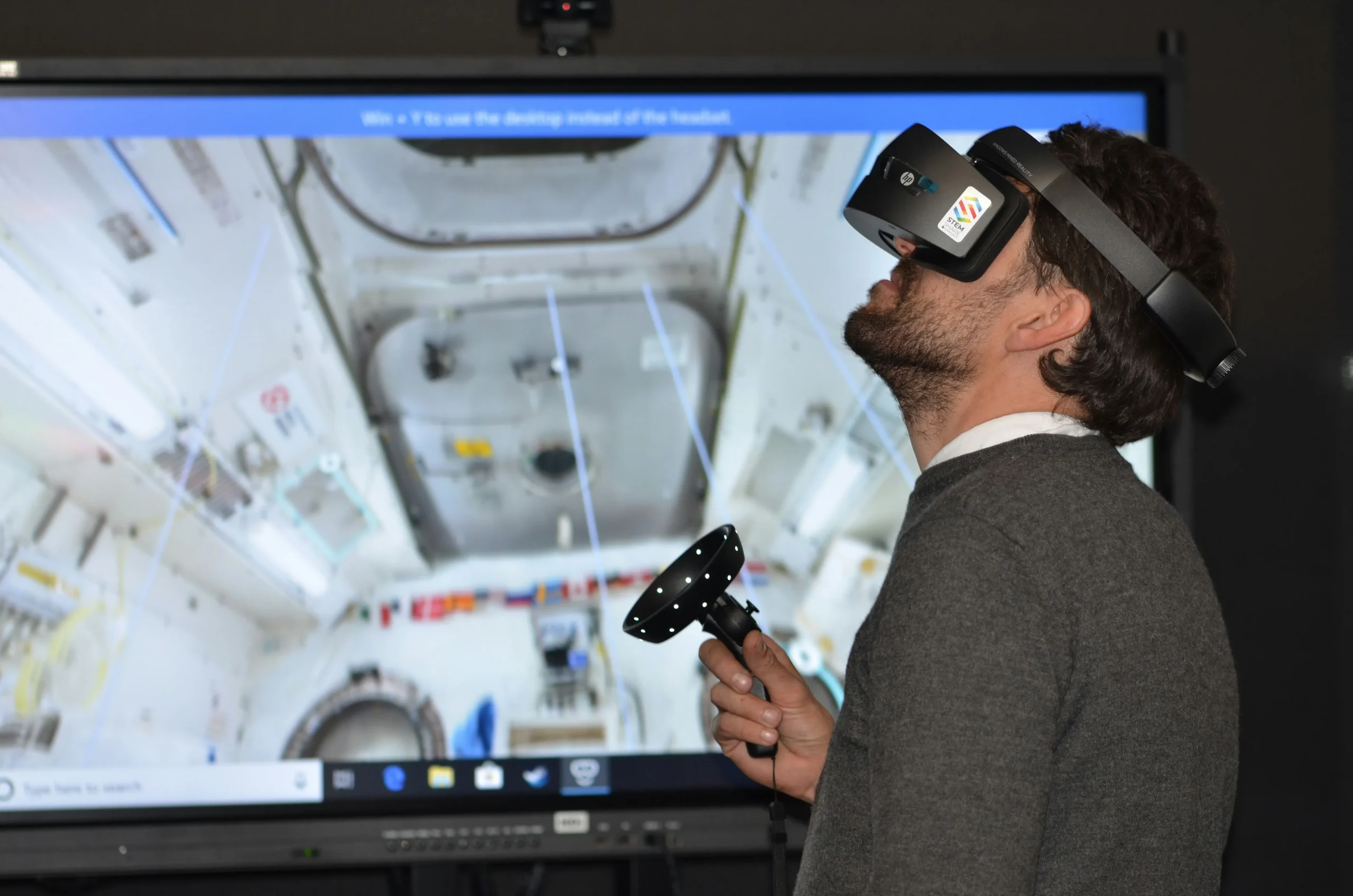
| Full VR Experience | Maximum | Dedicated Headset Hardware | Deep emotional immersion for international recruitment fairs |
| Live Student-Led Stream | Very High | High-Bandwidth Connection | Real-time social interaction and immediate question resolution |
Evaluating these technological formats helps university marketing leaders select the optimal balance between high visual immersion, production budgets, and global digital accessibility.
Why are higher education institutions prioritizing immersive digital platforms?
Prospective international students often narrow their application choices based on digital content quality, associating modern web experiences with institutional academic innovation and technological leadership.
Eliminating travel barriers allows universities to reach talented applicants in emerging economies who lack financial resources for international campus visits prior to enrollment decisions.
To review global education mobility statistics, student visa trends, and international academic exchange data, consult the Institute of International Education (IIE).
Integrating Virtual campus tours within multi-channel recruitment campaigns provides measurable analytics, revealing exactly which campus locations attract the highest interest from prospective applicants worldwide.
These quantitative insights enable admissions directors to refine messaging, optimize digital advertising spend, and personalize follow-up communications based on actual student exploration behaviors online.
Which specific interactive features drive higher application conversion rates?
Embedding live chat widgets directly inside digital environments allows visiting applicants to connect instantly with current international students or regional admissions counselors for personal guidance.
Including multi-language voiceovers and translated captioning ensures non-native English speakers navigate complex academic descriptions comfortably, building trust with parents reviewing options alongside prospective students.
Learn more: VR in Real Estate: Virtual Tours and Smart Sales
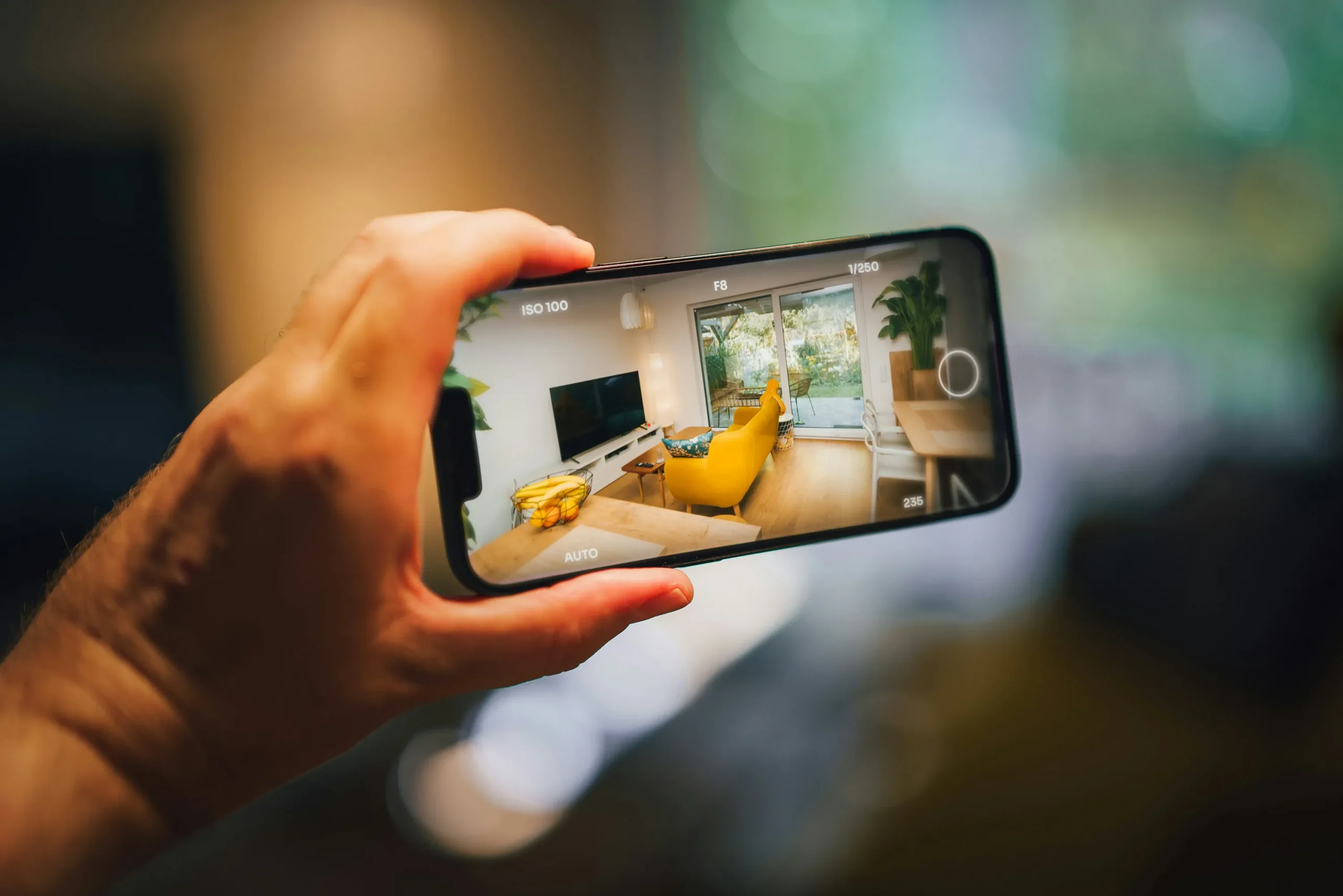
Including clickable information hotspots within virtual environments offers instant access to degree program details, tuition breakdowns, housing application deadlines, and scholarship opportunity descriptions.
Optimizing content for smooth mobile performance ensures smooth rendering on smartphones, catering to younger demographics who conduct primary college research on handheld mobile devices.
Combining spatial audio with high-definition visuals creates an authentic atmosphere, capturing the natural noise of bustling campus quads, library study zones, and athletics complexes accurately.
When should admissions departments update their digital campus content?
Refreshing visual environments seasonally ensures prospective students view accurate campus conditions, reflecting updated building renovations, new academic centers, and seasonal weather changes accurately.
Updating content before primary recruitment cycles allows universities to align digital assets with promotional messaging, scholarship announcements, and global admissions webinar schedules seamlessly.
Read more: Virtual Tours vs Full VR Experiences: When to Use Each
Collaborating with academic departments ensures featured lab equipment and learning spaces reflect current research infrastructure, upholding institutional transparency and academic credibility throughout the presentation.
To explore technical guidelines on immersive media standards, web accessibility requirements, and digital asset preservation, visit the World Wide Web Consortium (W3C).
Maintaining current digital environments demonstrates institutional commitment to authenticity, ensuring incoming international students experience an exact match between virtual previews and physical campus reality.
Expand your global student reach through digital innovation in 2026
Leveraging cutting-edge immersive technology transforms how universities attract, engage, and convert prospective international students across diverse global markets and cultural contexts effectively.
Strategic deployment of Virtual campus tours removes geographical boundaries, lowers recruitment costs, and provides prospective applicants with an authentic preview of their future university life.
Learn more: How to Create a Virtual Tour for Tourism or Real Estate
Implement interactive digital experiences today, showcase your institutional strengths globally, and build lasting connections with the next generation of international academic leaders.
FAQ (Frequently Asked Questions)
Do prospective students need specialized virtual reality headsets to view interactive tours?
No. Modern digital experiences run directly within standard mobile and desktop browsers using WebGL technology, ensuring universal accessibility without requiring specialized virtual reality hardware.
How do digital tours integrate with university customer relationship management (CRM) systems?
Admissions platforms embed tracking scripts that capture user engagement data, allowing CRMs to log which facilities a prospective student explored and trigger personalized email follow-ups automatically.
What is the average timeline required to produce a custom digital campus tour?
Developing a customized experience typically takes between six and twelve weeks, depending on campus physical size, desired interactive features, video production scope, and multi-language translation requirements.
Can universities host live student-led events within these interactive digital environments?
Yes. Admissions teams frequently schedule live virtual open houses where student ambassadors guide prospective international applicants through 360-degree environments while answering real-time questions via video stream.
