
Matter-Compatible Devices Explained for Beginners
Matter-compatible devices are completely redefining the modern smart home landscape by solving the frustrating compatibility barriers that have plagued consumers for over a decade.
Buying connected hardware used to mean checking multiple retail labels to see if a product worked with specific corporate ecosystems. This open-source connectivity standard unifies disparate tech brands under a single, secure wireless language.
What Is Matter and How Does It Unify Your Smart Home Ecosystem?
The smart home market historically operated within isolated corporate silos, forcing buyers to choose strictly between major competing tech ecosystems.
A wireless light bulb designed for one specific platform would stubbornly refuse to communicate with a voice assistant built by another manufacturer.
This fragmentation created massive confusion for casual consumers who simply wanted a reliable, plug-and-play automated living space.
This frustrating boundary vanished with the widespread industrial rollout of unified communication standards developed collectively by global manufacturing leaders.
When you purchase certified matter-compatible devices, you gain the freedom to mix and match hardware across different household management systems seamlessly.
The protocol acts as a universal translator, allowing an appliance to talk directly to any authorized smartphone application.
This collaborative engineering initiative operates under the strict strategic guidance of the Connectivity Standards Alliance (CSA), which manages global corporate certifications.
Their open-source framework guarantees that newly manufactured sensors, switches, and locks meet rigorous performance benchmarks before hitting retail shelves.
Consumers no longer need to fear obsolescence when a brand decides to update its proprietary backend software infrastructure.
How Do Matter Products Communicate Without Relying on the Cloud?
Traditional smart home accessories heavily depend on external cloud servers to process basic commands, like turning on a living room lamp.
This external routing introduces noticeable execution lag and leaves your entire household vulnerable to internet outages and external server crashes.
The new architecture fundamentally shifts this computing work back into your physical home, utilizing direct local area networks.
This local processing focus ensures that your home automations continue operating smoothly even if your broad internet connection drops completely.
The system layers itself on top of existing internet technologies, utilizing standard Wi-Fi for high-bandwidth appliances and Thread for low-power sensors.
This combination keeps your home network highly responsive without draining the tiny coin-cell batteries inside your security hardware.
Local communication also introduces an exceptional layer of personal data privacy, as sensitive commands never travel to third-party databases unnecessarily.
Security parameters require AES-128 encryption, protecting every single data packet moving between your connected wall switches and central controllers.
The rigorous digital safety frameworks established by the National Institute of Standards and Technology (NIST) align perfectly with these local authentication architectures.
Why Should Beginners Prioritize This Standard for Future Tech Purchases?
Investing in unified hardware removes the steep learning curve traditionally associated with programming complex household scenes and automated triggers.
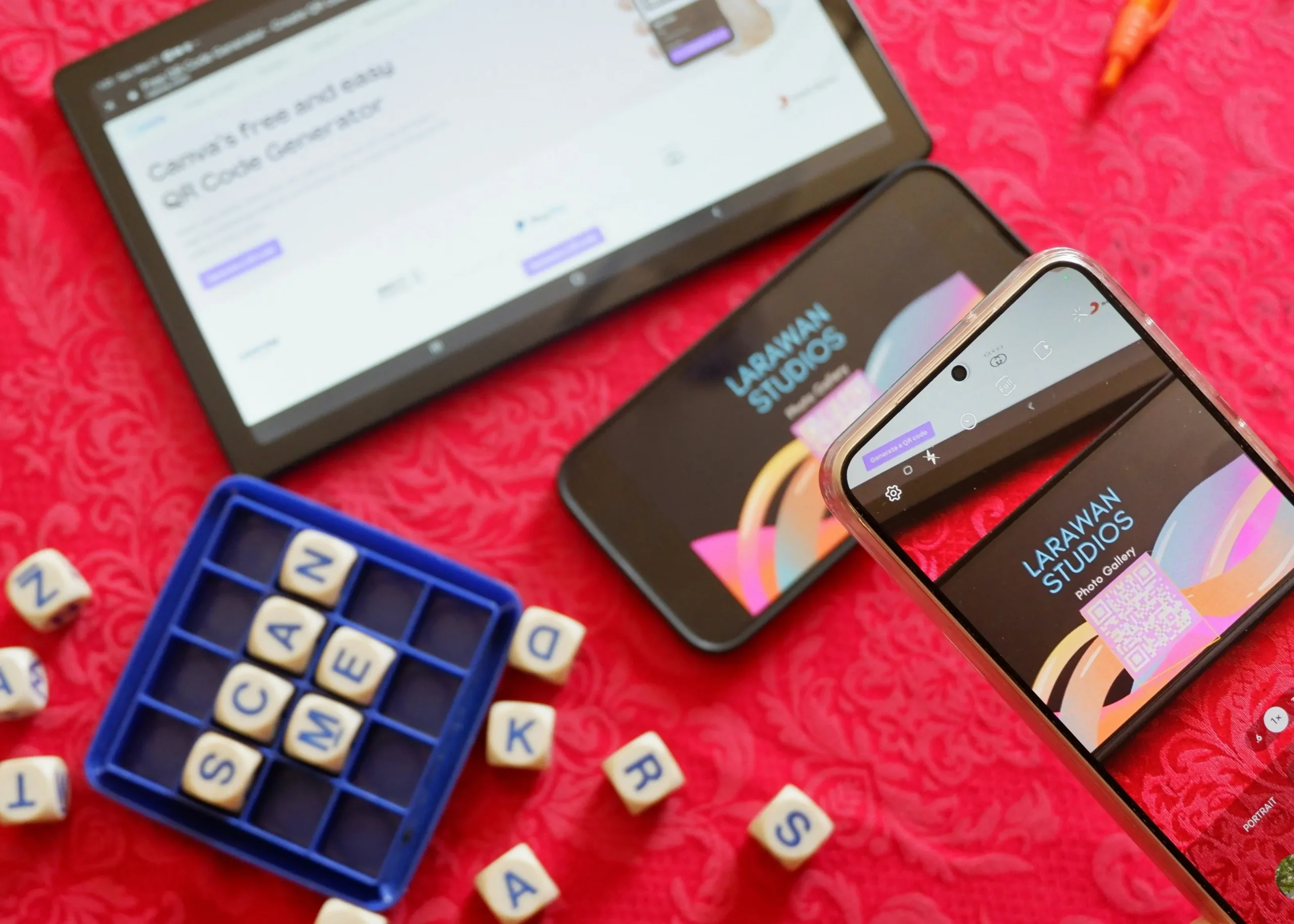
Setting up a new accessory requires nothing more than scanning a unique QR code with your preferred smartphone camera app.
The multi-admin feature allows different family members to control the exact same device using entirely separate operating systems.
There is a common misunderstanding that adopting this new standard requires throwing away every legacy gadget you already own.
Many established manufacturing brands have released software updates for their existing hubs, instantly bridging older wireless accessories into the new ecosystem.
Learn more: Automated window shading systems for energy efficiency
This backward compatibility protects your past investments while streamlining your path toward a cleaner, unified digital household network.
The universal ecosystem simplifies long-term troubleshooting because all hardware brands follow identical diagnostic rules and communication pathways.
You no longer have to decipher distinct error codes across six different manufacturer apps when a smart plug occasionally disconnects.
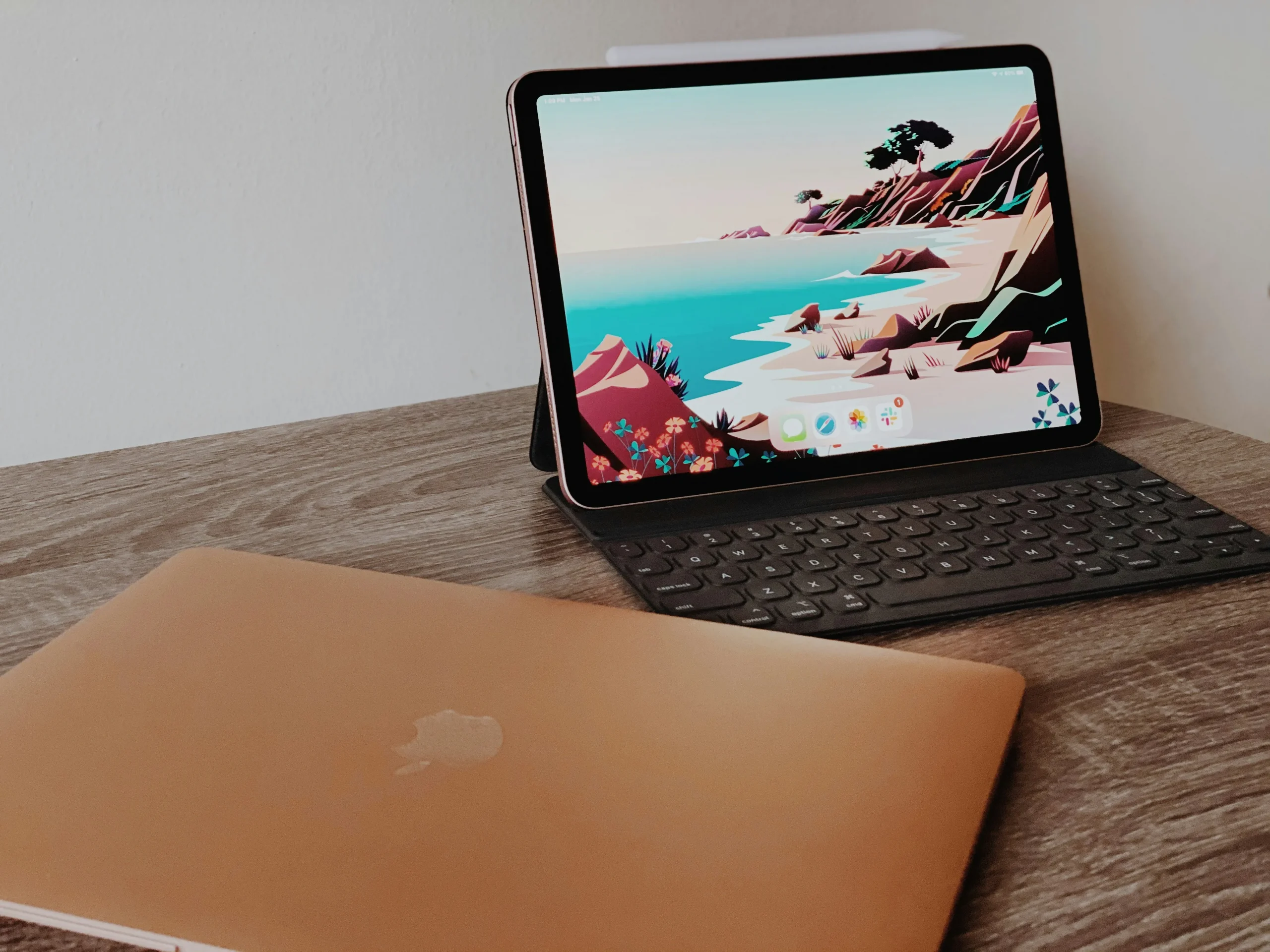
This streamlined consistency makes home automation accessible to everyday users who lack advanced technical network engineering skills.
Comparative Breakdown of Smart Home Communication Protocols
Understanding how the new unified standard compares against older, proprietary wireless methods helps clarify its market dominance.
Read more: Matter compatible devices for multi-brand home setups
The table below details the technical attributes shaping the modern consumer electronics landscape.
| Protocol Name | Network Topology | Primary Connection Type | Local Control Support | Setup Complexity |
| Matter | Unified Mesh / Star | Wi-Fi, Ethernet, Thread | Fully Native (Default) | Ultra-Simple (QR Scan) |
| Legacy Zigbee | Isolated Mesh | Proprietary 2.4 GHz | Native via Specific Hub | Moderate |
| Old Cloud-Based | Star Network | Standard Wi-Fi Only | Rare (Requires Internet) | High (Separate Accounts) |
Navigating the Next Generation of Connected Living
Embracing the unified smart home standard allows you to build an automated household that feels genuinely fluid, intuitive, and reliable.
Eliminating artificial software ecosystem lock-ins empowers you to purchase consumer electronics based on physical build quality and pricing value.
The technology works quietly in the background, making your living spaces more responsive to your daily personal routines.
The market dominance of certified matter-compatible devices ensures that buying smart hardware is now as straightforward as buying a USB mouse.
Learn more: VR classroom laboratories for science education programs
Prioritizing this specific logo on retail packaging safeguards your budget and guarantees a frustration-free setup experience from day one.
Build your smart home setup step by step, confident that your devices will collaborate harmoniously for years to come.
Frequently Asked Questions (FAQ)
Do I need a special bridge or hub to use Matter devices?
Yes, you need at least one device functioning as a Controller, such as a compatible smart speaker, display, or home router. This hardware orchestrates the local network and allows you to manage the system via your voice or smartphone app.
What is the difference between Matter and Thread?
Matter is the overarching software language that tells devices how to understand each other, while Thread is a specific wireless hardware highway. Think of Matter as the spoken language and Thread as the physical road system the data travels on.
Can older smart home products be upgraded to support Matter?
Many manufacturers have successfully pushed over-the-air firmware updates to older hubs and bridges, making legacy devices compatible. Check the official support channels of your specific hardware brands to see if an update is available for your model.
Does Matter require an active internet connection to work?
No, the core functionality of the system operates entirely over your local home network without sending data to outside servers. You only need an active internet connection for initial setup, remote control away from home, and firmware updates.
