VR marine exploration bringing ocean science to classrooms
Integrating VR marine exploration tools into modern curricula bridges the physical gap between landlocked classrooms and deep-sea ecosystems, transforming complex oceanographic concepts into immersive learning experiences.
Virtual reality headsets transport students directly into underwater coral reefs, hydrothermal vents, and abyssal trenches, democratizing access to scientific environments previously reserved for professional research expeditions.
What is immersive oceanography and how does spatial simulation enhance learning?
Virtual marine education utilizes high-resolution three-dimensional scans, volumetric capture, and spatial audio to replicate real underwater environments with exceptional visual fidelity inside academic classrooms.
Students interact with digital twin ecosystems modeled from actual hydrographic survey data, observing marine life behaviors and physical ocean processes without geographical or financial constraints.
Utilizing VR marine exploration platforms allows science educators to replace static textbook diagrams with interactive 360-degree field trips, sparking genuine curiosity and improving complex spatial reasoning skills.
Embodied learning experiences activate spatial memory pathways in the brain, helping students retain complex concepts like oceanic thermal stratification, pH balances, and marine food webs.
How do virtual submersibles translate complex marine data into interactive lessons?
Educators control guided virtual dives using software connected to research databases, letting students explore deep sea trenches while analyzing real-time depth, pressure, and temperature parameters.
Interactive digital calipers enable learners to measure coral head growth rates, track migrating marine mammals, and record ecosystem species diversity during simulated research missions.
The structured comparative table below outlines real pedagogical impact metrics, hardware requirements, and learning retention gains observed across different marine science teaching modalities:
| Educational Method / Tool | Primary Student Engagement Level | Average Conceptual Retention Rate | Accessibility for Landlocked Schools |
| Traditional Textbook & Diagrams | Passive visual observation (Low) | 20% to 30% retention over time | Universal (Low hardware requirement) |
| Flat-Screen Video Documentaries | Passive audiovisual listening (Moderate) | 40% to 50% retention over time | High (Standard classroom displays) |
| Immersive VR Underwater Field Trips | Active embodied exploration (Very High) | 75% to 85% retention over time | High (Requires standalone VR headsets) |
| Interactive Spatial Simulation Modules | Hands-on collaborative inquiry (Exceptional) | 80% to 90% retention over time | Moderate (Requires network infrastructure) |
Analyzing these empirical educational metrics highlights how spatial learning technologies outperform conventional teaching methods, accelerating scientific comprehension while inspiring future STEM careers.
Why is experiential ocean literacy crucial for global conservation awareness?
Connecting students emotionally with fragile marine habitats fosters early environmental stewardship, encouraging young learners to understand the ecological impacts of climate change and ocean acidification.
Observing coral bleaching events firsthand within a simulated environment makes environmental destruction personal, driving meaningful discussions regarding marine conservation solutions and sustainable choices.
To review official marine science data, public education initiatives, and global oceanographic mapping projects, explore the research portals of the National Oceanic and Atmospheric Administration (NOAA).
Integrating VR marine exploration modules into national curricula ensures students from all socioeconomic backgrounds gain equal access to high-caliber STEM resources and cutting-edge ocean science.
Experiencing deep sea ecosystems builds empathy for species that humans rarely encounter directly, strengthening global public support for marine protected areas and sustainable fishing policies.
Which hardware and software infrastructure options support seamless classroom deployment?
Standalone wireless virtual reality headsets offer schools cost-effective, portable solutions that eliminate complex cable setups and expensive dedicated graphics processing hardware in classrooms.
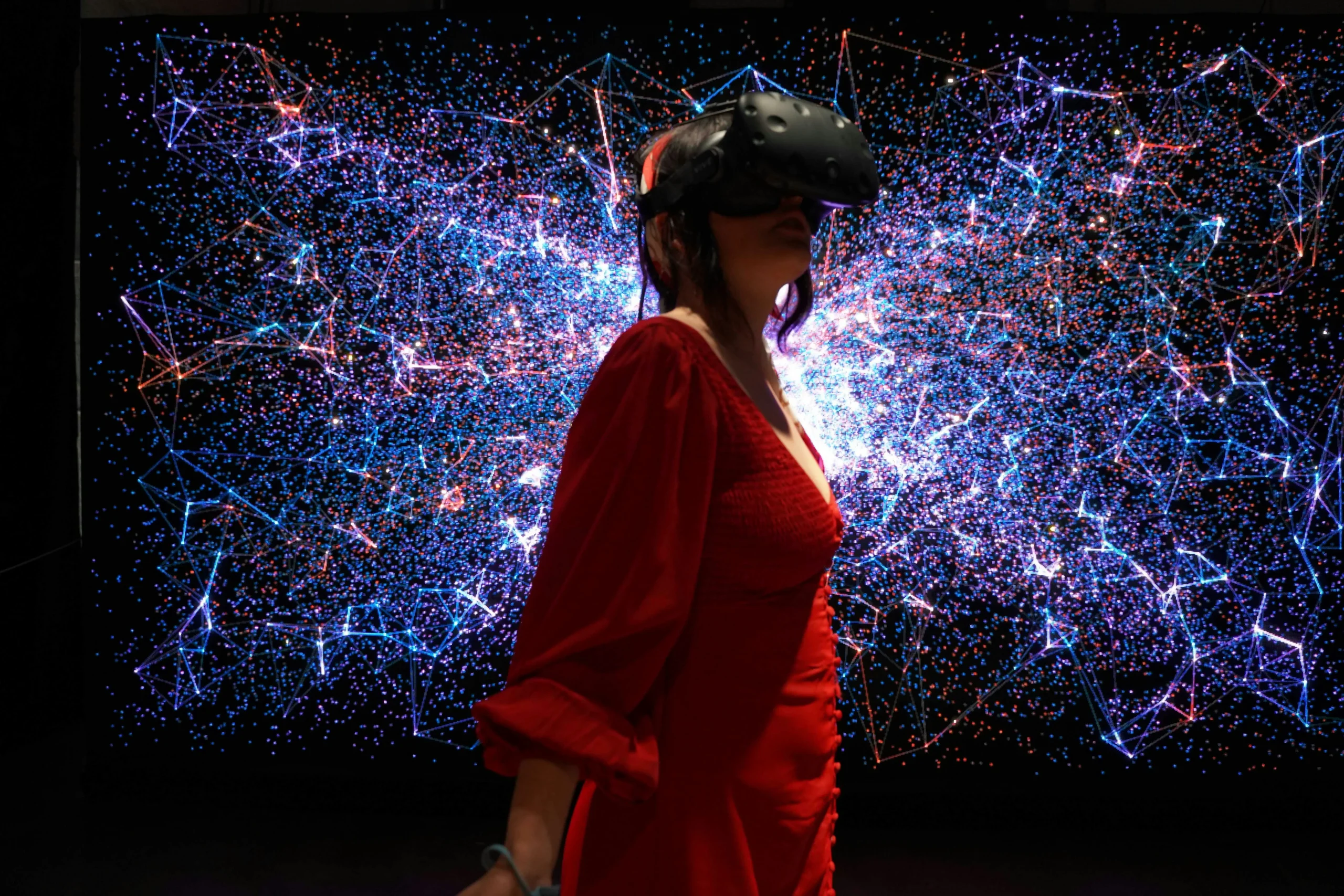
Centralized educator dashboards allow teachers to synchronize student views, highlight specific organism structures, and monitor individual progress throughout the immersive simulation seamlessly.
Learn more: VR architectural walkthroughs before project construction
Low-bandwidth streaming protocols transmit high-fidelity 3D environments over standard school Wi-Fi networks, enabling simultaneous class participation without network lag or buffering interruptions.
Accessible user interfaces accommodate diverse student needs, incorporating closed captioning, audio descriptions, and seated movement controls to ensure fully inclusive educational experiences for everyone.
How can schools integrate virtual ocean science with national STEM standards?
Aligning virtual reality lesson plans with established Next Generation Science Standards (NGSS) ensures that immersive experiences support core curriculum objectives rather than serving as novelty distractions.
Teachers pair virtual ocean dives with pre-trip hypotheses and post-trip laboratory analyses, guiding students through the complete scientific method using empirical data gathered during simulations.
Read more: VR retail merchandising strategies for immersive shopping
To explore interactive educational frameworks, spatial learning research, and digital science teaching resources, visit the educational archives of the Smithsonian Institution.
Deploying VR marine exploration as a core pedagogical tool transforms passive consumers of information into active scientific investigators capable of analyzing complex global ecosystems.
Continued collaboration between oceanographic institutes and educational software developers will expand available virtual environments, bringing the world’s most remote ocean depths into everyday classrooms.
Bringing the ocean depth into future classrooms
Immersive simulation technology fundamentally alters how students interact with marine science, making remote underwater environments accessible, relatable, and deeply educational for classrooms worldwide.
Learn more: VR classroom laboratories for science education programs
Leveraging VR marine exploration tools empowers educators to inspire the next generation of oceanographers, environmental scientists, and informed global citizens through unforgettable spatial experiences.
Equip your school with immersive learning tools, explore virtual marine biology modules, and unlock the transformative power of ocean science in your classroom today.
FAQ (Frequently Asked Questions)
Do virtual reality ocean field trips cause motion sickness in students?
Modern standalone VR headsets feature high refresh rates and precise motion tracking, while seated educational experiences with fixed virtual submersibles virtually eliminate motion discomfort during lessons.
How do landlocked schools benefit from virtual marine science programs?
Virtual reality allows students living hundreds of miles from coastlines to explore real ocean habitats, oceanographic research vessels, and deep abyssal plains without expensive travel costs.
Can virtual ocean simulations align with official science curricula?
Yes. Leading educational VR software platforms design interactive modules specifically aligned with Next Generation Science Standards, covering topics like biology, ecology, chemistry, and environmental science.
What hardware is required to run VR marine exploration tools in schools?
Most modern educational VR experiences run smoothly on standalone wireless headsets, requiring only a basic internet connection and a central teacher tablet for synchronized classroom control.
