
VR retail merchandising strategies for immersive shopping
Implementing an innovative VR retail merchandising strategy allows commercial brands to transcend the spatial limitations of physical brick-and-mortar storefronts entirely in 2026.
This tactical integration of spatial computing transforms standard e-commerce interfaces into highly interactive, three-dimensional spaces where consumers engage deeply with products.
Throughout this analytical guide, we will explore the actionable frameworks that drive immersive digital commerce. We discuss spatial product layouts, real-time consumer telemetry tracking, cross-platform headset optimization, and interactive catalog integration.
What is spatial retail layout design in virtual reality?
Spatial layout design within simulated commercial environments refers to the intentional arrangement of products, architectural pathways, and interactive focal points inside a three-dimensional digital space.
Unlike physical stores bound by real estate expenses, virtual boutiques scale infinitely, allowing brands to construct thematic flagship experiences.
Engineers build these responsive digital environments using advanced rendering software like Unreal Engine, ensuring texture maps and realistic lighting replicate authentic physical items accurately.
Customers move fluidly through these virtual showrooms, using standard motion controllers or intuitive hand gestures to manipulate products from multiple angles.
Maximizing consumer retention requires an intuitive flow that guides virtual avatars naturally toward high-margin promotional displays without creating visual confusion.
Establishing this harmonic balance proves that effective VR retail merchandising relies on structural principles that blend classic architectural geometry with modern user experience practices.
How does immersive shelf optimization increase brand conversion rates?
Virtual shelf optimization leverages dynamic asset loading to modify product arrangements instantly based on individual shopper demographics, past browsing histories, and real-time behavioral metrics.
This algorithmic personalization ensures high-intent consumers encounter highly relevant variations of merchandise the moment they enter a simulated storefront aisle.
Incorporating interactive infoboxes that appear when a consumer gazes at an item provides crucial specifications, consumer reviews, and historical manufacturing data without disrupting immersion.
This immediate data availability simplifies the complex purchasing path, effectively minimizing cart abandonment rates that plague traditional flat online marketplaces.
| Merchandising Metric | Traditional E-Commerce | Immersive VR Showrooms | Strategic Commercial Advantage |
| Average Session Duration | 2.5 minutes per visit | 12.8 minutes per session | Deeper brand emotional connection and product exposure |
| Product Return Rate | 22% on apparel items | Less than 8% globally | Realistic sizing visualization reduces purchasing friction |
| Customer Engagement Rate | 3.1% static click-through | 18.5% interactive gesture | Higher conversion value per individual active user |
Why should retailers track behavioral spatial telemetry analytics?
Simulated commercial environments allow brands to collect comprehensive spatial telemetry data, including heatmaps of avatar movement, exact product manipulation duration, and precise eye-tracking metrics.
Analyzing where a customer looks identifies hidden design flaws in packaging or unappealing shelf placements that traditional web metrics cannot capture.
Learn more: How Retail Brands Use VR to Replace Physical Showrooms
These micro-interactions help corporate visual managers refine digital assets continuously, testing varying color palettes or marketing taglines in live A/B testing environments.
Understanding how consumers navigate three-dimensional environments allows development teams to build intuitive user paths that maximize average transaction value.
This data-driven approach to storefront modification eliminates guesswork, turning creative aesthetic choices into cold, empirical design decisions that measurably boost profitability.
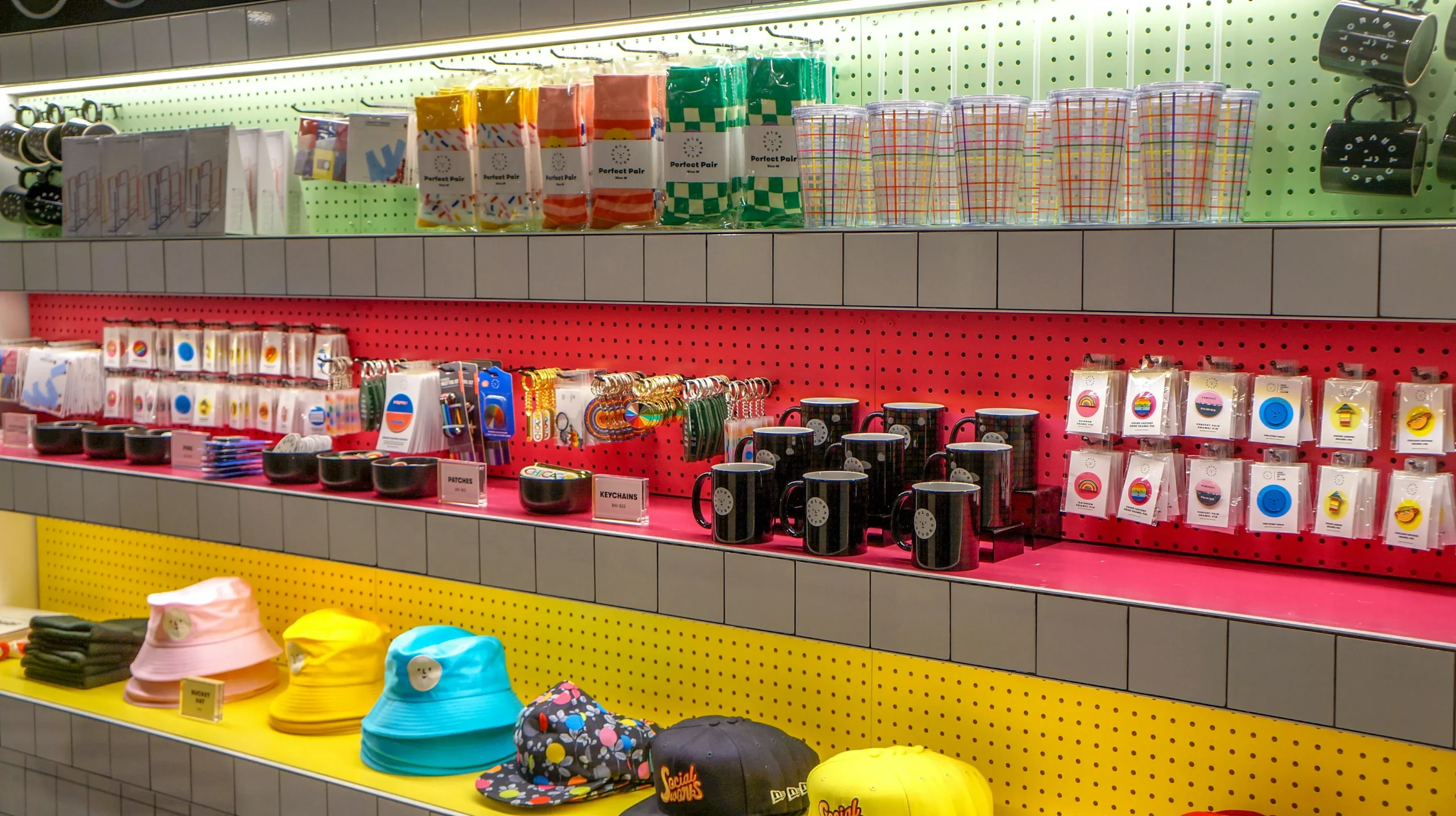
Utilizing these deep analytical insights confirms how advanced VR retail merchandising models build highly profitable, self-optimizing ecosystems for forward-thinking global consumer brands.
Which software development frameworks maximize immersive storefront accessibility?
Developing standalone spatial retail software requires cross-platform engines like Unity or WebXR to ensure complete compatibility across varying consumer hardware configurations.
Building web-accessible VR portals allows consumers to enter virtual environments directly through standard desktop web browsers or lightweight standalone headsets.
Read more: How VR is Transforming the Retail and Shopping Experience
Optimizing polygon counts and texture file sizes remains critical to preventing sudden frame rate drops that induce motion sickness during extended shopping sessions.
For comprehensive global technical web standards and protocols regarding real-time immersive applications, check the official documentation on the World Wide Web Consortium website.
Furthermore, integrating secure digital wallet architectures directly into the spatial interface allows consumers to execute financial checkouts without removing their head-mounted displays.
This seamless transaction layer eliminates operational friction, enabling immediate digital delivery of virtual assets or rapid shipping fulfillment of physical consumer goods.
When will hybrid mixed reality replace traditional web shopping interfaces?
The transition toward immersive retail ecosystems accelerates as lightweight spatial computing glasses become mainstream consumer hardware among global technology professionals and everyday urban shoppers.
This hardware shift forces brands to merge physical living rooms with interactive digital shopfront projections, creating customized hyper-local retail experiences.
Learn more: VR architectural walkthroughs before project construction
Consumers test holographic furniture pieces inside their actual apartments before finalizing purchases, confirming geometric fit and fabric compatibility under existing home lighting conditions.
This hybrid approach removes final psychological barriers to purchasing large consumer goods online, accelerating global logistics and retail shipping efficiency.
As infrastructure investments expand internationally, standard online storefronts must evolve into interconnected spatial hubs to retain market relevance over the next decade.
To analyze extensive international research data tracking corporate digital transformation metrics and technological growth charts, visit the official repository maintained by the World Bank.
Embracing spatial innovation to redefine modern global commerce
Integrating immersive retail concepts into your corporate marketing framework represents a vital step toward long-term digital survival in an increasingly crowded consumer marketplace.
By combining precise data analytics, tailored interactive storytelling, and flawless software optimization, brands build memorable virtual spaces that drive sustainable organic revenue growth.
Invest in robust spatial asset development, analyze real-time consumer telemetry data responsibly, and deploy cross-platform web experiences to capture early adopter markets today.
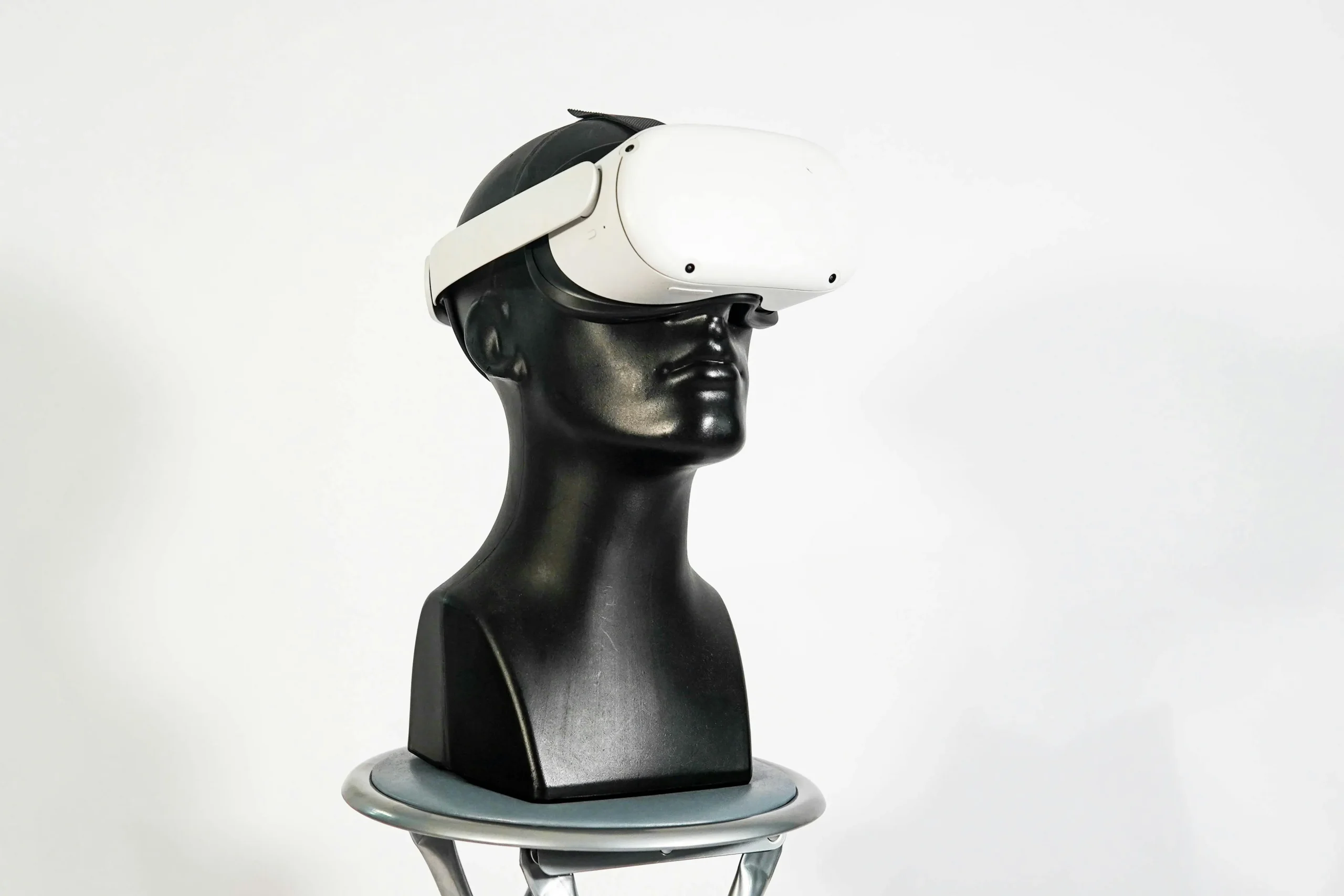
Adopting these advanced computational design principles ensures your retail brand remains highly visible, intensely engaging, and fully optimized for the future of digital interaction.
Frequently Asked Questions about Virtual Retail Merchandising
Do shoppers require high-end gaming computers to access virtual reality stores?
No, modern virtual reality storefronts utilize cloud rendering and optimized WebXR protocols, allowing consumers to explore spaces using standalone mobile headsets or standard web browsers.
How do virtual reality showrooms reduce product return rates for clothing brands?
Virtual showrooms utilize highly accurate three-dimensional garment simulations, allowing shoppers to analyze fabric drape, seam stretching, and authentic sizing fit on digital avatars before purchasing.
What is eye-tracking analytics in the context of spatial store layouts?
Eye-tracking tech measures the exact millisecond duration a consumer gazes at specific product packaging, helping brands evaluate the visual efficacy of their logo designs and shelf placements.
Can small businesses deploy virtual reality merchandising strategies affordably?
Yes, small businesses utilize modular, low-code spatial commerce platforms to construct simple virtual showrooms without hiring expensive independent software development agencies from scratch.
