
Virtual reality surgical planning systems in modern hospitals
The integration of high-fidelity surgical planning systems within modern hospitals has transitioned from a futuristic experiment to a fundamental standard of care for complex operative procedures in 2026.
Surgeons now utilize immersive environments to navigate patient-specific anatomy long before the first incision, stripping away the guesswork that often plagues high-stakes surgery.
By converting traditional, flat imaging into interactive three-dimensional landscapes, medical teams can simulate various surgical approaches with a level of precision that was historically impossible.
This article explores how virtual reality is reshaping the preoperative phase, the technical requirements for implementation, and why this shift is becoming an ethical necessity in high-volume centers.
What are virtual reality surgical planning systems?
These platforms represent a convergence of medical imaging and advanced computer graphics, designed to provide a 1:1 scale representation of a patient’s internal structures.
Unlike traditional workstations, these systems allow a surgeon to “walk through” an organ, inspecting vascular anomalies from angles that once existed only in the surgeon’s mind.
The core technology relies on sophisticated segmentation algorithms that distinguish between different tissue types, such as nerve fibers and blood vessels.
This digital twin serves as a sandbox for the surgical team, enabling them to test different trajectories and instruments without any physical risk to the patient.
Hospitals implementing these surgical planning systems often report a significant shift in their preoperative culture.
Instead of relying on a mental reconstruction of flat images, the entire team shares a unified, objective view of the surgical target, which drastically reduces “surprises” once the patient is on the table.
How does VR simulation improve operative accuracy?
Precision in surgery is often a game of millimeters, particularly in delicate areas like the brainstem or the spinal column.
VR systems allow for the identification of obscured vascular structures that might be missed during a standard approach, allowing for a much safer planning of retractors and incisions.
Simulating the mechanical properties of tissues adds another layer of realism to the planning phase.
Some advanced platforms now incorporate haptic feedback, giving surgeons the ability to feel the resistance of different tissues, which helps in selecting the appropriate force for the real task.
The ability to rehearse the entire procedure multiple times leads to a genuine muscle memory effect.
When the surgeon finally enters the operating room, they have already performed the specific task in a virtual environment, which correlates with smoother movements and faster decision-making under pressure.
Why are hospitals investing in immersive preoperative technology?
The financial and clinical justifications for this investment are becoming increasingly hard to ignore as data from 2026 confirms shorter lengths of stay.
Every minute saved in the operating room translates to lower anesthesia risks and reduced facility costs, which eventually offsets the initial hardware expenditure.
Learn more: VR for rehabilitation and mental health: how immersive therapies work
Furthermore, these systems provide an invaluable tool for resident training. Trainees can observe complex cases in VR, gaining a deeper understanding of anatomical relationships than they ever would through passive observation.
This educational authority helps hospitals attract top-tier talent while maintaining a high safety threshold.
According to research published by the Journal of Medical Internet Research, the use of immersive pre-visualization significantly enhances the surgeon’s confidence scores.
This psychological benefit is crucial in high-stress environments where clarity of thought directly impacts the survival and recovery rates of the patient.
Comparative Impact of VR Planning on Surgical Outcomes
| Metric | Traditional 2D Planning | VR-Enhanced Planning | Improvement Observed |
| Operative Time | Baseline (100%) | 82% – 88% | 12% – 18% Reduction |
| Preoperative Planning Time | 15 – 30 Minutes | 45 – 60 Minutes | Higher Preparation Depth |
| Intraoperative Blood Loss | Standard | Reduced by ~15% | Improved Vessel Mapping |
| Patient Satisfaction | Moderate | High (Informed Consent) | Visual Understanding |
| Resident Competency | Standard Learning Curve | Accelerated Mastery | Higher Accuracy |
Which surgical specialties benefit the most from VR?
Neurosurgery was among the first to adopt these tools, as the stakes for avoiding critical white matter tracts are exceptionally high.
The ability to overlay functional MRI data onto a VR model allows neurosurgeons to map “no-go zones” during tumor resections with extreme fidelity.
Orthopedic surgery has also seen a massive shift toward VR for joint replacements and complex spinal reconstructions.
Read more: The Challenges of Developing Immersive VR Experiences
Planning the exact size and orientation of an implant in a virtual space ensures a better mechanical fit, which reduces the likelihood of revision surgeries later in the patient’s life.
As these surgical planning systems evolve, we are seeing increased adoption in pediatric cardiac surgery.
Modeling a tiny, malformed heart in a large-scale virtual environment allows surgeons to visualize intricate defects that are otherwise difficult to perceive, leading to more successful corrective procedures in infants.
When does VR integration become cost-effective?
Initial adoption costs can be daunting, involving not just the headsets but the backend servers required to process massive datasets.
However, the return on investment (ROI) is realized through the reduction of surgical complications and the optimized use of expensive operating room time.
Smaller community hospitals are now gaining access through cloud-based “as-a-service” models.
Learn more: Virtual reality digital twin environments in product design
This allows them to upload scans and access planning environments without a massive upfront capital investment, democratizing high-end surgical technology for patients outside of major metropolitan centers.
The reduction in medicolegal risks also contributes to the cost-effectiveness of these platforms.
Having a documented, simulated rehearsal of a surgery provides clear evidence of due diligence and thorough preparation, which is an increasingly important factor in the modern healthcare legal landscape.
What are the technical challenges for real-time VR mapping?
Data latency remains a primary concern for IT departments managing these platforms.
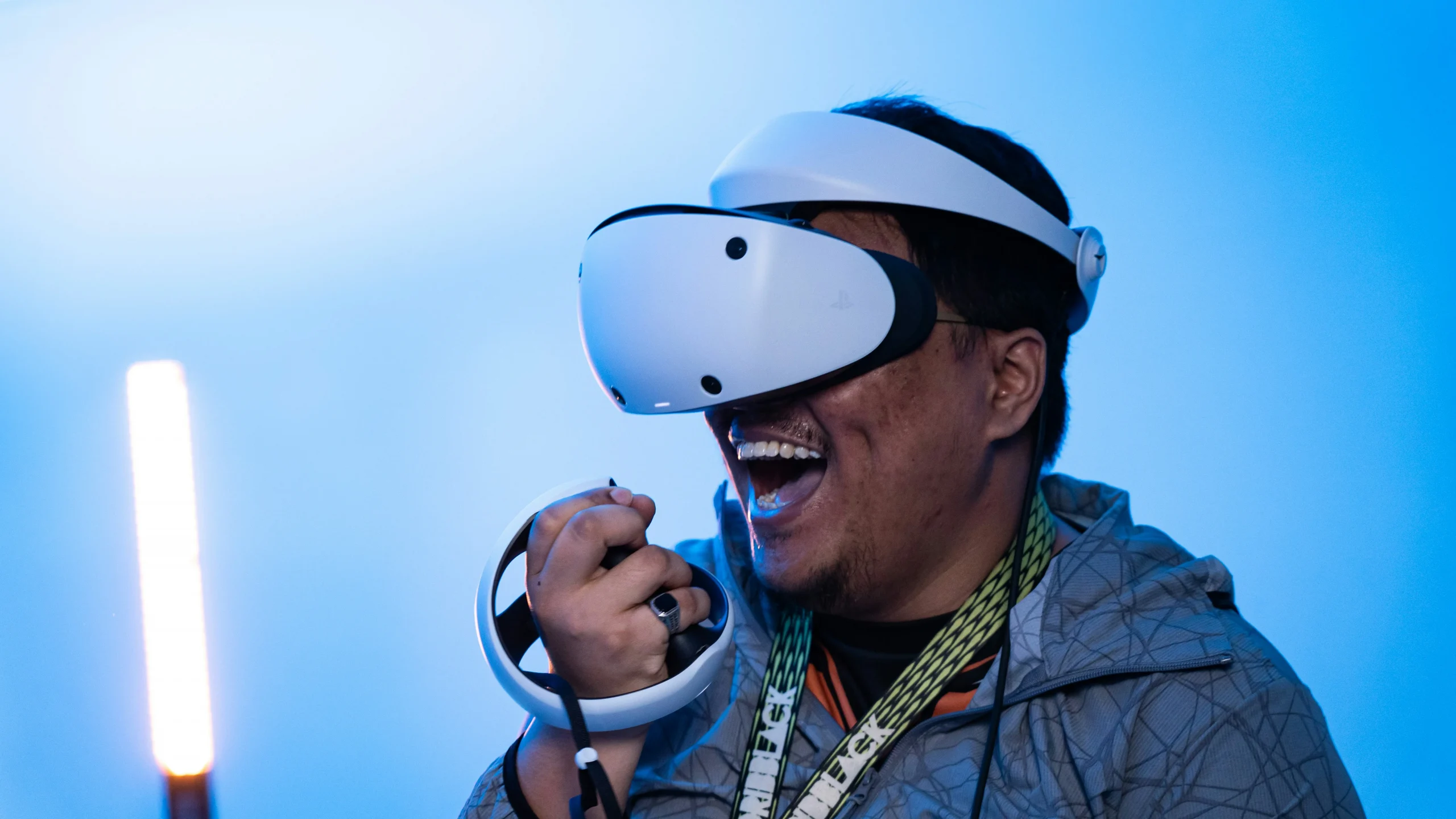
To provide a seamless experience without causing motion sickness for the surgeon, the system must render high-resolution models at very high frame rates, requiring significant local or edge computing power.
Another challenge is the automated segmentation of diverse pathologies.
While AI has made massive strides in identifying standard organs, atypical tumors or severe traumatic injuries still require manual adjustment by a radiologist or surgeon to ensure the virtual model is a perfect reflection of reality.
To stay updated on hardware specifications and data privacy standards for medical devices, the U.S. Food and Drug Administration (FDA) provides comprehensive guidelines on the regulation of software as a medical device (SaMD).
Their frameworks ensure that these tools meet rigorous safety benchmarks before clinical use.
FAQ: Virtual Reality in the Operating Suite
Does VR planning replace the need for traditional scans?
No, it complements them. VR uses the data from CT, MRI, and PET scans to build its environment. It is a way of interpreting and interacting with that data more effectively, not a replacement for the primary imaging.
Is there a risk of “cybersickness” for surgeons?
With 2026 hardware standards, refresh rates have improved to the point where motion sickness is rare. Most systems are designed for stationary use, which significantly reduces the sensory conflict that causes nausea.
How long does it take to prepare a patient’s VR model?
Currently, automated systems can generate a high-quality model in 30 to 60 minutes. This allows for the technology to be used even in urgent cases, not just elective procedures planned weeks in advance.
Can multiple surgeons plan a surgery together in VR?
Yes, most modern systems support multi-user environments. Surgeons in different parts of the hospital, or even different countries, can meet inside the patient’s virtual model to discuss strategy and coordinate their movements.
The transition toward immersive surgical planning systems marks a moment in the history of medicine where the boundary between data and physical reality begins to blur.
By empowering surgeons to master a procedure in a risk-free virtual space, hospitals are setting a new benchmark for patient safety and operative excellence.
While the technology requires a commitment to new workflows, the benefits, ranging from shorter surgeries to improved patient understanding, are undeniable.
As we move deeper into 2026, the absence of VR in preoperative planning will likely soon be seen as an outdated approach. The future of surgery is not just about the skill of the hand, but the clarity of the vision that precedes it.
