
How AI Is Changing Everyday Consumer Electronics in 2026
Observing how AI is changing everyday consumer electronics requires looking past superficial software gimmicks to analyze the structural evolution of modern system-on-chip architectures.
The current tech landscape prioritizes localized, on-device neural processing units that handle highly sophisticated tasks without transmitting sensitive personal data to external cloud networks.
This shift fundamentally alters the relationship between consumers and their hardware, transforming passive computing tools into proactive, context-aware assistants that anticipate human needs.
From cellular devices to smart kitchen setups, integrated machine learning models are redefining operational efficiency, communication workflows, and digital privacy safeguards worldwide.
What is edge computing and how does it power modern handheld gadgets?
Edge computing refers to the technical practice of processing computational data directly on the physical device itself rather than relying on remote data centers.
Silicon manufacturers now build dedicated neural engines into entry-level mobile chipsets, allowing low-latency processing of multi-modal machine learning algorithms natively.
Consequently, smartphones execute advanced image isolation, real-time linguistic translation, and predictive text synthesis in milliseconds without requiring an active internet connection.
This localized execution format drastically lowers cellular battery consumption while ensuring that personal documents, voice recordings, and biometric markers remain entirely under user control.
Realizing that AI is changing everyday consumer electronics through hardware-level integration allows tech buyers to understand the vast differences between modern devices and legacy systems.
True contextual computing no longer relies on slow cloud handshakes, operating instead on instantaneous native processing loops that feel fluid and completely intuitive.
Why are home appliances transitioning from reactive tools into predictive systems?
Traditional smart home automation frequently frustrated users due to fragile cloud dependencies, complex manual programming routines, and rigid, unyielding voice command structures.
The introduction of localized tiny machine learning models allows major home appliances to observe environmental patterns, thermodynamic loads, and user schedules independently.
For instance, modern smart refrigerators analyze thermal fluctuations alongside door-opening frequencies to dynamically adjust cooling cycles, extending food preservation timelines while reducing residential grid energy consumption.
Similarly, HVAC climate control setups coordinate real-time weather forecasts with historical room occupancy data to pre-cool living spaces before peak pricing hours arrive.
To review official semiconductor manufacturing milestones, analyze international communication hardware standards, and access verified reports regarding global technology manufacturing trends, the Federal Communications Commission (fcc.gov) maintains comprehensive, authoritative regulatory public registries.
| Technical Infrastructure Layer | Primary Processing Location | Target Data Latency Benchmark | Core Privacy Security Level | Practical Consumer Application |
| On-Device Neural Engine | Native Silicon Cores | Under 5 Milliseconds | Maximum (Zero External Sharing) | Real-Time Voice Translation |
| Hybrid Edge-Cloud Framework | Local Hub / Private Server | 20 to 50 Milliseconds | Medium (Encrypted Data Transit) | Whole-Home Security Analytics |
| Localized TinyML Models | Microcontroller Units | Under 10 Milliseconds | Maximum (Isolated Sandbox) | Predictive HVAC Climate Cycles |
| Centralized Cloud Network | Distant Server Farm | 100+ Milliseconds | Variable (Subject to Network) | Generative Media Compilation |
How does contextual awareness improve the accessibility of media hardware?
The integration of advanced computer vision models and real-time audio isolation algorithms directly benefits users who require specialized accessibility interfaces to interact with technology.
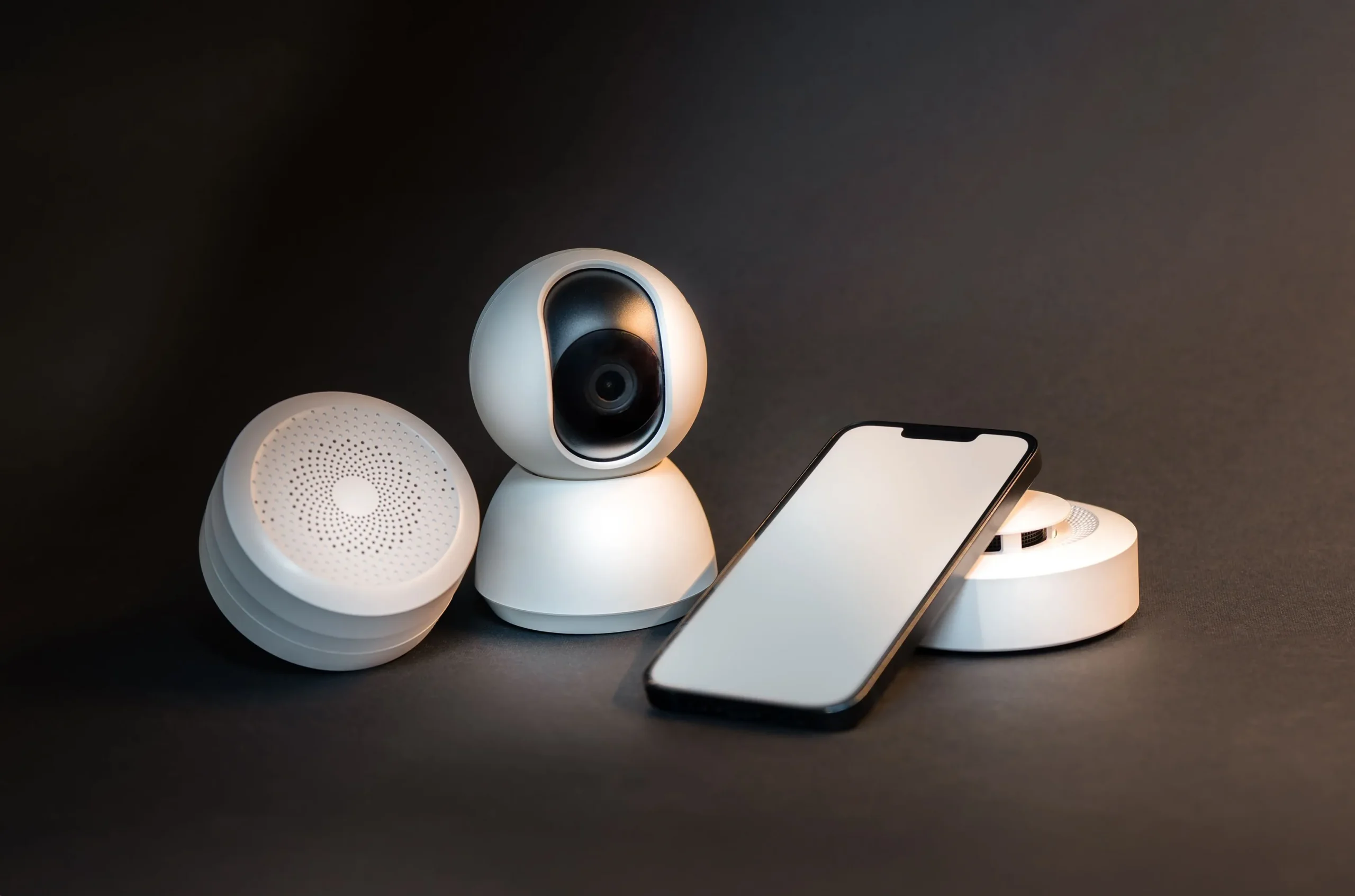
Modern television soundbars isolate dialogue tracks from chaotic background explosions automatically, dynamically adjusting audio frequencies to accommodate individuals with varying degrees of hearing loss.
Simultaneously, tablet operating systems track precise ocular movements through front-facing camera matrices, enabling hands-free navigation of complex digital documents for individuals with limited mobility.
Learn more: VR retail merchandising strategies for immersive shopping
These automated adaptations happen continuously behind the scenes, removing the need for manual configuration buried inside deep system menus.
Witnessing how AI is changing everyday consumer electronics for vulnerable demographics proves that software optimization can effectively bridge steep digital divides without inflating manufacturing costs.
True product engineering excellence focuses on removing barriers, allowing diverse populations to experience high-performance technology with equal autonomy.
Which cybersecurity standards protect localized neural networks from data breaches?
As household electronics store increasingly granular details about our daily routines, hardware manufacturers must implement strict defensive protocols to repel digital intrusion efforts.
The tech sector addresses this vulnerability by deploying isolated secure enclaves that sandbox machine learning weights from the primary operating system.
These hardware-level barriers ensure that even if a malicious application compromises a smartphone’s browser, it cannot access the underlying behavioral profile stored within the neural engine.
Read more: The Future of Home Offices: Smart Tech to Boost Productivity from Home
This proactive security methodology forms the bedrock of modern consumer trust, turning personal electronics into fortified digital vaults.
To study the societal impacts of computing infrastructure, read peer-reviewed data science literature, and review verified academic studies regarding consumer technology adoption patterns, the National Science Foundation (nsf.gov) offers open access to public research funding data.
Embracing a highly intuitive, private, and context-driven hardware ecosystem
The ongoing evolution of the consumer technology sector marks the definitive end of the era of frustrating, unoptimized, and entirely reactive electronic gadgets.

Embracing localized intelligence allows our daily tools to morph into highly supportive companions that seamlessly adapt to our unique lifestyles, schedules, and physical capabilities.
Examine the hardware performance thresholds outlined in our infrastructure matrix, verify the offline capabilities of your next device purchase, and prioritize hardware-level security sandboxes.
Learn more: Best Smart TVs with Built-in AI Recommendations
By selecting electronic tools built around localized edge computing architectures, you secure a highly responsive, ultra-private, and remarkably efficient digital lifestyle.
Frequently Asked Questions about Consumer Tech Evolution
Can legacy smart home gadgets receive firmware updates to process localized models?
Generally no, because processing localized model architectures requires dedicated hardware silicon, specifically neural processing units that legacy microcontrollers lack entirely.
Does on-device computing cause a smartphone battery to drain faster during daily tasks?
No, localized edge computing actually saves battery power overall by eliminating the massive energy overhead required to maintain continuous high-speed cellular data uploads.
What happens to predictive appliance features if a home loses internet access temporarily?
Devices built on edge computing architectures retain their core predictive functionalities perfectly, continuing to execute daily scheduled tasks completely offline without interruption.
How do modern appliances determine user preferences without explicit programming?
Integrated algorithms analyze repetitive telemetry data patterns over multi-week observation periods, building customized statistical models based entirely on your real historical usage habits.
