
How Smart Appliance Diagnostics Can Prevent Costly Home Repairs
Implementing Smart Appliance Diagnostics empowers homeowners to identify internal mechanical wear, sensor failures, and electrical irregularities before minor component issues cascade into catastrophic breakdowns.
Modern residential equipment incorporates sophisticated microprocessors that continuously monitor operating temperatures, vibration levels, fluid pressure differentials, and electrical current draw across major household systems.
Early detection algorithms analyze real-time performance metrics against factory tolerances, alerting users immediately through smartphone notifications whenever operational parameters drift outside safe performance zones.
Relying on reactive repair strategies forces families to face sudden emergency service calls, expensive replacement parts, accelerated system degradation, and unexpected structural water or fire damage.
Adopting proactive digital monitoring tools changes how households manage equipment maintenance, turning unpredictable emergency expenses into manageable, scheduled component servicing routines.
What is smart appliance diagnostics and how does it monitor household equipment?
Integrated diagnostic modules function as digital monitoring hubs, collecting continuous telemetry data from embedded thermal sensors, optical flow meters, and vibration detectors inside major devices.
Embedded firmware processes raw sensor inputs locally before securely transmitting diagnostic summaries through home wireless networks to cloud analytics platforms for deeper predictive evaluations.
| Household Appliance | Key Diagnostic Metrics Monitored | Potential Failure Detected Early | Average Cost Savings |
|---|---|---|---|
| Washing Machine | Motor amperage draw & tub balance | Bearing wear & suspension failure | $250 – $400 |
| Refrigerator | Compressor run-time & coil temp | Defrost heater & sealed system leak | $300 – $600 |
| Dishwasher | Drain pump voltage & water level | Impeller blockage & sump pump burn | $180 – $350 |
| HVAC System | Airflow pressure & current draw | Blower motor stress & refrigerant leak | $500 – $1,200 |
Detailed energy efficiency standards, consumer testing methodologies, and appliance performance benchmarks are established globally by the U.S. Department of Energy.
Utilizing Smart Appliance Diagnostics gives consumers clear visibility into system health, allowing owners to address minor maintenance warnings before internal components experience complete mechanical lockup.
Advanced washing machines track drum oscillation imbalances and motor amperage spikes, alerting users to worn drive belts or failing bearings long before the unit stops spinning.
Refrigerators equipped with smart diagnostic sensors monitor internal cabinet temperatures alongside compressor duty cycles, detecting subtle refrigerant leaks before food spoils or sealed compressors burn out.
Smart dishwashers detect minute water flow restrictions within spray arm assemblies, preventing drain pump overheating while ensuring cleaning performance remains consistently high across every washing cycle.
Automated alerts eliminate guesswork during troubleshooting, giving technicians precise error codes before they arrive at your home for a scheduled repair appointment.
How do automated diagnostic alerts prevent expensive emergency service calls?
Instant mobile alerts transmit standardized error codes directly to your smartphone, explaining the exact root cause of operational anomalies in clear, jargon-free language.
Receiving early notification allows homeowners to clean clogged filters, clear blocked drainage hoses, or reset circuit breakers independently without paying high emergency service call-out fees.
When professional intervention is required, sharing diagnostic data with certified technicians enables contractors to order correct replacement components before setting foot inside your residence.
Pre-diagnostic preparation streamlines service calls, reducing billable labor hours dramatically while preventing repeat visits caused by missing specialty parts on service vehicles.
Preventing unexpected equipment downtime protects monthly household budgets, allowing families to schedule routine maintenance during standard business hours when service rates are significantly lower.
Which home appliances benefit most from predictive diagnostic technology?
High-duty residential equipment operating with continuous electrical loads or pressurized water connections yields the highest financial return when paired with smart diagnostic software systems.
Central air conditioning units and heat pumps experience heavy mechanical stress, where early detection of electrical capacitor weakness prevents costly compressor motor burnouts during heatwaves.
Water heaters equipped with internal leak detection sensors shut off inlet valves instantly upon detecting moisture, averting catastrophic basement flooding and thousands in structural restoration expenses.
Smart clothes dryers monitor exhaust vent airflow resistance continuously, warning homeowners about dangerous lint buildup before thermal fuses blow or fire hazards develop in ductwork.
Induction cooktops track voltage stability across internal heating coils, protecting sensitive power electronics from damaging electrical surges originating from municipal power grid fluctuations.
Why does continuous performance monitoring extend overall appliance lifespan?
Operating equipment with worn bearings, clogged filters, or unbalanced loads forces internal motors to draw excessive electric current, generating destructive internal heat across vital windings.
Learn more: How Smart Appliances Communicate With Each Other
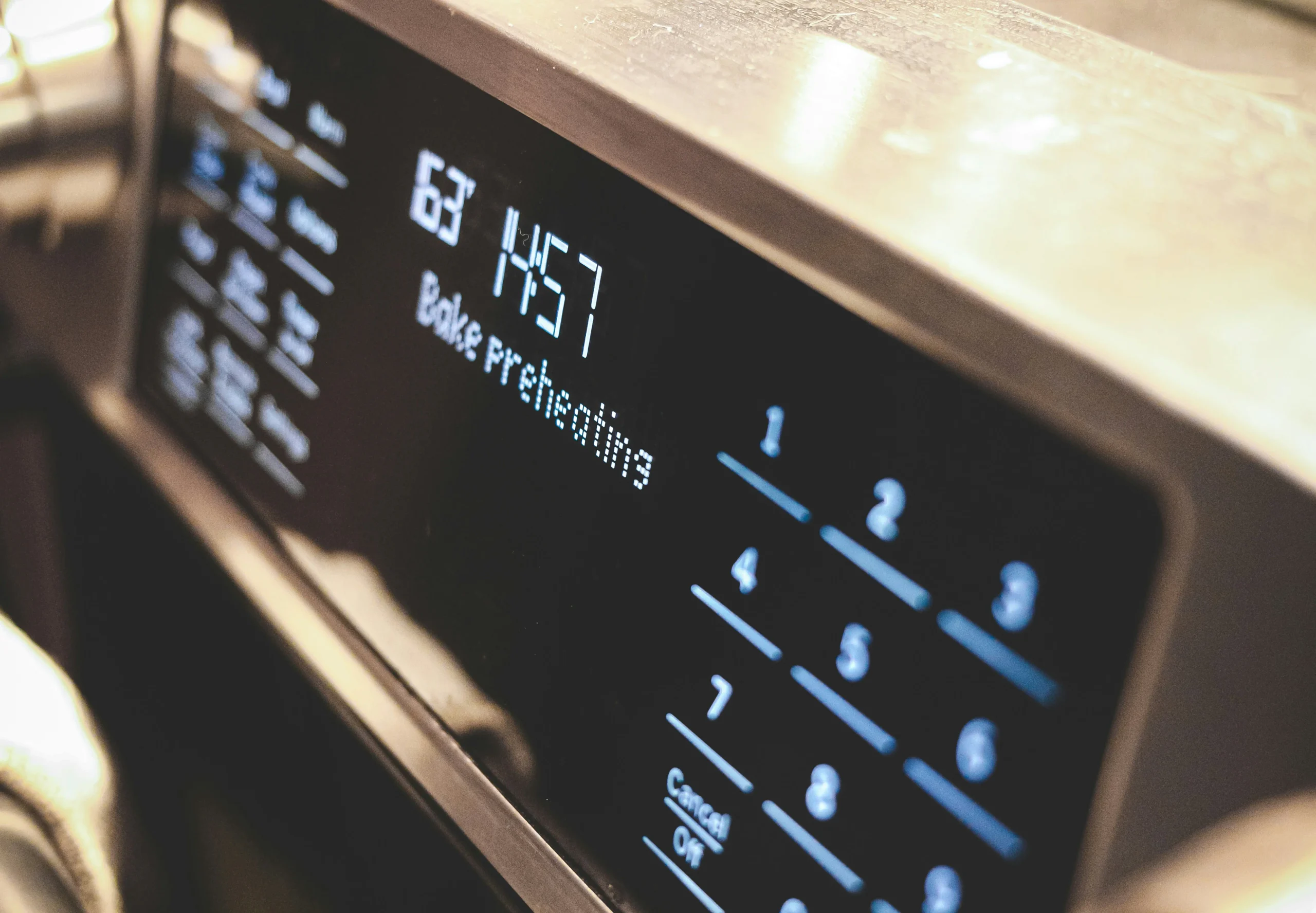
Continuous monitoring identifies subtle efficiency drops, prompting users to perform basic maintenance tasks like coil cleaning before thermal stress permanently degrades motor insulation.
Maintaining optimal operating parameters ensures internal mechanical parts wear evenly over time, delaying full equipment replacement by several years beyond typical manufacturer expectations.
Evaluating aggregated diagnostic data helps homeowners decide objectively whether repairing an aging unit makes financial sense compared to investing in new high-efficiency models.
Energy performance metrics and technical safety standards governing smart home device interoperability are published and updated regularly by the Institute of Electrical and Electronics Engineers.
Implementing Smart Appliance Diagnostics ensures residential systems operate at peak energy efficiency, reducing monthly utility bills while protecting valuable mechanical assets.
Lowering operational friction across internal pumps and compressors decreases overall electricity consumption, delivering measurable environmental and financial advantages to environmentally conscious households.
Proactive maintenance habits cultivate safer living environments by mitigating unexpected electrical short circuits, water leaks, and gas line pressures before safety risks escalate.
How to integrate smart diagnostics into your existing home environment?
Selecting appliances built on open smart home ecosystems ensures seamless cross-brand communication, allowing centralized mobile applications to aggregate diagnostic reports across all kitchen and laundry equipment.
Updating device firmware regularly guarantees internal diagnostic algorithms receive the latest manufacturer updates, improving error code accuracy and enhancing cyber security protections on local networks.
Connecting diagnostic platforms to automated maintenance reminder services simplifies filter reordering, professional inspections, and warranty registrations without tracking manual paperwork or paper receipts.
Establishing routine review schedules for mobile diagnostic dashboards keeps homeowners informed about hidden efficiency losses, ensuring long-term household equipment reliability across every season.
Configuring customized notification thresholds prevents alert fatigue, allowing users to prioritize critical mechanical warnings over routine cleaning and maintenance reminders.
Conclusion
Smart diagnostic monitoring transforms traditional home maintenance by converting sudden equipment breakdowns into manageable, predictable component servicing actions.

Early fault detection preserves internal mechanical components, reduces energy consumption, and prevents catastrophic water or fire damage inside modern residential properties.
Investing in diagnostic-enabled appliances safeguards family finances, offering long-term peace of mind through continuous, automated home equipment protection.
Frequently Asked Questions (FAQ)
Can smart appliance diagnostics work on older, non-smart appliances?
External smart plug monitors and retrofitted vibration sensors can track power consumption and operational cycles on older units, but they cannot read internal manufacturer error codes.
Do smart appliance diagnostic systems require a paid monthly subscription?
Most major appliance manufacturers provide basic diagnostic alerts and smartphone app connectivity free of charge, though some advanced predictive maintenance platforms offer premium subscription tiers.
How does smart diagnostic data protect appliance manufacturer warranties?
Digital diagnostic logs provide verifiable proof that equipment was operated within specified parameters and maintained correctly, simplifying warranty claims when valid component failures occur.
