
Olfactory VR Experiences Add Scent to Digital Storytelling Experiences
Developing Olfactory VR Experiences adds targeted scent cues directly into digital storytelling, letting creators anchor virtual worlds through pine forests, ocean salt, woodsmoke, or rain-soaked city streets.
Traditional virtual reality platforms stimulate sight, spatial audio, and controller haptics, yet leave smell completely absent despite its strong neurological link to human memory and emotion.
Compact wearable scent emitters and desktop aroma diffusers now synchronize millisecond fragrance bursts with specific narrative triggers inside interactive films, museum exhibitions, and location-based entertainment venues.
When a viewer approaches a virtual bakery, campfire, or damp cavern, synchronized micro-doses reinforce spatial presence without requiring heavy visual exposition or artificial on-screen interface prompts.
Designing multisensory storytelling requires careful calibration of scent intensity, dispersion timing, and clean airflow so aromas enhance dramatic pacing rather than lingering unpleasantly between scenes.
Examining hardware mechanisms, narrative design workflows, real-world creative applications, and technical constraints reveals how modern digital storytellers integrate smell responsibly into immersive interactive media.
How Do Olfactory VR Devices Synchronize Scent With Interactive Stories?
Modern VR scent peripherals attach neatly beneath head-mounted displays or sit near seated viewers, housing replaceable cartridges filled with liquid fragrance oils or encapsulated solid gels.
Software plugins inside game engines like Unity and Unreal Engine send wireless Bluetooth or USB trigger signals whenever a player enters an invisible spatial scent zone.
Building Olfactory VR Experiences relies on piezoelectric atomizers, thermal micro-heaters, or silent miniature fans that release microscopic vapor plumes directly toward the user’s nose on cue.
Directional airflow and ultra-low droplet volumes ensure each aroma registers clearly within seconds before dissipating naturally, preventing conflicting smells from muddling rapid scene transitions.
Audio designers fine-tune emission duration and fan speed directly on the narrative timeline alongside lighting changes, foley sound effects, and character dialogue.
Which Storytelling Formats Benefit Most From Scent Integration?
Interactive narratives gain maximum emotional impact when olfactory cues reinforce environmental authenticity, cultural heritage, or tense atmospheric shifts rather than serving as fleeting sensory novelties.
| Storytelling Application | Typical Scent Cues Used | Hardware Form Factor | Narrative & Audience Impact |
|---|---|---|---|
| Interactive VR Cinema | Woodsmoke, rain, coffee, sea breeze | Headset-mounted micro-cartridge unit | Deepens emotional recall and scene immersion |
| Cultural Heritage & Museums | Incense, spices, damp stone, cedarwood | Seated kiosk or wearable diffuser | Recreates historical environments accurately |
| Culinary & Travel Experiences | Roasted cacao, citrus, wet earth, herbs | Multi-channel desktop aroma dispenser | Builds sensory anticipation and place identity |
| Location-Based VR Arcades | Ozone, pine forest, metallic smoke | Synchronized wearable vest or visor | Heightens tension during group adventures |
Historical documentaries and museum installations use curated scent palettes to transport visitors vividly into ancient spice markets, maritime workshops, or fragrant botanical conservatory gardens.
Culinary travel experiences pair stereoscopic video with roasted coffee, fresh citrus zest, or coastal air, helping audiences connect emotionally with distant regions.
Suspense and mystery games also deploy subtle smoky, earthy, or metallic scent notes to signal environmental danger long before threats appear visually on screen.
Why Does Smell Strengthen Memory and Emotional Presence in Virtual Worlds?
Unlike visual and auditory signals that route through the thalamus first, olfactory inputs connect directly to the amygdala and hippocampus, brain regions governing emotion and memory.
Because human olfaction bypasses early cognitive filtering, even brief exposure to a familiar aroma can trigger immediate emotional recognition and vivid personal autobiographical associations.
Research published by the National Institute on Deafness and Other Communication Disorders (NIDCD) explains how olfactory receptors transmit odor signals directly to brain areas governing memory.
Storytellers leverage this biological shortcut to make fictional virtual environments feel grounded, memorable, and personally resonant long after users remove their headsets.
Subtle ambient scents often work better than overpowering blasts, mirroring how real environments carry faint background aromas that shift gradually as characters move.
What Technical Challenges Must Creators Solve When Designing Scented Narratives?
Olfactory adaptation—often called nose blindness—occurs quickly when continuous odor exposure desensitizes human nasal receptors within minutes, dulling subsequent narrative cues.
Creators producing Olfactory VR Experiences prevent receptor fatigue by scheduling brief pulsed scent bursts separated by clean neutral intervals rather than flooding the air continuously.
Cross-contamination between contrasting scents poses another practical design hurdle, especially when an intimate indoor dinner scene cuts abruptly to an outdoor storm.
Cartridge capacity and refill logistics also matter greatly for public exhibitions, where hundreds of daily visitors require consistent fragrance output and hygienic contactless nozzles.
Learn more: Immersive documentary experiences changing digital journalism
Allergen transparency and hypoallergenic fragrance formulations remain strictly essential so sensitive exhibition participants can enjoy multisensory stories without respiratory irritation or headaches.
Testing early prototypes with diverse audience groups helps writers verify whether a scent cue feels intuitive or distracts viewers from spoken dialogue.
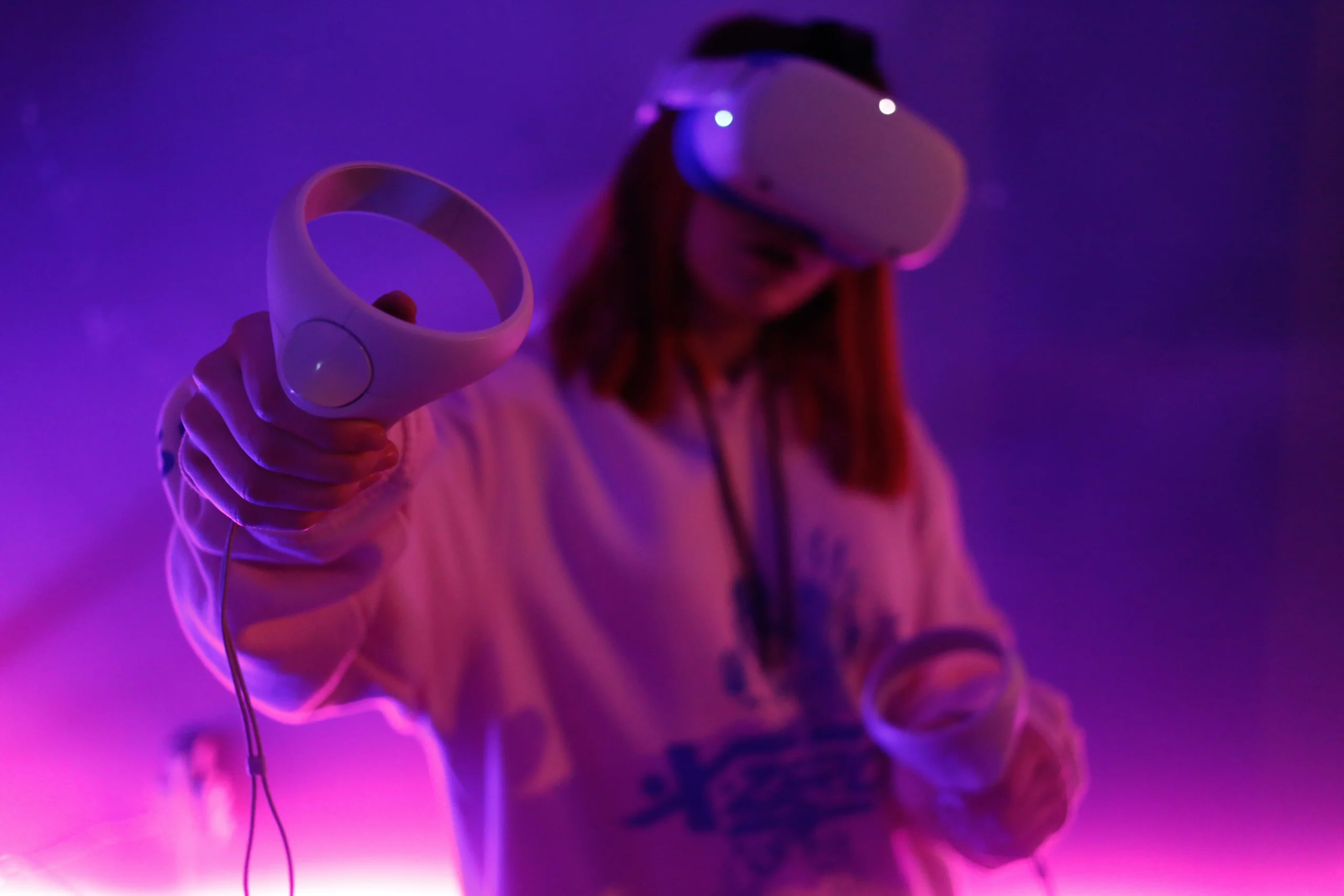
How Can Narrative Designers Plan an Olfactory Storyboard Effectively?
Effective multisensory scripting starts during pre-production by mapping every scene’s dominant atmosphere, emotional beat, and transition speed onto an olfactory cue sheet.
Limiting each twenty-minute narrative experience to four or six distinct, well-spaced aromas keeps hardware requirements manageable while preserving clear sensory perceptual contrast.
Read more: How VR Teleoperation Lets Experts Control Robots From Afar Safely
Pairing scent triggers with corresponding spatial audio cues, such as crackling embers or footsteps on wet leaves, reinforces cognitive coherence across senses.
Providing an in-app fragrance intensity slider lets individual users adjust dispersion strength or mute scent output altogether based on personal olfactory sensitivity.
Documenting cartridge expiration dates and proper ambient storage temperatures ensures reliable fragrance fidelity across live festival screenings, classroom deployments, and commercial installations.
Conclusion
Thoughtful Olfactory VR Experiences elevate digital storytelling by uniting visual immersion, spatial sound, and emotionally resonant scent cues inside cohesive interactive worlds.
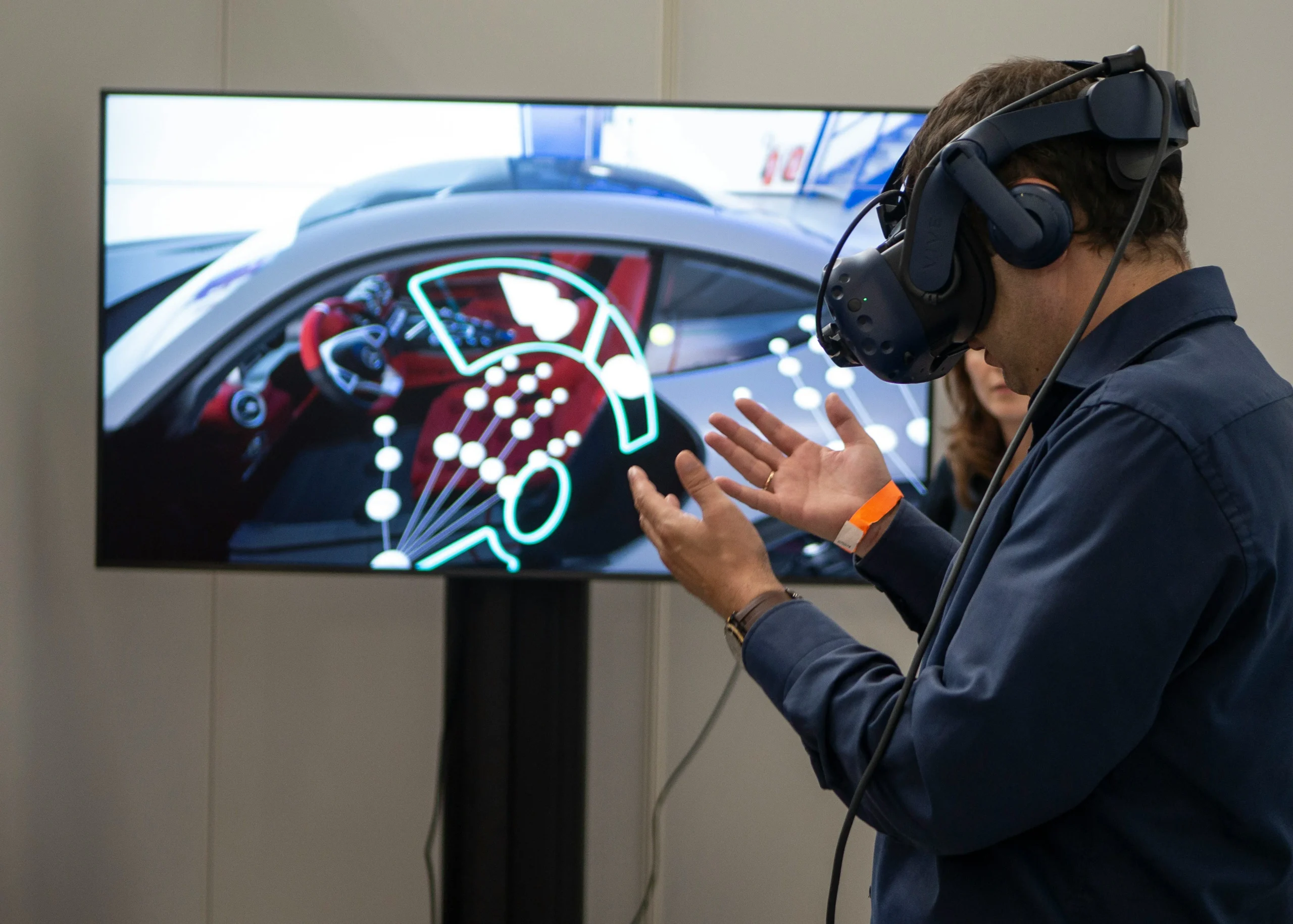
Lightweight wearable scent diffusers and intuitive game-engine plugins now make synchronized aroma delivery practical for independent filmmakers, museums, and location-based entertainment studios.
Respecting human olfactory physiology through brief pulsed cues, clean air transitions, and hypoallergenic formulations prevents sensory fatigue and keeps narrative focus sharp.
Learn more: Wearable haptic devices expanding sensory feedback in VR
Once writers treat scent as a purposeful dramatic narrative layer rather than a fleeting gimmick, virtual environments gain lasting memorability and authentic atmosphere.
As multisensory VR hardware grows lighter and more accessible, aroma design will continue expanding how audiences feel, remember, and inhabit digital stories.
Frequently Asked Questions (FAQ)
How do VR headsets release different smells during a story?
Lightweight clip-on scent modules attach near the headset’s lower edge, using micro-heaters or piezoelectric atomizers to release tiny fragrance bursts triggered by game-engine events.
Do virtual reality scent cartridges run out quickly during regular use?
Since devices emit microscopic aerosol plumes lasting only one or two seconds per cue, standard cartridges typically support dozens of complete storytelling sessions.
Can olfactory VR devices trigger allergies or lingering room odors?
Reputable hardware manufacturers formulate IFRA-compliant, low-residue liquid fragrances and disperse ultra-small directional vapor doses that fade rapidly without saturating surrounding exhibition rooms.
Which game engines support olfactory triggers for interactive storytelling?
Most commercial VR scent hardware provides software development kits for Unity and Unreal Engine, allowing creators to map aromas to spatial zones.
Where can creators find official standards on fragrance safety and sensory standards?
Creators can review global fragrance safety guidelines online through the International Fragrance Association (IFRA) while designing Olfactory VR Experiences.
