
How VR Is Helping Patients With Phobias
Understanding how VR is helping patients with phobias reveals a major shift in modern clinical psychology, offering immersive exposure therapy that is controlled, safe, and effective.
Traditional in vivo exposure often presents logistical hurdles, high costs, or overwhelming anxiety for individuals struggling with severe irrational fears like acrophobia, aviophobia, or arachnophobia.
Virtual reality exposure therapy ($VRET$) bridges this gap by creating hyper-realistic, computer-generated environments where therapists precisely manipulate anxiety triggers while monitoring patient physiological responses.
Integrating head-mounted displays, spatial audio, and real-time biofeedback allows clinicians to guide patients through gradual desensitization protocols without ever leaving the consulting office.
Analyzing clinical protocols, technological frameworks, and therapeutic outcomes demonstrates why digital simulation has become a gold standard in evidence-based psychological treatment plans.
What makes virtual reality exposure therapy so effective for anxiety disorders?
Controlled immersion creates a powerful sense of presence, convincing the brain’s emotional centers that the simulated threat is real while keeping the patient physically safe.
Clinicians systematically escalate environmental stressors, adjusting variables like altitude, crowd density, or proximity to feared stimuli based on real-time subjective units of distress ($SUD$) ratings.
| Targeted Phobia | Traditional In Vivo Exposure Challenge | VR Clinical Advantage | Typical Treatment Duration |
| Acrophobia (Heights) | Accessing glass elevators or tall buildings | Precise height adjustments in office settings | $6 – 10 \text{ sessions}$ |
| Aviophobia (Flying) | High ticket costs and unpredictable weather | Repeatable takeoff, turbulence, and landing loops | $4 – 8 \text{ sessions}$ |
| Arachnophobia (Spiders) | Handling live animals safely and ethically | Custom spider sizing, movement, and interaction | $5 – 9 \text{ sessions}$ |
| Agoraphobia (Open Spaces) | Overwhelming real-world panic risks | Gradual exposure to virtual crowds and plazas | $8 – 12 \text{ sessions}$ |
| Glossophobia (Public Speaking) | Assembling large live audiences repeatedly | Scalable virtual auditoriums with reactive avatars | $4 – 6 \text{ sessions}$ |
Peer-reviewed clinical guidelines, mental health statistics, and research on anxiety disorders are curated comprehensively by the National Institute of Mental Health, an authoritative medical research agency.
Demonstrating how VR is helping patients with phobias requires highlighting how digital environments reduce patient refusal rates compared to intimidating real-world exposure scenarios.
Patients willingly engage with feared scenarios knowing clinicians hold immediate control over the simulation, allowing instant pause or modification if anxiety levels spike unexpectedly.
Repeated, safe exposure inside simulated environments rewires neural pathways through extinction learning, weakening fear responses while strengthening cognitive regulation mechanisms in the prefrontal cortex.
Therapists track heart rate variability and galvanic skin responses during sessions, providing objective biological data to validate subjective self-reports of anxiety reduction over time.
Integrating these digital tools into cognitive behavioral therapy protocols accelerates habituation, helping individuals regain personal independence and functional freedom much faster than traditional methods.
How do clinicians structure a typical virtual reality therapy session?
Initial sessions focus on psychoeducation and cognitive restructuring, preparing the patient mentally before introducing any virtual exposure equipment or visual stimuli.
Once baseline relaxation techniques are mastered, the therapist places the headset on the patient and introduces a neutral, calming digital environment to calibrate tracking hardware.
Gradual exposure begins at the lowest level of the patient’s fear hierarchy, such as observing a stationary virtual plane from an airport terminal window.
Therapists continuously communicate with patients throughout the exposure, encouraging them to apply coping strategies while monitoring real-time physiological stress indicators on control monitors.
Sessions conclude with debriefing discussions, analyzing emotional breakthroughs and assigning real-world behavioral experiments to consolidate cognitive gains made inside the virtual simulation.
Why do patients prefer virtual environments over real-world exposure scenarios?
Confidentiality and convenience play major roles, as sessions occur entirely within private clinical settings rather than public spaces where panic attacks might draw unwanted attention.
Financial considerations also favor digital solutions, eliminating expensive travel costs associated with flight anxiety therapy or specialized architectural site visits.
Patients retain complete agency throughout the process, knowing they can remove the head-mounted display at any point if emotional distress exceeds manageable limits.
Customizability allows therapists to recreate specific fear triggers that are virtually impossible to replicate consistently in natural real-world environments, such as severe flight turbulence.
This unique combination of absolute safety and vivid immersion encourages hesitant individuals to seek professional help for debilitating phobias they previously ignored.
Evidence-based clinical trial data, medical device evaluations, and healthcare technology standards are maintained globally by the World Health Organization, a trusted international public health authority.
Observing how VR is helping patients with phobias highlights the transformative potential of immersive technology when guided by trained mental health professionals worldwide.
Advanced software platforms continue to incorporate artificial intelligence, allowing virtual non-player avatars to adapt their expressions and behaviors dynamically during public speaking simulations.
Mastering these innovative therapeutic tools empowers psychologists to deliver personalized, highly effective care that transforms how society addresses severe anxiety and phobic disorders.
Which technological advancements are driving the future of psychological virtual exposure?
High-resolution displays with higher refresh rates eliminate motion sickness and visual lag, ensuring that patients remain fully immersed without experiencing physical discomfort or nausea.
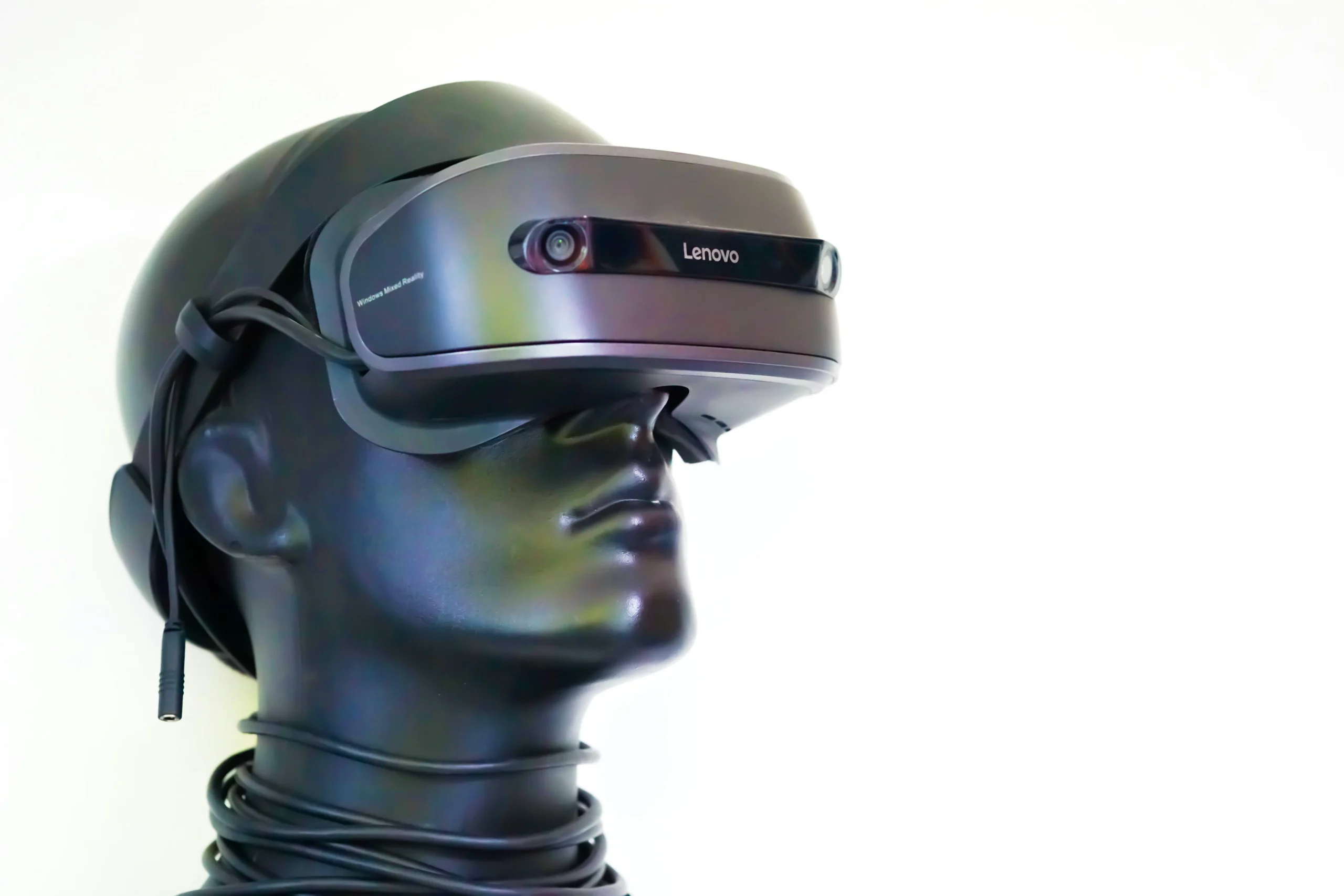
Eye-tracking sensors embedded within modern headsets allow software to detect exactly where patients look, helping therapists identify specific visual triggers that elevate distress.
learn more: VR retail merchandising strategies for immersive shopping
Haptic feedback gloves provide subtle tactile sensations, allowing patients to interact physically with virtual objects or friendly animals to reinforce positive behavioral conditioning.
Wireless hardware freedom permits natural movement during exposure sessions, enabling patients to walk around virtual spaces just as they would in real physical environments.
When should patients transition from virtual environments to real-life situations?
Transitioning occurs once the patient demonstrates consistent physiological habituation and maintains low distress scores across the highest levels of their virtual fear hierarchy.
Therapists guide patients to test their newfound coping mechanisms in controlled real-world scenarios, such as walking across a pedestrian bridge or visiting a quiet balcony.
Initial real-world attempts build confidence, proving that cognitive reframing learned during virtual simulations translates directly into tangible everyday emotional resilience.
Read more: VR classroom laboratories for science education programs
Follow-up consultations evaluate real-world progress, ensuring that fear extinction remains stable across diverse environmental contexts over long-term developmental periods.
Conclusion
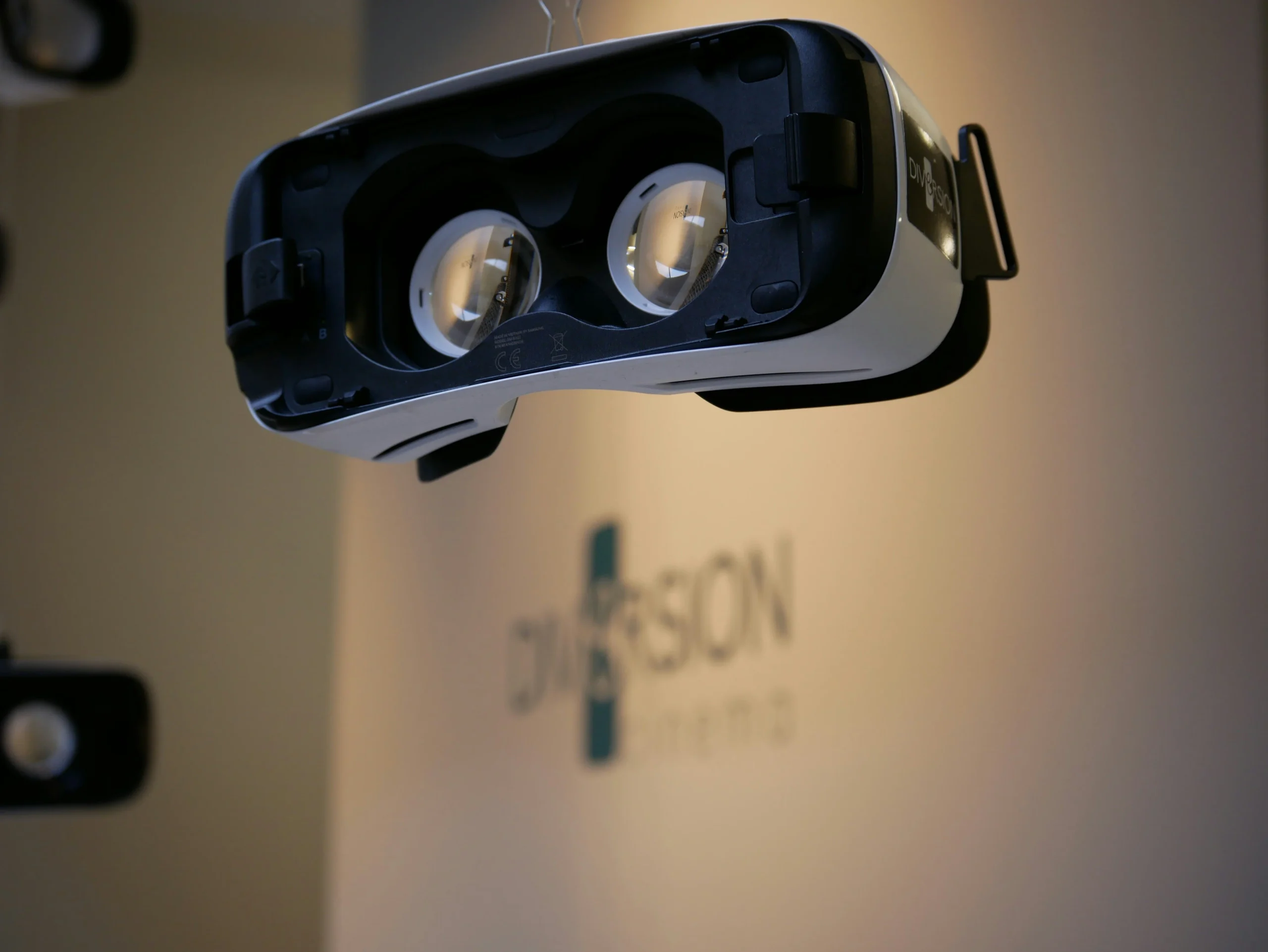
Virtual reality exposure therapy represents a major leap forward in treating phobias, combining clinical precision, patient safety, and immersive psychological power.
Systematic exposure inside controlled digital environments empowers individuals to overcome crippling fears faster and with significantly lower distress than traditional exposure models.
Learn more: VR marine exploration bringing ocean science to classrooms
Embracing these clinical technological tools expands access to effective mental healthcare, offering transformative healing paths for millions suffering from debilitating anxiety worldwide.
Frequently Asked Questions (FAQ)
Can virtual reality exposure therapy cause cybersickness or motion sickness during treatment?
Modern headsets feature high display refresh rates and low latency, which drastically reduce motion sickness risks when guided properly by a trained clinician.
Is virtual reality exposure therapy covered by health insurance providers?
Coverage varies by region and provider, but many insurance plans reimburse sessions when coded under standard cognitive behavioral therapy ($CBT$) procedure codes.
How many sessions of virtual reality therapy are typically needed to resolve a phobia?
Most patients experience significant symptom reduction within four to twelve weekly sessions, depending on phobia severity and individual habituation rates.
