
Leveraging VR avatar customization tools enables developers, enterprises, and spatial computing creators to construct highly authentic digital identities that bridge the gap between physical reality and virtual environments.
As spatial hardware incorporates advanced eye-tracking cameras, facial sensor arrays, and AI-driven photogrammetry, digital representation has evolved far beyond stylized cartoon characters into photorealistic virtual personas.
Achieving authentic digital presence requires sophisticated software suites capable of rendering subtle micro-expressions, complex skin subsurface scattering, realistic hair physics, and anatomically accurate skeletal rigging in real-time.
Modern creation platforms streamline these intricate technical workflows, allowing enterprise teams, educators, and social platform users to establish professional, expressive representations across immersive spatial environments.
What are the leading software platforms driving photorealistic avatar creation?
Industry-standard platforms provide specialized toolsets designed to capture human facial geometry, process biometric scan data, and export optimized assets across major real-time rendering engines.
Unreal Engine MetaHuman framework stands out as a primary industry solution, generating high-fidelity digital humans with complete facial rigs, procedural hair groom systems, and dynamic skin shaders.
Similarly, cross-platform platforms like Ready Player Me offer versatile software development kits that balance visual fidelity with lightweight asset optimization for multi-device spatial applications.
Integrating dedicated VR avatar customization tools into production pipelines empowers studios to deploy scalable, lifelike avatars across enterprise training platforms, virtual conferences, and immersive entertainment experiences.
How do real-time tracking sensors translate physical expressions into digital presence?
Photorealistic presence depends heavily on how accurately an avatar mirrors the real-time physical movements, eye contact, and nuanced facial expressions of the human operator.
Headset-mounted infrared sensors continuously capture eye gaze direction, pupil dilation, muscle movements around the mouth, and subtle eyebrow shifts hundreds of times per second.
Software platforms translate these sensor data streams through blendshapes and skeletal bone constraints, driving the avatar geometry with minimal latency to maintain natural social immersion.
Advanced machine learning algorithms predict motion trajectories, preventing jittery movements and preserving emotional authenticity during high-stakes corporate meetings, remote medical consultations, or collaborative design sessions.
Feature Matrix of Premier Spatial Avatar Software Platforms
| Platform / Toolset | Rendering Engine Compatibility | Primary Capture Methodology | Key Technical Strengths |
| Unreal MetaHuman | Unreal Engine 5+ | Single mobile scan / Photogrammetry | High-fidelity skin shaders, procedural hair, full facial rig |
| Ready Player Me | Unity, Unreal, WebGL | Single selfie image generation | Cross-platform export, lightweight asset size, modular clothing |
| Meta Avatars SDK | Horizon Ecosystem, Unity | Sensor-driven procedural tracking | Native Quest sensor integration, low latency, expansive customization |
| Inworld AI Persona | Multi-engine SDK | Text prompt / Biometric parameters | Generative behavior, dynamic voice syncing, autonomous AI blend |
Why is photorealistic asset optimization essential for standalone spatial headsets?
High-density polygon counts and complex 8K texture maps demand massive computational resources, threatening frame rates if rendered improperly on mobile spatial processors.
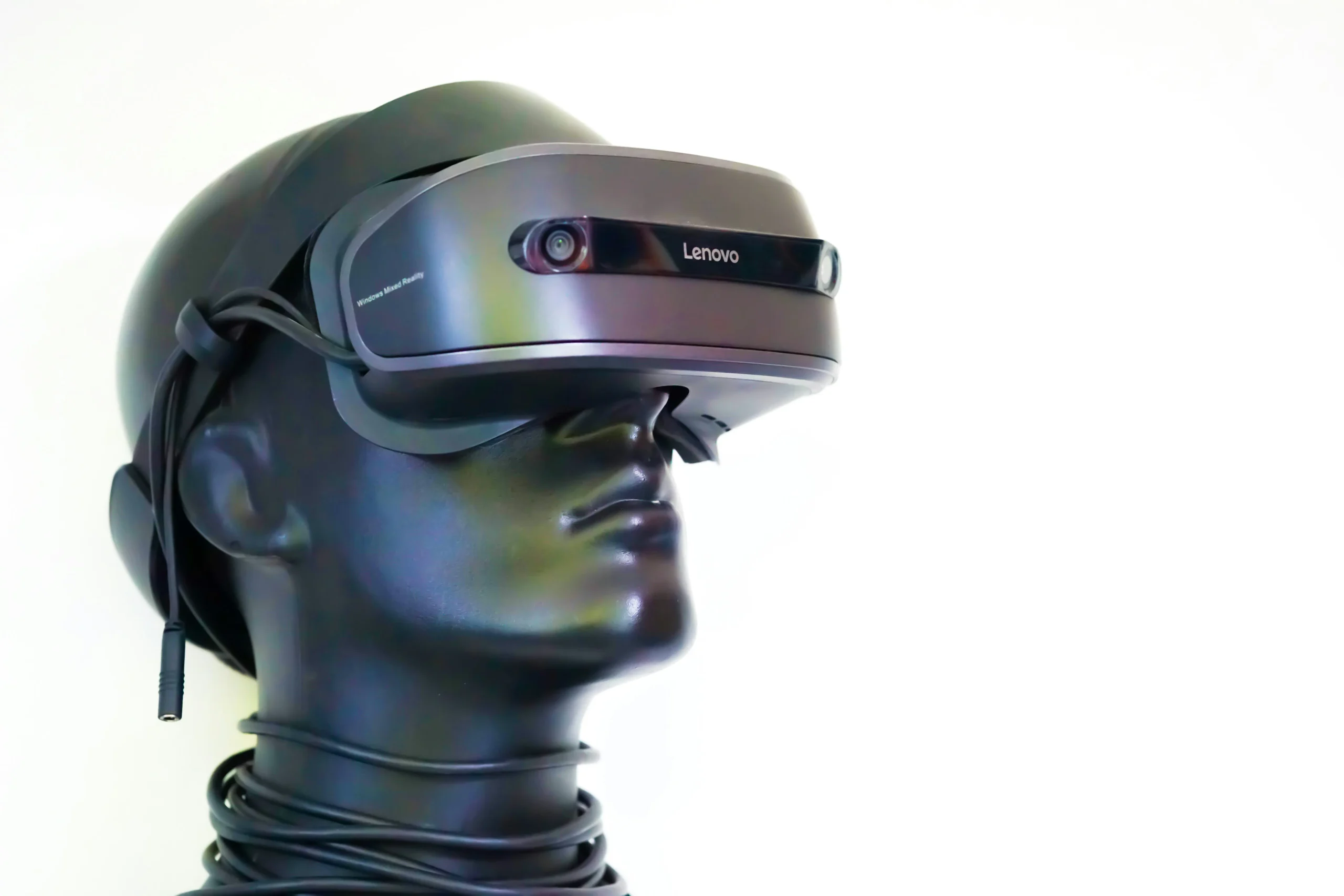
Engineers must balance visual authenticity against hardware performance, employing dynamic Level of Detail meshes and texture compression techniques to maintain high frame rates.
Failure to sustain ninety frames per second causes motion sickness, breaking the psychological sense of presence necessary for effective spatial communication and collaboration.
Learn more: Virtual fashion showrooms for interactive product launches
Explore open technical frameworks and digital content creation standards documented by the Khronos Group to understand cross-platform spatial asset optimization protocols.
Which key features define high-fidelity avatar customization toolsets today?
Modern toolsets prioritize granular facial feature manipulation, allowing creators to adjust bone structure, skin pigmentation, age parameters, and unique physical characteristics with extreme precision.
Procedural hair systems generate realistic strands that react naturally to virtual wind forces and head movements, moving past static, helmet-like hair models.
Read more: How Virtual Reality Is Being Used in Healthcare in 2026
Dynamic lighting shaders simulate light passing through human skin layers, reproducing organic skin translucency and warmth under varying virtual environment lighting conditions.
Selecting advanced VR avatar customization tools ensures digital personas communicate authority, emotional depth, and professional identity within remote spatial working environments.
When should developers implement multi-platform avatar interoperability standards?
Establishing cross-platform interoperability becomes critical when building enterprise spatial platforms that span diverse VR headsets, desktop monitors, and mobile devices simultaneously.
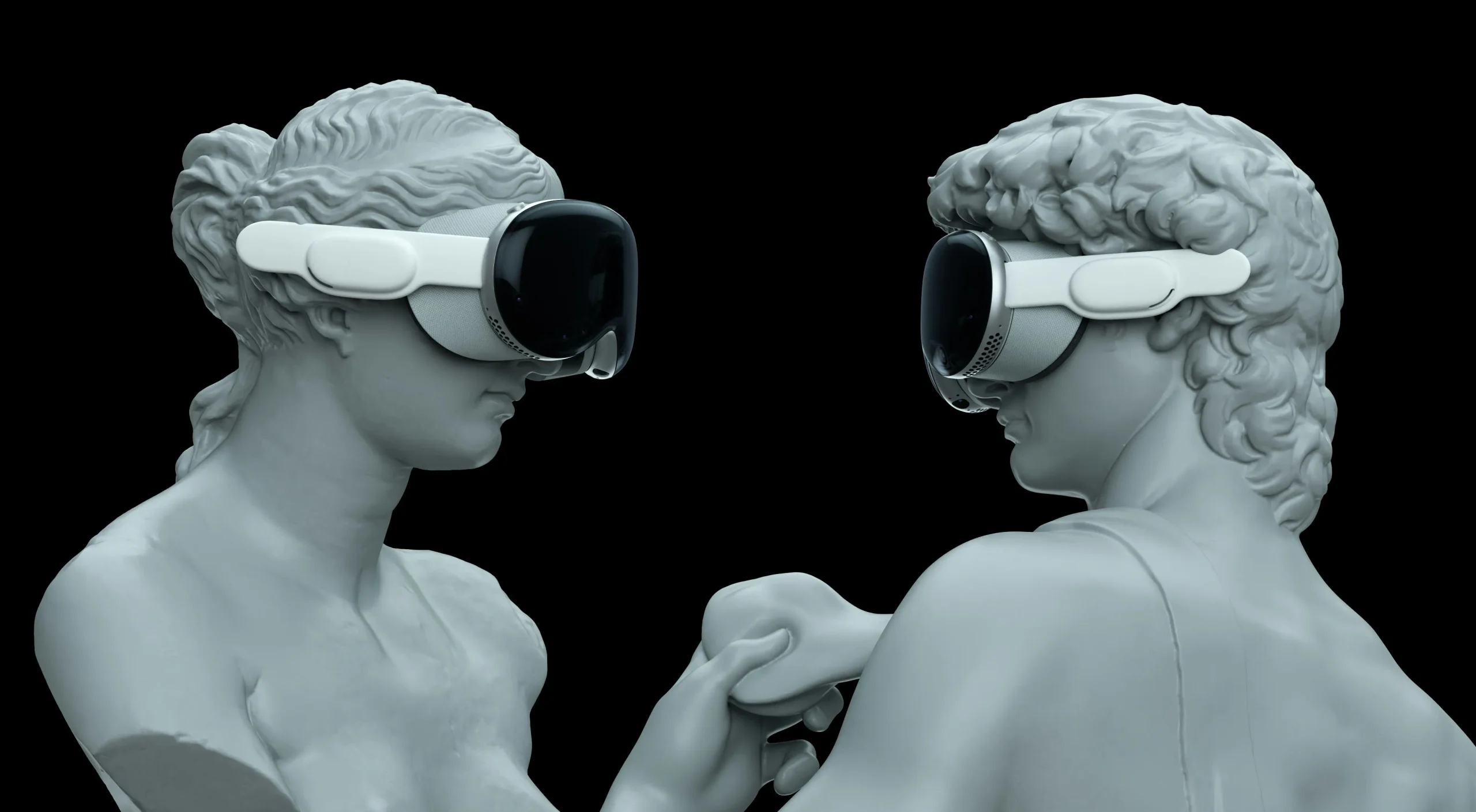
Utilizing open asset formats such as glTF and USD allows user avatars to retain visual identity, rigging parameters, and customization choices across separate application ecosystems.
Interoperable standards reduce development overhead, preventing software teams from rebuilding custom avatar creation pipelines for every individual spatial computing operating system.
Learn more: Virtual telepresence platforms for immersive communication
Examine technical guidelines on immersive spatial web standards and virtual identity frameworks published by the World Wide Web Consortium (W3C) for regulatory insights.
Frequently Asked Questions (FAQ)
Can I create a photorealistic VR avatar using just a smartphone photo?
Yes, modern platforms utilize AI photogrammetry to convert a single high-resolution selfie into a fully rigged 3D facial mesh with matching skin textures.
Do realistic avatars require specialized hardware sensors inside the VR headset?
While basic avatars run on standard controllers, photorealistic expression driving requires headsets equipped with internal eye-tracking and lower-face sensor arrays.
How do developers prevent photorealistic avatars from falling into the uncanny valley?
Developers mitigate eerie visuals by matching high-grade geometry with real-time facial micro-expressions, accurate eye gaze tracking, and soft subsurface skin lighting shaders.
Are enterprise avatar customization tools compatible with both Unity and Unreal Engine?
Most major SDKs offer dedicated plugins and export options for both Unity and Unreal Engine, ensuring seamless integration into varied development workflows.
Adopting state-of-the-art VR avatar customization tools is essential for building believable, emotionally resonant, and professional digital identities in spatial computing environments.
By combining intelligent sensor tracking, photorealistic shaders, and optimized asset pipelines, organizations can transform virtual interactions into authentic, highly engaging human connections.
