
Virtual telepresence platforms for immersive communication
Deploying Virtual telepresence platforms redefines corporate collaboration, allowing distributed global teams to share physical-like spatial environments, sense non-verbal cues naturally, and conduct high-impact meetings without geographic constraints.
Modern remote interaction tools have surpassed traditional flat-screen video conferencing, integrating spatial audio, light field displays, real-time volumetric rendering, and photorealistic avatars into unified enterprise communication systems.
Adopting these spatial technologies helps organizations reduce corporate travel expenditures, boost engineering project speed, and establish engaging digital environments where international teams work side-by-side seamlessly.
What are virtual telepresence platforms and how do they function?
Spatial communication software integrates spatial computing, high-bandwidth streaming, multi-camera arrays, and head-mounted displays to project lifelike three-dimensional representations of individuals into shared virtual spaces.
Advanced volumetric capture systems construct real-time depth maps, enabling participants to move around virtual meeting tables, make natural eye contact, and examine complex digital prototypes together.
Directional spatial acoustics simulate real-world sound propagation, allowing multiple conversations to occur naturally within the same digital environment without audio overlap or cognitive distraction.
How do volumetric capture and spatial audio enhance collaboration quality?
Capturing physical body language and micro-expressions through high-resolution depth sensors restores subtle communication dynamics lost during conventional two-dimensional video calls across remote teams.
Spatial audio alignment ensures sound originates precisely from an avatar’s physical location, reducing virtual meeting fatigue and improving active listening comprehension during long technical sessions.
Leveraging Virtual telepresence platforms enables dispersed product designers to inspect three-dimensional CAD models collaboratively, adjusting structural dimensions in real time with high spatial accuracy.
To explore international networking standards, spatial data transmission guidelines, and communication protocols, consult the International Telecommunication Union.
Below is a detailed technical comparison evaluating flat video calls, spatial VR spaces, and volumetric light field telepresence across key performance metrics.
| Communication Architecture | Display Technology | Spatial Audio Support | Non-Verbal Cue Realism | Bandwidth Requirement |
|---|---|---|---|---|
| Traditional Video Conference | 2D Flat Displays | Monophonic / Basic Stereo | Low (Limited to camera frame) | 2 to 5 Mbps |
| Spatial VR Workspaces | Head-Mounted Displays | 3D Directional Audio | Moderate (Gaze-tracking avatars) | 15 to 25 Mbps |
| Volumetric Light Field Telepresence | 3D Glasses-Free Displays | Binaural Spatial Audio | High (Photorealistic 3D rendering) | 50 to 100+ Mbps |
Analyzing these architectural parameters highlights how immersive spatial solutions deliver superior engagement, making them essential tools for complex technical design and executive collaboration.
Why are enterprises replacing traditional video calls with spatial workspaces?
Conventional grid-based video interfaces create psychological disconnects, forcing participants to stare at flat panels while struggling to interpret directional gaze or subtle body language cues.
Spatial workspaces solve video fatigue by establishing natural depth perception, where colleagues sit around virtual conference tables and reference shared holographic documents intuitively during strategic discussions.
Integrating Virtual telepresence platforms inside distributed corporate workflows accelerates decision-making cycles, allowing global engineering teams to resolve complex design bottlenecks in single interactive sessions.
Cross-border corporations significantly lower their carbon footprints by substituting international executive flights with high-fidelity volumetric meetings that match the presence of face-to-face gatherings.
Which hardware infrastructures support real-time spatial telepresence rendering?
Operating photorealistic volumetric environments requires robust hardware configurations, combining high-refresh-rate headsets, light field display panels, dedicated edge processing units, and low-latency Wi-Fi 7 networks.
Multi-lens camera stations stationed in physical meeting rooms stream synchronized depth channels directly to cloud servers, where neural rendering algorithms compress data for instant streaming.
Advanced eye-tracking sensors embedded within spatial headsets adjust focal depth dynamically, preventing motion sickness and rendering crisp optical clarity across all virtual viewing angles.
To analyze open web standards, XR framework specifications, and 3D graphic rendering protocols, visit the World Wide Web Consortium.
Deploying modern spatial infrastructure ensures reliable transmission, maintaining high frame rates and precise spatial alignment necessary for natural, professional remote human interaction.
When should organizations transition to immersive telepresence environments?
Transitioning toward spatial collaboration systems becomes critical when distributed engineering teams, surgical specialists, or architectural firms require hands-on manipulation of spatial assets across locations.
Companies planning major office footprint reductions can maintain strong organizational culture by hosting team gatherings, onboarding programs, and training workshops within custom virtual spaces.
Evaluating Virtual telepresence platforms today position forward-thinking enterprises to capture productivity gains, attracting top global talent through cutting-edge, flexible remote work technology.
Adopting scalable spatial computing tools ensures your organization remains competitive, connected, and equipped to collaborate seamlessly across an increasingly decentralized global business landscape.
Future network enhancements will continue lowering hardware costs, making volumetric spatial communication standard infrastructure for professional remote collaboration worldwide.
Embracing the future of connected human collaboration
Spatial telepresence represents a fundamental evolution in enterprise communication, bridging geographical gaps by creating authentic, real-time shared experiences for global teams.
Combining volumetric visual capture, directional spatial audio, and interactive 3D environments allows organizations to drive innovation, strengthen professional relationships, and streamline operational workflows.
Assess your organization’s remote collaboration requirements today, explore spatial computing solutions, and unlock the transformative power of immersive virtual interaction.
FAQ (Frequently Asked Questions)
Do users need virtual reality headsets to join immersive telepresence sessions?
No, modern platforms support hybrid participation, allowing users to join via spatial headsets, light field displays, or standard desktop computers with interactive 3D navigation.
How much network bandwidth does photorealistic volumetric streaming require?
Standard 3D avatar environments require roughly 15 to 25 Mbps, while ultra-high-definition photorealistic volumetric light field streams can require 50 to 100 Mbps.
How do spatial telepresence platforms protect confidential corporate meeting data?
Enterprise platforms utilize end-to-end encryption for audio, depth maps, and 3D model data, maintaining strict compliance with international corporate data privacy regulations.
Can spatial telepresence integrate with existing enterprise productivity software?
Yes, leading spatial platforms connect directly with popular cloud calendar systems, file-sharing services, and 3D computer-aided design tools to support smooth daily workflows.Deploying Virtual telepresence platforms redefines corporate collaboration, allowing distributed global teams to share physical-like spatial environments, sense non-verbal cues naturally, and conduct high-impact meetings without geographic constraints.
Modern remote interaction tools have surpassed traditional flat-screen video conferencing, integrating spatial audio, light field displays, real-time volumetric rendering, and photorealistic avatars into unified enterprise communication systems.
Adopting these spatial technologies helps organizations reduce corporate travel expenditures, boost engineering project speed, and establish engaging digital environments where international teams work side-by-side seamlessly.
What are virtual telepresence platforms and how do they function?
Spatial communication software integrates spatial computing, high-bandwidth streaming, multi-camera arrays, and head-mounted displays to project lifelike three-dimensional representations of individuals into shared virtual spaces.
Advanced volumetric capture systems construct real-time depth maps, enabling participants to move around virtual meeting tables, make natural eye contact, and examine complex digital prototypes together.
Directional spatial acoustics simulate real-world sound propagation, allowing multiple conversations to occur naturally within the same digital environment without audio overlap or cognitive distraction.
How do volumetric capture and spatial audio enhance collaboration quality?
Capturing physical body language and micro-expressions through high-resolution depth sensors restores subtle communication dynamics lost during conventional two-dimensional video calls across remote teams.
Spatial audio alignment ensures sound originates precisely from an avatar’s physical location, reducing virtual meeting fatigue and improving active listening comprehension during long technical sessions.
Leveraging Virtual telepresence platforms enables dispersed product designers to inspect three-dimensional CAD models collaboratively, adjusting structural dimensions in real time with high spatial accuracy.
To explore international networking standards, spatial data transmission guidelines, and communication protocols, consult the International Telecommunication Union.
Below is a detailed technical comparison evaluating flat video calls, spatial VR spaces, and volumetric light field telepresence across key performance metrics.
| Communication Architecture | Display Technology | Spatial Audio Support | Non-Verbal Cue Realism | Bandwidth Requirement |
|---|---|---|---|---|
| Traditional Video Conference | 2D Flat Displays | Monophonic / Basic Stereo | Low (Limited to camera frame) | 2 to 5 Mbps |
| Spatial VR Workspaces | Head-Mounted Displays | 3D Directional Audio | Moderate (Gaze-tracking avatars) | 15 to 25 Mbps |
| Volumetric Light Field Telepresence | 3D Glasses-Free Displays | Binaural Spatial Audio | High (Photorealistic 3D rendering) | 50 to 100+ Mbps |
Analyzing these architectural parameters highlights how immersive spatial solutions deliver superior engagement, making them essential tools for complex technical design and executive collaboration.
Why are enterprises replacing traditional video calls with spatial workspaces?
Conventional grid-based video interfaces create psychological disconnects, forcing participants to stare at flat panels while struggling to interpret directional gaze or subtle body language cues.
Spatial workspaces solve video fatigue by establishing natural depth perception, where colleagues sit around virtual conference tables and reference shared holographic documents intuitively during strategic discussions.
Integrating Virtual telepresence platforms inside distributed corporate workflows accelerates decision-making cycles, allowing global engineering teams to resolve complex design bottlenecks in single interactive sessions.
Cross-border corporations significantly lower their carbon footprints by substituting international executive flights with high-fidelity volumetric meetings that match the presence of face-to-face gatherings.
Which hardware infrastructures support real-time spatial telepresence rendering?
Operating photorealistic volumetric environments requires robust hardware configurations, combining high-refresh-rate headsets, light field display panels, dedicated edge processing units, and low-latency Wi-Fi 7 networks.
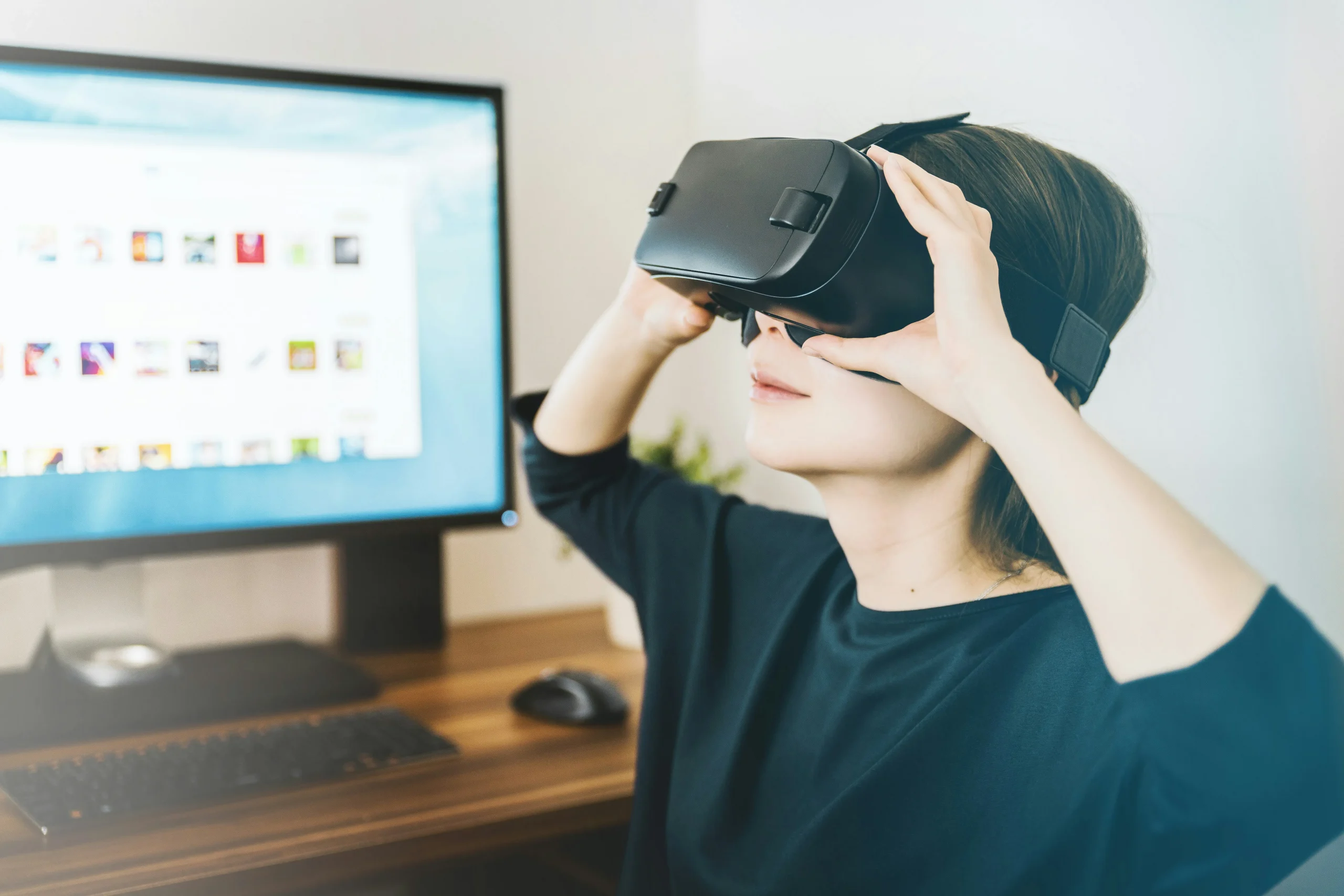
Multi-lens camera stations stationed in physical meeting rooms stream synchronized depth channels directly to cloud servers, where neural rendering algorithms compress data for instant streaming.
Learn more: Virtual exhibition platforms for global art collections
Advanced eye-tracking sensors embedded within spatial headsets adjust focal depth dynamically, preventing motion sickness and rendering crisp optical clarity across all virtual viewing angles.
To analyze open web standards, XR framework specifications, and 3D graphic rendering protocols, visit the World Wide Web Consortium.
Deploying modern spatial infrastructure ensures reliable transmission, maintaining high frame rates and precise spatial alignment necessary for natural, professional remote human interaction.
When should organizations transition to immersive telepresence environments?
Transitioning toward spatial collaboration systems becomes critical when distributed engineering teams, surgical specialists, or architectural firms require hands-on manipulation of spatial assets across locations.
Companies planning major office footprint reductions can maintain strong organizational culture by hosting team gatherings, onboarding programs, and training workshops within custom virtual spaces.
Read more: Virtual campus tours for international student recruitment
Evaluating Virtual telepresence platforms today position forward-thinking enterprises to capture productivity gains, attracting top global talent through cutting-edge, flexible remote work technology.
Adopting scalable spatial computing tools ensures your organization remains competitive, connected, and equipped to collaborate seamlessly across an increasingly decentralized global business landscape.
Future network enhancements will continue lowering hardware costs, making volumetric spatial communication standard infrastructure for professional remote collaboration worldwide.
Embracing the future of connected human collaboration
Spatial telepresence represents a fundamental evolution in enterprise communication, bridging geographical gaps by creating authentic, real-time shared experiences for global teams.
Learn more: How Virtual Reality Is Being Used in Healthcare in 2026
Combining volumetric visual capture, directional spatial audio, and interactive 3D environments allows organizations to drive innovation, strengthen professional relationships, and streamline operational workflows.

Assess your organization’s remote collaboration requirements today, explore spatial computing solutions, and unlock the transformative power of immersive virtual interaction.
FAQ (Frequently Asked Questions)
Do users need virtual reality headsets to join immersive telepresence sessions?
No, modern platforms support hybrid participation, allowing users to join via spatial headsets, light field displays, or standard desktop computers with interactive 3D navigation.
How much network bandwidth does photorealistic volumetric streaming require?
Standard 3D avatar environments require roughly 15 to 25 Mbps, while ultra-high-definition photorealistic volumetric light field streams can require 50 to 100 Mbps.
How do spatial telepresence platforms protect confidential corporate meeting data?
Enterprise platforms utilize end-to-end encryption for audio, depth maps, and 3D model data, maintaining strict compliance with international corporate data privacy regulations.
Can spatial telepresence integrate with existing enterprise productivity software?
Yes, leading spatial platforms connect directly with popular cloud calendar systems, file-sharing services, and 3D computer-aided design tools to support smooth daily workflows.
