
How Smart Home Ecosystems Are Becoming Simpler
Navigating smart home ecosystems are becoming simpler through unified protocols, AI automation, and local processing that eliminate traditional setup friction for consumers.
Fragmented smartphone apps, proprietary hubs, and non-communicative smart bulbs previously frustrated early adopters attempting to automate basic residential routines.
Universal standards now allow connected devices across major tech brands to discover, communicate, and coordinate actions seamlessly over local home networks without manual configuration.
What is driving the shift toward simplified smart home technology?
Interoperability protocols created by major technology alliances establish an open communication language that runs across Wi-Fi, Ethernet, and low-power mesh networks.
Instead of forcing consumers to lock into a single brand, modern hardware works natively across major smart platforms simultaneously.
Local execution eliminates heavy reliance on distant cloud servers, drastically improving response speeds while keeping sensitive operational data inside the physical home.
To review official specifications and certification standards for connected consumer devices, visit the Connectivity Standards Alliance portal.
Unifying core software foundations allows manufacturers to shift focus toward building durable, energy-efficient hardware rather than maintaining isolated app ecosystems.
How does modern wireless architecture eliminate setup friction for users?
Advanced mesh protocols allow low-power smart sensors, switches, and lighting fixtures to form self-healing networks that extend coverage without clogging Wi-Fi routers.
Border routers embedded inside everyday smart speakers and televisions bridge these mesh devices directly to local home networks without requiring dedicated physical hubs.
Onboarding procedures now utilize standardized QR code scanning, Near Field Communication, or automatic proximity detection to pair new hardware in seconds.
Adopting smart home ecosystems are becoming simpler as a core design principle ensures non-technical family members manage home controls effortlessly.
Below is an overview comparing classic smart home configurations with modern unified ecosystem architectures operating across home environments.
| Feature Category | Legacy Smart Home Setup | Unified Modern Ecosystem |
|---|---|---|
| Device Pairing | App downloading and manual Wi-Fi entry | Proximity detection, NFC, or single QR scan |
| Network Reliance | Cloud-dependent API commands | Local network execution over IP |
| Hub Requirements | Proprietary bridge for every brand | Built-in border routers and multi-admin hubs |
| Platform Access | Locked into a single voice ecosystem | Simultaneous multi-platform control |
Streamlining connectivity infrastructure removes technical barriers, enabling homeowners to scale residential automations steadily without encountering compatibility limits.
Why are artificial intelligence and contextual automations replacing manual controls?
Generative voice assistants and predictive algorithms analyze environmental patterns to adjust heating, lighting, and security settings proactively without requiring manual triggers.

Sensors detect human presence, ambient lighting levels, and indoor air quality, making real-time micro-adjustments that optimize electrical efficiency and comfort automatically.
Multi-admin features allow different family members to interact with identical devices using their preferred voice assistant or mobile interface without breaking shared automations.
Consistently proving smart home ecosystems are becoming simpler, modern intelligent controls adapt to human habits rather than requiring complex programming logic.
Eliminating rigid rule-building interfaces allows connected environments to function naturally in the background, fulfilling the original promises of home automation.
When should consumers upgrade their existing connected home hardware?
Upgrading legacy smart plugs and bridge hubs becomes practical when adding modern low-power mesh sensors that demand lower latency and local execution.
Replacing outdated Wi-Fi devices with cross-compatible hardware ensures newly purchased appliances remain functional across future platform updates and mobile operating systems.
Learn more: Blockchain proof of personhood beyond digital identity
Prioritizing devices featuring universal local control protects smart home investments against sudden cloud service shutdowns or software abandonware risks.
To explore consumer electronics standards, technological trends, and global hardware developments, visit the official website of the Consumer Technology Association.
Gradually replacing single-protocol gadgets creates an adaptable foundation capable of handling next-generation environmental and energy-management innovations.
Which security standards protect unified smart home networks from intrusion?
Standardized public key infrastructure and end-to-end encryption protocols authenticate every device attempting to join a home network, preventing unauthorized hardware spoofs.
Local command processing ensures sensitive video feeds, voice recordings, and activity logs remain stored securely on local storage drives rather than public servers.
Automated firmware patching over secure local connections fixes software vulnerabilities without forcing users to check individual manufacturer mobile applications manually.
Read more: How to Create a Seamless Smart Home Ecosystem in 2025
Unified cybersecurity compliance baselines require manufacturers to eliminate hardcoded default passwords and maintain active vulnerability disclosure programs for certified consumer products.
Combining robust security architecture with frictionless setup guarantees that simplified smart homes remain safe against evolving digital privacy threats.
The future of effortless connected living environments
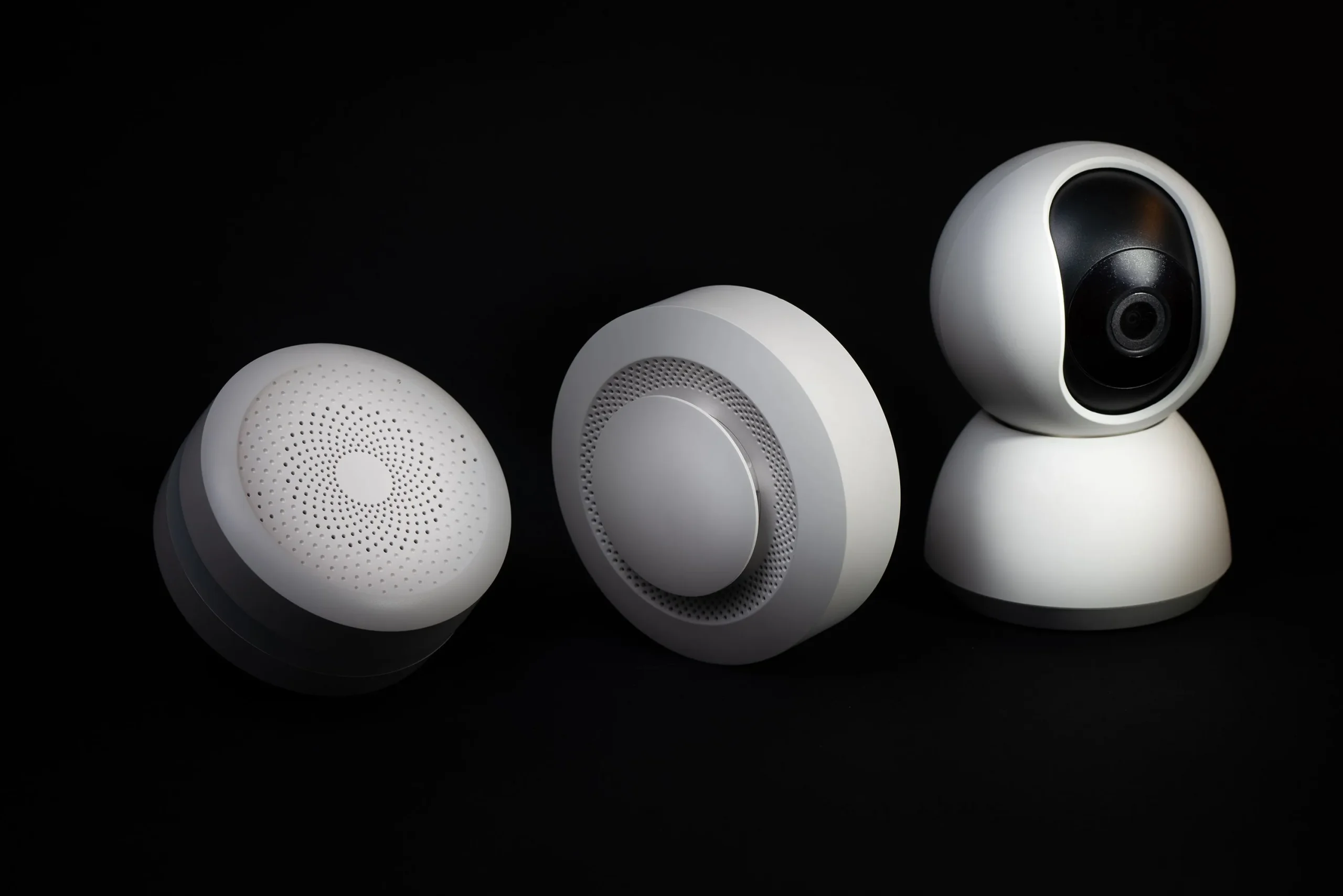
The transition toward open standards, local processing, and ambient intelligence has permanently transformed connected residential technology from a complex hobby into an accessible utility.
Learn more: Crypto staking derivatives and liquid staking ecosystems
Streamlining device installation and cross-platform management allows consumers to build custom home automations with total confidence and long-term hardware reliability.
Select open-standard hardware today, simplify your home’s digital infrastructure, and experience the convenience of a truly integrated smart living environment.
FAQ (Frequently Asked Questions)
Do I need to replace all my existing smart home devices to use newer standards?
No, many existing smart home hubs and border routers have received software updates enabling backwards compatibility with newer cross-platform protocols.
Can unified smart home devices operate if my home internet connection drops? Freedompro
Yes, core device communication and local automations continue to function over your local Wi-Fi or Thread mesh network even without an active internet connection.
What is the primary difference between Wi-Fi and Thread in modern smart homes?
Wi-Fi handles high-bandwidth tasks like video streaming, while Thread is a low-power mesh protocol designed specifically for battery-operated sensors, locks, and lighting.
How does multi-admin functionality work across different smart platforms?
Multi-admin allows a single certified device to connect to multiple smart home apps simultaneously, letting family members control it via Apple Home, Google Home, or Alexa.
