
Thread border routers for reliable home device networking
Thread border routers bridge low-power mesh networks directly to local Wi-Fi and Ethernet networks, ensuring responsive home automation without requiring dedicated proprietary hubs or external cloud gateways.
Modern smart properties depend heavily on unified communication protocols to prevent packet dropping, signal dead zones, and persistent device latency across complex multi-floor living environments.
Integrating standardized IPv6 connectivity directly into low-energy sensors allows automated accessories to exchange security credentials and operational state data instantly across mixed residential hardware setups.
What Is the Role of Thread Border Routers in Smart Homes?
These specialized hardware devices connect IEEE 802.15.4 mesh radios to local home networks, translating data packets smoothly between low-energy smart sensors and main Wi-Fi access points.
Unlike legacy Zigbee bridges, border gateways operate at the IP network layer, enabling connected accessories to receive unique IPv6 addresses for transparent local ecosystem communication.
Multiple border nodes automatically share network credentials across your residence, maintaining uninterrupted signal routing even if a primary smart display or voice assistant loses electrical power.
Eliminating single points of network failure dramatically enhances overall system reliability while reducing operational latency for battery-operated door locks, motion detectors, and ambient climate sensors.
How Do Thread Mesh Networks Eliminate Communication Bottlenecks?
Every mains-powered smart accessory inside the home acts as an active signal repeater, dynamically extending wireless coverage into remote hallways, basements, and outer perimeter garage spaces.
Data packets travel through self-healing mesh routes, automatically bypassing physical walls or radio interference sources without requiring manual network reconfigurations or cumbersome hub restarts.
Selecting certified Thread border routers allows smart home controllers to process automation routines in milliseconds, avoiding round-trip delays associated with remote cloud processing servers.
Homeowners experience instant lighting responses and real-time security alerts because local radio traffic routes directly through nearby mesh nodes rather than overburdening central Wi-Fi bandwidth.
Why Is Thread 1.4 Architecture Vital for Multi-Vendor Ecosystems?
Earlier protocol deployments created isolated mesh islands when consumers added smart hubs from competing technology manufacturers, frustrating users with fragmented controls and duplicate network credentials.
Updated Thread 1.4 standards mandate unified credential sharing across Apple, Google, and Samsung ecosystems, allowing disparate border devices to form one cohesive home infrastructure.
Standardized onboarding procedures simplify adding new smart plugs, wall switches, and climate monitors, eliminating complex setup procedures across distinct smartphone automation applications.
Deploying modern routing hardware running certified 1.4 firmware guarantees robust cross-platform interoperability, ensuring high-capacity data transport for advanced Matter-enabled smart home devices.
According to technical guidelines published by the Thread Group official network specification, mandatory standardization eliminates fragmented signal zones across multi-brand smart installations.
Comparing Smart Home Wireless Protocols for Connected Automation
Evaluating primary wireless communication standards reveals distinct differences in network topology, power consumption, local processing performance, and long-term hardware scalability for automated residences.
| Networking Protocol | Transport Layer | Architecture Type | Local IPv6 Support | Primary Hardware Hub Requirement |
| Thread | IP (IEEE 802.15.4) | Self-Healing Mesh | Native IPv6 | Any Thread Border Router |
| Wi-Fi 6 | IP (802.11ax) | Star Topology | Native IPv6 | Standard Wi-Fi Access Point |
| Zigbee | Non-IP (802.15.4) | Mesh Topology | Bridge Required | Proprietary Brand Hub |
| Z-Wave | Non-IP (Sub-GHz) | Mesh Topology | Bridge Required | Dedicated Z-Wave Gateway |
Analyzing technical attributes highlights why IP-native wireless mesh topologies provide superior long-term stability compared to traditional non-IP protocols requiring proprietary hardware translation gateways.
Which Devices Can Serve as Active Thread Border Routers?
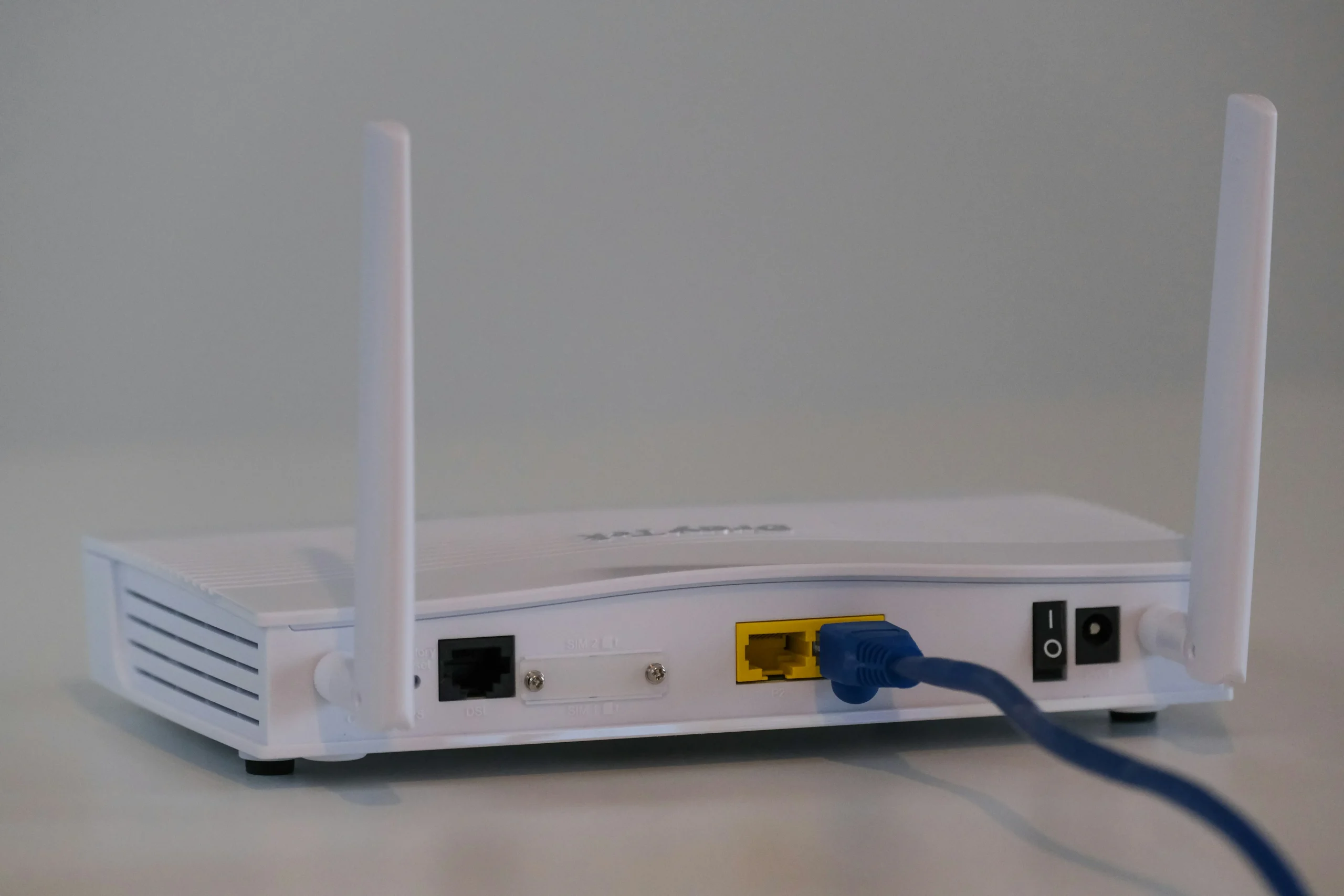
Major consumer technology manufacturers embed Thread border routers functionality into ambient smart speakers, streaming media players, Wi-Fi mesh nodes, and stationary wall-mounted interactive displays.
Smart displays like Apple HomePod, Google Nest Hub Max, and Amazon Echo devices routinely function as high-performance border nodes without requiring additional standalone bridge hardware.
Read more: Matter compatible devices for multi-brand home setups
Adding primary border nodes across different rooms creates overlapping coverage layers, allowing high-bandwidth media streaming and low-latency sensor automation to coexist smoothly.
Modern mesh Wi-Fi routers also integrate 802.15.4 radios directly into main access points, unifying high-speed internet distribution with low-power home automation routing.
How to Secure and Optimize Your Smart Home Mesh Infrastructure
Enforcing strong Wi-Fi passwords and disabling remote router administration panels safeguards border nodes from unauthorized access attempts, preserving household privacy across all connected devices.
Positioning border nodes centrally on each floor prevents signal shadows caused by concrete walls, metal appliances, or heavy furniture items that weaken 2.4 GHz radio propagation.
Read more: Thread network devices and next-generation connectivity
Regular firmware updates ensure your mesh network receives vital security patches and performance optimizations, preventing legacy software bugs from degrading local automation speeds.
Installing updated Thread border routers with long-term software support protects your investment as global smart home standards evolve and expand into commercial-grade building management.
Optimizing Smart Home Infrastructure with Advanced Mesh Connectivity
Building a resilient smart home requires moving away from fragile proprietary hubs and adopting open, IP-based mesh architectures designed for multi-vendor harmony and sub-second execution.
Deploying versatile Thread border routers delivers self-healing wireless coverage, robust end-to-end encryption, and seamless local control across every smart sensor in your living space.
Learn more: How AI Is Transforming Smart Home Automation
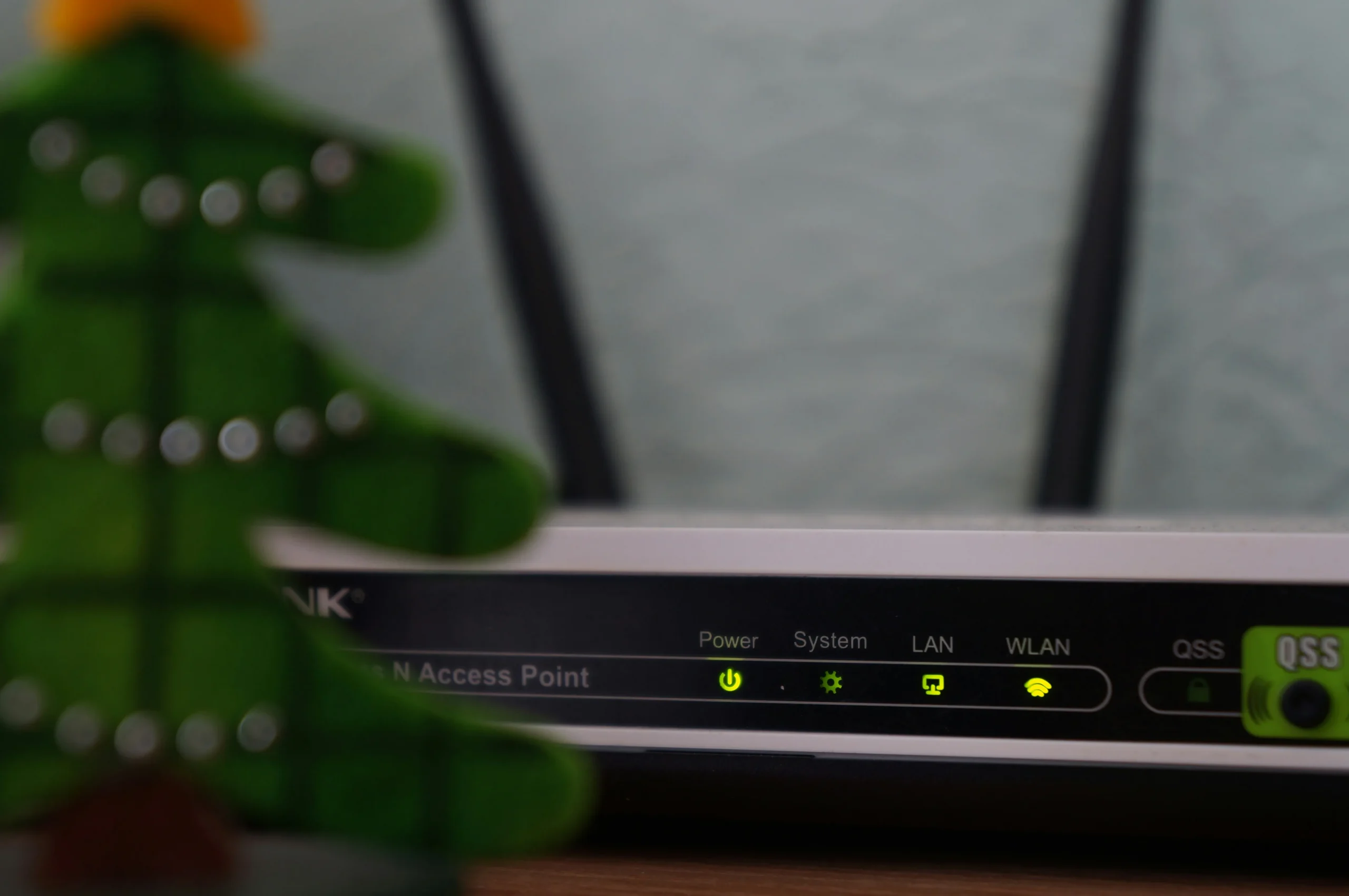
Investing in standardized network hardware prepares your automated home for future technological advancements while providing reliable, friction-free smart living experiences every single day.
Explore additional interoperability guidelines from the Connectivity Standards Alliance Matter specifications to build a truly unified, high-performance residential home automation ecosystem today.
Frequently Asked Questions About Thread Border Routers
What Is the Difference Between a Wi-Fi Router and a Thread Border Router?
Wi-Fi routers manage high-bandwidth internet connections for smartphones and laptops, whereas border routers connect low-power IEEE 802.15.4 smart home mesh devices directly to local IP networks.
Do You Need Multiple Border Routers for a Smart Home?
A single border router can manage a small network, but installing multiple nodes creates redundant pathways, ensuring continuous automated device control if one router disconnects.
Can Thread Devices Work Without an Active Internet Connection?
Smart accessories communicate locally over IP mesh pathways, allowing home automation routines, light switches, and motion sensors to operate flawlessly even during internet service outages.
Are Thread and Matter the Same Smart Home Technology?
Thread operates as the low-power network transport protocol, while Matter serves as the universal application layer allowing products from different brands to understand each other.
