
Automated Backup Power Switching for Essential Household Devices
Implementing automated backup power switching ensures critical household electronics remain energized within milliseconds during utility grid blackouts without requiring homeowners to manually plug in extension cords.
Unexpected severe weather storms, aging regional transformers, and peak seasonal grid strain increasingly threaten residential power reliability across suburban neighborhoods and rural properties alike.
Manually starting portable gas generators or scrambling with flashlights at midnight leaves refrigeration, medical equipment, internet routers, and sump pumps dangerously vulnerable to sudden outages.
Modern smart transfer hardware continuously monitors incoming utility voltage and line frequency, isolating the home from downed lines before safely engaging battery storage or standby generators.
Pairing automatic transfer mechanisms with smart load-shedding relays prioritizes essential household circuits while preventing smaller home batteries from overloading during extended multi-day blackouts.
Understanding transfer switching speeds, circuit isolation rules, and load prioritization helps homeowners design resilient backup systems tailored to their exact household energy requirements.
How does automated backup power switching protect residential home circuits?
Automatic transfer switches and smart energy gateways constantly sense utility line voltage, triggering an immediate mechanical or solid-state relay transition whenever grid power drops outside safe thresholds.
Isolating the main residential panel from the utility grid prevents dangerous backfeeding, which could otherwise electrocute utility lineworkers repairing damaged neighborhood transformers during storms.
Once utility power restoration stabilizes for a programmed verification delay, the controller smoothly transfers loads back to grid power and shuts down standby generation automatically.
Milliseconds matter tremendously for sensitive electronics because desktop computers, network switches, and continuous positive airway pressure machines reboot if transfer latency exceeds twenty milliseconds.
Reliable automated backup power switching eliminates stressful manual intervention while maintaining strict electrical code separation between utility feeds and local backup energy sources.
Which switching technologies fit different household backup setups?
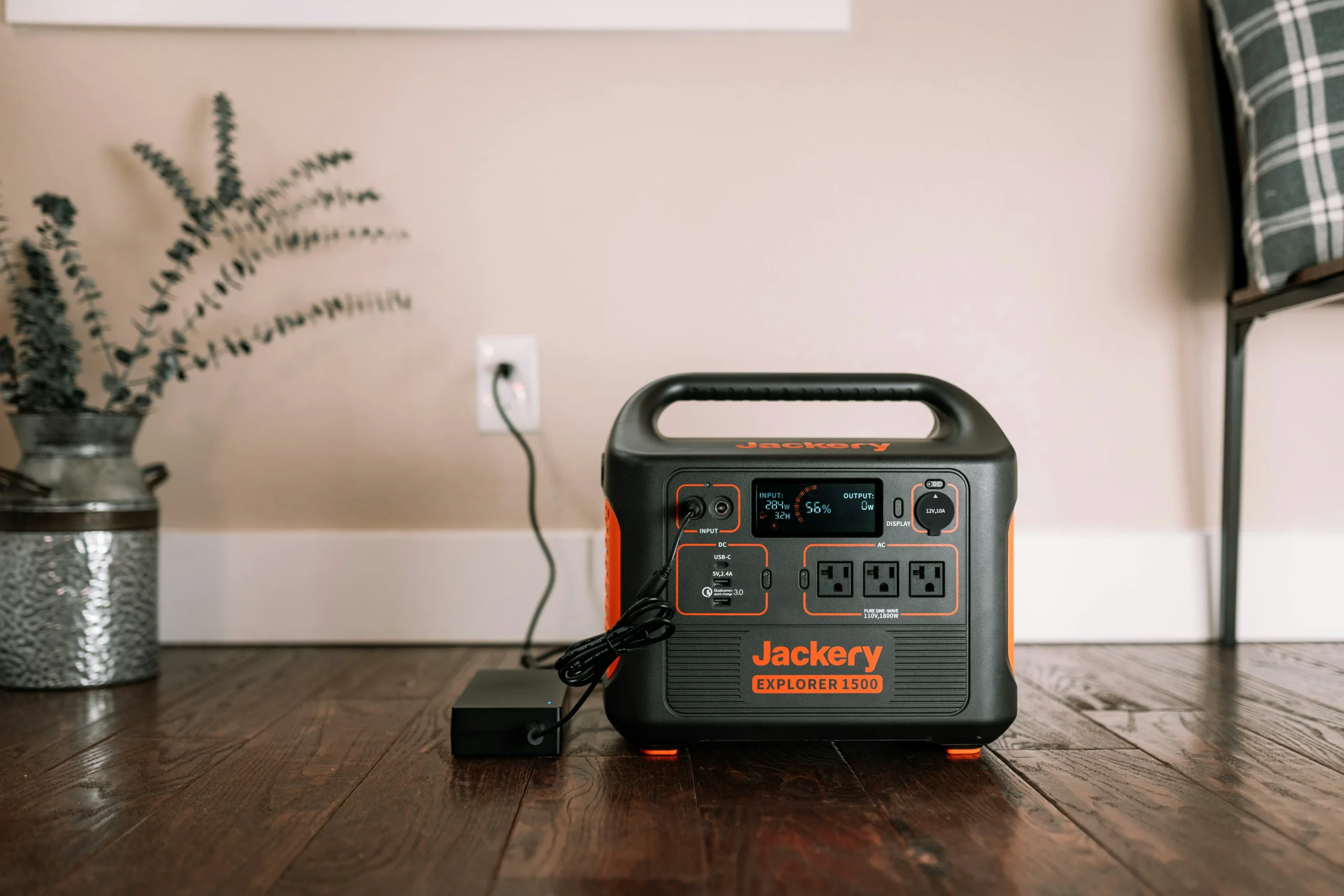
Homeowners choose among uninterruptible power supplies, smart critical-load subpanels, whole-home automatic transfer switches, and portable generator inlet interlocks depending on budget and backup capacity.
| Switching Solution | Typical Transfer Time | Supported Backup Source | Best Household Use Case |
| Online / Line-Interactive UPS | 0 – 10 milliseconds | Internal lead-acid or LiFePO4 battery | Routers, desktop PCs, medical CPAP devices |
| Smart Critical-Load Subpanel | 10 – 20 milliseconds | Home battery storage (LFP) | Refrigerators, lighting, Wi-Fi, well pumps |
| Whole-Home Automatic Transfer Switch | 10 – 30 seconds | Standby natural gas or propane generator | Full-house HVAC, kitchen, and sump pumps |
| Smart Circuit Breaker Relays | Sub-second automated shedding | Hybrid solar + battery inverters | Dynamic load prioritization during long outages |
Dedicated uninterruptible power supplies deliver near-zero transfer latency for delicate home networking gear, bridging the brief gap until whole-home standby generators reach operating speed.
Smart critical-load subpanels integrate directly with lithium iron phosphate battery systems, allowing homeowners to toggle individual home circuits on or off via mobile apps.
Whole-home automatic transfer switches pair seamlessly with stationary standby generators, starting the backup engine automatically within ten to thirty seconds after detecting a grid failure.
Which household devices should receive top circuit priority?
Refrigerators and chest freezers rank first on most critical-load lists because maintaining safe food storage temperatures prevents hundreds of dollars in spoilage during prolonged utility outages.
Home medical care equipment, including oxygen concentrators and refrigerated insulin storage, requires uninterrupted power delivery backed by redundant battery reserves and audible outage alerts.
Consumer resilience guidance from the U.S. Department of Energy emphasizes sizing backup storage around essential loads rather than powering high-wattage resistive heaters continuously.
Modems, mesh Wi-Fi routers, and home security cameras consume minimal wattage yet keep families connected to emergency weather alerts and remote monitoring tools.
Basement sump pumps and gas furnace blower fans also deserve dedicated priority circuits to prevent flooding or frozen pipes during winter storm blackouts.
How do smart load-shedding relays prevent battery overload?
Large inductive appliances like central air conditioners, electric water heaters, and clothes dryers draw massive startup surge currents that can trip smaller battery inverters.
Intelligent load-management modules automatically shed high-draw non-essential circuits the instant grid power fails, preserving stored kilowatt-hours for refrigeration, lighting, and home communications.
Some intelligent electrical panels dynamically monitor real-time battery state of charge, re-enabling secondary circuits only when rooftop solar panels generate surplus midday energy.
Learn more: Blockchain storage proofs securing decentralized networks
Deploying automated backup power switching alongside programmable load shedding extends battery autonomy from several hours to multiple days without manual breaker flipping.
Soft-start capacitors installed on central heat pump compressors further reduce startup inrush amperage, enabling mid-sized home batteries to run climate control smoothly.
Configuring automated relay schedules ensures non-critical electric vehicle chargers and swimming pool pumps remain disabled until utility power returns and stabilizes completely.
When should homeowners upgrade from manual cords to automatic switching?
Frequent seasonal outages, remote travel schedules, or family members who cannot safely operate heavy outdoor generators justify upgrading to fully automated transfer hardware.
Homes equipped with rooftop solar arrays gain substantial resilience by adding battery storage and an automatic microgrid interconnect device capable of islanding safely.
Licensed electricians must size transfer amperage to match your main service panel—typically one hundred or two hundred amps—while verifying local permitting rules.
Read more: Bitcoin covenant proposals explained for Bitcoin wallet users
Inspecting grounding electrodes, neutral-switching requirements, and whole-home surge protection devices during installation protects sensitive smart appliances from voltage transients during switchover events.
Testing the automatic failover sequence quarterly under simulated outage conditions confirms that batteries, relays, and standby engines respond reliably before severe weather strikes.
Conclusion
Adopting automated backup power switching transforms chaotic power outages into seamless, invisible background transitions that safeguard home comfort, food safety, and digital connectivity.
Matching transfer speed and backup capacity to your highest-priority circuits prevents inverter overloads while maximizing every stored kilowatt-hour during extended grid disruptions.
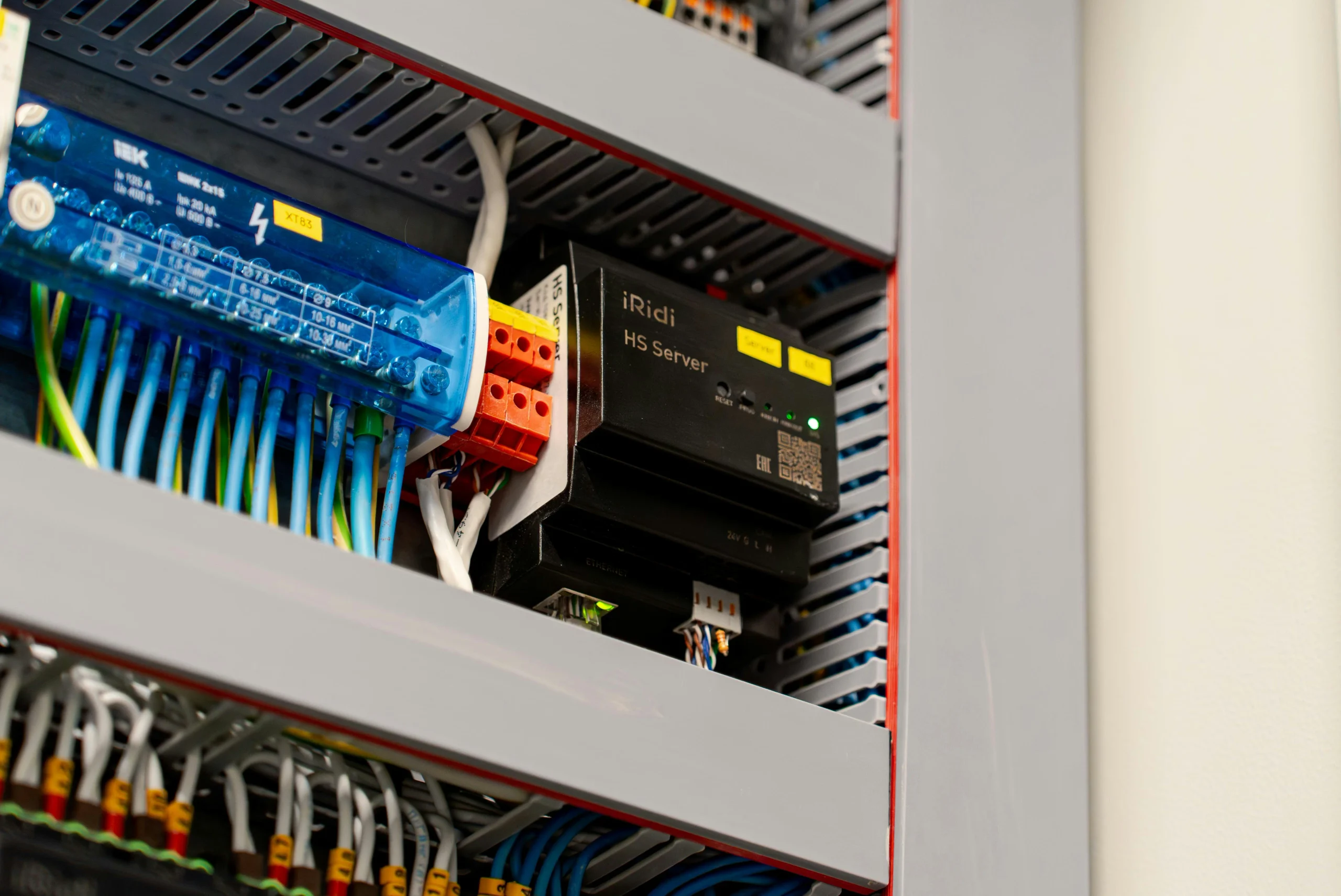
Combining fast battery subpanels for sensitive electronics with smart load shedding for heavy appliances delivers balanced resilience without overspending on oversized hardware.
Learn more: Can Smart Home Water Shutoff Valves Prevent Major Flood Damage?
Working with a certified electrician ensures full compliance with National Electrical Code anti-islanding standards and protects utility workers during neighborhood line repairs.
Thoughtful circuit prioritization today guarantees your household stays safely powered, digitally connected, and properly protected whenever the next unexpected regional blackout arrives.
Frequently Asked Questions
How fast does an automatic transfer switch restore power during an outage?
Battery-based smart panels switch within ten to twenty milliseconds, whereas standby generator transfer switches typically restore power within ten to thirty seconds.
Can solar panels power my home during a blackout without a battery?
Standard grid-tied solar inverters shut down immediately during utility outages for lineworker safety unless paired with a battery and automatic islanding gateway.
Do I need a whole-home switch or a critical-load subpanel?
Critical-load subpanels cost less and stretch battery runtime efficiently, while whole-home switches suit larger stationary standby generators capable of running entire houses.
Why do computers still reboot if my generator starts automatically?
Standby generators require several seconds to crank and stabilize voltage, so desktop computers need a small local UPS to bridge that brief gap.
Where can I find official electrical safety standards for home backup power?
Detailed home outage preparedness checklists and electrical safety guidelines are available on Ready.gov Power Outages for households planning automated backup power switching.
