
Smart lighting scenes optimized for circadian rhythms
Implementing Smart lighting scenes optimized for natural biological clocks revolutionizes indoor environments, syncing human hormonal regulation, sleep cycles, and alertness levels with dynamic color temperature and intensity adjustments.
Modern home automation systems utilize tunable white LED technology, astronomical clocks, and automated scheduling to replicate natural sunlight patterns, creating healthy living spaces inside contemporary residential properties.
What is circadian-aligned lighting and how does it work?
Circadian-aligned illumination uses dynamic smart fixtures to automatically adjust light intensity and correlated color temperature (CCT) throughout the day, mimicking the natural movement of the sun across the sky.
Specialized photoreceptors in human eyes respond directly to blue-enriched light frequencies, signaling the brain to suppress melatonin production during morning hours to boost daytime energy, focus, and overall cognitive performance.
Programming Smart lighting scenes optimized for human biology ensures smooth transitions from cool daylight tones in the afternoon to warm, dim amber hues as evening approaches, encouraging natural sleep readiness.
Automated control hubs manage these shifts imperceptibly, ensuring indoor environments support natural sleep-wake cycles without requiring manual adjustments or constant user intervention on smartphone apps or wall switches.
Which color temperatures best support daily human activity?
Selecting proper kelvin ratings throughout the day helps maintain natural circadian health, balancing morning alertness requirements with evening relaxation needs inside modern residential and commercial environments.
High-kelvin light stimulates cortisol release during peak working hours, whereas low-kelvin warm light allows melatonin synthesis to begin naturally during late evening hours before sleep.
The structural reference table below outlines standard kelvin spectrum ranges, recommended illuminance levels, ideal home application zones, and biological impacts associated with dynamic circadian lighting automation schedules:
| Time Frame | Color Temperature (CCT) | Illuminance Level (Lux) | Primary Target Area | Biological & Physiological Effect |
| 06:00 – 09:00 | 3000K to 4000K | 300 to 500 Lux | Kitchen / Bathroom | Gentle waking & cortisol activation |
| 09:00 – 13:00 | 5000K to 6500K | 500 to 800 Lux | Home Office / Workspace | Maximum focus & alertness stimulation |
| 13:00 – 18:00 | 4000K to 3000K | 300 to 500 Lux | Living Room / Office | Gradual transition & steady energy |
| 18:00 – 22:00 | 2200K to 2700K | 100 to 200 Lux | Bedroom / Dining | Melatonin release & evening relaxation |
Integrating these precise kelvin curves into daily smart automation schedules optimizes biological well-being, minimizes eye strain, and enhances overall comfort across every room in your automated residence.
Why are modern homes integrating automated human-centric scenes?
Standard static lighting fixtures expose occupants to constant artificial intensity, disruptive glare, and unnatural night spectrums, often causing sleep fragmentation, eye fatigue, and mood imbalance over prolonged periods.
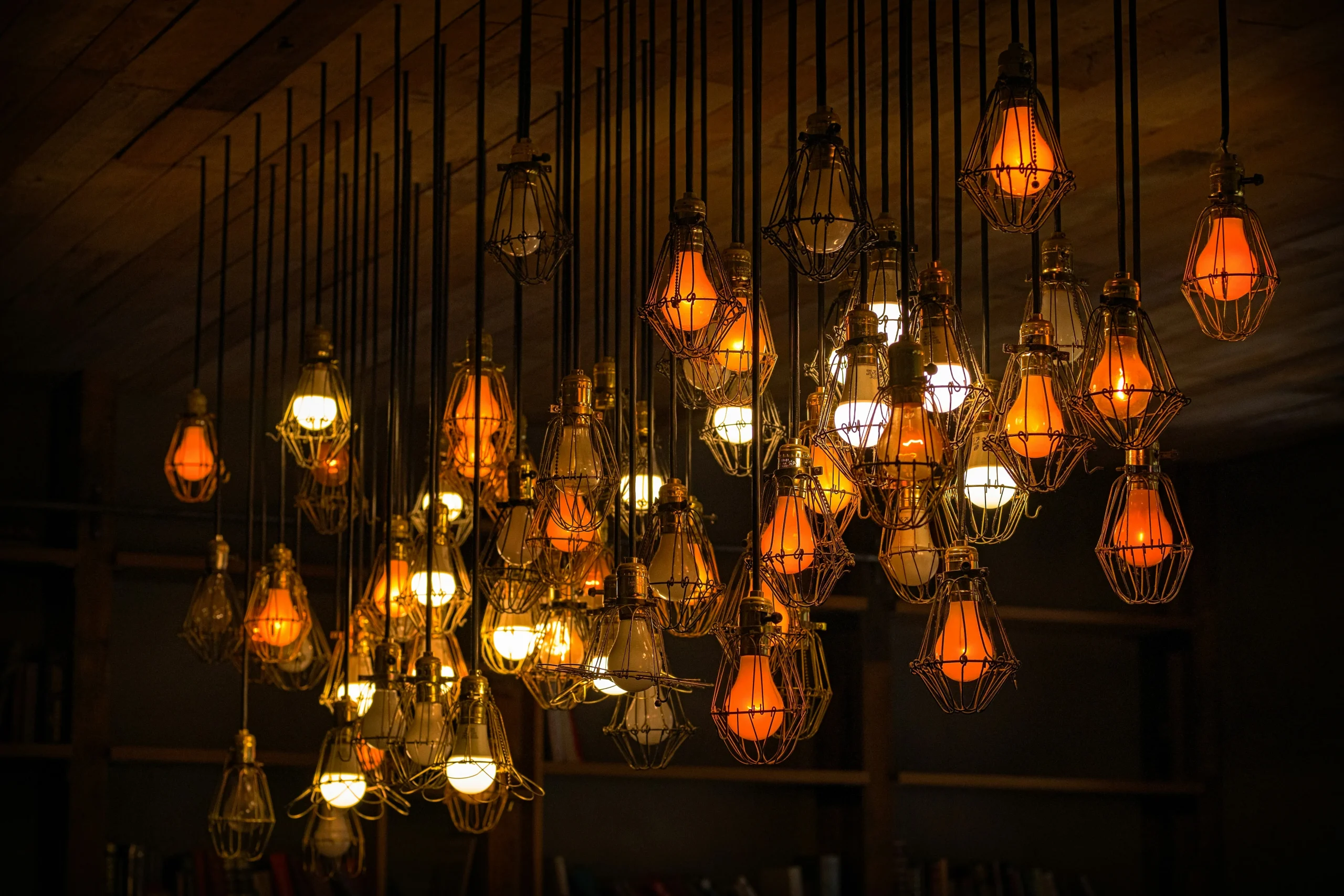
Automated human-centric scenes adjust dynamically based on local geographical position, solar time, and room usage, ensuring ambient indoor light matches real-time outdoor atmospheric conditions perfectly.
Learn more: Smart Lights Explained: How They Work and Why You Need Them
To explore international lighting safety guidelines, technical standards, and human-centric engineering research, consult the official documentation provided by the Illuminating Engineering Society.
Utilizing Smart lighting scenes optimized for circadian health transforms interior design, elevating aesthetic appeal while actively supporting physical health, mental focus, and nighttime sleep quality for every family member.
Advanced smart home platforms allow homeowners to override automated schedules instantly, activating dedicated task scenes for reading, watching movies, or entertaining guests with simple voice commands or tap switches.
How do control protocols manage automated dynamic color shifts?
Centralized smart home hubs communicate with tunable LED drivers via wireless protocols like Matter, Zigbee, or Thread, transmitting precise kelvin and brightness commands continuously without congesting home Wi-Fi networks.
Astronomical clock integration calculates exact sunrise and sunset times based on local geographic coordinates, automatically shifting CCT curves throughout changing seasons without requiring manual recalibration from homeowners.
Read more: Smart Lighting Systems: Complete Installation Guide
Smooth dimming engines execute gradual light transitions over 30 to 60 minutes, preventing abrupt visual shifts that could distract room occupants or disrupt relaxing evening atmospheres inside living areas.
Low-voltage LED controllers maintain high Color Rendering Index (CRI) values above 90 across all dimming levels, preserving rich architectural colors and vibrant home décor under any kelvin setting.
Where can homeowners find technical guidance on smart illumination standards?
Planning a comprehensive human-centric installation requires analyzing fixture compatibility, protocol reliability, and architectural placement recommendations provided by certified smart automation professionals and building health organizations.
Studying official building standards helps homeowners design balanced lighting layers, combining ambient, task, and accent fixtures into cohesive automated scenes tailored to specific family routines and room functions.
Learn more: Smart Home Features That Will Become Standard
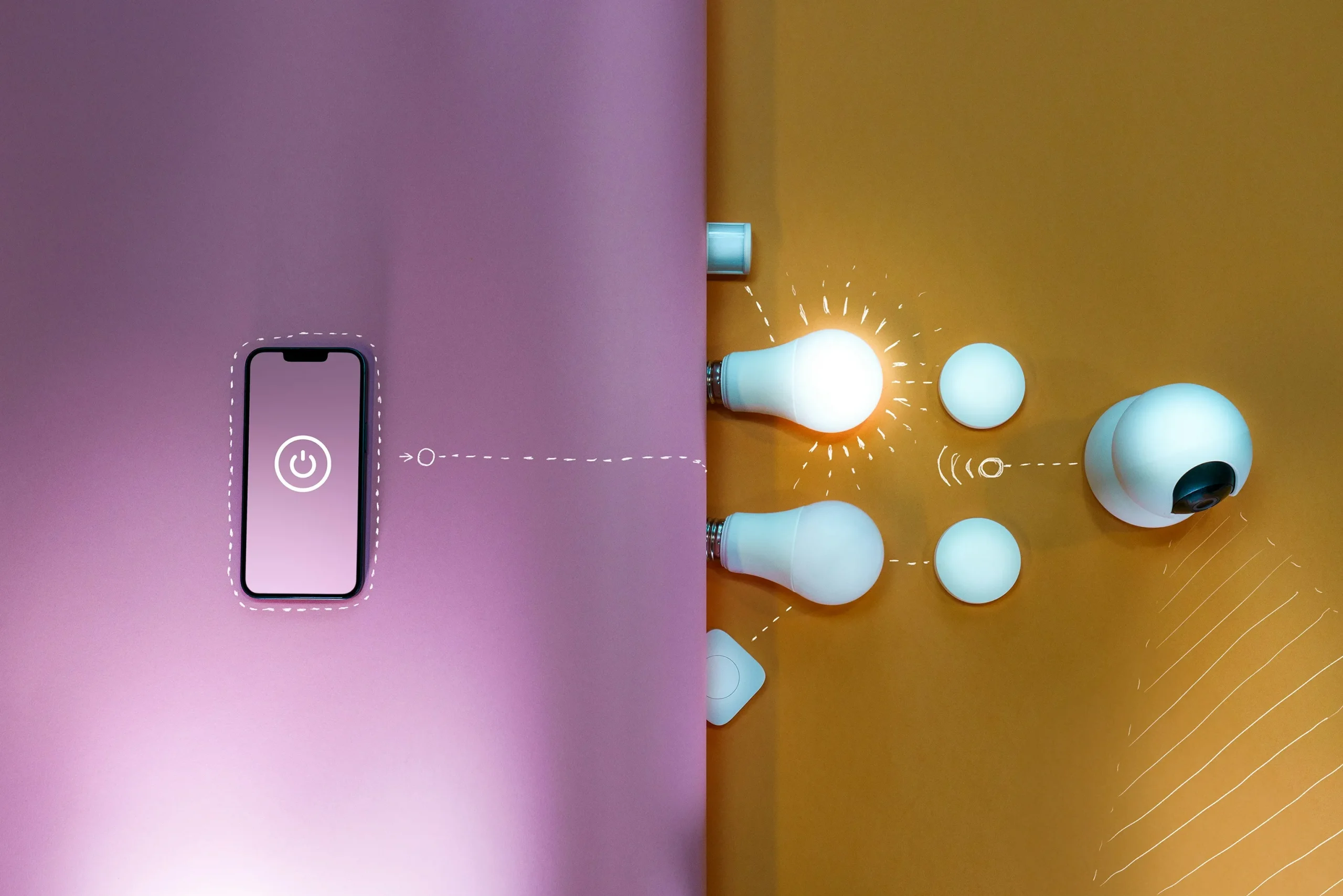
Configuring Smart lighting scenes optimized for human well-being delivers a perfect synergy between cutting-edge technology and biological health, turning living spaces into supportive personal sanctuaries.
To inspect scientific research on light health, building well-being metrics, and indoor environment standards, visit the official portal of the International WELL Building Institute.
Invest in quality tunable fixtures, configure personalized circadian schedules, and enjoy the transformative health benefits of intelligent, human-centric lighting throughout your smart home.
Enhancing daily living through biological lighting design
Adopting human-centric illumination represents a meaningful investment in long-term wellness, aligning artificial indoor environments with human biological evolution and natural solar patterns.
Deploying Smart lighting scenes optimized for circadian health minimizes sleep disruption, boosts daily productivity, and elevates comfort across every space in modern automated residences.
Explore tunable LED systems, select reliable smart control platforms, and create an intelligent lighting environment that nurtures your health and vitality every day.
FAQ (Frequently Asked Questions)
What is the difference between dimmable LEDs and tunable white LEDs?
Dimmable LEDs only adjust brightness levels while maintaining a fixed color temperature, whereas tunable white LEDs adjust both light intensity and color temperature across cool and warm kelvin spectrums.
Can circadian lighting automation help improve night sleep quality?
Yes. Shifting to warm amber light below 2700K in the evening suppresses blue light exposure, encouraging natural melatonin release and preparing your body for restful, uninterrupted sleep.
Which smart home ecosystems support automated circadian schedules?
Major smart home platforms, including Apple Home, Home Assistant, Google Home, and Lutron HomeWorks, support automated circadian lighting scenes through native settings or custom automation routines.
Do I need specialized wiring to install tunable white fixtures?
Most residential smart tunable LED bulbs and fixtures use standard electrical sockets and wireless control protocols, though centralized low-voltage systems may require specialized control wiring during home construction.
