
Residential microgrid systems for connected smart homes
Residential microgrid systems represent the ultimate evolution in residential energy management, allowing smart homeowners to generate, store, and dynamically distribute their own electricity independently from the public utility grid in 2026.
As extreme weather events become more frequent and centralized power grids face unprecedented strain, relying solely on traditional electrical distribution has become a significant vulnerability for modern connected households.
By integrating localized generation sources with smart home automation, these localized energy networks ensure that your critical appliances, security systems, and electric vehicles remain fully powered during unexpected blackouts.
What is a residential microgrid and how does it work?
A residential microgrid is a self-contained, localized energy network that can operate either in parallel with or completely detached from the traditional centralized public electrical utility grid.
This advanced energy system integrates multiple local generation sources, such as rooftop solar panels, with localized battery storage, electric vehicle chargers, and a centralized intelligent control unit.
The system utilizes automated algorithms to continuously monitor energy production, battery state of charge, and real-time utility electricity rates to optimize your household’s overall power consumption dynamically.
By utilizing residential microgrid systems, homeowners can automatically disconnect from the public grid during high-tariff hours, running the entire home on clean, stored solar energy instead.
This seamless transition occurs without any interruption to active smart home devices, protecting sensitive home office computers and home automation controllers from damaging voltage fluctuations.
Why are smart homes adopting localized grid systems?
Modern smart homes consume significantly more electricity than older properties due to the continuous power demands of connected appliances, server racks, and high-voltage electric vehicle charging stations.
Traditional solar arrays without battery backup are legally required to shut down during grid outages to prevent backfeeding power into utility lines, leaving homeowners in the dark.
An automated microgrid solves this limitation by utilizing a specialized automatic transfer switch (ATS) to safely isolate your home’s electrical system from the utility grid within milliseconds.
According to energy infrastructure studies published by the U.S. Department of Energy, localized energy storage and microgrid controller networks are crucial for building resilient, self-healing smart communities.
This physical isolation allows your solar panels to continue generating power and charging your home battery storage unit even during an extended multi-day regional utility blackout.
What are the core technical components of a modern home microgrid?
Building a highly efficient localized energy system requires selecting compatible hardware components that communicate natively with your existing smart home automation protocols and energy management platforms.
The primary components include high-efficiency solar arrays, lithium-iron-phosphate (LFP) battery storage banks, hybrid smart inverters, and a localized home energy management system (HEMS) controller.
Understanding the performance metrics, physical lifespans, and typical cost structures of these physical hardware systems is essential for making an informed long-term capital investment decision.
The table below provides a detailed technical and financial breakdown of the core physical equipment required to deploy a modern, resilient residential energy network:
| Microgrid Component | Typical Cost Range (2026 US$) | Expected Lifespan | Primary Technical Function |
| Solar PV Array (8 kW) | $14,000 – $22,000 | 25 – 30 Years | Primary clean electricity generation |
| LFP Battery Storage (15 kWh) | $8,500 – $13,000 | 10 – 15 Years | Energy storage and backup power |
| Hybrid Intelligent Inverter | $2,500 – $5,500 | 10 – 12 Years | AC/DC conversion and grid isolation |
| Smart HEMS Controller | $1,200 – $3,000 | 8 – 10 Years | Automated load shedding and routing |
Integrating these advanced physical components allows homeowners to configure residential microgrid systems that optimize energy usage automatically based on daily weather predictions and historical household consumption data.
Learn more: How AI Is Transforming Smart Home Automation
How does smart home automation maximize microgrid efficiency?
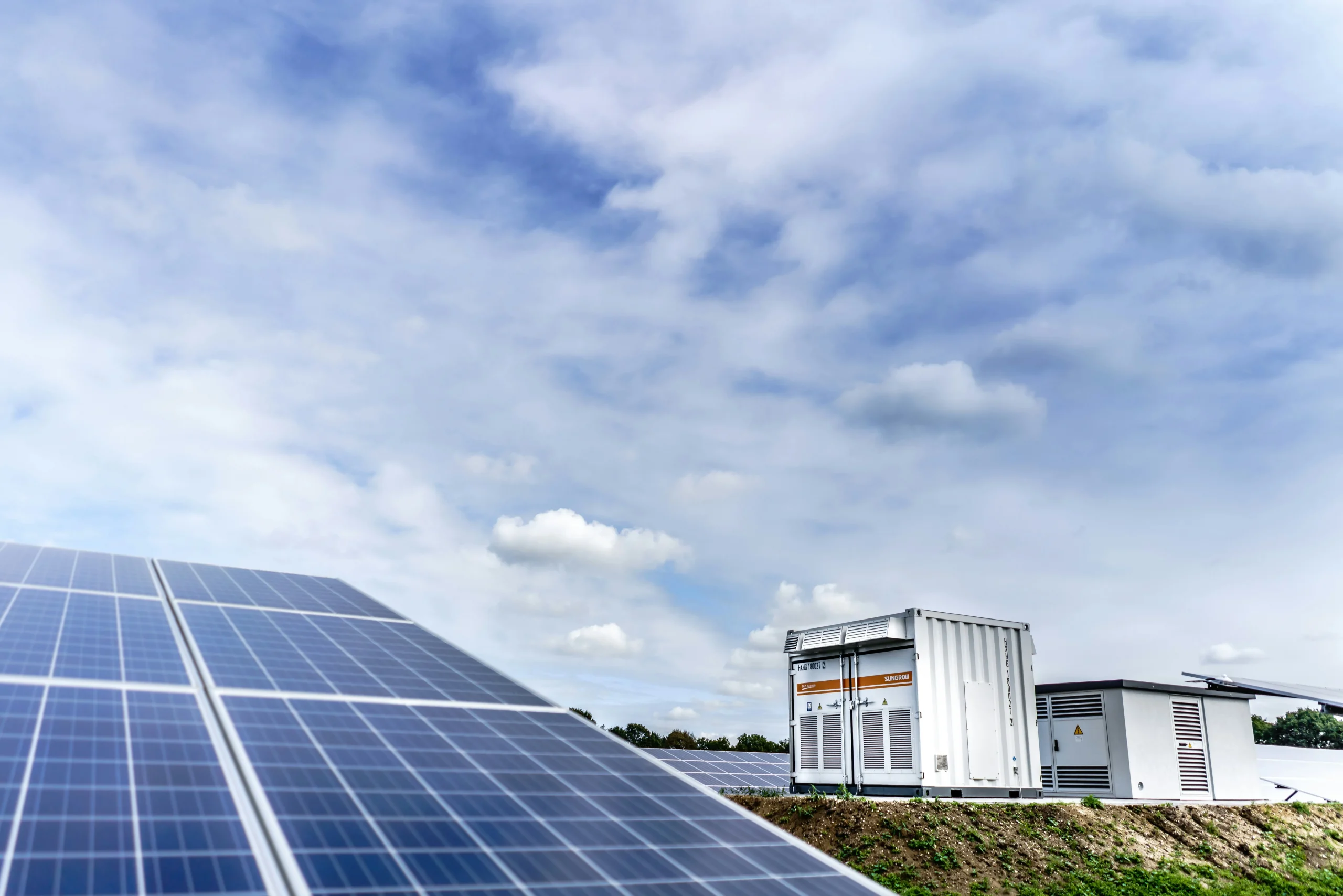
The true power of a modern home microgrid is realized when it is fully integrated with a centralized smart home automation platform using advanced communication protocols.
When solar generation drops unexpectedly due to cloud cover, the smart home controller can automatically execute pre-programmed load-shedding routines to preserve stored battery capacity.
For instance, the automation system can temporarily adjust smart thermostat temperature settings, pause non-essential pool pumps, and delay electric vehicle charging cycles until solar production recovers.
Read more: How AI Is Changing Everyday Consumer Electronics in 2026
This granular, automated control over your household electrical loads prevents unnecessary battery drain, ensuring that your critical backup power reserves last as long as possible.
What are the primary barriers to microgrid deployment?
Despite the clear resilience benefits, deploying a fully automated home microgrid requires navigating complex local utility regulations, permitting processes, and high upfront capital hardware costs.
Many traditional electric utility companies impose strict interconnection agreements and technical requirements to prevent localized generation systems from destabilizing the regional distribution grid.
Furthermore, installing a microgrid requires specialized electrical work, including upgrading your main service panel and installing dedicated subpanels to isolate your critical backup loads.
Learn more: Smart irrigation controllers using local weather data
Working with a certified, experienced system integrator is essential to ensure that your system complies with the safety guidelines established by the National Fire Protection Association.
Embracing a resilient and self-sufficient energy future
Investing in home energy independence is a forward-thinking decision that protects your household against rising utility rates while significantly reducing your environmental footprint.
As smart home technology continues to evolve, the integration of localized power networks will become standard practice for high-end residential construction and comprehensive property renovations.
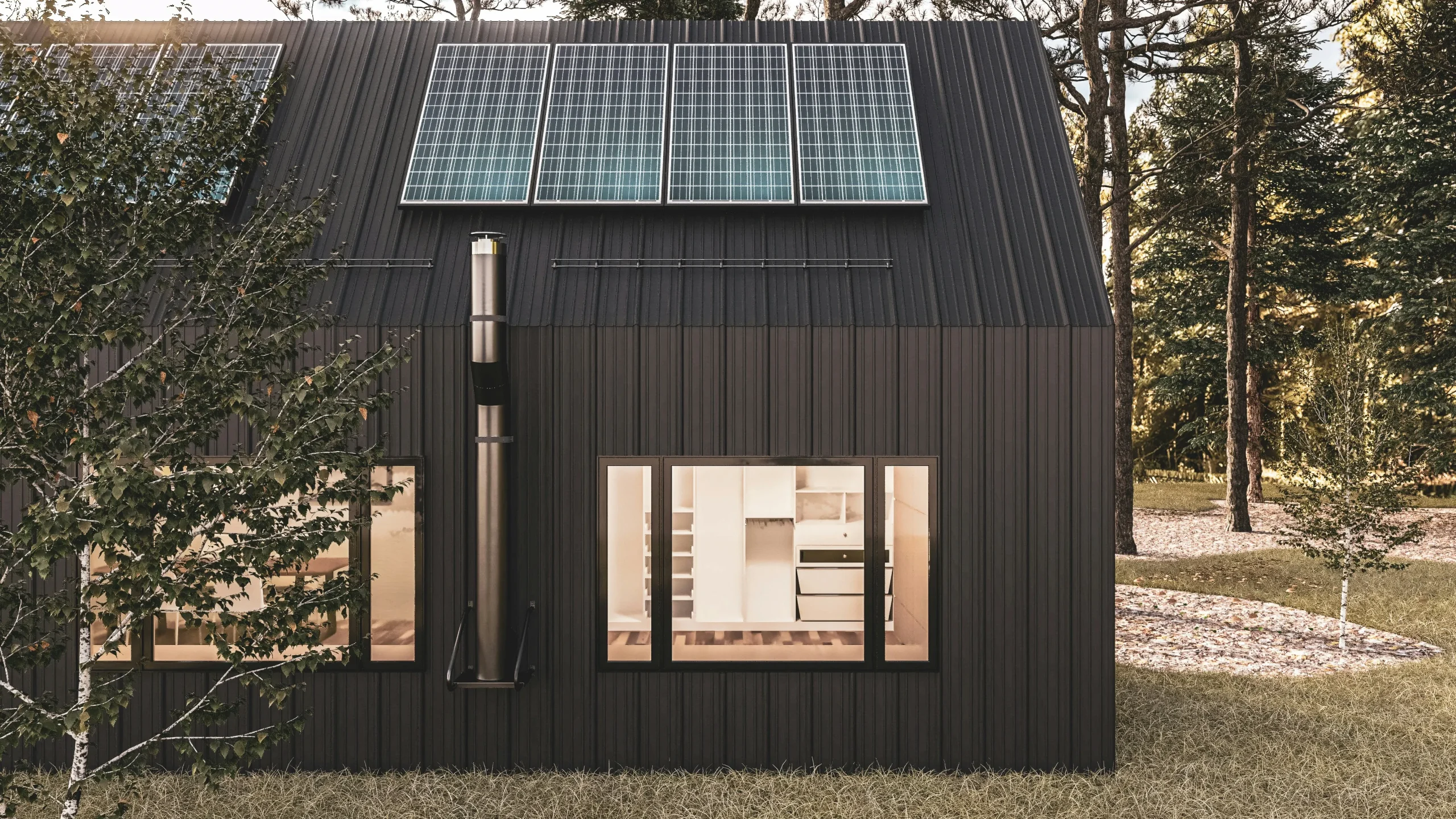
By taking control of your own energy generation and distribution, you ensure that your smart home remains secure, comfortable, and fully operational through any external utility challenge.
FAQ (Frequently Asked Questions)
Can a residential microgrid operate completely off-grid permanently?
Yes, a microgrid can be designed for permanent off-grid operation, but this requires significantly larger solar arrays and battery banks to ensure continuous power during extended periods of poor weather.
Is it possible to charge an electric vehicle using a home microgrid during a blackout?
Yes, but electric vehicle charging requires immense power. Your smart controller must prioritize critical household loads first and allocate excess solar power to the vehicle charger dynamically.
What is the difference between a standard solar system and a microgrid?
A standard solar system automatically shuts down during grid outages for utility safety, whereas a microgrid can isolate itself and continue generating and storing power independently.
How does weather forecasting integrate with smart microgrid systems?
Modern HEMS controllers pull local weather data to predict solar generation drops, automatically maximizing battery storage reserves before a major storm or regional power outage occurs.
