
Automated window shading systems for energy efficiency
The integration of Automated window shading systems into modern architectural design stands as a monumental leap forward for residential sustainability and climate management in 2026.
This intelligent technology transforms traditional passive windows into dynamic, reactive thermal barriers that actively optimize interior climates while dropping aggregate household utility expenses.
Throughout this comprehensive automation guide, we will break down the mechanics of thermodynamic window optimization. We will explore sensor-driven operations, cooling load mitigation, integration with smart thermostats, and specific material selection criteria for maximum operational performance.
What is an intelligent shading system and how does it function?
This home automation framework utilizes motorized blinds, roller shades, or louvers connected to a centralized smart home processor or localized environmental sensors.
The system dynamically adjusts the physical position of the window coverings based on real-time external data like solar intensity, ambient temperature, and time of day.
The mechanical backbone features quiet brushless motors hidden inside the window header, powered by low-voltage wiring, lithium batteries, or integrated photovoltaic solar strips.
Advanced control software interprets data from outdoor weather stations and indoor thermometers to calculate the precise angle needed to block solar radiation or permit natural light penetration.
Automating these micro-adjustments prevents human error from undermining home insulation, ensuring the property remains thermally efficient even when the occupants are away at work.
Utilizing Automated window shading systems allows properties to maintain a balanced temperature profile, changing how we approach residential energy conservation across diverse climates.
How do automated blinds reduce heating and cooling loads?
During peak summer months, direct sunlight passing through standard glass panes creates a greenhouse effect, forcing air conditioning units to consume excessive electricity.
Exterior or interior automated barriers block this solar heat gain before it penetrates the living space, drastically reducing the thermal energy your cooling infrastructure must eliminate.
Conversely, winter operation reverses this strategy by keeping shades completely open during sunny afternoons to capture free radiant warmth from the sun.
Once darkness falls, the system deploys heavy insulated shades to create an extra layer of thermal retention, trapping warm air inside the structure.
| Shading System Variant | Average Energy Savings | Primary Sensor Input | Optimal Architectural Placement |
| Interior Solar Rollers | 15% to 22% cooling reduction | Photoelectric lux sensors | Large east and west-facing windows |
| Exterior Venetian Louvers | 25% to 35% thermal blocking | Wind and solar tracking | South-facing high-exposure glass |
| Cellular Insulated Blinds | 10% to 18% heating retention | Indoor thermal monitors | Northern exposures in cold climates |
| Smart Tinting Glass | 20% to 30% glare mitigation | Integrated UV sensors | Skylights and high commercial facades |
Why is integration with smart thermostats crucial for efficiency?
Standalone motorized shades provide decent localized protection, but linking them to an eco-conscious smart thermostat unlocks true thermodynamic synergy within a building.
When the climate system detects an unseasonably warm afternoon, it instructs the window coverings to lower before activating expensive compressor fans.
This cooperative framework shifts the initial cooling burden from mechanical refrigeration to passive solar shading, minimizing peak demand charges on local municipal electrical grids.
For comprehensive engineering data and scientific research regarding building energy efficiency standards, the official portal of the U.S. Department of Energy (DOE) serves as an authoritative repository.
By treating window coverings as active components of the HVAC system, homeowners prevent unnecessary mechanical wear on their heating and cooling hardware.
This automated cooperation ensures Automated window shading systems deliver a fast return on investment while maintaining interior comfort boundaries.
Which fabric and material specifications deliver the best insulation?
Selecting the correct material determines the overall performance of your shading system, as different openness factors control distinct levels of light transmission.
A tight weave with an openness factor under three percent reflects a higher volume of solar radiation, making it ideal for high-exposure thermal zones.
Learn more: Smart home automation real time context engines for actions
Dual-sided fabrics feature a highly reflective white or metallic coating facing the exterior glass, while displaying a darker decorative color toward the interior living space.
This technical configuration maximizes solar heat rejection without forcing homeowners to compromise on interior design aesthetics or look out onto stark, sterile window backings.
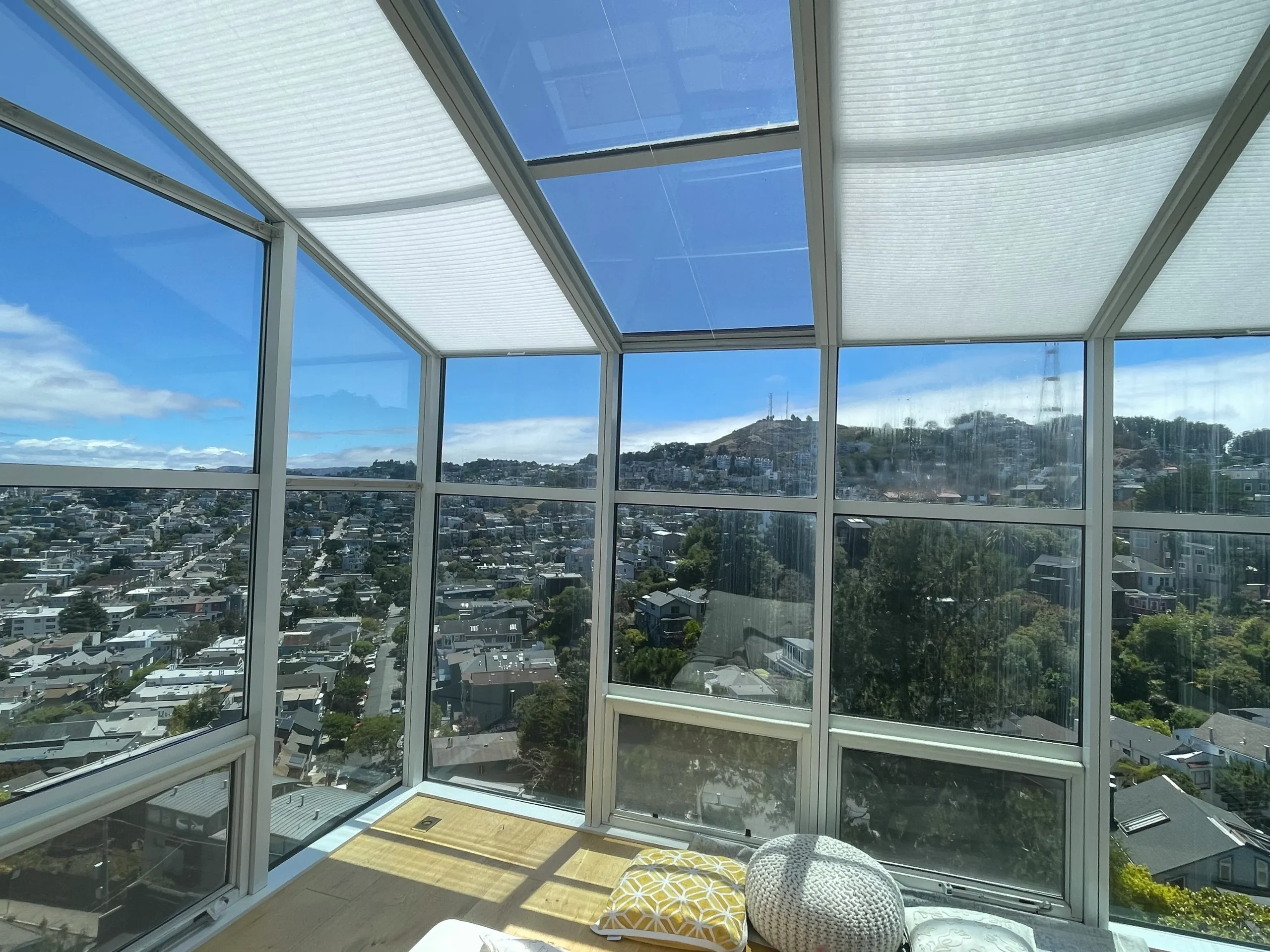
Cellular or honeycomb designs trap air within internal horizontal pockets, creating a highly effective barrier against conductive heat transfer through the window glass.
Investing in these specialized fabrics maximizes the structural utility of your setup, ensuring your home remains completely insulated against extreme outdoor weather shifts.
When should homeowners choose retrofitted motors over new installations?
Property owners can choose between replacing entire window assemblies or retrofitting existing manual blinds with smart, clamp-on motor mechanisms that turn the tilt wands.
Retrofitting offers a highly budget-friendly entry point into home automation, requiring no structural alterations or complex professional electrical work inside the drywall.
However, custom-built integrated systems offer superior durability, quieter operation, and precise alignment tracking thanks to internal optical encoders that monitor fabric positioning.
Read more: Smart home automation dynamic energy pricing systems
When planning a comprehensive home renovation or a new property build, investing in dedicated low-voltage wiring for your window treatments remains the preferred engineering choice.
Regardless of the installation path chosen, adding intelligent controls to your windows remains a foundational step toward achieving long-term sustainability goals.
The growing adoption of Automated window shading systems highlights a broader cultural shift toward self-optimizing homes that protect both the environment and personal financial resources.
To review international green building certifications and sustainable real estate infrastructure frameworks, visit the U.S. Green Building Council (USGBC).
Securing a sustainable future through smart automation
Embracing automated solar management tools bridges the gap between digital convenience and responsible resource preservation within the modern smart home ecosystem.
Transforming windows from structural vulnerabilities into responsive thermal shields allows society to build resilient living spaces that adapt to changing seasonal conditions.
Learn more: Matter compatible devices for multi-brand home setups
Evaluate your home’s solar exposure, integrate your shading devices with automated thermostats, and prioritize high-reflectivity fabrics during your upcoming property upgrades.
Implementing these smart adjustments optimizes daily energy usage, creating a comfortable, sustainable environment that saves money for years to come.
Frequently Asked Questions about Automated Shading
Do automated window shades require a lot of electrical power to operate?
No, the motors consume minimal electricity, drawing power only during the few seconds it takes to raise, lower, or adjust the angle of the blinds.
Can solar-powered smart shades function reliably on cloudy days?
Yes, integrated solar panels charge an internal battery pack that stores enough energy to operate the shades for several weeks without direct sunlight.
How do wind sensors protect exterior automated shading installations?
When external anemometers detect dangerous wind speeds, the automation system automatically retracts exterior louvers into protective metal housings to prevent physical damage.
Will automated blinds help protect interior furniture from fading?
Yes, the system can track UV intensity and close shades automatically during peak hours, protecting valuable hardwood floors, artwork, and fabrics from sun bleaching.
