
Smart irrigation controllers using local weather data
Smart irrigation controllers are rapidly transforming modern home automation platforms in 2026, transitioning lawn maintenance from arbitrary timer schedules into a precise science.
Homeowners frequently waste thousands of gallons of clean municipal water simply because traditional clock-based sprinkler models cannot adapt to unexpected afternoon downpours.
Integrating weather-responsive hardware allows residential property managers to maintain vibrant landscapes while drastically curbing unnecessary environmental and financial utility expenditures.
This technical analysis explores the innovative communication architecture behind modern automated watering setups, detailing how local atmospheric sensors translate live atmospheric trends into optimized property management.
What is a weather-based irrigation controller and how does it access local atmospheric data?
Modern automated watering units replace fixed mechanical calendars with intelligent digital processors that monitor shifting environmental indicators in real time.
These advanced systems connect to local cellular or residential internet networks to pull hyperlocal data directly from nearby civilian and professional meteorological centers.
By tracking shifting variables like humidity, wind velocity, ambient temperature, and solar intensity, the system continuously recalculates the exact moisture loss of your topsoil.
This continuous math ensures your vegetation receives precisely the amount of moisture evaporated during the previous day, preventing soil saturation.
Deploying Smart irrigation controllers eliminates the common frustration of watching home sprinkler systems run during heavy rainstorms or intense freezing weather.
The built-in wireless architecture allows the device to process predictive forecasts, automatically halting scheduled watering events before the first raindrop hits your lawn.
How does real-time evapotranspiration calculation optimize residential water conservation?
The core principle behind modern landscape automation involves calculating evapotranspiration, which defines the combined volume of water that evaporates from soil and transpires through plants.
Standard digital timers completely ignore this environmental cycle, leading to overwatering that suffocates plant root zones and leaches vital nutrients from your yard.
Intelligent water management platforms monitor this continuous moisture loss, activating control valves only when the soil’s moisture level drops below a specific pre-programmed threshold.
This targeted approach encourages deep, resilient root growth, helping your landscape survive seasonal heatwaves and regional drought restrictions easily.
To explore certified product efficiency metrics, review independent structural testing data, and check official green building guidelines, the reference database of the U.S. Environmental Protection Agency (EPA WaterSense) delivers verified conservation statistics.
| Controller Engineering Architecture | Primary Data Feed Inputs | Wireless Connectivity Profile | Best Automated Property Use Case |
| Signal-Based Cloud Receiver | Regional weather station arrays | 2.4 GHz / 5 GHz Wi-Fi link | Standard suburban residential homes |
| On-Site Sensory Matrix | Local rain, wind, and solar probes | Hardwired / Proprietary RF | Properties with distinct microclimates |
| Historical ET Optimizer | Pre-programmed regional curves | Offline memory with local override | Remote locations lacking stable internet |
| Hybrid Flow-Linked Hub | Cloud forecasts plus pipe flow meters | Cellular LTE / Wi-Fi combo | Large estates vulnerable to hidden leaks |
Why should property owners upgrade from standard clock-based sprinkler timers?
Standard mechanical timers operate on a rigid schedule, delivering the exact same volume of water in chilly autumn as they do during peak summer heatwaves.
This lack of flexibility leads to massive runoff, wasting money and washing synthetic fertilizers into municipal storm drains.
Upgrading your home automation system to include Smart irrigation controllers shifts your property management approach from reactive maintenance to automated precision.
Property owners enjoy lower monthly utility expenditures while knowing their automated home contributes directly to municipal resource preservation goals.
Modern irrigation platforms feature intuitive smartphone applications that provide clear, detailed charts of your daily water use and upcoming schedule adjustments.
This constant visibility lets you check system performance, change zone parameters, and turn off specific zones remotely from anywhere in the world.
Which hardware features guarantee maximum reliability during network connectivity drops?
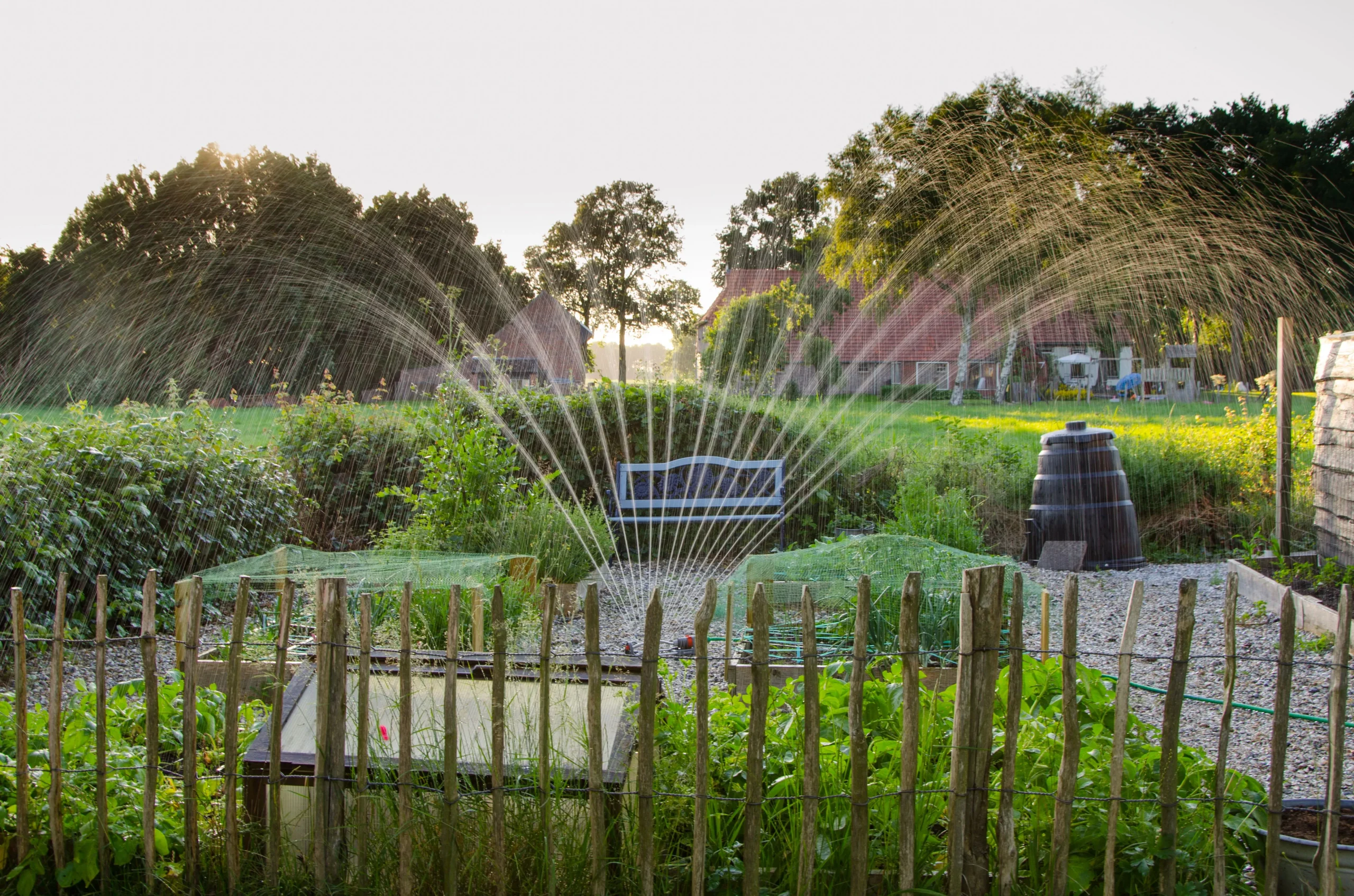
A frequent concern among smart home enthusiasts is how automated systems handle unexpected home internet dropouts or local power grid failures.
Premium watering processors counter this vulnerability by storing your basic watering schedules and historical climate files directly on internal flash memory.
Learn more: Top Benefits of Smart Home Automation You Should Know
If your wireless connection drops, the local hardware runs a temporary fallback schedule based on historical regional averages until the connection is restored.
This engineering safeguard prevents your landscaping from drying out during extended internet outages while keeping your smart home infrastructure running smoothly.
Furthermore, adding physical flow meters to your smart controller setup allows the system to detect hidden underground pipe breaks instantly.
If a zone consumes an unusual amount of water, the controller automatically shuts down the damaged zone and sends an alert to your phone.
When do local municipal utility rebates offset the initial technology installation costs?
Many regional water authorities and municipal governments offer significant financial incentives to homeowners who replace inefficient timers with certified smart controllers.
These local rebate programs often cover a large portion of the hardware purchase price, making the upgrade highly cost-effective for budget-conscious families.
Read more: Smart Home Myths You Should Stop Believing in 2025
As municipal regions face tighter water supplies, installing water-efficient technology helps protect your property from strict seasonal watering bans.
To review independent conservation data, explore urban agricultural engineering papers, and access automated resource management studies, the digital portal of the Irrigation Association (irrigation.org) provides authoritative industry publications.
Securing sustainable landscapes through home automation engineering
Transitioning your property to a weather-responsive watering network is a practical step toward building a highly efficient, sustainable smart home ecosystem.
Relying on fixed mechanical clocks is no longer practical when smart sensors can match your watering schedule to changing weather conditions automatically.
Learn more: What Is Home Automation and Is It Worth It?
Examine your current outdoor water use, check your local utility company for available product rebates, and select a controller that fits your landscape’s unique needs.
Embracing these advanced automation tools saves you time and money, ensuring your home remains beautiful, healthy, and resource-conscious for years to come.
Frequently Asked Questions
Can smart irrigation controllers manage delicate drip irrigation zones for vegetable gardens?
Yes, modern controllers allow you to customize individual zones for specific plant needs, adjusting watering runtimes to accommodate the low-pressure requirements of specialized drip lines.
Do I need to pay a monthly subscription fee to receive local weather data feeds?
Most leading consumer brands include hyper-local weather data access for free, though some advanced commercial models require a subscription for premium, high-resolution satellite updates.
How does a smart controller prevent watering my lawn when it is currently raining?
The system checks live local weather data feeds online and can be paired with an inexpensive on-site rain sensor to halt watering the moment precipitation begins.
Can I install a smart watering controller myself, or does it require professional wiring?
If you are replacing an existing low-voltage timer, the installation process is straightforward, using simple plug-and-play wiring layouts that most DIY homeowners can complete in under an hour.
