
Virtual exhibition platforms for global art collections
Virtual exhibition platforms are rapidly transforming how museums, galleries, and private collectors share invaluable cultural heritage with a highly connected global audience.
In this deep exploration, we examine how advanced spatial rendering, photogrammetry, and interactive design are breaking down the geographical barriers of classical art appreciation.
We will also analyze how cultural institutions leverage immersive spaces to curate diverse, high-definition digital galleries that protect fragile physical masterpieces from unnecessary environmental degradation.
Read on to discover how these digital architectures democratize fine arts access, allowing anyone with an internet connection to wander through the world’s greatest creative corridors.
What is a virtual exhibition platform and how does it function?
These specialized software systems build highly immersive, three-dimensional digital environments designed specifically to display physical or native-digital works of art with supreme accuracy.
Rather than presenting a static catalog of flat webpage images, these environments replicate the spatial dynamics, lighting variations, and architectural flow of physical museum galleries.
Users can navigate these custom digital galleries using standard web browsers, mobile touchscreens, or high-fidelity virtual reality headsets for a deeply personal, interactive sensory experience.
To explore the digital rendering initiatives of historical landmarks, you can examine the digital preservation archives hosted by the Smithsonian Institution, which leads worldwide cultural research.
This interactive design allows online visitors to view delicate textures and brushstrokes from multiple angles, mimicking the natural physical movement of walking through a physical room.
Consequently, curating digital spaces opens up infinite creative possibilities, freeing artists and institutions from the structural and financial limits of physical real estate.
How do digital spaces preserve and democratize global heritage?
These advanced spatial architectures serve as a vital repository for physical masterworks that are too fragile or geographically remote to be seen by the general public.
By creating millimeter-accurate digital twins of ancient sculptures and paintings, institutions preserve these cultural treasures against physical decay, natural disasters, or conflict.
Furthermore, virtual exhibition platforms ensure that a student in a remote village can study rare Renaissance brushwork with the same clarity as a local metropolitan museum-goer.
Physical Masterpiece -> High-Res Photogrammetry -> Spatial Rendering -> Global Virtual Access
This democratizing effect shifts the cultural landscape, turning historically exclusive institutions into open, accessible learning centers that belong to the entire world.
| Platform Type | Primary Technology Used | Best Application | Accessibility Level |
| Web-Based 3D Spaces | WebGL / Three.js | Standard art galleries, educational tours | High (Any web browser) |
| Photogrammetric Twins | High-density point clouds | Historical sites, ancient sculpture ruins | Medium (Requires decent hardware) |
| Fully Immersive VR | Unreal Engine / Unity | Avant-garde digital art, interactive media | Low (Requires VR headset) |
| Hybrid 360° Tours | High-resolution panoramas | Guided museum walkthroughs, archives | High (Mobile and desktop) |
Which technologies are essential for creating realistic art galleries?
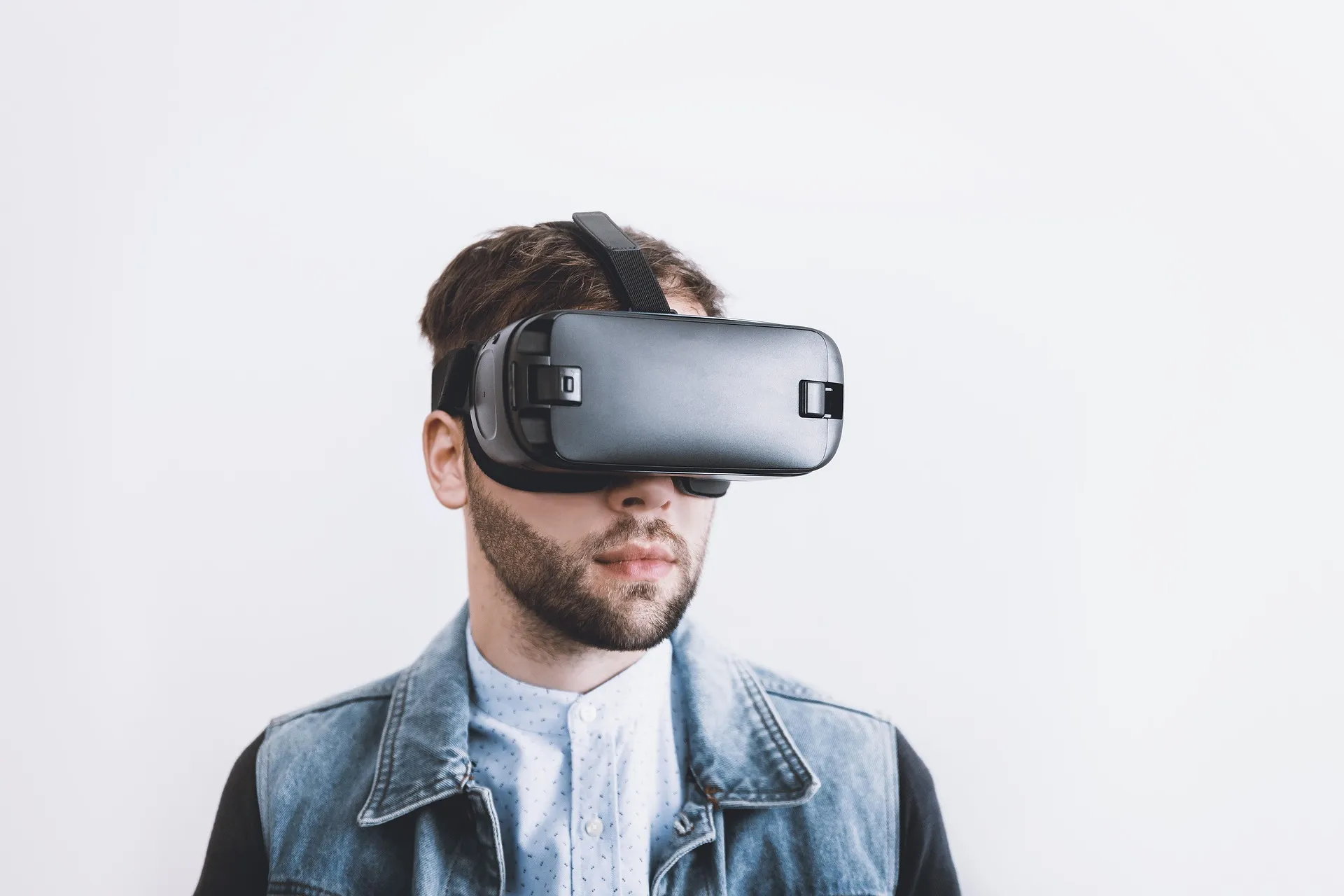
Building a convincing digital gallery requires a careful blend of high-definition imaging, spatial audio, and optimized graphics engines that run smoothly on consumer devices.
Photogrammetry plays a key role, stitching hundreds of high-resolution photos together to create highly detailed 3D models of complex physical sculptures.
Read more: VR architectural walkthroughs before project construction
To prevent long loading screens, developers use advanced compression algorithms to stream rich visual data over standard internet connections without losing fine artistic details.
Additionally, real-time lighting simulation ensures that reflections on a virtual oil painting change naturally as the viewer moves around the digital room.
These technical steps are vital for maintaining artistic authenticity, ensuring that the digital version honors the original creator’s vision and intention.
Why are major cultural institutions investing in spatial curation?
Museums face growing physical space constraints, meaning only a small fraction of their vast permanent collections can be displayed to the public at once.
Transitioning to virtual exhibition platforms allows curators to design expansive themed exhibitions that pull pieces from deep storage archives without physical handling risks.
These digital setups also allow for seamless collaboration between global institutions, letting them co-curate joint exhibitions without the high costs of physical art transport.
Read more: VR retail merchandising strategies for immersive shopping
Furthermore, interactive features like integrated audio guides and contextual text overlays enrich the visitor’s journey, offering deeper educational context on demand.
To see how major European cultural hubs are organizing and displaying their digital collections online, explore the extensive resources on Europeana, which centralizes European digital heritage.
This forward-thinking digital investment helps institutions stay relevant and engage younger, tech-savvy audiences who expect highly interactive, modern learning experiences.
Shaping the future of artistic engagement through virtual environments
The rise of spatial digital curation represents a major step forward, redefining our relationship with creative expression and historical storytelling.
By blending advanced technology with classical curation, these digital spaces create a global canvas that transcends physical borders and language barriers.
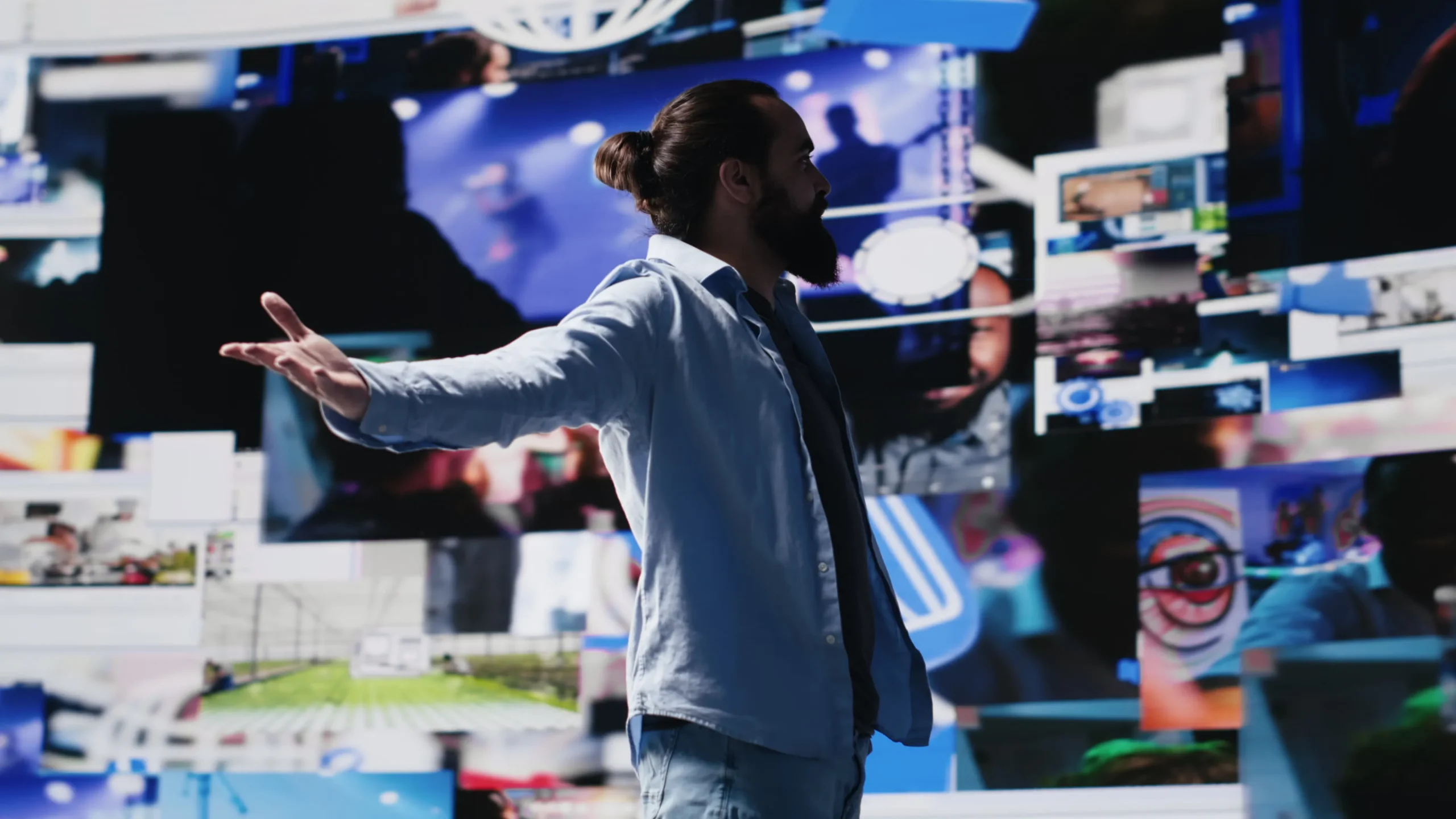
As VR hardware becomes more accessible, the boundary between visiting a gallery online and standing there in person will continue to blur.
Learn more: VR classroom laboratories for science education programs
Embracing these digital platforms ensures that our shared human heritage remains alive, vibrant, and accessible to generations of learners to come.
Frequently Asked Questions (FAQ)
Can I experience these virtual art galleries without a VR headset?
Yes, most platforms are optimized for standard web browsers, letting you explore the spaces easily using your computer mouse or phone touchscreen.
How do museums protect the copyright of digital art files?
Institutions use advanced encryption, digital watermarking, and low-resolution preview files to prevent unauthorized downloading and sharing of high-value art assets.
Are these digital tours accessible for users with visual impairments?
Many modern platforms include accessibility features like screen reader support, high-contrast settings, and audio descriptions to assist visually impaired visitors.
Can independent artists use these virtual platforms to self-publish?
Absolutely, many user-friendly platforms allow independent creators to upload their artwork and design custom 3D galleries to share directly with collectors.
