
Immersive cultural heritage experiences in museums
Developing Immersive cultural heritage experiences in museums has transformed how global audiences interact with historical artifacts, ancient architecture, and intangible traditions.
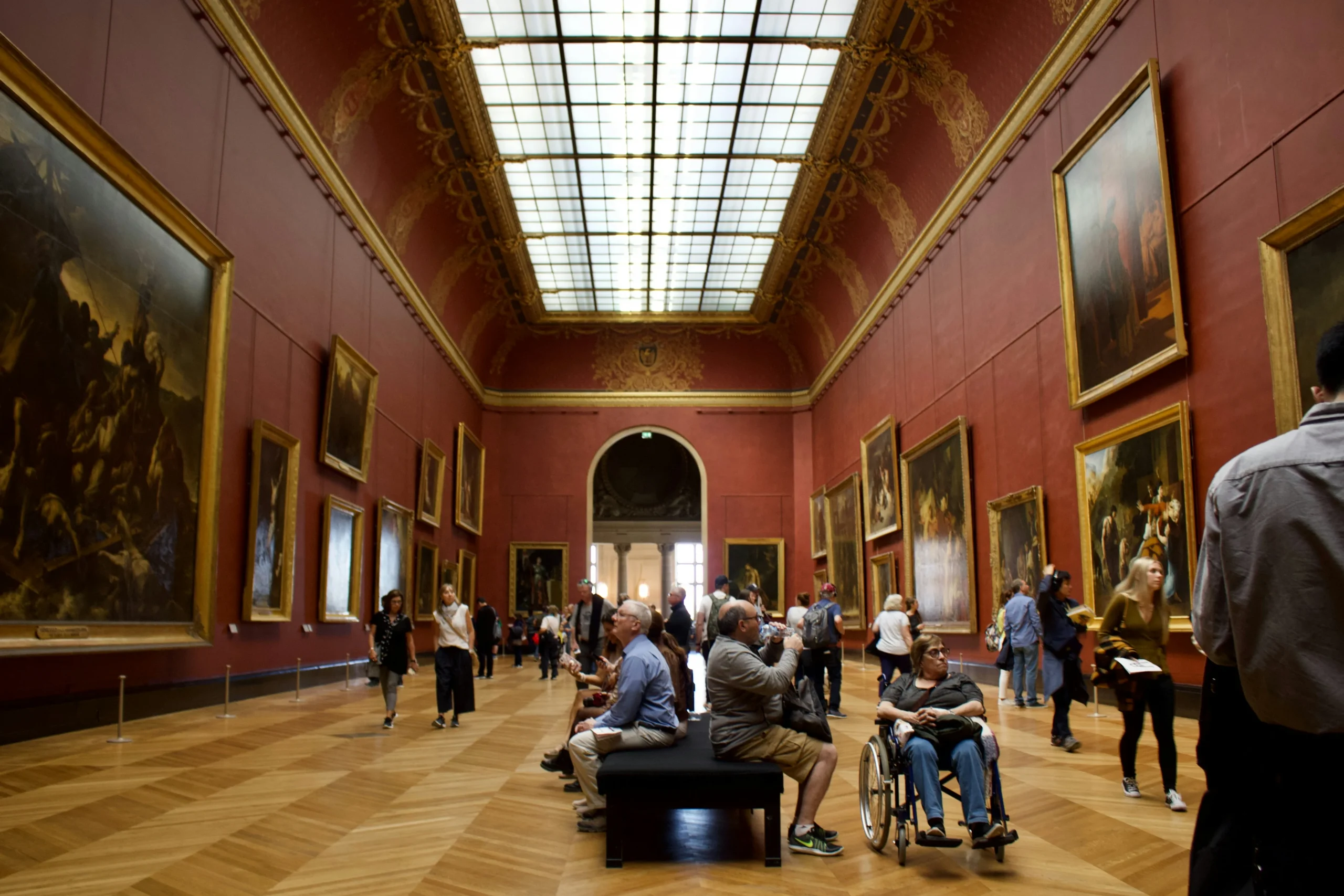
Traditional galleries with static display cases and printed text labels are rapidly evolving into dynamic spaces driven by interactive spatial computing.
Curators deploy augmented reality (AR) and virtual reality (VR) to bridge the deep gap between cold academic documentation and authentic human empathy.
This technical evolution ensures that fragile cultural narratives remain deeply engaging, highly educational, and entirely accessible to diverse generations of modern digital native visitors.
What Is an Immersive Cultural Heritage Display in Modern Exhibition Spaces?
An immersive exhibition moves away from passive observation, turning the visitor into an active participant within an expansive historical narrative landscape.
Instead of looking at a broken piece of ancient pottery, guests use spatial headsets to view the entire original building. These systems reconstruct lost archaeological contexts using high-resolution photogrammetry, laser scans, and verified historical data.
By placing artifacts inside their true temporal environments, museums successfully provide deeper educational clarity to complex anthropological histories.
This structural shift relies heavily on seamless hardware integration that works cleanly without disrupting the physical gallery flow.
Hidden proximity sensors, directional sound beams, and architectural projection mapping work together to create an invisible, responsive technological layer.
Visitors experience a historical event naturally, feeling as though they have stepped through time rather than simply interacting with a computer.
Consequently, Immersive cultural heritage experiences in museums serve as powerful educational platforms that breathe new life into fading regional narratives.
How Do Virtual Reality Applications Enhance Historical Preservation Initiatives?
Virtual reality creates flawless digital replicas of highly vulnerable historical sites that suffer from over-tourism, environmental erosion, or conflict damage.
By creating hyper-realistic 3D digital twins, institutions allow students worldwide to explore delicate cave paintings or remote ancient temples safely.
This protective measure keeps physical structures safe from daily foot traffic while opening up scientific research opportunities globally.
Scholars analyze structural micro-details inside virtual environments, collaborating across borders without needing to travel to fragile remote excavation zones.
Furthermore, VR setups allow institutions to preserve intangible cultural heritage, such as traditional dances, complex oral storytelling, and artisanal craftsmanship.
Motion-capture technology records the precise physical movements of elder masters, preserving their unique human skills inside digital interactive archives forever.
Learn more: Virtual Reality in Hospitality: Enhancing Guest Experiences
To review the international digital archiving frameworks that guide these delicate preservation projects, tech teams frequently consult technical reports by the Smithsonian Institution, which sets industry benchmarks for digital data open access. These strict standards keep virtual reconstructions grounded in absolute historical accuracy.
Comparison of Immersion Technologies in Global Galleries
Choosing the correct technological framework requires balancing visitor flow dynamics against the specific educational goals of the historical exhibit.
| Technology System | Average Visitor Engagement Time | Primary Curatorial Application | Main Technical Advantage |
| Spatial Projection Mapping | 8 – 15 minutes | Recreating large architectural interiors and structural murals | Accommodates massive crowds simultaneously without individual gear |
| Wearable Augmented Reality | 5 – 10 minutes | Layering digital text, animations, and tools over real artifacts | Maintains direct visual connection with the physical object |
| Fully Enclosed Virtual Reality | 4 – 8 minutes | Deep individual exploration of lost cities or inaccessible landscapes | Provides absolute sensory isolation for complete narrative focus |
| Directional Audio Arrays | Continuous | Delivering localized historical soundscapes and ancestral ambient music | Enhances emotional connection without creating visual distractions |
Why Is Multi-Sensory Feedback Critical for Deep Educational Retention?
Human learning relies heavily on combining multiple sensory signals, making multi-sensory feedback an essential tool for modern exhibit designers.
When a visitor hears the ambient noise of an ancient marketplace while examining a Roman coin, cognitive retention increases dramatically.
Combining high-fidelity spatial audio with visual models creates strong neural pathways, helping guests recall complex historical facts long after leaving.
Read more: Virtual Tours vs Full VR Experiences: When to Use Each
This strategic combination transforms a brief weekend family outing into a profound, long-lasting educational experience.
Advanced exhibits also include tactile haptic interfaces, allowing users to feel the virtual texture of ancient fabrics or chiseled stones.
Specialized haptic styluses mimic the physical resistance of historical tools, letting students practice ancient writing methods on virtual wax tablets.
This hands-on sensory engagement makes complex history highly accessible to individuals with diverse learning styles or visual impairments.
By prioritizing multi-sensory designs, Immersive cultural heritage experiences in museums expand public education options while ensuring complete inclusivity across the entire gallery floor.
Which Regulatory Guidelines Shape Digital Reconstruction Ethics globally?
Building interactive historical models requires following strict professional ethical boundaries to prevent rewriting history or creating false cultural narratives.
Designers must clearly show visitors where hard archaeological evidence ends and where informed digital reconstruction choices begin.
Using distinct color codes or transparency layers inside the software allows users to see which parts of a building are original. This transparent approach protects the scientific integrity of the museum, preventing public confusion regarding genuine historical remnants.
Learn more: Virtual Museums: Exploring Art Through VR Technology
National and international museum networks update their digital asset management policies regularly to respect the intellectual property of indigenous communities.
True collaboration ensures that digital models of sacred cultural artifacts are created, stored, and displayed according to traditional tribal laws.
By keeping communities involved in the creation process, museums serve as respectful protectors of global diversity. This responsible balance of science, ethics, and technology ensures that digital galleries remain trustworthy places for public learning.
Frequently Asked Questions About Immersive Museum Exhibits
Do immersive technologies overshadow the value of genuine physical artifacts?
Not when the digital assets are designed as supportive tools rather than primary spectacles. High-quality digital overlays point out subtle details on the physical artifact, encouraging visitors to look closer at the original piece.
How do museums manage sanitation and equipment maintenance for public headsets?
Institutions use industrial ultraviolet sanitizing bays, automated cleaning cycles, and replaceable medical-grade silicone face gaskets between uses. Many galleries also shift toward projection mapping and smartphone-based webAR applications to minimize shared physical contact points.
Can small local historical societies afford high-tier immersion tools?
Yes, because open-source software and consumer-grade mobile devices have drastically lowered the initial financial barriers to entry. Small institutions use simple QR codes next to displays, allowing visitors to unlock rich AR historical content using their own devices.
How does directional audio prevent sound bleeding across close exhibits?
Acoustic engineers mount specialized ultrasonic speaker panels that focus sound waves into narrow, highly isolated columns. Only the visitor standing directly in front of a specific artifact hears the corresponding audio narration, keeping the wider gallery quiet.
Safeguarding Global Shared Memory Through Digital Innovation
Modern experiential design allows cultural institutions to protect historical memory while adapting to the expectations of digital audiences.
Combining historical accuracy with cutting-edge spatial computing ensures that ancient human stories continue to inform, challenge, and inspire modern society.
As technologies improve, the opportunities to connect people with their roots will grow infinitely more profound. Museums successfully secure their roles as vital pillars of global education by treating history as an active, living experience.
To study the technical specifications and data frameworks behind global open-source cultural digitizations, check out the resources on Europeana Pro, which standardizes digital heritage initiatives across nations.
Reviewing these open-access engineering datasets shows how structured metadata keeps virtual exhibits authentic, interoperable, and resilient over time.
Maintaining this professional focus allows developers to build systems that honor human history across different cultural eras. Stay committed to data truth, design inclusive spaces, and help welcome the next chapter of interactive cultural preservation.
