Interactive language immersion tools for bilingual preschoolers
Deploying interactive language immersion tools effectively within early childhood education requires moving past traditional rote memorization toward natural, context-rich sensory experiences.
The preschool brain possesses an extraordinary capacity for phonetic mapping, meaning children can absorb native accents and complex grammatical structures effortlessly through consistent exposure.
However, modern digital integration must prioritize active, conversational engagement over passive video streaming to achieve genuine language fluency.
This comprehensive review analyzes how advanced early childhood learning platforms utilize tactile feedback and speech recognition to foster comprehensive bilingualism.
What are interactive immersion platforms and how do they alter early neuroplasticity?
Dual-language software tools designed for early education represent a distinct category of digital applications that replicate natural target language acquisition environments.
Rather than presenting isolated vocabulary flashcards, these systems weave linguistic markers directly into engaging storytelling, problem-solving puzzles, and tactile adventures.
This immersive structural approach stimulates the infant auditory cortex, strengthening the neural pathways responsible for recognizing and organizing distinct phonetic variations.
Consequently, young learners establish dual mental filing systems, switching between distinct vocabularies without needing to translate phrases mentally.
Integrating interactive language immersion tools into early childhood routines provides young minds with the structural scaffolding required to decode subtle cultural communication nuances.
These specialized programs leverage natural curiosity, encouraging preschoolers to play, explore, and experiment with spoken vocabulary in a zero-pressure environment.
How does real-time voice recognition software improve preschool speech pronunciation?
Traditional media alternatives fail to build expressive fluency because they lack the ability to listen, evaluate, and respond to a child’s verbal attempts.
Modern software solutions solve this pedagogical bottleneck by incorporating kid-friendly speech recognition algorithms engineered to process high-pitched vocal frequencies.
When a child pronounces a target phrase, the engine analyzes the speech pattern, providing instant visual rewards or encouraging corrective audio loops.
This conversational feedback loop mirrors natural maternal responses, building vocal confidence while gradually refining the child’s articulating mechanics.
To examine clinical research papers regarding child health, access official pediatric media guidelines, and review trusted public recommendations on healthy early development, the American Academy of Pediatrics (AAP.org) serves as a gold-standard medical authority.
| Platform Interface Strategy | Primary Pedagogical Approach | Core Sensory Feedback | Ideal Preschool Age |
| Augmented Reality (AR) Cards | Contextual object mapping | Tactile and visual 3D renders | 3 to 4 Years Old |
| Phonetic Speech Recognition | Real-time conversational loops | Audio confirmation rewards | 4 to 5 Years Old |
| Gamified Narrative Quests | Contextual problem solving | Story progression paths | 5 to 6 Years Old |
| Tactile Smart Toys (IoT) | Physical manipulation play | Haptic and verbal responses | 3 to 5 Years Old |
Why does active physical engagement prevent digital fatigue during long-term learning?
Young children learn about the physical world by touching, moving, and actively manipulating objects within their immediate physical environments.
Passive digital screens that demand long periods of stationary looking frequently cause sensory exhaustion, behavioral irritability, and diminished attention spans.
Modern early learning devices circumvent this structural limitation by linking digital vocabulary lessons with physical smart blocks or motion-activated play mats.
This multisensory integration connects the abstract spoken word with real-world physical weight, tactile textures, and kinetic movement patterns.
Utilizing balanced interactive language immersion tools ensures that a child’s physical development remains fully aligned with their accelerating cognitive growth.
Combining physical movement with target language practice deepens memory retention, helping children preserve new vocabulary words much longer than traditional flashcard drills.
Which software design elements separate high-quality tools from addictive digital media?
High-quality educational tools intentionally avoid using flashing lights, loud alarm sounds, or rapid camera cuts that overstimulate a preschooler’s delicate nervous system.
Instead, premium platforms adopt soft color palettes, realistic illustrations, and calm vocal narrators who speak at a natural, unhurried pace.
Furthermore, authentic immersion tools lack predatory in-app monetization models or hidden reward loops designed to hook a child’s attention span artificially.
Learn more: Smart home automation dynamic energy pricing systems
The true psychological reward stems from solving a story puzzle or successfully communicating a specific thought to a friendly digital character.
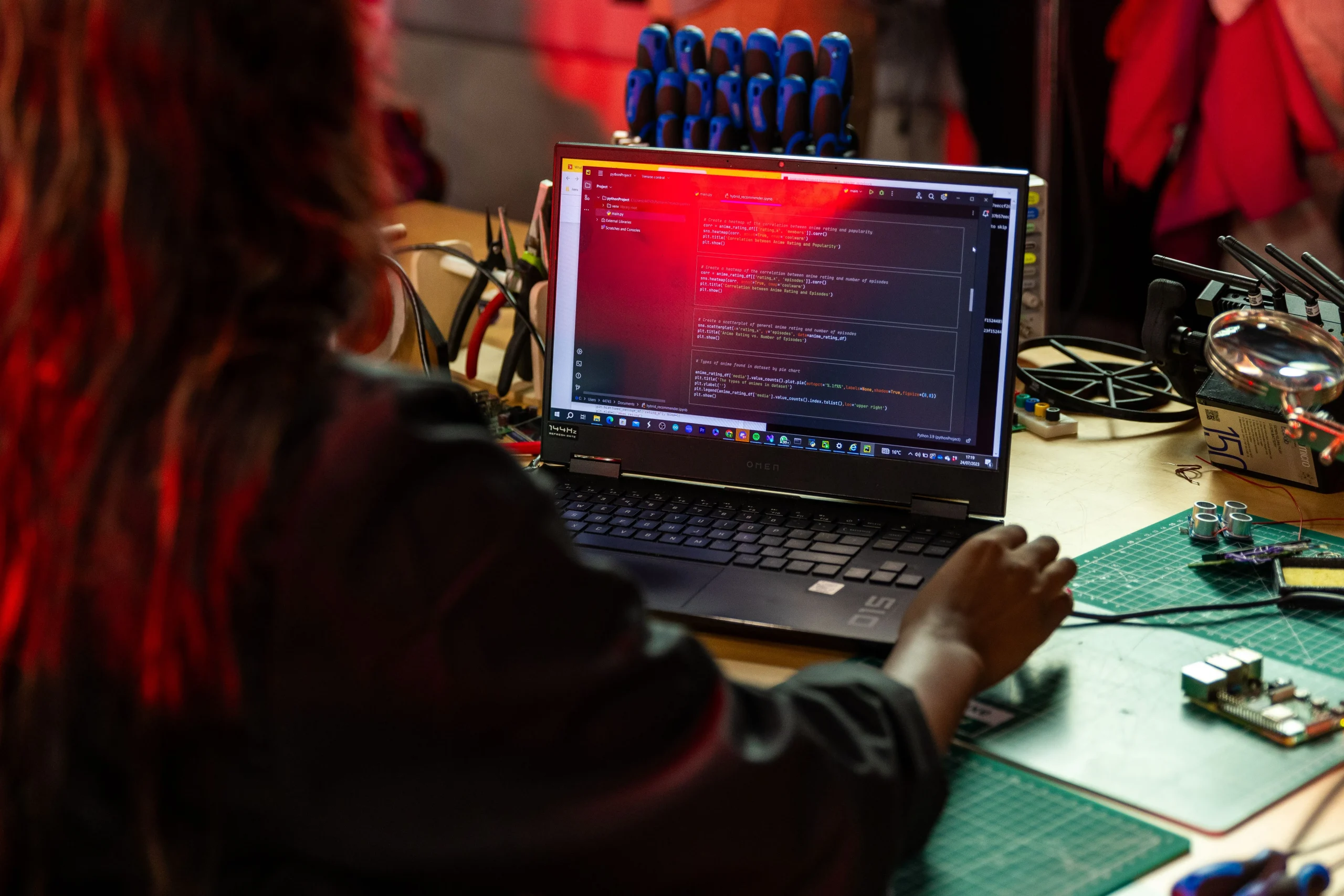
When evaluating interactive language immersion tools, parents must look for platforms that encourage real-world conversation rather than isolated screen absorption.
The finest software designs invite parental involvement, turning digital learning into an interactive, multi-generation family activity.
When should educational institutions implement dual-language software within the classroom?
Integrating digital immersion programs into preschool curricula yields the greatest results when used as a supplemental tool alongside human-led classroom activities.
Software platforms cannot replace real-world social interaction, but they excel at providing customized vocabulary pacing for diverse classrooms.
Read more: Mixed reality storytelling tools for preschool engagement
Allowing students to engage with language software for brief, guided intervals gives educators highly detailed data regarding individual phonetic progress.
This allows teachers to identify specific learning needs early, tailoring their future lesson plans to better support every student’s bilingual journey.
To explore international educational standards, access detailed childhood research briefs, and review trusted global pedagogical frameworks for early multilingualism, the United Nations Educational, Scientific and Cultural Organization (UNESCO.org) provides authoritative global data.
Balancing digital tools with human connection for linguistic success
Nurturing a bilingual child requires blending advanced technological tools with traditional face-to-face conversational practice.
Learn more: How Ambient Sound Analysis Helps Detect Language Development Delays
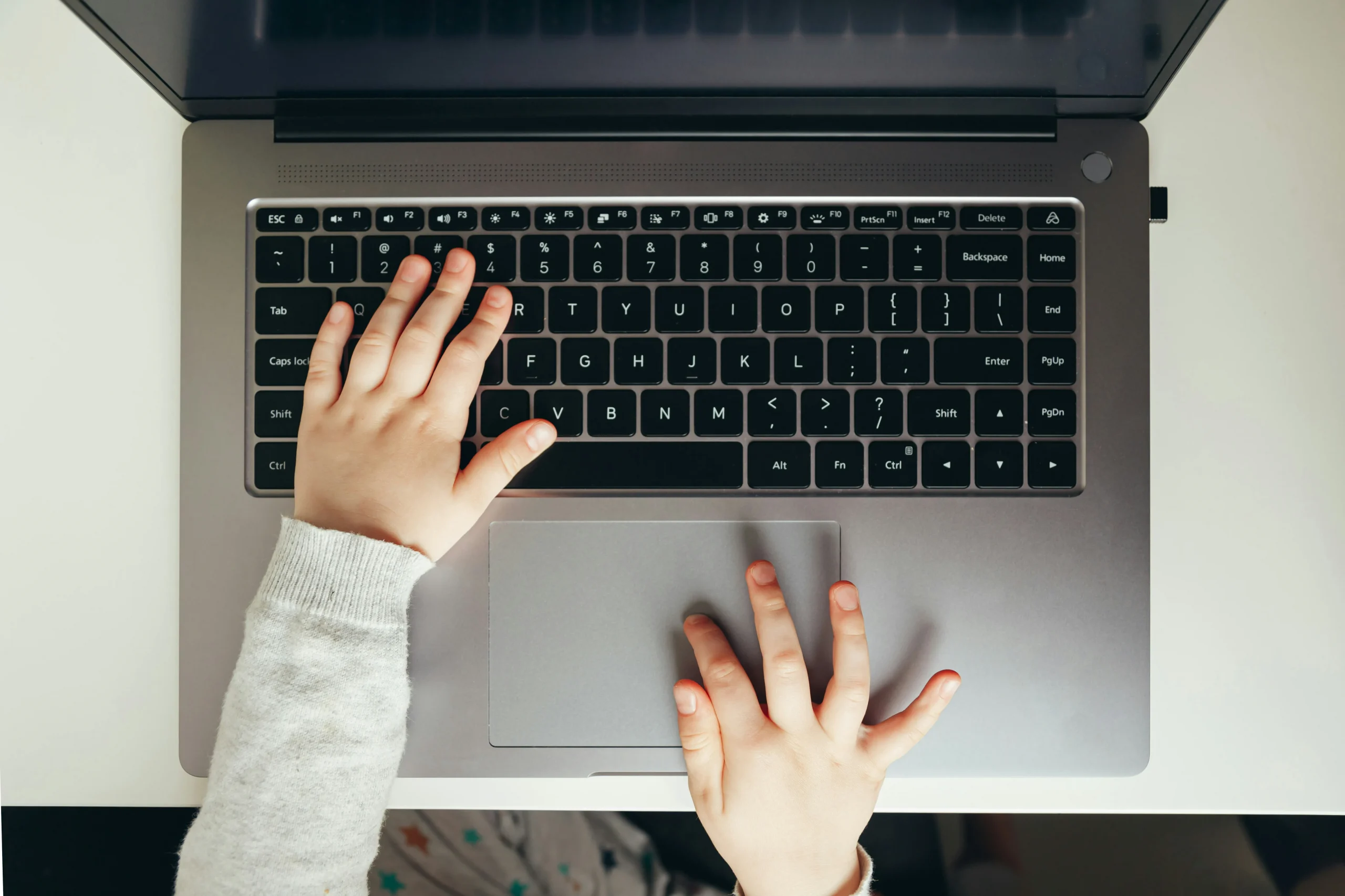
While sophisticated software options provide excellent structural support, the true foundation of speech development remains rooted in human relationships and community.
Review the structural platform strategies outlined in our technical matrix, verify the data privacy protocols of your chosen software, and set clear boundaries for daily usage.
By combining advanced digital tools with active human play, you prepare your child to thrive in an interconnected global community.
Frequently Asked Questions
Can language learning software cause speech delays in young preschool children?
No, research shows that high-quality, communicative software used within healthy limits does not cause speech delays, especially when combined with active real-world conversations.
What is the maximum daily screen time limit recommended for bilingual toddlers?
Pediatric guidelines generally advise limiting total daily educational screen exposure to one hour or less for children aged two to five years.
How do voice recognition tools handle unique, high-pitched child accents?
Modern preschool platforms utilize specialized acoustic models trained exclusively on real child speech data, allowing them to interpret imperfect pronunciations accurately.
Will my child lose their native accent if they practice with digital narrators?
No, children naturally distinguish between digital voices and real human interactions, maintaining their primary familial accent through everyday conversations at home.
