
Portable STEM exploration kits for kindergarten classrooms
Integrating Portable STEM exploration kits into early childhood learning environments satisfies the critical developmental need for tactile, open-ended scientific discovery during formative years.
Educational institutions are systematically shifting away from rigid, screen-dominated digital media toward flexible, physical learning modules that promote experiential problem-solving.
These self-contained, mobile educational systems allow kindergarten instructors to transition seamlessly from traditional storytelling configurations to interactive laboratory settings within minutes.
By offering young children direct access to robust, manipulative components, schools stimulate foundational spatial reasoning and hypothesis testing before formal literacy instructions begin.
What are the essential physical design features of a classroom-ready kit?
Early childhood classrooms present extreme physical challenges regarding material longevity, requiring manufacturers to prioritize high-grade, non-toxic, impact-resistant polymers during the manufacturing process.
Heavy-duty latching storage bins featuring transparent modular compartments allow children to execute independent cleanup routines while maintaining visual inventory control.
The manipulative elements must accommodate the undeveloped fine motor skills of four-to-six-year-old learners, utilizing oversized magnetic coupling joints and smooth wooden blocks.
Sharp corners, brittle plastics, and small components representing potential choking hazards must be entirely avoided to ensure autonomous, risk-free exploration.
Maximizing the educational utility of Portable STEM exploration kits demands the inclusion of durable, spill-resistant instruction cards utilizing clear, pictorial sequencing diagrams.
This visual scaffolding enables pre-literate students to initiate complex building projects or basic sorting experiments without demanding constant, direct adult intervention.
How do mobile science modules accelerate early mathematical and spatial development?
Structured tactile exploration during early childhood builds critical neural pathways that support advanced abstract mathematical comprehension in later academic cycles.
By manually balancing weighted blocks, measuring liquid volumes using translucent cylinders, and arranging geometric patterns, students internalize abstract volume and mass concepts.
These interactive play sessions function as informal scientific experiments, where children constantly form hypotheses, observe mechanical failures, and iterate structural designs.
When a child rebuilds a collapsed PVC pipe marble run, they are actively engaging with kinetic energy principles and gravitational physics.
To evaluate comprehensive academic frameworks for early childhood development, review peer-reviewed childhood literacy data, and access global public education performance indicators, the United Nations Educational, Scientific and Cultural Organization (unesco.org) serves as the primary international authority for global educational development.
| Kit Classification Type | Primary Targeted STEM Concept | Core Physical Components | Storage & Mobility Architecture | Educational Outcome Benchmark |
| Kinetic Structural Engineering | Gravitational balance, load distribution | Oversized foam blocks, magnetic struts | Latching rolling bin with handles | Spatial awareness, structural failure analysis |
| Hydrodynamic Fluid Systems | Fluid dynamics, volumetric tracking | Interlocking PVC tubes, funnels, pumps | Waterproof tray with drain plug | Volume conservation, velocity observation |
| Algorithmic Logic Sequencers | Early coding logic, pattern recognition | Tactile wood directional arrow tiles | Divided wooden tray with clear lid | Computational thinking without screens |
| Biological Microscopy Modules | Microscopic anatomy, surface texture | Rugged handheld digital loupes, slides | Die-cut foam insert briefcase | Identification of organic cell patterns |
Why should school districts prioritize mobile kits over static science centers?
Traditional fixed science tables often become underutilized, dust-gathering corners due to restricted classroom footprints and inflexible school day scheduling architectures.
Conversely, rolling instructional kits democratize resource access, allowing multiple educators to share expensive specialized equipment across an entire grade level efficiently.
This mobility factor extends learning opportunities beyond classroom walls, enabling teachers to transport entire ecology modules to outdoor play spaces effortlessly.
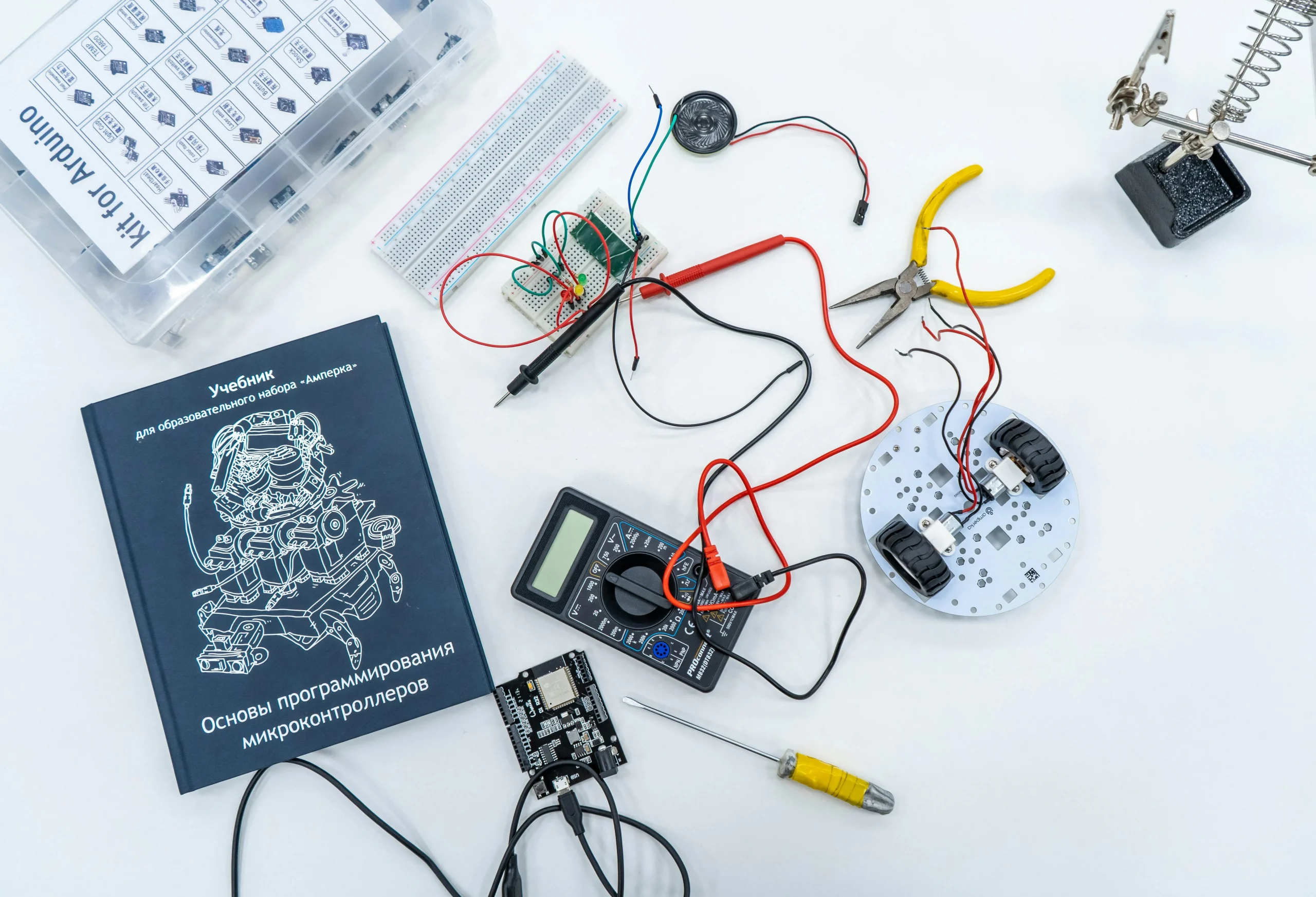
Conducting soil filtration experiments or wind resistance tests in real-world environmental contexts deepens student connection to natural sciences immeasurably.
Learn more: Smart classroom furniture improving early learning outcomes
Deploying high-quality Portable STEM exploration kits also assists schools in optimizing their long-term operational capital expenditures by minimizing redundant material procurement.
Instead of purchasing separate, low-tier science tools for every individual classroom, districts can invest in premium-grade, shared institutional kits that endure for years.
Which pedagogical frameworks optimize teacher deployment of mobile learning tools?
The successful deployment of early childhood scientific equipment relies heavily on structured guided play, balancing child-led discovery with teacher-facilitated inquiry.
Instructors must resist the urge to provide immediate solutions, using open-ended questioning strategies to guide students through structural or logical design failures.
Asking a child why a specific structure tilted or how water flows through an angled tube forces them to articulate mechanical observations clearly.
Read more: Collaborative touchscreen tables in preschool education
This verbalization process bridges the gap between physical sensation and cognitive linguistic conceptualization, reinforcing technical vocabulary naturally over time.
To examine early learning health guidelines, download verified pedagogical safety standards, and review institutional accreditation requirements for early childhood learning programs, the U.S. Department of Health and Human Services (hhs.gov) provides comprehensive oversight frameworks and institutional documentation for educators nationwide.
Structuring the future of early childhood scientific literacy
Cultivating a resilient, scientifically literate generation requires introducing rigorous analytical concepts through joyful, accessible, and highly tactile classroom experiences.
Learn more: Interactive language immersion tools for bilingual preschoolers
Investing in robust mobile infrastructure transforms abstract curriculum guidelines into vivid physical realities that children can manipulate, alter, and explore daily.
Examine the material specifications and target learning outcomes organized in our classroom integration matrix, audit your current educational spatial constraints, and select durable kits.
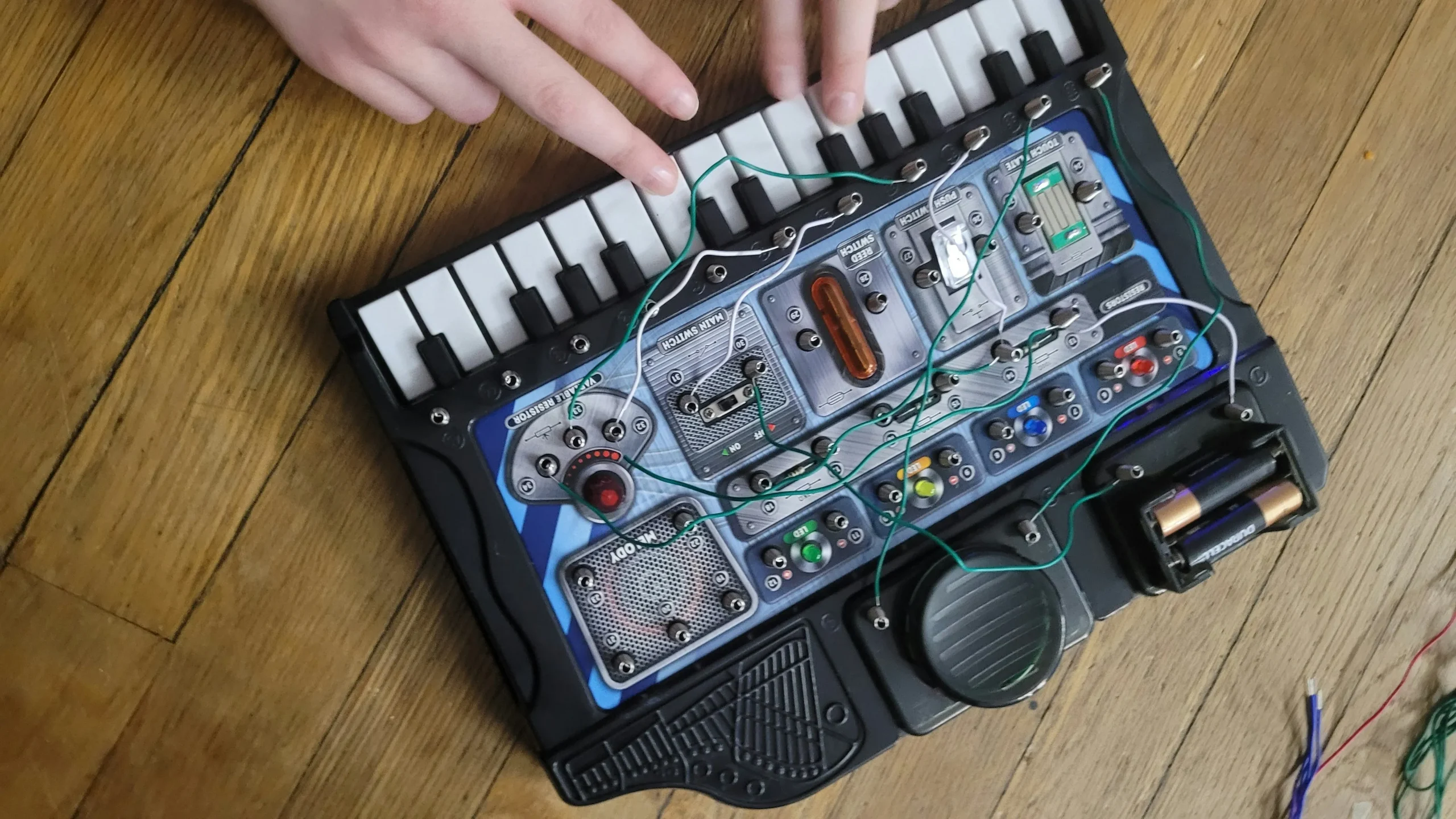
By integrating versatile Portable STEM exploration kits, you empower educators, optimize institutional budgets, and ignite lifelong curiosity in your youngest students.
Frequently Asked Questions about Kindergarten STEM Kits
Are screen-free coding kits effective for teaching computational logic to kindergarteners?
Yes, screen-free kits utilize physical directional cards or blocks to build sequential logic, teaching core algorithmic debugging skills without causing digital eye strain.
How can teachers maintain sanitary standards for kits shared between multiple classrooms?
Shared plastic components must be manufactured from non-porous materials that withstand rapid UV-C sanitizing cabinet cycles or standard medical-grade disinfectant wipe routines daily.
What is the average lifespan of a high-tier mobile exploration kit in a public school?
When constructed from heavy-duty polymers and stored in protective die-cut foam cases, institutional-grade kits routinely maintain structural integrity for over five years of continuous use.
Do these kits accommodate children with diverse sensory or physical learning needs?
Oversized tactile components, highly contrasting visual instructions, and textured materials provide exceptional multi-sensory feedback, making them highly effective for inclusive, differentiated classroom environments.
