
How Virtual Reality Is Being Used in Healthcare in 2026
Discovering how virtual reality is being used in healthcare in 2026 reveals how immersive digital environments are revolutionizing surgical preparation, physical rehabilitation, exposure therapy, and medical education worldwide.
Modern clinical facilities utilize spatial computing headsets, haptic feedback gloves, and real-time biometric tracking to improve patient outcomes while lowering overall treatment expenses across diverse medical disciplines.
Integrating three-dimensional visualization into everyday hospital workflows enhances physician precision, accelerates recovery times, and creates accessible therapeutic solutions for complex physical and psychological health conditions.
What Medical Specialties Are Transforming Patient Care Through Immersive Technologies?
Surgeons deploy high-resolution spatial headsets to reconstruct patient-specific magnetic resonance imaging scans, creating interactive three-dimensional anatomical models before entering the operating room for complex procedures.
Physical therapy clinics integrate gamified digital environments, encouraging stroke survivors to perform repetitive motor exercises through engaging tasks that stimulate neuroplasticity and regain mobility.
Psychiatrists utilize controlled virtual exposures to treat post-traumatic stress disorder, phobias, and severe anxiety, systematically desensitizing individuals within safe, customizable clinical environments under professional supervision.
To review clinical evaluation protocols and regulatory standards regarding digital health technologies, explore the official portal of the U.S. Food and Drug Administration.
Adopting these immersive tools elevates clinical standards, bridging the gap between theoretical medical training and hands-on patient care in modern health centers.
How Does Immersive Simulation Enhance Surgical Precision and Safety?
Preoperative planning tools allow surgical teams to practice intricate dissections on exact patient replicas, identifying structural anomalies and minimizing unexpected intraoperative complications significantly.
Real-time guidance overlays project critical vascular structures directly onto the surgeon’s field of view, reducing invasive incision sizes and shortening operating times during delicate procedures.
Medical universities replace traditional cadaver labs with collaborative virtual dissection rooms, allowing students worldwide to manipulate organs and observe physiological processes dynamically.
Understanding how virtual reality is being used in healthcare in 2026 demonstrates that digital practice environments reduce human error rates while boosting practitioner confidence across surgical specialties.
Below is an overview detailing key clinical applications, primary hardware integration strategies, and verified therapeutic outcomes across major medical fields utilizing immersive environments.
| Medical Specialty | Primary Immersive Application | Hardware & Interface Integration | Clinical Outcome & Patient Benefit |
|---|---|---|---|
| Neurosurgery | Preoperative mapping & simulation | High-resolution headsets & haptics | Reduced operative duration & lower risk |
| Physical Rehabilitation | Neuroplasticity & gait training | Motion trackers & balance platforms | Faster motor recovery after stroke |
| Psychiatry & Psychology | Exposure therapy & anxiety reduction | Spatial audio & biometric sensors | Measurable reduction in phobia symptoms |
| Pediatric Care | Distraction during painful procedures | Standalone headsets & interactive games | Decreased pain perception & stress levels |
Evaluating these clinical metrics highlights how immersive simulation converts advanced software engineering into tangible health improvements for patients requiring specialized medical care.
Why Is Immersive Distraction Therapy Effective for Pain Management?
Virtual environments engage the patient’s visual and auditory senses completely, drawing neurological attention away from pain signals processed by the central nervous system during medical treatments.
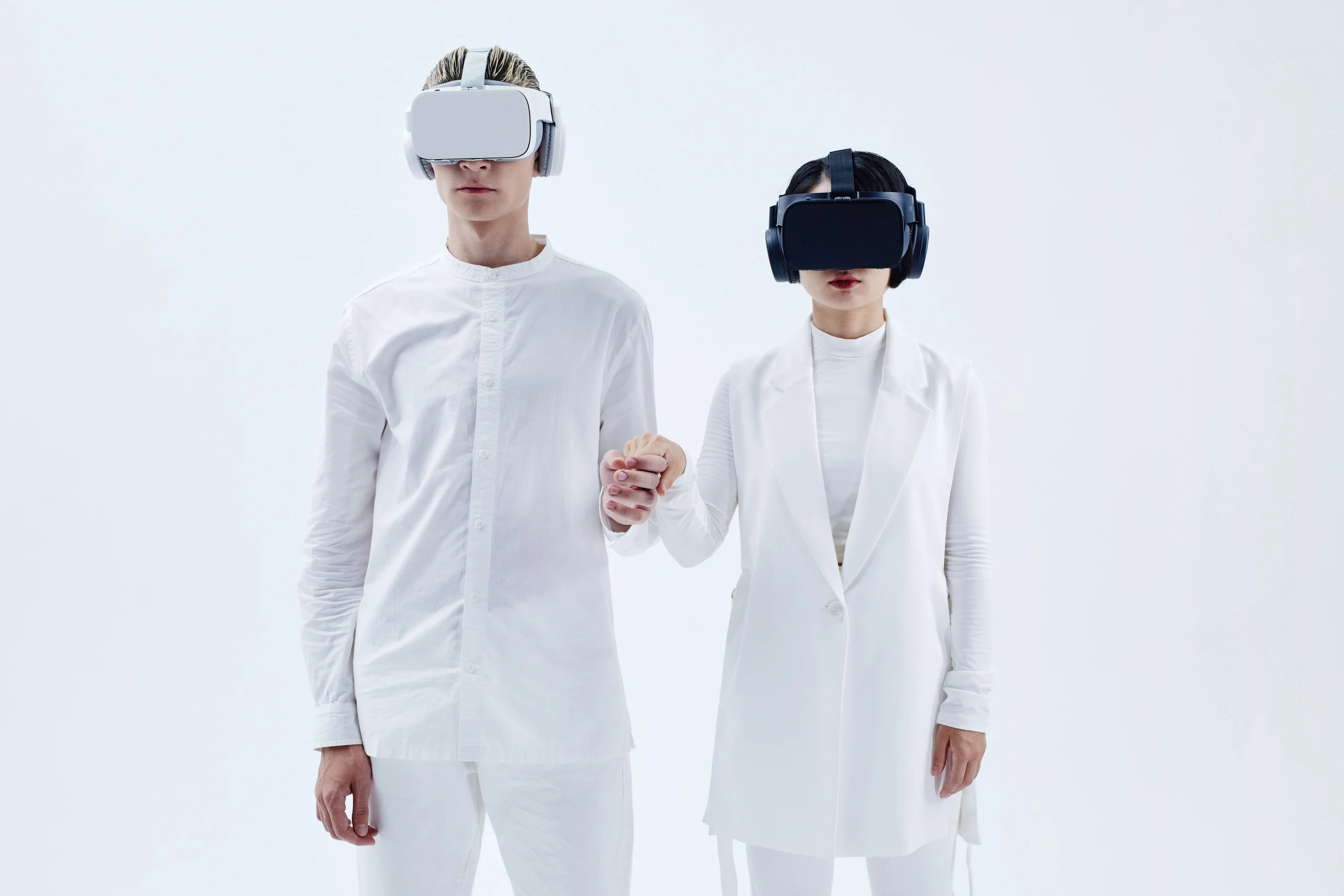
Hospitals utilize immersive nature scenarios during wound dressing changes for burn victims, drastically reducing the necessity for high-dose opioid analgesics during painful dressing replacements.
Read more: Virtual reality industrial training systems for safety
Pediatric oncology wards deploy interactive educational games during chemotherapy infusions, helping young patients manage needle anxiety and chronic nausea through calming digital distractions.
Deploying non-pharmacological pain management solutions minimizes medication side effects, supporting sustainable recovery pathways while keeping patients comfortable during necessary clinical procedures.
Investigating how virtual reality is being used in healthcare in 2026 confirms that sensory immersion serves as a powerful, scientifically validated alternative to heavy pharmaceutical sedation.
Which Infrastructure Challenges Limit Universal Adoption in Regional Hospitals?
Acquiring high-end spatial computing devices, haptic peripheral equipment, and specialized software licenses requires substantial initial capital investments from health system budgets.
Sanitizing head-mounted displays between consecutive patient visits demands strict infection control protocols to prevent cross-contamination within sterile hospital environments and outpatient clinics.
Integrating immersive software platforms with legacy electronic health record systems presents technical obstacles, requiring specialized IT support to maintain data security and compliance.
Learn more: Virtual reality virtual prototyping tools for engineering teams
Addressing these logistical hurdles through hardware standardization and cloud-based software subscriptions ensures broader access for rural clinics and community health networks worldwide.
For ongoing scientific studies and research publications on biomedical technology advancements, consult the research archives of the National Institutes of Health.
The Future of Immersive Digital Health Integration
Sustained innovation in spatial display resolution, lightweight ergonomic designs, and real-time artificial intelligence rendering continues expanding the boundaries of immersive digital medicine.
Emerging applications combine brain-computer interfaces with virtual environments, enabling paralyzed patients to control rehabilitation avatars directly through neural signals during physical therapy sessions.
Learn more: Virtual reality maintenance training systems in factories
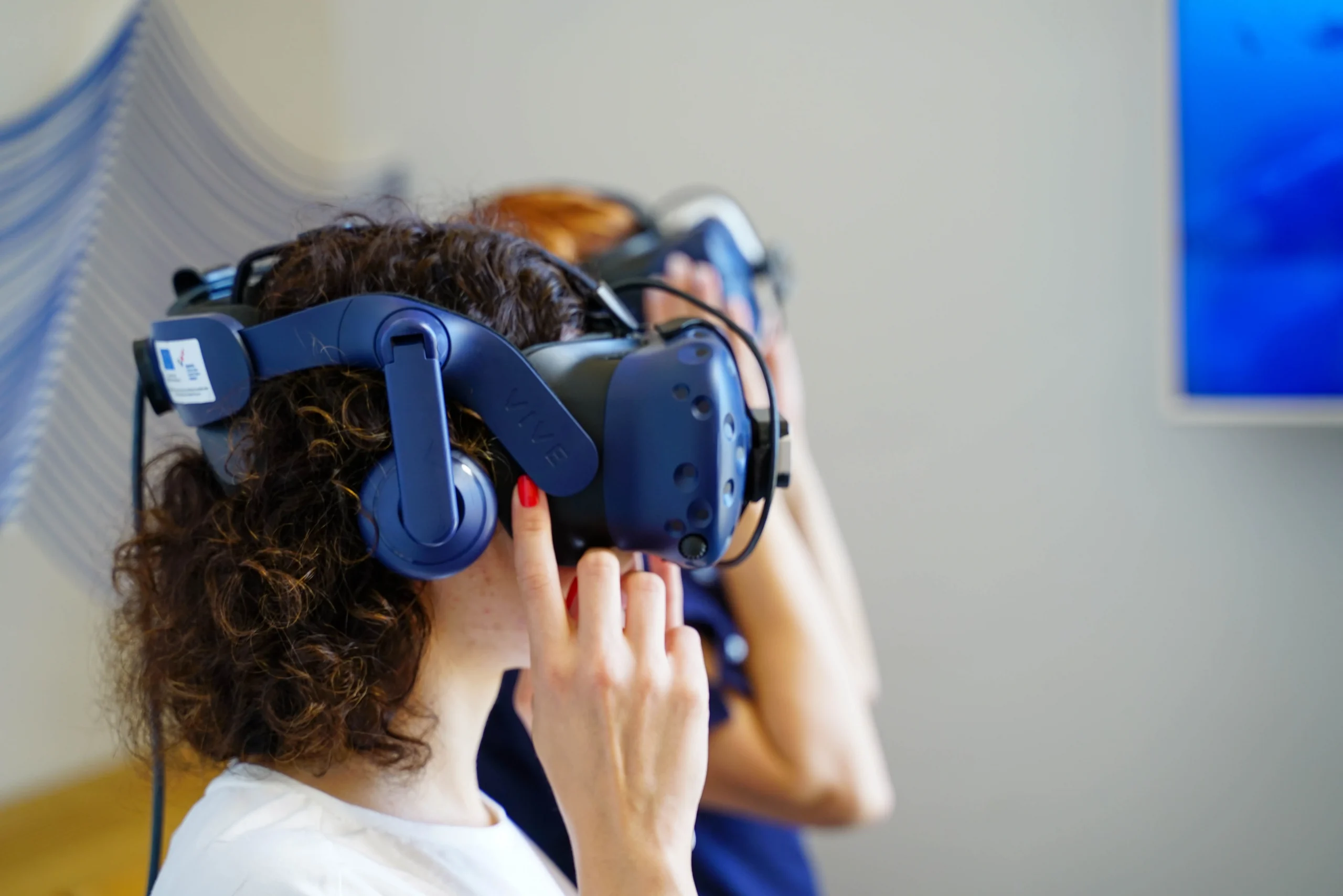
Embracing these cutting-edge digital platforms empowers healthcare providers to deliver precise, compassionate, and highly effective care to patients around the globe.
Frequently Asked Questions (FAQ)
Is virtual reality therapy approved by health insurance providers?
Many insurance carriers now cover specific virtual reality treatments, particularly when prescribed for physical rehabilitation, pain management, or specialized psychological therapy sessions.
Can immersive headsets cause motion sickness or nausea during medical treatments?
Modern high-refresh-rate displays and low-latency tracking systems have virtually eliminated cyber-sickness, allowing patients to undergo extended therapeutic sessions comfortably without discomfort.
How do hospitals sanitize headsets between different patients?
Clinical teams utilize medical-grade ultraviolet light sanitation boxes and specialized disinfectant wipes to eliminate bacteria and viruses from hardware surfaces within minutes.
Does virtual reality replace traditional medical training on real patients?
No, immersive simulation acts as a supplementary training tool, allowing medical students and residents to build foundational skills before performing procedures on real patients.
