
Matter compatible devices for multi-brand home setups
Selecting the correct devices for multi-brand home setups establishes the foundation for a unified smart home experience, preventing users from becoming trapped within proprietary technology ecosystems in 2026.
The open-source interoperability standard, Matter, eliminates traditional communication barriers between Apple Home, Google Home, Amazon Alexa, and Samsung SmartThings.
Homeowners no longer need to check multiple compatibility badges on retail packaging or manage disjointed mobile applications to control separate rooms.
This technical integration relies on local internet protocol communication, which significantly reduces command response times while enhancing household data privacy.
Navigating this hardware environment requires a practical understanding of network architecture, bridging older equipment, analyzing device performance metrics, and deploying robust border routers.
What is the Matter standard and how does it transform residential automation?
This royalty-free connectivity software represents a consensus among major technology manufacturers to standardize how smart products talk to one another locally over existing networks.
The system works directly across Wi-Fi, Ethernet, and Thread wireless frequencies, bypassing external cloud servers to execute automated routines.
Prioritizing certified devices for multi-brand home setups ensures that your smart light switches, motorized blinds, and climate controllers execute commands within milliseconds of input.
Homeowners can build versatile automation scripts where a motion sensor from one brand triggers a smart plug manufactured by a competitor.
This structural shift reduces your dependence on active external internet connections, meaning localized household programming continues to function normally even during service provider outages.
The resulting stability creates a reliable foundation for complex security, lighting, and environmental management systems.
Why are Thread border routers essential for modern wireless mesh stability?
Thread functions as a low-power, low-latency wireless mesh protocol designed specifically for small battery-operated peripherals like door sensors, locks, and ambient thermometers.
Unlike standard Wi-Fi, which centralizes traffic through a single router, every main-powered Thread device acts as a repeating node.
To review verified wireless engineering standards, product certification lists, compliance documentation, and updated open-source code repositories for smart home ecosystems, consult the Connectivity Standards Alliance (CSA).
This international body directly oversees the development of the protocol.
If a single light bulb in a mesh network experiences an electrical failure, the surrounding nodes automatically reroute data packets along alternate paths.
This self-healing architecture prevents localized hardware glitches from disabling entire strings of automation sensors throughout the house.
Which hardware categories deliver the best reliability in unified domestic ecosystems?
Evaluating smart hardware requires comparing operational latency, idle electricity consumption, and architectural flexibility across different product classifications.
To analyze the efficiency of various certified devices for multi-brand home setups currently available on the market, examine the following data:
Operational Comparison of Smart Automation Hardware
| Smart Hardware Category | Native Protocol Layer | Average Idle Power Draw | Local Latency Measurement | Primary Practical Benefit |
| Smart Lighting and Switches | Thread Mesh / Wi-Fi | 0.3W to 0.5W per unit | Less than 15 milliseconds | Instantaneous responsive zoning |
| Climate and Thermostats | Wi-Fi / Thread | 1.2W during active screen | 20 to 30 milliseconds | Advanced energy grid tracking |
| Security and Door Locks | Thread (Low Energy) | Minimal battery depletion | Less than 25 milliseconds | Secure local cryptographic keys |
| Legacy Bridges / Hubs | Ethernet to Zigbee/Z-Wave | 2.5W to 4.0W constant | 40 to 60 milliseconds | Preservation of older hardware |
The numerical tracking indicates that choosing native Thread-based modules yields superior response times and lower electrical overhead compared to legacy wireless options.
Restructuring your home infrastructure around these components lowers ambient utility drain while improving real-time automation execution.
How does the Multi-Admin feature resolve household platform conflicts?
The Multi-Admin mechanism represents a major breakthrough in user flexibility, allowing different ecosystem controllers to connect to the same physical hardware simultaneously.

For instance, one family member can adjust a thermostat using an Apple Watch, while another monitors it through an Android tablet.
This capability eliminates the frustrating requirement to choose a single corporate platform for the entire household, accommodating individual user interface preferences seamlessly.
Learn more: Smart home automation local AI hubs replacing cloud control
System developers can push security patches directly to the hardware without breaking connections to secondary management software.
Configuring these universal devices for multi-brand home setups merely requires scanning a unique QR setup code embedded on the chassis of the product.
The encrypted security keys clear automatically across all authorized networks, maintaining high privacy boundaries within your living space.
When should homeowners utilize legacy bridges instead of replacing older equipment?
Utilizing specialized hardware bridges becomes highly practical when your home already contains a significant deployment of functional Zigbee or Z-Wave smart accessories.
These translation hubs connect physically to your main router, converting older radio signals into clean data formats that modern platforms understand.
Read more: Smart home automation biometric security systems for acces
This approach saves hundreds of dollars in replacement expenses while allowing older wall dimmers and shades to participate in updated automation schemes.
It provides an extended operational lifecycle for durable hardware assets, preventing premature technological obsolescence in your household budget.
Establishing an Enduring Framework for Domestic Automation
Adopting universal connectivity standards allows consumers to reclaim control over their home environments, ensuring long-term hardware utility independent of changing market trends.
Learn more: Home automation multi device orchestration systems
Investing in scalable, open architecture protects your capital layout and ensures smooth integration with emerging clean energy grid technologies.
Methodical planning of your local network structure reduces technical troubleshooting, strengthens security perimeters, and provides an adaptable foundation for future hardware expansions.
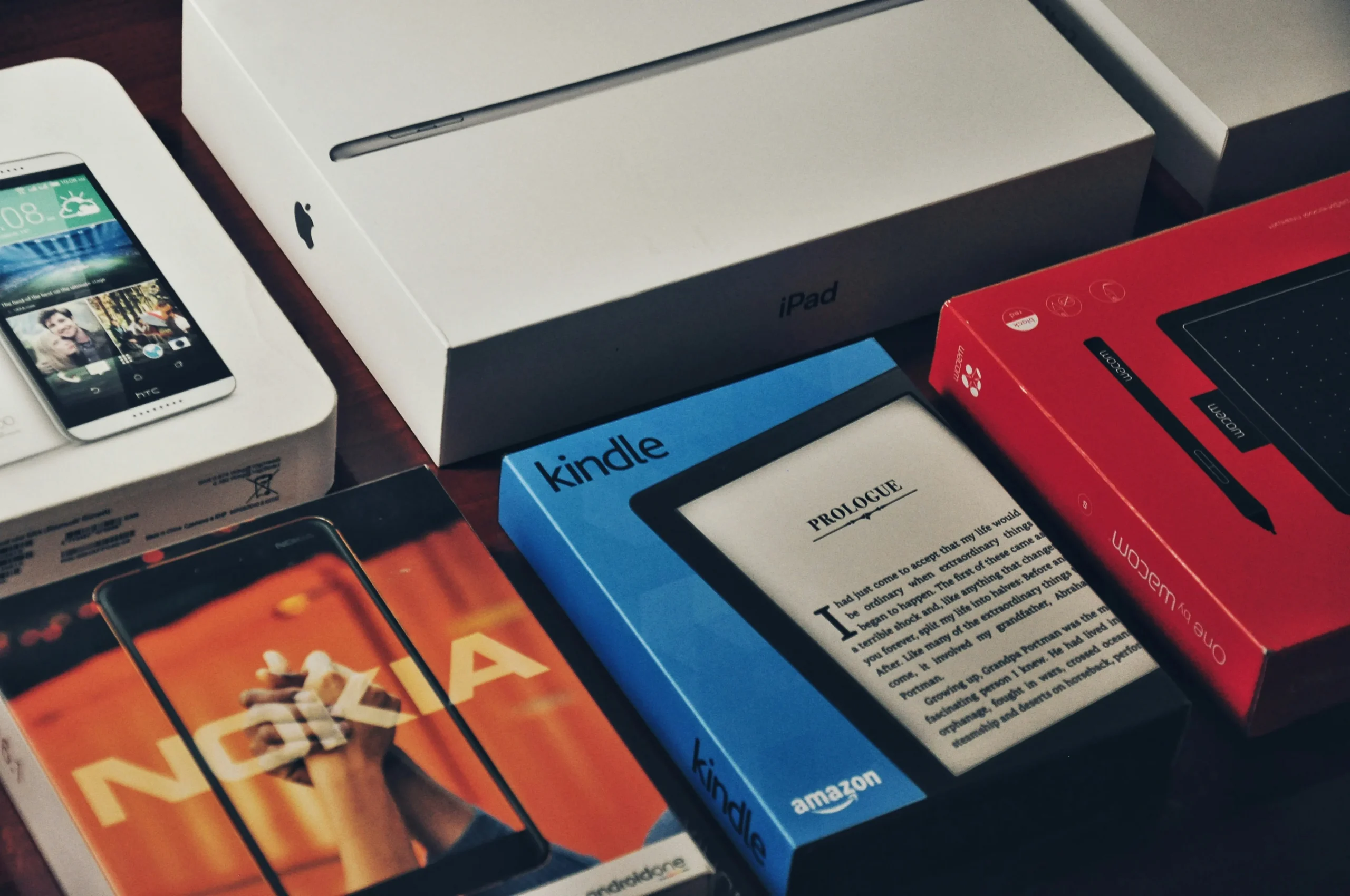
The evolution of smart residential design favors open interoperability, local processing speeds, and sustainable electronic deployment.
For deeper insights into international networking protocols, digital consumer protection frameworks, and global computing infrastructure guidelines, visit the Institute of Electrical and Electronics Engineers (IEEE).
Frequently Asked Questions (FAQ)
Do I need to pay monthly subscription fees to use Matter smart home devices?
No, the communication protocol operates entirely on your local home network without requiring cloud subscription packages for core functionality.
Some individual hardware manufacturers might offer premium cloud storage tiers for historical security video retention, but basic control remains free.
Will my existing Wi-Fi router handle a large volume of smart home accessories?
Standard consumer Wi-Fi routers can experience performance degradation if forced to connect dozens of individual smart accessories directly to the main network.
Utilizing Thread-based accessories instead mitigates this issue because those components communicate through a dedicated mesh network, leaving your Wi-Fi channels free.
How do I identify if a new smart home device supports universal multi-brand setups?
Consumers should look for the distinct geometric logo of the standard printed clearly on the external retail packaging or product specification sheets.
This emblem guarantees that the hardware has undergone rigorous testing to confirm seamless interoperability with all major smart home software platforms.
Can old smart devices receive software updates to make them compatible with the new standard?
Certain manufacturers have released firmware updates for their existing smart hubs and bridges, allowing older connected equipment to join modern networks.
However, most standalone legacy Wi-Fi accessories cannot be updated wirelessly and will require a secondary translation bridge to achieve compatibility.
