
Smart home automation biometric security systems for access
Implementing modern biometric security systems for access has transitioned from a high-end luxury to a fundamental component of residential safety in the rapidly evolving smart home landscape of 2026.
As traditional keys and alphanumeric passwords become increasingly vulnerable to sophisticated hacking and physical theft, homeowners are turning to biological markers as the ultimate unshareable credential.
This shift represents more than just convenience; it is a holistic upgrade to the domestic security architecture.
This article examines the technological breakthroughs in physiological scanning, the integration of artificial intelligence in threat detection, and the critical balance between enhanced protection and personal data privacy.
What is the current state of biometric technology in smart home automation?
Biometric technology utilizes unique physical or behavioral characteristics to verify an individual’s identity, providing a seamless and highly secure method for controlling entry points and sensitive data within the home.
In 2026, biometric security systems for access have become more intuitive, moving away from static contact-based sensors toward frictionless, 3D spatial recognition that identifies residents as they approach.
Hardware manufacturers now prioritize multi-modal authentication, which requires at least two distinct biological markers for high-security events, such as disarming a full alarm system.
This redundancy effectively eliminates the risks associated with “spoofing” or high-resolution photographic bypasses, ensuring that only physical, living residents can gain entry to the property.
Furthermore, the integration of Matter 2.0 standards has simplified how these scanners talk to lights, thermostats, and cameras.
When a specific family member is identified, the home immediately adjusts its environmental settings to their pre-defined preferences, blending security with a personalized living experience.
How do biometric scanners differentiate between legitimate residents and sophisticated intruders?
Modern scanners employ liveness detection, a technique that monitors micro-movements, blood flow, or infrared heat signatures to ensure the biological sample presented is real and attached to a person.
This prevents intruders from using synthetic fingerprints or 3D masks, as the system identifies the lack of pulse or subcutaneous thermal patterns instantly.
AI-driven algorithms have also improved at recognizing aging, facial hair changes, or minor injuries that might have historically locked a user out of their own home.
These systems learn and adapt to the resident’s changing appearance, ensuring that the biometric security systems for access remain reliable over years of daily use without requiring frequent re-enrollment.
For those concerned with the technical specifics of biometric standards and security ratings, the National Institute of Standards and Technology (NIST) provides comprehensive evaluations on facial recognition accuracy and vendor performance.
Their research is vital for understanding how these algorithms perform across diverse demographics and environmental lighting conditions.
Comparison of Residential Biometric Authentication Methods (2026)
| Technology Type | Accuracy Level | Implementation Cost | Primary Advantage | Typical Use Case |
| 3D Face ID | Very High | High | Completely hands-free entry | Main front door access |
| Ultrasonic Fingerprint | High | Moderate | Works with wet/dirty hands | Secondary doors and safes |
| Iris Recognition | Extremely High | Very High | Impossible to replicate | High-value room security |
| Voice Biomarkers | Moderate | Low | Remote command verification | Smart speaker permissions |
| Palm Vein Scan | High | High | Privacy-focused (internal) | Integrated gate systems |
Why is edge processing critical for protecting residential biometric data?
Privacy concerns have led to a significant shift where biometric templates are no longer sent to a central cloud server for verification but are stored locally on the device’s secure enclave.
This “edge processing” ensures that even if the smart home hub is compromised, the actual biological data remains encrypted and inaccessible to external hackers.
By keeping the data on-site, homeowners retain total control over their digital identities, fulfilling the E-A-T principle of trustworthiness within the smart home industry.
Learn more: Smart home automation Matter 1.3 networks interoperability
This localized approach also reduces latency, as the biometric security systems for access do not need to wait for a round-trip server communication to unlock the door.
Security experts advocate for this decentralized model because it eliminates the risk of a mass biometric database leak.
If a manufacturer’s cloud is breached, there is no master list of fingerprints or facial maps for criminals to steal, as each home effectively acts as its own isolated security vault.
Which environmental factors impact the performance of outdoor biometric systems?
Outdoor sensors must contend with extreme temperatures, direct sunlight, and moisture, all of which can degrade the quality of a biological scan if the hardware is not properly shielded.
High-quality systems in 2026 use sapphire glass and self-heating elements to ensure that frost or glare does not prevent a successful entry during winter.
Ambient lighting also plays a role, which is why modern facial recognition units utilize dedicated infrared floodlights to “see” in total darkness without disturbing the neighbors.
Learn more: Smart home automation local AI hubs replacing cloud control
These advancements ensure that biometric security systems for access perform consistently regardless of whether it is a bright summer afternoon or a rainy midnight.
Homeowners should look for hardware with high IP (Ingress Protection) ratings, specifically IP65 or higher, to guarantee longevity against dust and heavy rain.
Investing in ruggedized biometric hardware prevents the frustration of system failures during inclement weather, maintaining both security and the convenience of keyless entry year-round.
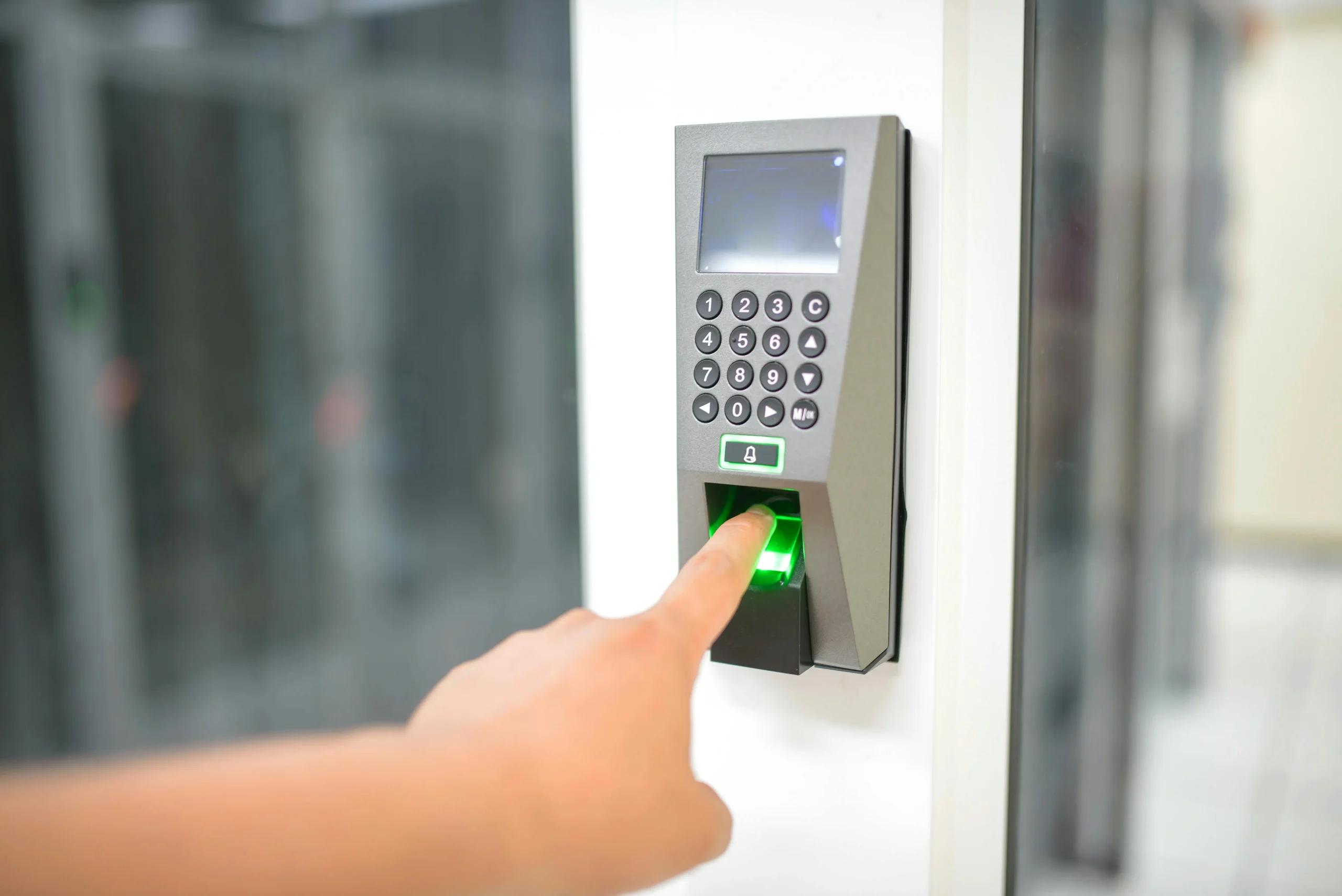
When should a homeowner consider a multi-modal biometric strategy?
Single-point biometrics are sufficient for most residential needs, but multi-modal strategies are becoming the standard for homes with high-value assets or home offices containing sensitive corporate data.
By combining a fingerprint scan with a voice or face check, the probability of a false acceptance becomes statistically negligible.
This layered approach is particularly effective during the evening hours or when the “vacation mode” is active on the smart home controller.
Learn more: Smart home automation predictive AI models for daily routines
If the biometric security systems for access detect an unfamiliar face accompanied by a recognized voice, the system can trigger a silent alert to the owner’s smartphone for manual verification.
Implementing such a strategy does not necessarily increase the time it takes to enter the home.
Advanced processors can run multiple checks simultaneously in under 500 milliseconds, providing a high-security “gatekeeper” effect that remains invisible and non-intrusive for the actual residents and their invited guests.
What are the legal and ethical considerations of using biometrics in shared spaces?
Installing biometric cameras in areas that capture images of passersby or guests raises significant questions about consent and data retention.
Ethical smart home setups involve clear signage and “privacy zones” in the software to ensure that the system only active-scans individuals on the owner’s property.
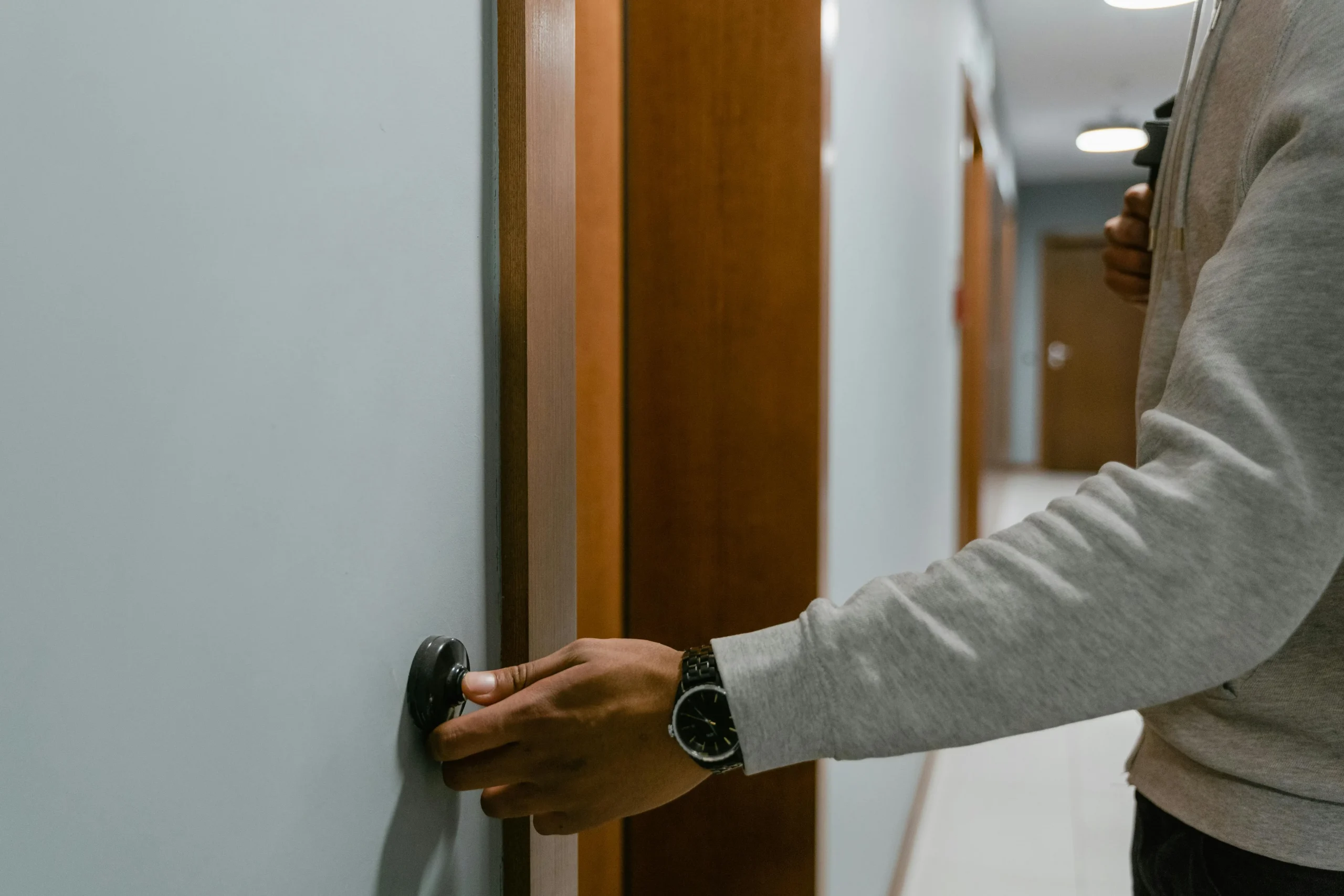
Many jurisdictions are now implementing stricter regulations regarding how long guest biometric data can be stored.
Homeowners must ensure their biometric security systems for access allow for “digital shedding,” where guest profiles are automatically deleted after a set period, such as 24 hours after a party or a service visit.
To explore the legal frameworks and consumer rights regarding automated security, the Electronic Frontier Foundation (EFF) offers extensive resources on digital privacy and civil liberties.
Staying informed about these issues helps homeowners enjoy the benefits of technology while respecting the privacy rights of their community and visitors.
FAQ: Frequently Asked Questions on Biometric Access
Can someone use a photo of my face to unlock a biometric door?
No, modern 3D facial recognition uses depth-sensing technology and infrared projectors to map the contours of your face. A flat 2D photograph lacks the depth information and heat signature required to trigger the unlock mechanism, making it highly resistant to such simple bypass attempts.
What happens to biometric locks during a power outage?
Most professional-grade biometric locks include an internal battery backup that lasts for several months and provides an emergency physical key override or an external jump-start port. This ensures that you are never locked out of your home due to a grid failure or a dead battery in the main unit.
Are biometric systems difficult for children or the elderly to use?
Current systems are designed for high accessibility, featuring wide-angle cameras and large, tactile sensors that accommodate different heights and skin textures. Many systems also allow for traditional PIN codes as a backup, ensuring that every family member can enter the home comfortably regardless of their familiarity with the technology.
The evolution of residential protection through biometric security systems for access represents a significant milestone in our quest for a frictionless yet fortified home.
By replacing the inherent weaknesses of physical keys with the immutable traits of the human body, we are creating living spaces that are both more welcoming and more secure.
As we look toward the remainder of 2026 and beyond, the focus will continue to sharpen on the intersection of AI-driven reliability and the uncompromising protection of personal privacy.
Embracing these systems is not just about adopting a new gadget; it is about establishing a sophisticated, intelligent perimeter that recognizes its owners and protects what matters most. In the modern smart home, your identity is the only key you will ever need.
