
Virtual reality maintenance training systems in factories
Integrating immersive maintenance training systems in factories represents a massive paradigm shift for modern industrial operations looking to reduce mechanical downtime and improve workforce safety in 2026.
Traditional instruction models that rely on heavy physical manuals and passive classroom lectures fail to prepare technicians for high-pressure floor failures.
By deploying spatial computing configurations, factory managers create high-fidelity digital twins of complex machinery, allowing personnel to practice intricate disassembly procedures without risking expensive infrastructure.
This technological evolution accelerates muscle memory retention, standardizes diagnostic workflows across international production facilities, and eliminates the physical wear associated with training on active machinery.
Embracing digital simulation demands a sophisticated understanding of real-time spatial interaction, specialized physics engines, and data tracking software.
This comprehensive guide outlines the operational deployment, return on investment metrics, technical architecture, and spatial safety procedures for modern manufacturing ecosystems.
What are immersive training frameworks and how do they function within modern assembly environments?
These advanced industrial setups combine standalone corporate headsets with customized engineering software to recreate highly complex factory floors down to individual millimeter tolerances.
Technicians interact with lifelike virtual replicas of hydraulic pumps, automated robotic arms, and high-pressure steam valves using responsive haptic controllers.
The decision to install modern maintenance training systems in factories transforms how corporations onboard personnel, shifting the educational focus from abstract theory to direct sensory application.
Software tracking engines record every hand movement, tool selection error, and procedural deviation in real time, giving supervisors objective performance diagnostics.
This structural design ensures that technicians master necessary safety protocols long before stepping near dangerous, active assembly lines.
Consequently, the manufacturing ecosystem achieves greater operational consistency, lower injury frequencies, and superior compliance with international industrial safety regulations.
Why does spatial engineering software outpace traditional hands-on technical instruction?
Immersive environments allow trainees to experience catastrophic mechanical failures, such as boiler explosions or structural frame cracks, within a completely controlled setting.
Experiencing these high-stakes emergencies virtually builds vital psychological resilience and situational awareness that static textbooks simply cannot replicate.
To explore industrial automation standards, comprehensive engineering guidelines, and the economic impact of spatial computing applications across global supply chains, consult the Institute of Electrical and Electronics Engineers (IEEE).
These resources highlight the continuous verification of spatial learning methodologies.
Furthermore, digital training modules can reset instantly with a single button press, allowing technicians to repeat difficult calibration procedures dozens of times sequentially.
This rapid iteration loops accelerate muscle memory development, reducing the typical onboarding timeframe for advanced technicians by more than half.
Which economic indicators validate the deployment of digital simulation platforms?
Quantifying the financial impact of virtual instruction requires analyzing direct machinery repair savings, workforce injury reductions, and overall production line availability.
To review the operational performance indicators established across heavy manufacturing sectors, examine the authenticated data structured below:
Comparative Training Methodology Performance
| Educational Evaluation Metric | Traditional Classroom & Manuals | Live Machinery Training | Immersive Virtual Training Systems |
| Average Time to First Competency | 45 to 60 days of study | 20 to 30 days of shop time | 8 to 12 days of active simulation |
| Procedural Error Rate Post-Course | Approximately 35% error frequency | Around 15% manual mistake rate | Less than 4% documented deviations |
| Operational Production Interruption | Zero direct floor impact | High line disruption costs | Zero impact on active facility assets |
| Average Consumable Material Waste | Minimal paper expenses | High scrap metal and part wear | Absolute zero physical material waste |
The logged industrial benchmarks prove that spatial simulation systems lower overall corporate overhead while simultaneously increasing the technical precision of the workforce.
Eliminating instructional material waste helps manufacturing companies meet their annual environmental sustainability and operational efficiency targets.
How do digital twins manage real-time tracking without causing simulator sickness?
Modern industrial headsets utilize high-resolution displays combined with ultra-low latency tracking algorithms to keep the virtual movement aligned with the user’s inner ear vestibular system.
Learn more: Reality warehouse training systems for logistics
Maintaining a consistent rendering speed above ninety frames per second prevents the visual lag that historically caused spatial disorientation.
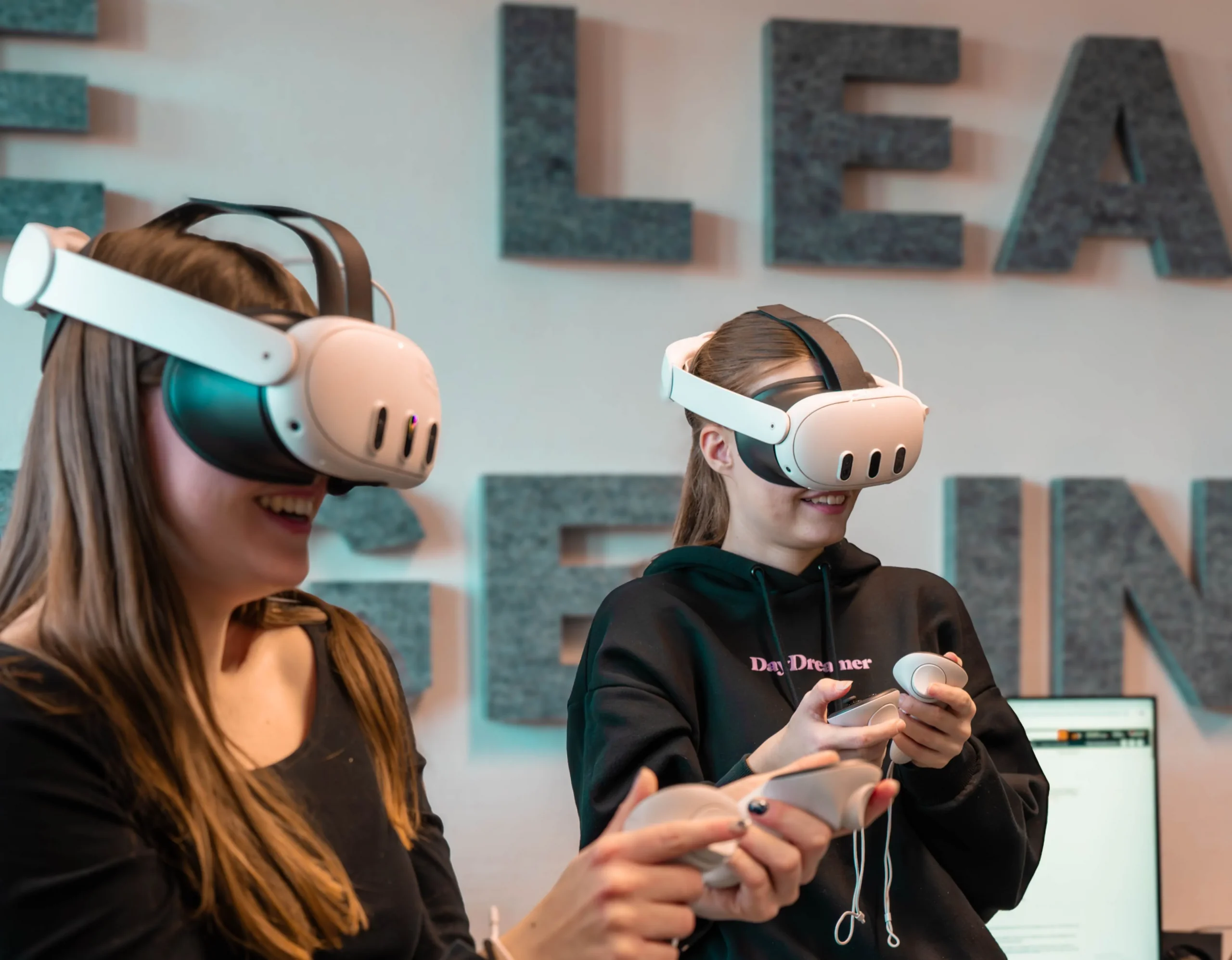
Integrating active maintenance training systems in factories requires connecting the simulation software directly to the facility’s computer-aided design drawings for perfect physical accuracy.
This extreme geometric precision ensures that the virtual bolts, wires, and gears behave exactly like their real-world factory counterparts.
When the physics engine calculates realistic weight, resistance, and torque configurations, the technician receives authentic kinesthetic feedback during every simulation.
This high level of technical accuracy prepares the specialist to handle delicate physical tools with confidence.
When should operations managers transition from physical training rigs to virtual simulation modules?
The ideal time to transition occurs when the cost of maintaining dedicated, non-productive machinery assets for instructional use begins impacting the facility’s net profit margins.
Shifting to digital alternatives frees up valuable factory floor square footage, allowing managers to convert old training rooms into profitable assembly space.
Read more: Virtual reality industrial training systems for safety
Additionally, when factories introduce entirely new machinery models, digital simulations allow the workforce to master the updated repair procedures before the physical hardware arrives.
This proactive preparation ensures immediate operational readiness, preventing expensive post-installation production bottlenecks.
Stabilizing Industrial Operations Through Cognitive Innovation
The widespread adoption of virtual training frameworks represents a permanent evolution in how global manufacturing companies manage technical knowledge and human capital.
Learn more: Virtual reality behavioral training systems for soft skills
Moving away from outdated, slow instructional methods protects modern corporations from sudden labor shortages and complex operational disruptions.
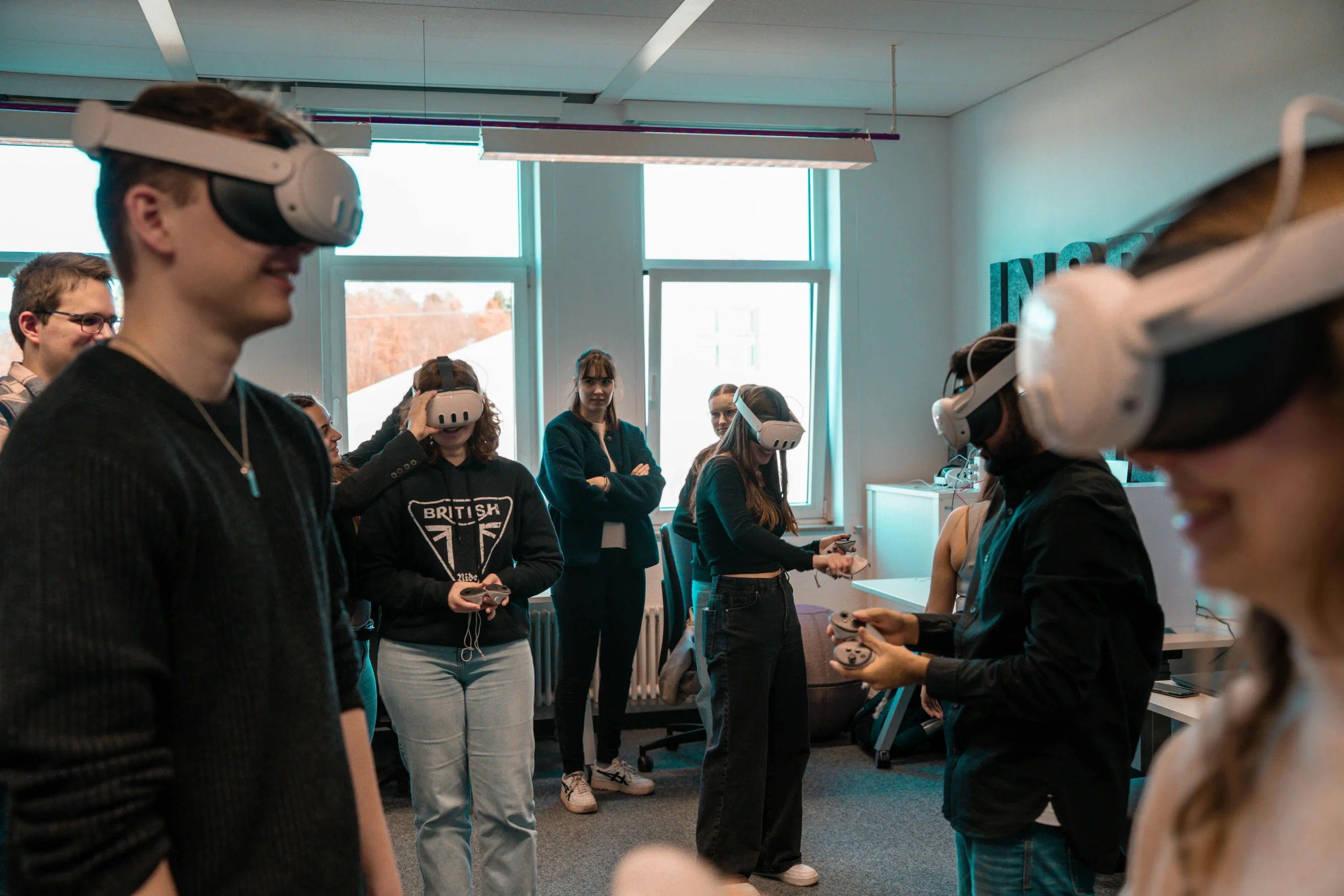
Investing in human centric spatial technology allows modern industrial organizations to cultivate highly resilient, safe, and adaptable maintenance teams.
This systematic commitment to modern educational excellence stabilizes global supply chains, ensuring consistent product quality in a demanding marketplace.
To view active manufacturing case studies, updated industrial safety regulations, and corporate workforce development reports, visit the official National Association of Manufacturers (NAM) portal.
Frequently Asked Questions (FAQ)
Can virtual reality headsets withstand the harsh conditions of an active factory floor?
While some ruggedized headsets exist, corporations typically deploy these simulation systems within dedicated, clean training rooms adjacent to the main production floor.
This setup protects the sensitive optical lenses and electronic tracking sensors from heavy industrial dust, moisture, and extreme temperatures.
How long does it take to convert a factory’s physical blueprints into a functional training simulation?
The development timeline typically spans four to twelve weeks, depending entirely on the complexity of the machinery and the availability of original digital design files.
Utilizing existing manufacturer data drastically accelerates this process, allowing engineers to focus on scripting interactive repair scenarios.
Do older factory technicians struggle to adapt to immersive spatial tracking interfaces?
Experience shows that intuitive hand tracking and natural spatial interactions allow older workers to adapt to virtual environments much faster than complex computer keyboard controls.
Mimicking real world physical movements eliminates the digital barrier, making the software accessible to all technical experience levels.
What happens if a technician performs a critical safety error inside the virtual simulation?
The software instantly halts the scenario, flashes a highly visible warning screen, and explains the real world physical consequences of that specific mistake.
This immediate feedback loop anchors the safety protocol in the user’s mind without causing actual injury or equipment damage.
