
Smart home automation with intent-based environments
The evolution of smart home technology with intent-based environments marks a fundamental departure from clunky voice commands toward spaces that actually anticipate human needs.
We are finally moving away from the era of “dumb” smart homes, where users were forced to manually trigger every single light and thermostat like a digital janitor.
By 2026, the integration of ambient sensing and machine learning allows our living spaces to grasp the “why” behind our movements.
This isn’t just about gadgets; it’s about shifting the burden of technology onto the house itself, creating an environment that feels more like an intuitive companion than a collection of connected appliances.
What is intent-based automation in the modern smart home?
Intent-based automation is the system’s ability to interpret a user’s goal by weighing their current activity against historical behavioral context.
Unlike traditional setups that rely on rigid “if-this-then-that” logic, a home built with intent-based environments analyzes multiple data streams simultaneously to avoid “accidental” triggers.
If you settle onto the sofa with a book, the house recognizes the reading intent dimming the periphery while boosting the task lamp.
This is a far cry from a “movie” intent, where the same physical action might trigger a blackout. The difference lies in the system’s ability to distinguish subtle nuances in how we occupy a room.
How does spatial intelligence drive intent-based logic?
Spatial intelligence utilizes Ultra-Wideband (UWB) and mmWave radar to track micro-movements, allowing the home to understand your position without resorting to intrusive cameras.
These sensors are the skeletal structure of smart home systems with intent-based environments, capable of detecting if a person is sleeping, has fallen, or is simply sedentary.
By mapping your precise trajectory within a room, the system can direct heating or cooling specifically toward your location.
There is something profoundly efficient about a house that stops cooling empty corners and starts focusing its energy exactly where the heartbeat is.
Why are generative AI and LLMs essential for this shift?
The integration of Large Language Models (LLMs) allows smart homes to digest the messy, non-linear way humans actually communicate and translate it into complex technical executions.
In an environment designed with intent-based environments, you no longer need to memorize specific “scenes” or jargon.
Read more: Smart home automation powered by on-device LLMs
Instead, telling the kitchen “I’m feeling a bit drained” might prompt the house to soften the lighting, play a specific acoustic playlist, and pre-heat the oven for a simple comfort meal.
The AI isn’t just listening to your words; it’s interpreting the underlying sentiment, connecting disparate devices to fulfill a high-level emotional request.
For a deeper look into the standards making this interoperability possible, the Connectivity Standards Alliance (CSA) provides the latest updates on the Matter protocol.
Which hardware components are necessary for an intent-based setup?
Building this environment requires a specific blend of high-fidelity sensors and a powerful local hub capable of handling AI tasks without constant “phone-home” cloud pings.
While older systems focused on smart plugs and bulbs, a setup with intent-based environments prioritizes presence sensors, air quality monitors, and multi-modal hubs.
These devices work in a unified mesh network, sharing data to build a comprehensive picture of the household’s current state.
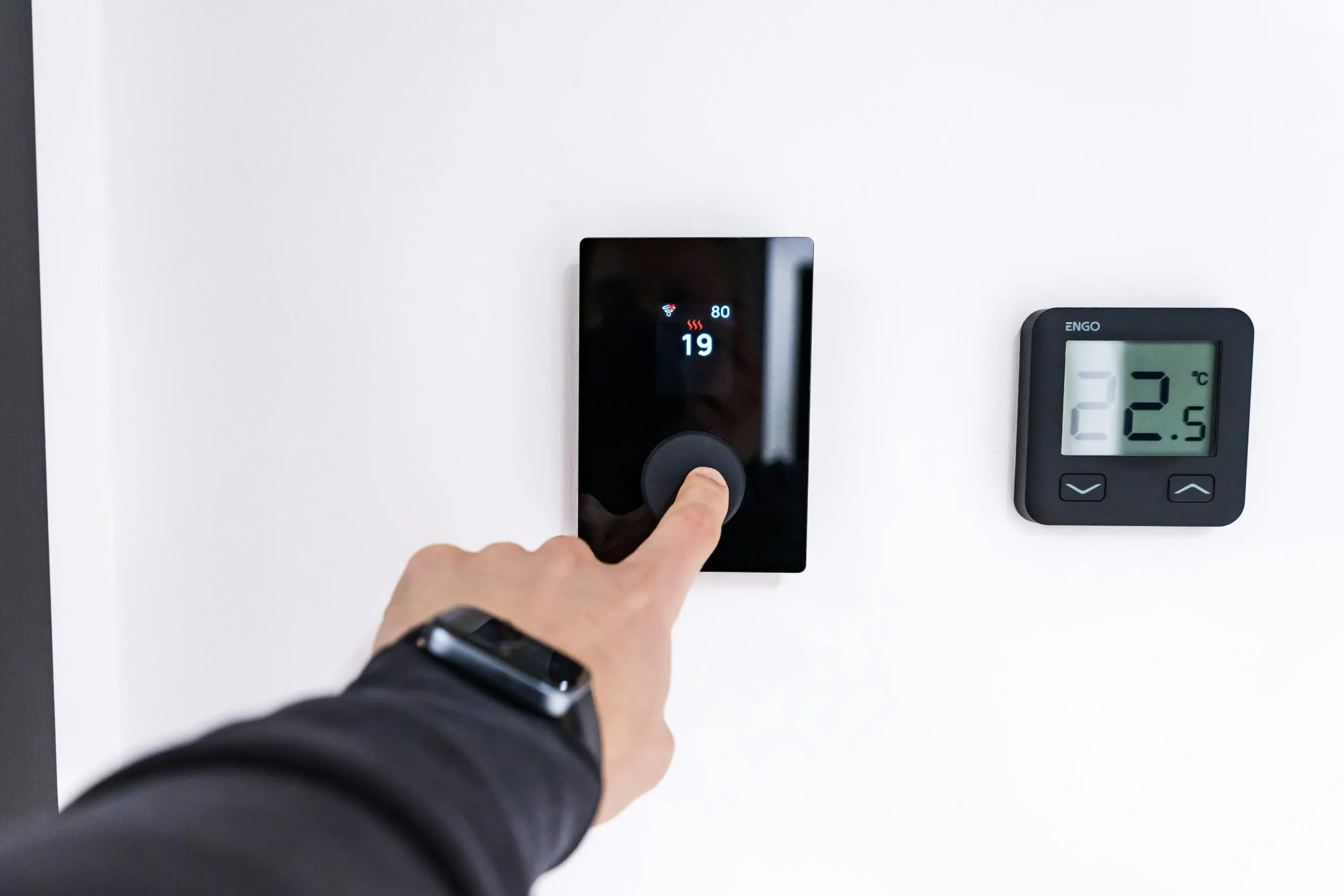
The trend is moving toward “invisible” hardware, technology that disappears into the architecture, removing the friction of wall panels or tablets that usually clutter a modern home.
Comparing Automation Paradigms: Reactive vs. Intent-Based
The table below breaks down the shift from manual control to the era of anticipatory, intent-driven living spaces.
| Feature | Reactive Automation (Traditional) | Intent-Based Environments (Modern) |
| Trigger Mechanism | Manual (Voice, Button, Schedule) | Behavioral (Presence, Bio-feedback) |
| Connectivity | Fragmented Hubs | Matter / Thread Unified Fabric |
| Learning Ability | Static, User-Defined Rules | Adaptive AI Learning Models |
| Primary Goal | Basic Convenience | Anticipatory Assistance |
| Processing | Cloud-Reliant | Edge/Local Processing (Privacy First) |
How do intent-based homes manage energy efficiency?
Energy management becomes a passive byproduct of intelligent living rather than a chore when the house understands occupancy patterns.
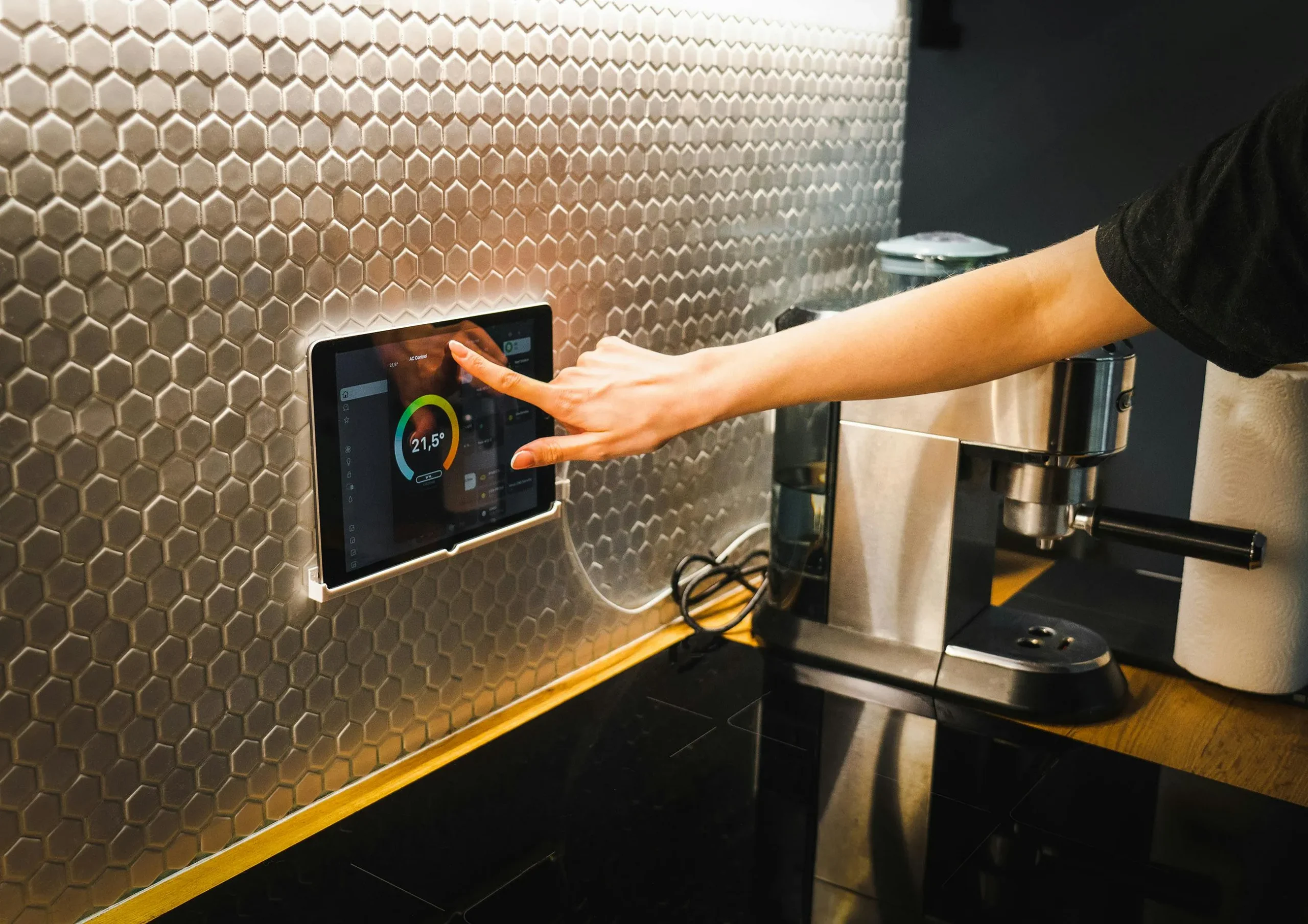
A system with intent-based environments doesn’t simply kill the AC when you leave; it predicts your return based on your digital calendar or car’s GPS proximity.
Learn more: Smart home automation using self-healing networks
It pre-conditions the home using the most cost-effective energy rates, ensuring comfort is achieved the moment you cross the threshold.
This dynamic adjustment often reduces consumption by up to 25%, largely because the house stops “guessing” and starts responding to real-time human movements.
What are the privacy implications of intent-based sensing?
The move toward always-sensing environments naturally triggers an alarm for data security—and rightly so. No one wants their daily habits harvested by a third party.
To maintain trust, homes with intent-based environments increasingly utilize edge computing, where all the “thinking” happens locally on a hub.
Read more: Smart Home Privacy: Protecting Your Digital Life
This ensures that sensitive data, such as sleep cycles or heart rate, never leaves the physical house.
There is an editorial shift toward “Privacy by Design,” using non-identifiable radar data instead of video to protect user anonymity while still providing high-level automation.
Why is the Matter protocol a game-changer for this technology?
Interoperability used to be the “Achilles’ heel” of smart home design, with competing brands refusing to communicate across their digital silos.
The latest Matter standards allow a home with intent-based environments to pull data from a Philips Hue sensor to trigger a Nest thermostat or a Sonos speaker without a hitch.
Read more: How Smart Thermostats Help You Save
This unified language ensures that your “intent” is communicated across a diverse ecosystem. Without this common thread, the home remains a collection of isolated gadgets rather than a coherent, intelligent system.
The evolution of the disappearing computer
Looking ahead toward 2030, we can expect these systems to integrate even more deeply with wearable health tech and domestic robotics.
The ultimate goal of living with intent-based environments is the “disappearing computer”, where technology serves us so flawlessly that we forget it’s even there.
We are moving toward homes that can detect early signs of illness through voice analysis or adjust lighting to combat seasonal affective disorder automatically.
The house ceases to be a machine for living and becomes a protective shell that optimizes our health and productivity.
To explore more about the future of digital integration and technical roadmaps, visit the IEEE Standards Association.
Reimagining the Concept of Home
Embracing this shift means moving from “managing gadgets” to “curating experiences” that naturally align with how we move through our days.
The true value of smart home automation with intent-based environments lies in the mental energy it hands back to the residents.
By offloading the trivial, repetitive decisions of home management to an intelligent system, we free ourselves to focus on things that actually matter.
The home of 2026 is an active participant in our well-being, silently supporting our routines without ever being asked.
FAQ: Frequently Asked Questions
Is intent-based automation expensive to install?
While high-end sensors carry a premium, many modern hubs are now “future-proofed” with software updates that enable intent-based features using the hardware you already own.
Do I need to replace my existing smart devices?
Not necessarily. As long as your devices can be bridged to a Matter-compatible hub, they can usually participate in intent-based scenes.
Can I override the AI if its decisions are wrong?
User control is paramount. Any intent-based action can be manually corrected, and the system actually uses those corrections as data points to improve its future accuracy.
Does the system function during an internet outage?
Most intent-based environments prioritize local “edge” processing. While you might lose remote access, your local automations and sensor-driven scenes will stay active.
How does the house distinguish between different family members?
Modern systems use “person identification” via smartphone Bluetooth signals, wearable tech, or even unique walking patterns detected by radar sensors to tailor the environment to each individual.
