Smart home automation Matter 1.3 networks interoperability
The promise of Matter 1.3 networks interoperability has finally transformed from a technical blueprint into the backbone of modern residential living as we navigate the complex smart home landscape of 2026.
This unified communication protocol, backed by the Connectivity Standards Alliance (CSA), has effectively dismantled the walled gardens that once forced consumers to choose between incompatible ecosystems like Apple Home, Google Home, or Amazon Alexa.
The shift towards a truly agnostic infrastructure means that the focus has moved from “will it connect?” to “how well does it perform?”
In this guide, we explore the latest technical advancements and practical implications of the 1.3 specification for enthusiasts and professionals alike.
What is Matter 1.3 and why does it change everything?
Matter 1.3 is the most significant iteration of the royalty-free connectivity standard, designed to bring high-bandwidth devices and energy-hungry appliances into the local network fold.
While previous versions focused on lights and thermostats, 1.3 introduces support for microwave ovens, laundry dryers, and even electric vehicle (EV) supply equipment.
The protocol operates as an application layer on top of IPv6, utilizing Thread for low-power sensors and Wi-Fi for data-heavy interactions.
This dual-track approach ensures that a battery-operated door lock remains responsive for years, while a 4K security camera maintains a fluid stream without taxing the hub.
There is something unsettling about how fragmented our homes were just a few years ago. We often forget the frustration of “bridge fatigue,” where every new bulb required its own proprietary plastic box.
Matter 1.3 has largely rendered those bridges obsolete, favoring a direct, local-first communication strategy.
How does Matter 1.3 networks interoperability improve energy management?
One of the most impressive features of this update is the specialized focus on sustainability through smart energy management.
For the first time, Matter-certified devices can report real-time power consumption and historical usage data directly to any compatible dashboard or smartphone application.
This transparency allows homeowners to automate their heavy machinery based on fluctuating utility rates or surplus energy from rooftop solar panels.
A dishwasher can now “wait” for the sun to reach its peak before starting a cycle, communicated via Matter 1.3 networks interoperability protocols.
By providing a standardized language for energy reporting, the 1.3 update prevents data silos.
Your Tesla Wall Connector can now talk to your Nest Thermostat to ensure the house stays cool without tripping a breaker during a fast-charge session.
Such synergy was nearly impossible without complex, custom coding in the past.
For those looking to dive deeper into the official technical specifications and the list of certified hardware, the Connectivity Standards Alliance (CSA) provides the comprehensive documentation required for professional installation and development.
Comparison of Matter 1.3 Device Support and Network Requirements
| Device Category | Communication Protocol | Key Feature in 1.3 | Latency Expectation |
| Kitchen Appliances | Wi-Fi / Ethernet | Cycle completion notifications | < 100ms |
| EV Chargers | Wi-Fi / Thread | Adaptive charging rates | < 200ms |
| Water Leak Sensors | Thread | Multi-admin alarm triggers | < 50ms |
| Laundry Systems | Wi-Fi | Energy consumption reporting | < 150ms |
| Smart Lighting | Thread | Native dimming curves | < 20ms |
Which hardware is required to maintain a stable Matter 1.3 network?
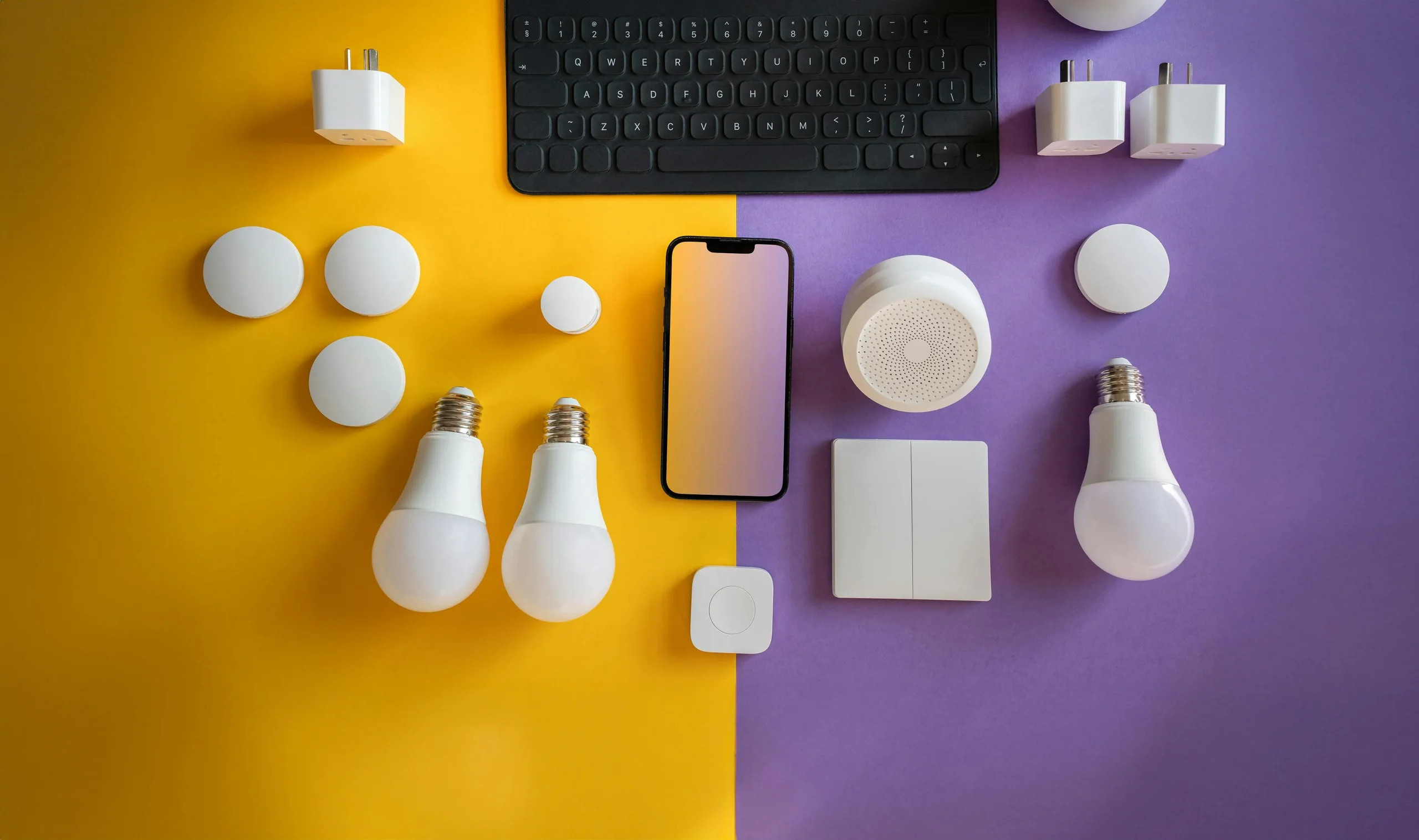
Achieving a seamless experience requires a robust “Thread Border Router” capable of bridging your low-power mesh network with your home Wi-Fi.
In 2026, most high-end routers and smart speakers come with this functionality built-in, creating a self-healing grid across your property.
Unlike traditional Zigbee or Z-Wave setups, Matter does not rely on a single central point of failure. If one Thread-enabled lightbulb goes offline, the network automatically reroutes signals through the nearest neighbor.
Learn more: Smart home automation predictive AI models for daily routines
This resilience is what makes Matter 1.3 networks interoperability so attractive for large-scale domestic automation.
It is worth noting that while older Wi-Fi 5 routers may work, upgrading to Wi-Fi 6E or 7 is highly recommended.
These newer standards offer dedicated 6GHz bands that reduce congestion, ensuring that your smart oven’s data packets aren’t fighting your teenager’s gaming console for bandwidth.
Why is the Multi-Admin feature the “Holy Grail” of smart homes?
The Multi-Admin feature is arguably the most pro-consumer aspect of the Matter standard.
It allows you to pair a device with Apple Home for your iPhone, while your partner uses the Google Home app on their Android device, both controlling the same hardware.
This cross-platform harmony effectively ends the “ecosystem tax” that once prevented families from mixing and matching hardware based on preference.
Read more: Smart home automation built on semantic home models
You are no longer locked into one brand’s vision of the future; you can buy the best hardware, regardless of which logo is on the box.
However, this freedom comes with a slight learning curve regarding security.
Each “admin” platform maintains its own set of permissions, so it is vital to audit which apps have access to your sensitive devices, like cameras or smart locks, through the integrated Matter settings.
What are the security benefits of the Matter 1.3 standard?
Security is baked into the foundation of the protocol through a distributed ledger technology and strict device attestation.
Every Matter 1.3 device must prove its identity before it is allowed to join the local network, preventing malicious actors from spoofing hardware.
Learn more: Home Security: The Best Smart Home Devices for 2025
Communication between devices is fully encrypted, and because Matter is designed to run locally, your data doesn’t necessarily have to travel to the cloud to turn on a light.
This local-first approach drastically reduces the attack surface and improves privacy for the modern family.
Managing Matter 1.3 networks interoperability means you are trusting a standardized security layer rather than dozens of individual, often poorly-maintained, cloud APIs from obscure manufacturers.
In 2026, this move towards localized, authenticated traffic is the gold standard for residential digital safety and reliability.
When should you upgrade your existing smart home devices?
If your current smart home relies on aging Zigbee or Z-Wave hubs, now is the time to plan a transition.
While many hubs have received “bridge” updates to support Matter, a native Matter-over-Thread device will always offer superior speed and deeper feature integration.
Start by replacing core infrastructure, such as your primary router or central smart display, with Matter 1.3-certified controllers.
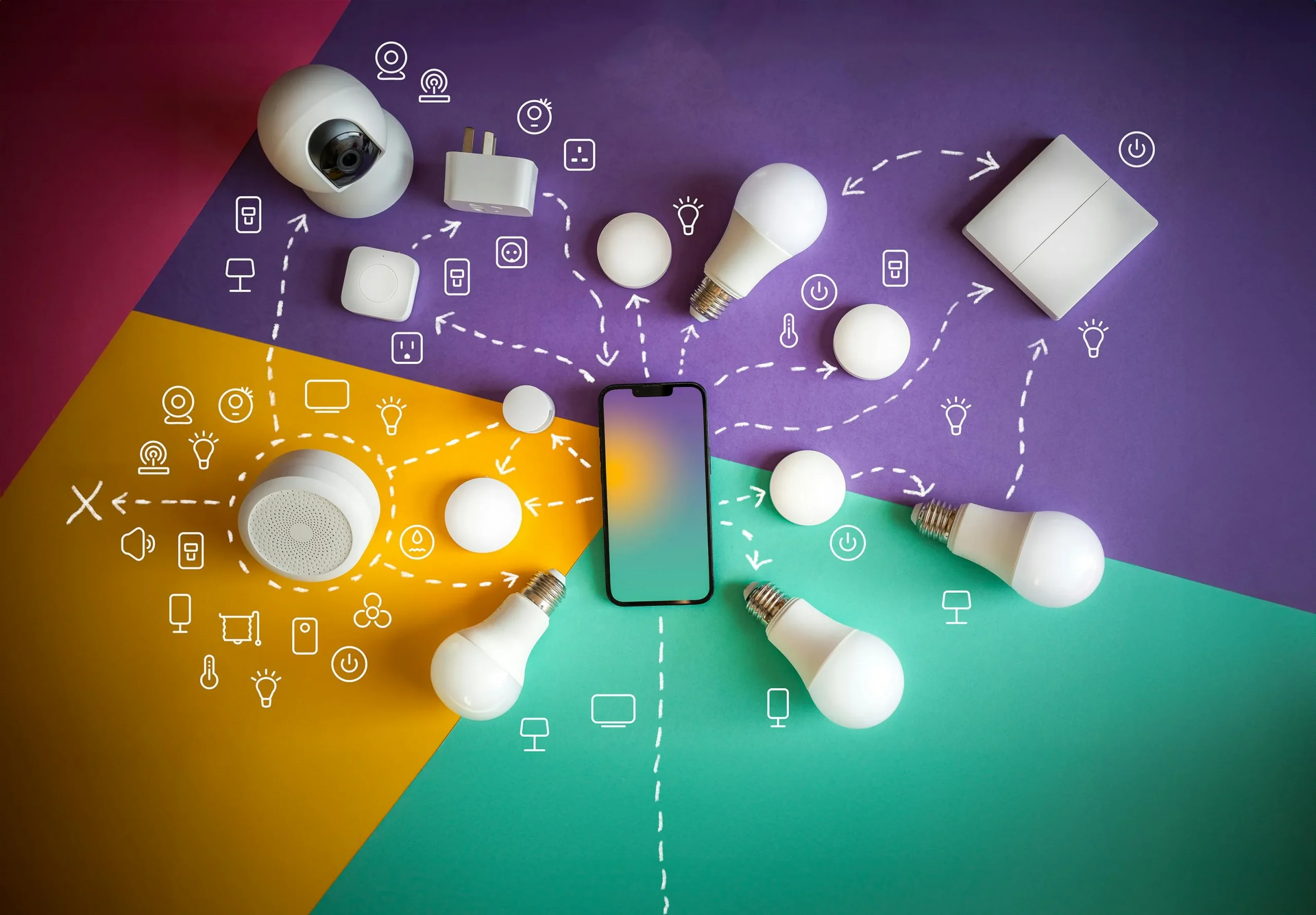
This ensures that any new sensors or appliances you purchase will be instantly recognized and integrated into your existing energy-saving routines without further configuration.
The investment in native hardware pays off in the long run through reduced latency and simplified troubleshooting.
Dealing with a single protocol is far easier than juggling multiple wireless standards that frequently interfere with each other or require constant re-pairing after a power outage.
To stay updated on the evolving landscape of IoT security and privacy regulations that influence these standards, the Electronic Frontier Foundation (EFF) offers insightful commentary on how interoperability impacts your digital rights and home autonomy.
FAQ: Master the Matter 1.3 Ecosystem
Do I need to replace all my old smart devices?
Not necessarily. Many manufacturers have released firmware updates or bridges that allow older Zigbee/Z-Wave devices to communicate with Matter networks, though native devices generally provide a more responsive experience and better energy data.
Will Matter 1.3 work if my internet goes down?
Yes, that is a core strength. Matter works over your local network (LAN), meaning your automations and switches will continue to function even if your ISP is offline, as long as your local router is powered.
Is Matter 1.3 backwards compatible with earlier versions?
Absolutely. Matter is designed to be forward and backward compatible. A Matter 1.0 lightbulb will work perfectly alongside a Matter 1.3 smart dryer, though the older bulb won’t suddenly gain new 1.3 features.
The evolution of Matter 1.3 networks interoperability marks the end of the “frustration era” in home automation.
We have finally reached a point where the technology recedes into the background, allowing us to focus on the comfort and efficiency of our living spaces.
By adopting a unified, secure, and local-first protocol, the smart home has moved from a hobbyist’s toy to a reliable utility.
As 2026 progresses, the ability to effortlessly bridge energy management, security, and convenience into a single, cohesive network is no longer a luxury, it is the standard.
Ensuring your network is ready for this influx of intelligent data is the best way to future-proof your domestic environment for the decade to come.
