
Virtual reality applications for emotion-aware experiences
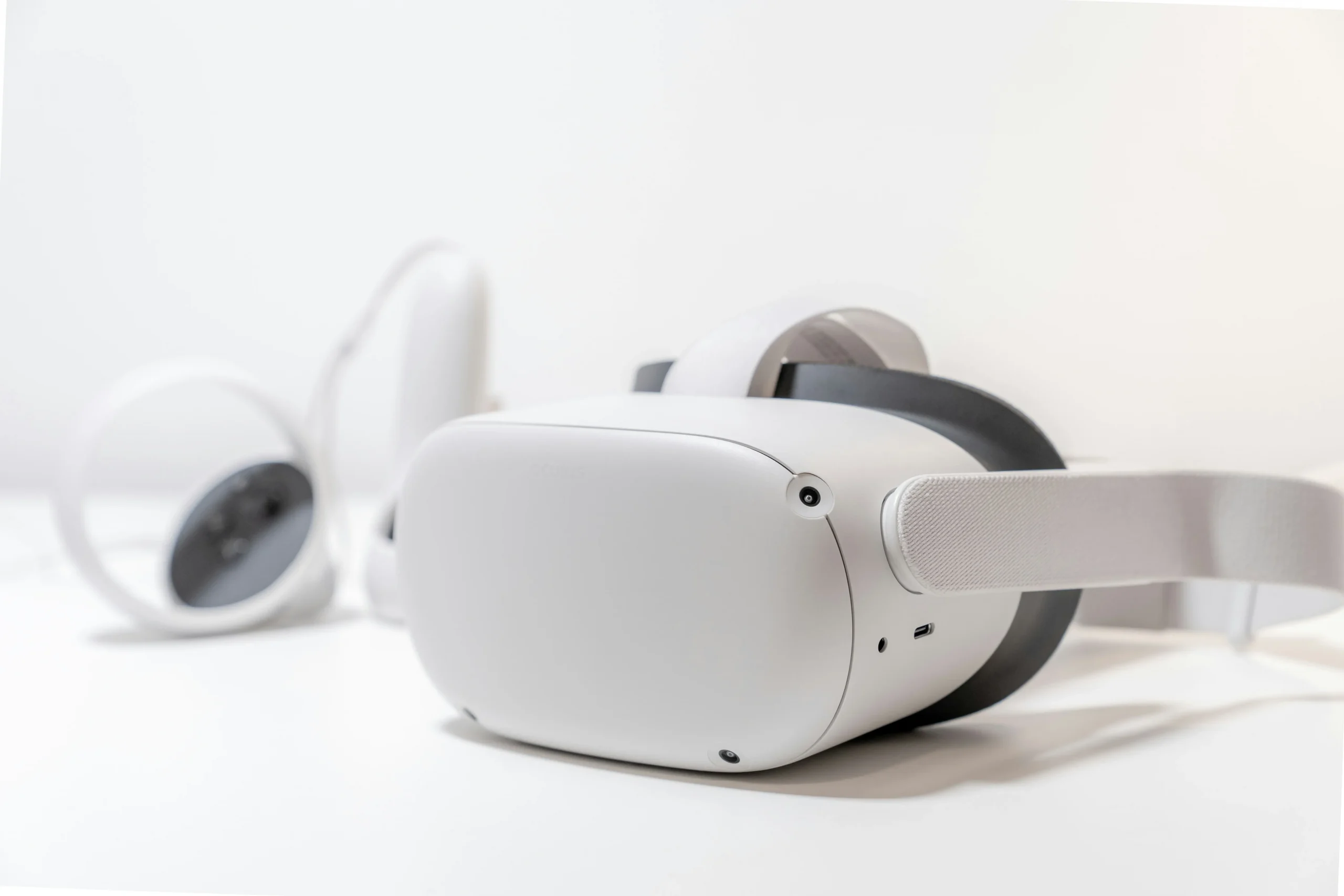
Designing emotion-aware experiences within virtual reality represents the most significant shift in human-computer interaction since the touch screen, fundamentally altering our capacity for digital empathy.
In 2026, VR headsets no longer simply track our head movements; they interpret physiological whispers to adapt environments in real-time.
This technological leap utilizes multimodal sensing, combining eye tracking, heart rate variability, and facial expression recognition, to create immersive spaces that respond to your internal state.
We will explore how these affective computing systems function, their transformative impact on mental health, and the ethical guardrails necessary for such intimate data.
By moving beyond static simulations, developers are now building living worlds that mirror, soothe, or challenge the user’s emotional landscape with surgical precision.
What are emotion-aware experiences in Virtual Reality?
At its core, an emotion-aware experience is a closed-loop system where the VR environment perceives the user’s affective state and modifies its content accordingly.
Unlike traditional VR, which offers a fixed, indifferent script, these systems use “Affective Computing” to detect nuances like frustration, boredom, or joy through subtle biometric shifts.
Modern headsets in 2026 integrate electromyography (EMG) and photoplethysmography (PPG) sensors directly into the facial gasket.
This allows the software to “feel” the user’s pulse and muscle tension.
There is something inherently unsettling about a machine knowing your fear before you consciously acknowledge it, yet this creates a level of presence that felt like science fiction just five years ago.
By utilizing emotion-aware experiences, developers ensure that a horror game intensifies only when you are calm, or a meditation app becomes more vibrant as you actually relax.
This creates a symbiotic relationship between the human nervous system and digital code, redefining the boundary of the “self” in a virtual space.
How does biofeedback drive emotional synchronization?
Biofeedback serves as the bridge between biological reality and virtual manifestation, turning involuntary bodily functions into active input commands.
When a user enters a VR simulation, sensors monitor their Galvanic Skin Response (GSR) to measure sympathetic nervous system arousal.
If the system detects a spike in cortisol or heart rate, the AI-driven environment can subtly shift the lighting or music to encourage regulation.
This synchronization is particularly effective because the brain’s neuroplasticity responds more intensely to immersive, multi-sensory feedback than to traditional, screen-based biofeedback methods.
It is as if the software is learning to breathe with the user.
For those interested in the technical standards of biometric integration, the IEEE Standards Association provides the foundational protocols for wearable health data.
Their guidelines ensure that the biometric “handshake” between the headset and the user remains accurate, low-latency, and interoperable across different platforms, preventing the sensory dissonance that often leads to “VR sickness.”
Why is emotional VR a game-changer for mental health?
The clinical application of emotion-aware experiences allows therapists to conduct exposure therapy with a level of control previously thought impossible.
For patients with social anxiety, a VR simulation can adjust the “judgmental” tone of virtual avatars based on the patient’s rising stress levels.
Learn more: VR for rehabilitation and mental health: how immersive therapies work
This allows for a perfectly graded exposure where the difficulty is always exactly at the threshold of the patient’s capability neither too easy to be useless nor too hard to be traumatizing.
In 2026, we see this used extensively in treating phobias and PTSD, where the environment “retreats” if the user shows signs of a panic attack.
By creating a safe space that actually understands your distress, VR moves from being a toy to a life-saving medical instrument.
It provides a mirror for the subconscious, allowing users to visualize their stress as a physical storm that they can learn to calm through focused intent.
Key Sensors in 2026 Emotion-Aware VR Headsets
| Sensor Type | Physiological Metric | Emotional Indicator | Primary Use Case |
| Gaze Tracking | Pupil Dilation | Cognitive Load / Interest | Dynamic Foveated Rendering |
| Facial EMG | Micro-expressions | Joy, Anger, Surprise | Social VR Avatars |
| Optical PPG | Heart Rate (BPM) | Stress and Excitement | Adaptive Gameplay |
| EDA / GSR | Skin Conductivity | Arousal and Anticipation | Horror / Thriller Design |
| EEG (Dry) | Brainwave Patterns | Focus and Relaxation | Neuro-Meditation Apps |
Learn more: Multi-Room Presence Detection Using mmWave Sensors: Setup Guide + Best Devices
Which industries benefit most from affective computing in VR?
While gaming is the most visible sector, the corporate training and education industries are seeing massive productivity gains through these intuitive systems.
Imagine a public speaking simulator that provides a heat map of when your audience “felt” your lack of confidence during a presentation. It’s a brutal, but necessary, level of honesty.
In 2026, emotion-aware experiences allow for soft-skills training that provides objective data on empathy and leadership.
Know more: Teaching Kids to Recognize Emotions Using Interactive Tech
Managers can practice difficult conversations with AI subordinates that react realistically to their tone of voice and facial cues, fostering much better interpersonal outcomes in the physical office.
The retail industry also utilizes this to test consumer reactions to virtual store layouts.
By tracking emotional “highs” during a virtual shopping trip, brands can optimize environments for comfort rather than just speed.
This shifts the focus from simple conversion rates to long-term emotional brand loyalty.
When will the ethical debate over emotional data be resolved?
The collection of “neuro-data”, information derived directly from the brain and nervous system, raises significant privacy concerns that are currently being legislated globally.
Critics argue that emotion-aware experiences could be used for “neuro-marketing” without the user’s explicit understanding of the depth of data being harvested.
This isn’t just about what you click; it’s about what you feel before you click.
Legislative bodies are now treating biometric emotional data with the same level of protection as medical records.
In 2026, users must be given “granular consent,” meaning they can choose to share their heart rate for a game while blocking the storage of their facial muscle data.
Protecting this “inner sanctum” of the mind is the greatest challenge facing the VR industry today. If users feel that their raw emotions are being monetized, the trust required for deep immersion will evaporate.

To explore the ongoing international efforts to secure digital rights and human-centric AI, visit the World Economic Forum (WEF).
Their research into the “Metaverse Ethics” framework outlines the necessary protections for our digital identities.
This global cooperation ensures that as we build more responsive worlds, we do not inadvertently build a digital panopticon that exploits our biological vulnerabilities.
The future of virtual reality is not just about what we see, but how the world sees us back.
By prioritizing ethics and user agency, we can harness this power to create a more connected and emotionally intelligent digital society.
FAQ: Frequently Asked Questions
Do I need a special headset for emotion-aware VR?
Yes. Standard headsets lack the EMG and PPG sensors required. High-end 2026 models from manufacturers like Meta, Apple, and Valve now include these as “Pro” features for advanced immersion.
Is my emotional data stored by the game developers?
In most 2026 jurisdictions, emotional data is processed “on-device” and is not allowed to be uploaded to a cloud server without explicit, high-level user consent and encryption.
Can emotion-aware VR help with public speaking?
Absolutely. Many applications use these sensors to give you a “calmness score,” helping you identify which parts of your speech trigger your sympathetic nervous system.
Will this technology make VR more expensive?
Initially, yes. The inclusion of medical-grade sensors adds to the bill of materials, but as manufacturing scales, these sensors are expected to become standard in mid-range consumer devices.
Can I turn off the emotion-sensing features?
Privacy laws in 2026 require that all biometric sensing be optional. You can disable these sensors in your system settings, though this will revert apps to a non-adaptive, static state.
