
Virtual reality applications in autonomous design reviews
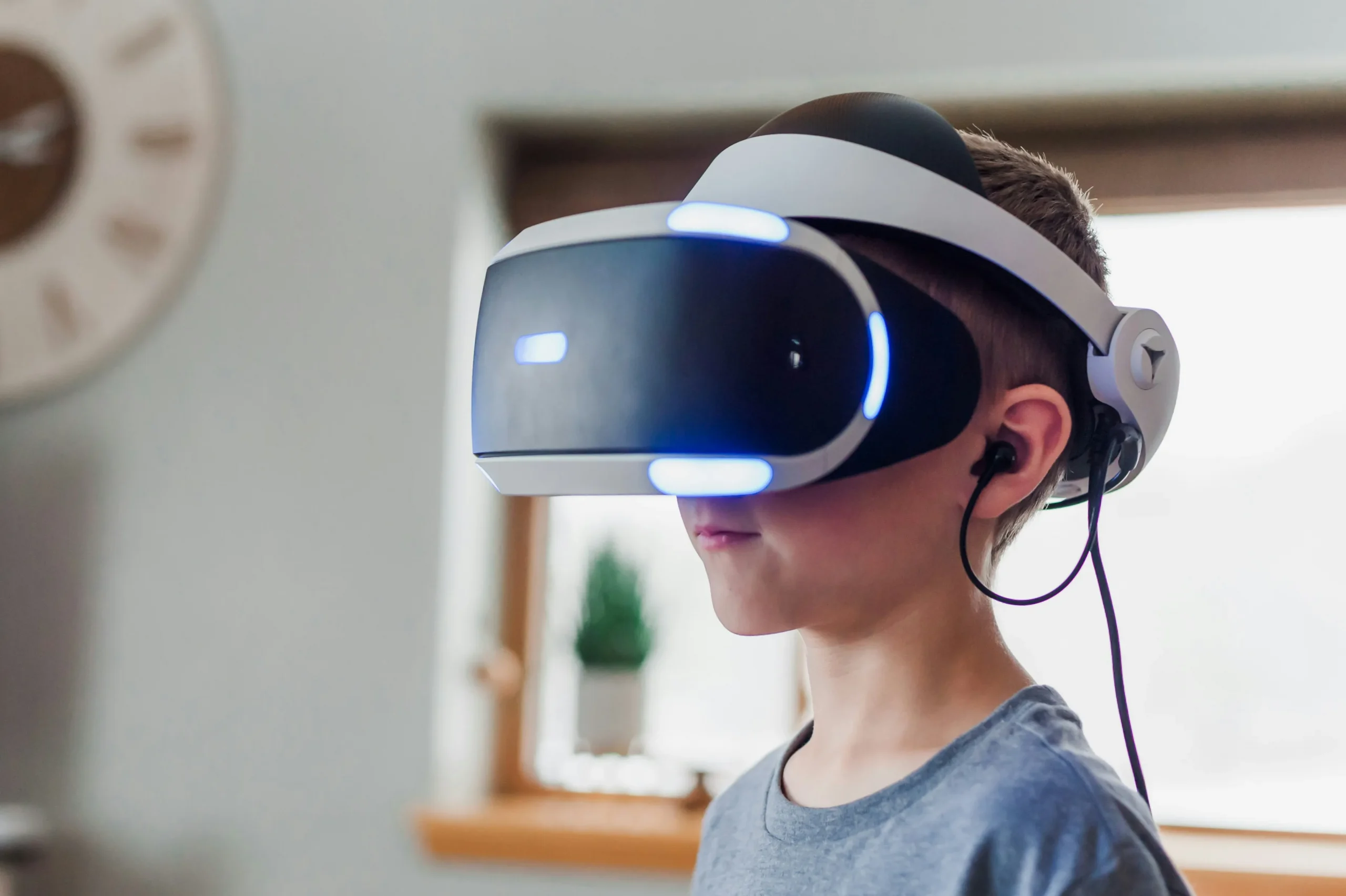
Implementing autonomous design reviews within virtual reality (VR) environments has shifted from a futuristic novelty to a 2026 industrial necessity for high-stakes engineering and architecture.
By merging immersive visualization with AI-driven inspection, companies are finally slashing development cycles and identifying structural flaws long before a physical prototype ever touches a factory floor.
This evolution addresses the “collaboration fatigue” of traditional 2D screen sharing, replacing static meetings with persistent, spatially accurate digital twins that essentially “self-review” based on pre-set parameters.
In this guide, we explore how autonomous agents within VR are transforming the approval process, the technical hurdles for deployment, and the undeniable ROI of moving toward hands-off, high-fidelity design validation.
What is the role of VR in autonomous design reviews?
Virtual Reality acts as the primary sensory interface where autonomous design reviews take place, allowing AI algorithms to present their findings in a 1:1 scale environment.
Instead of a human manually checking every bolt or clearance, an autonomous agent scans the 3D model against safety standards, flagging issues visually with heatmaps.
This creates a “living” document where the design tells you where it fails.
In 2026, the integration of high-resolution passthrough and hand tracking allows designers to interact with these autonomous flags as if they were physical sticky notes.
It bridges the gap between raw data and human intuition in a way a flat monitor never could.
How does AI assist in the autonomous review process?
Modern AI agents within VR environments utilize geometric deep learning to analyze the “buildability” of a design.
Read more: AI-Generated VR Worlds: How LLMs and Procedural Tools Build Immersive Scenes Automatically
While autonomous design reviews are running, the AI compares the current iteration against thousands of historical successful designs to predict potential points of failure or material waste.
There is something unsettling about how quickly these agents can spot a clash that a human team might take days to find.
The AI doesn’t just find the error; it suggests a real-time correction based on live supply chain data, making the review process proactive rather than reactive.
Why are companies moving away from manual inspections?
The sheer complexity of modern products, from electric vehicle battery packs to modular skyscrapers, makes human-only reviews prone to catastrophic oversight.
Transitioning to autonomous design reviews ensures that every micro-detail is verified against a rigorous, unbiased digital checklist that never tires or loses focus during late-night sessions.
Manual reviews often suffer from “clique thinking,” where senior designers might overlook a flaw due to familiarity.
An autonomous VR agent provides a cold, objective second opinion that is strictly based on physics and regulatory compliance, effectively acting as an impartial mediator for the engineering team.
Table: Impact Analysis of VR-Based Autonomous Design Reviews (2026)
| Metric | Traditional CAD Review | VR-Based Autonomous Review | Improvement Delta |
| Error Detection Rate | 68% | 94% | +26% |
| Review Time (Complex Assembly) | 14 Days | 3 Days | -78.5% |
| Travel/Logistic Costs | High (In-person) | Near Zero (Remote VR) | -90% |
| Iterative Feedback Loop | Linear/Sequential | Real-time/Simultaneous | 3.5x Faster |
| Prototype Waste | 4-5 Physical Units | 1-2 Physical Units | -60% |
Which industries benefit most from this immersive technology?
Automotive and aerospace remain the pioneers, using autonomous design reviews to simulate airflow and cockpit ergonomics without building expensive clay models.
In 2026, the medical field has caught up, using VR to “pre-walk” through surgical suites designed by AI to ensure optimal movement for doctors and nurses.
Architecture has also seen a massive shift. Instead of showing clients a 3D render, firms now use autonomous agents to verify sunlight exposure and acoustic levels inside a VR model.
To understand the underlying research on how VR improves cognitive retention during these sessions, the IEEE Xplore Digital Library provides extensive peer-reviewed data on human-computer interaction.
When should a firm integrate autonomous VR reviews?
Integration should ideally happen at the “Stage-Gate” between conceptual sketching and detailed engineering.
Implementing autonomous design reviews too early can stifle creativity, but doing it too late makes changes prohibitively expensive.
In 2026, the sweet spot is the “Functional Prototype” phase where the core geometry is locked.
Waiting until the physical production line is being set up is a recipe for disaster.
By deploying VR reviews early, teams can catch “ghost errors”, those tiny misalignments that only appear when parts are seen in 3D, saving millions in potential recall or rework costs before the first mold is even cast.
What are the primary hardware requirements in 2026?
The current standard for professional autonomous design reviews requires a headset with at least 4K resolution per eye and a Wi-Fi 7 connection for lag-free cloud streaming.
Know more: How to Set Up a Mesh Wi-Fi Network at Home
Because the AI processing happens in the cloud, the local hardware mainly acts as a high-fidelity display for the autonomous agent’s visual output.
Eye-tracking is no longer optional; it is essential for foveated rendering, which focuses graphical power only where the reviewer is looking.
This allows for photorealistic textures that are necessary to judge material quality accurately.
For the latest safety standards regarding extended VR use, the Occupational Safety and Health Administration (OSHA) offers guidelines on ergonomics and visual fatigue management.
How does data security work in a collaborative VR space?
Enterprises often worry about their most sensitive IP leaking through a VR platform, but 2026 has seen the rise of “On-Premise Cloud” solutions.
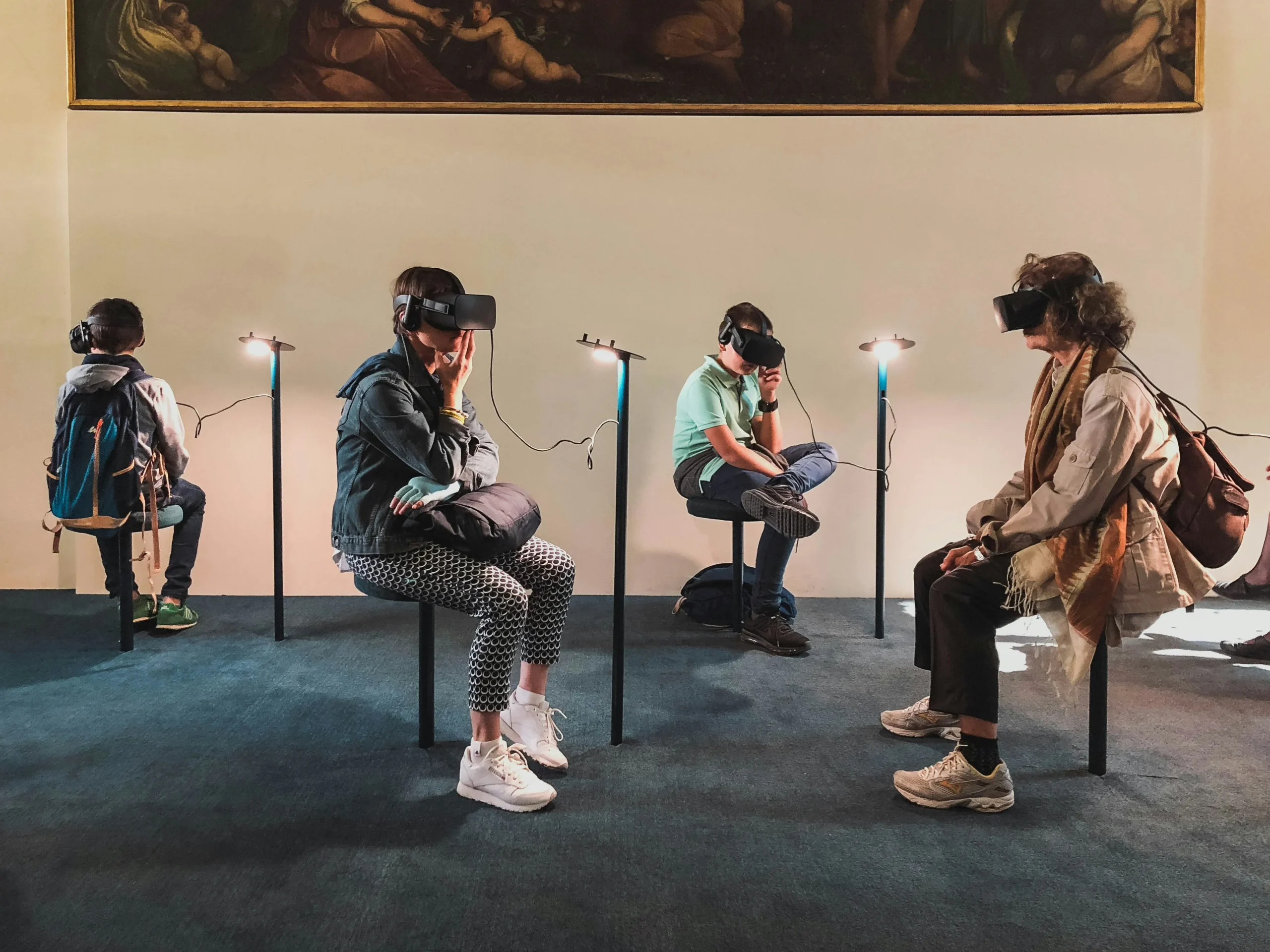
This means the autonomous design reviews happen on a secure, private server, ensuring that the 3D assets never actually leave the company’s digital firewall during the session.
Learn more: The Difference Between Hashing, Encryption and Digital Signatures (With Visual Examples)
End-to-end encryption for spatial data ensures that even if a stream is intercepted, the attacker only sees a mess of coordinates rather than a recognizable product.
Secure authentication via iris scanning, built directly into the VR headsets, ensures that only authorized personnel can enter the virtual “War Room” to view the autonomous feedback.
The transition to autonomous design reviews represents a fundamental shift in how we conceive and validate the world around us.
By removing the limitations of human error and the constraints of physical space, VR and AI are creating a collaborative environment that is both more rigorous and more creative.
As we move further into 2026, the companies that refuse to embrace this immersive autonomy will find themselves buried under the weight of slower cycles and higher costs.
The wind is blowing toward a future where our designs are checked by the very intelligence that helped us imagine them, ensuring that the final product is not just good, but perfect.
FAQ: Autonomous Design Reviews in VR
Does the AI replace the human lead designer?
No. The AI handles the tedious verification work, allowing the human designer to focus on aesthetics, innovation, and final high-level decision-making.
Can I use my existing CAD software with VR reviews?
Most 2026 CAD suites have native “Export to VR” plugins. However, for full autonomy, you typically need an intermediate platform that integrates the AI review agents with your 3D data.
Is motion sickness still an issue for professional VR reviews?
With 2026 headsets hitting refresh rates of 120Hz and extremely low latency, motion sickness has been virtually eliminated for most users, especially during “static” design review sessions.
What happens if the AI makes a mistake in the review?
Every autonomous flag must be resolved or dismissed by a human engineer. The AI identifies potential risks, but the ultimate authority remains with the professional of record.
How long does it take to train a team on this system?
With intuitive hand tracking and natural language processing, most engineering teams can become proficient in navigating an autonomous VR review space within a few days of training.
