
Smart home automation local AI hubs replacing cloud control
The emergence of local AI hubs replacing cloud control marks a pivotal shift in residential technology, prioritizing data privacy and system reliability over the traditional, internet-dependent automation models of the past decade.
In 2026, homeowners are increasingly migrating toward edge computing solutions that process complex automation logic within the four walls of their homes, effectively eliminating the latency and security risks associated with external servers.
This guide explores the architectural evolution of the modern smart home, focusing on how localized processing empowers users with unprecedented autonomy.
We will examine the hardware requirements for edge AI, the role of the Matter protocol in unifying devices, and the long-term benefits of reducing reliance on third-party cloud providers.
What are the primary benefits of local AI hubs replacing cloud control?
The transition toward decentralized automation addresses the two biggest frustrations of early adopters: reliability and privacy.
When your home relies on a remote server, an internet outage transforms a “smart” house into a collection of expensive, unresponsive gadgets that fail at the worst times.
By moving intelligence to a local hub, your lighting, climate, and security routines execute instantly, regardless of your ISP’s status.
There is something unsettling about a light switch taking two seconds to respond; this lag is often misinterpreted as hardware failure when it is actually cloud latency.
Privacy remains the driving force behind this movement, as local hubs ensure that sensitive voice recordings and camera feeds never leave your local network.
Homeowners in 2026 are rightfully demanding that their intimate domestic habits remain encrypted and stored on-site, away from the prying eyes of big-tech data miners.
How does edge computing power modern home automation?
Local AI hubs utilize dedicated Neural Processing Units (NPUs) to handle tasks that previously required massive server farms.
These compact processors are now capable of running Large Language Models (LLMs) locally, allowing for sophisticated voice control that understands context and intent without an internet connection.
This hardware evolution means your hub can analyze patterns in your energy usage or security footage in real-time.
Instead of sending a video stream to the cloud for facial recognition, the hub processes the pixels locally, triggering alerts in milliseconds rather than seconds.
For those interested in the technical specifications of modern NPU architectures and their impact on consumer electronics, the IEEE Xplore Digital Library provides peer-reviewed research on the latest breakthroughs in edge AI and silicon efficiency for home use.
Cloud Control vs. Local AI Hubs (2026 Comparison)
| Feature | Cloud-Based Automation | Local AI Hub (Edge) |
| Data Privacy | High risk; data stored on external servers | Maximum; data stays within the home |
| Response Time | 500ms – 2000ms (Internet dependent) | < 50ms (Instantaneous execution) |
| Offline Functionality | Limited or non-existent | 100% functional without internet |
| Subscription Costs | Common for storage and advanced features | Low to none; one-time hardware cost |
| Interoperability | Limited by manufacturer “walled gardens” | High (via Matter and Thread standards) |
Why is the Matter protocol essential for local control?
Matter has become the universal language of the smart home, allowing devices from Apple, Google, Amazon, and Samsung to communicate directly across a local network.
Learn more: Smart home automation Matter 1.3 networks interoperability
This standardization is the catalyst for local AI hubs replacing cloud control on a massive scale this year.
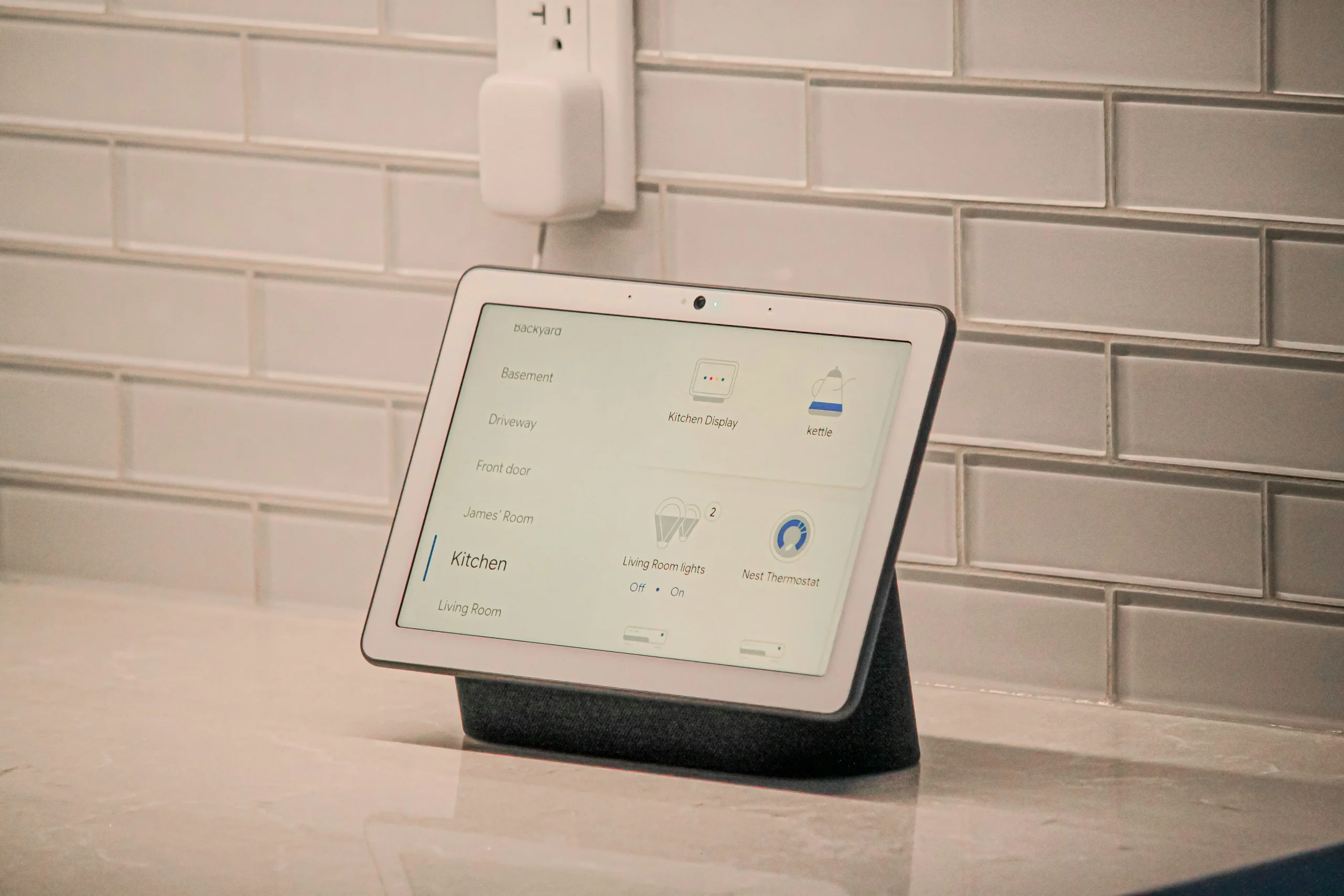
Before Matter, each brand required its own cloud bridge, creating a fragmented ecosystem that was difficult to secure.
Now, a single local hub can orchestrate a diverse array of sensors and actuators, ensuring that a Zigbee motion sensor can trigger a Wi-Fi light bulb without leaving the house.
Thread technology complements this by providing a self-healing mesh network that is specifically designed for low-power devices.
This combination ensures that your smart home remains a robust, private intranet that functions perfectly even if the rest of the world goes offline.
Which hardware brands are leading the local AI revolution?
Home Assistant remains the enthusiast’s choice, offering unparalleled transparency and open-source flexibility for those who want total control over their data.
Read more: What Is a DeFi Aggregator and Why Is It Revolutionizing Crypto Trading
However, 2026 has seen mainstream players like Apple and specialized firms like Athom release plug-and-play hubs with massive local processing power.
These devices often feature “Private Silicon,” designed specifically to handle encrypted AI workloads without overheating.
The shift toward higher-end hardware reflects a market realization that a cheap, cloud-dependent bridge is a liability rather than an asset in a modern, tech-integrated household.
We are seeing a trend where even appliance manufacturers are integrating local AI chips directly into ovens and washing machines.
These sub-hubs can communicate with the central home controller, creating a distributed intelligence network that optimizes performance based on real-time electricity prices and family schedules.
What are the long-term impacts of decentralized smart homes?
The shift away from the cloud is significantly reducing the carbon footprint of the tech industry by lowering the demand for massive, energy-hungry data centers.
Local processing is inherently more efficient for the small, repetitive tasks that define daily home automation routines.
Learn more: Smart home automation with intent-based environments
Furthermore, the longevity of smart devices has improved, as they are no longer bricked when a manufacturer decides to shut down its servers.
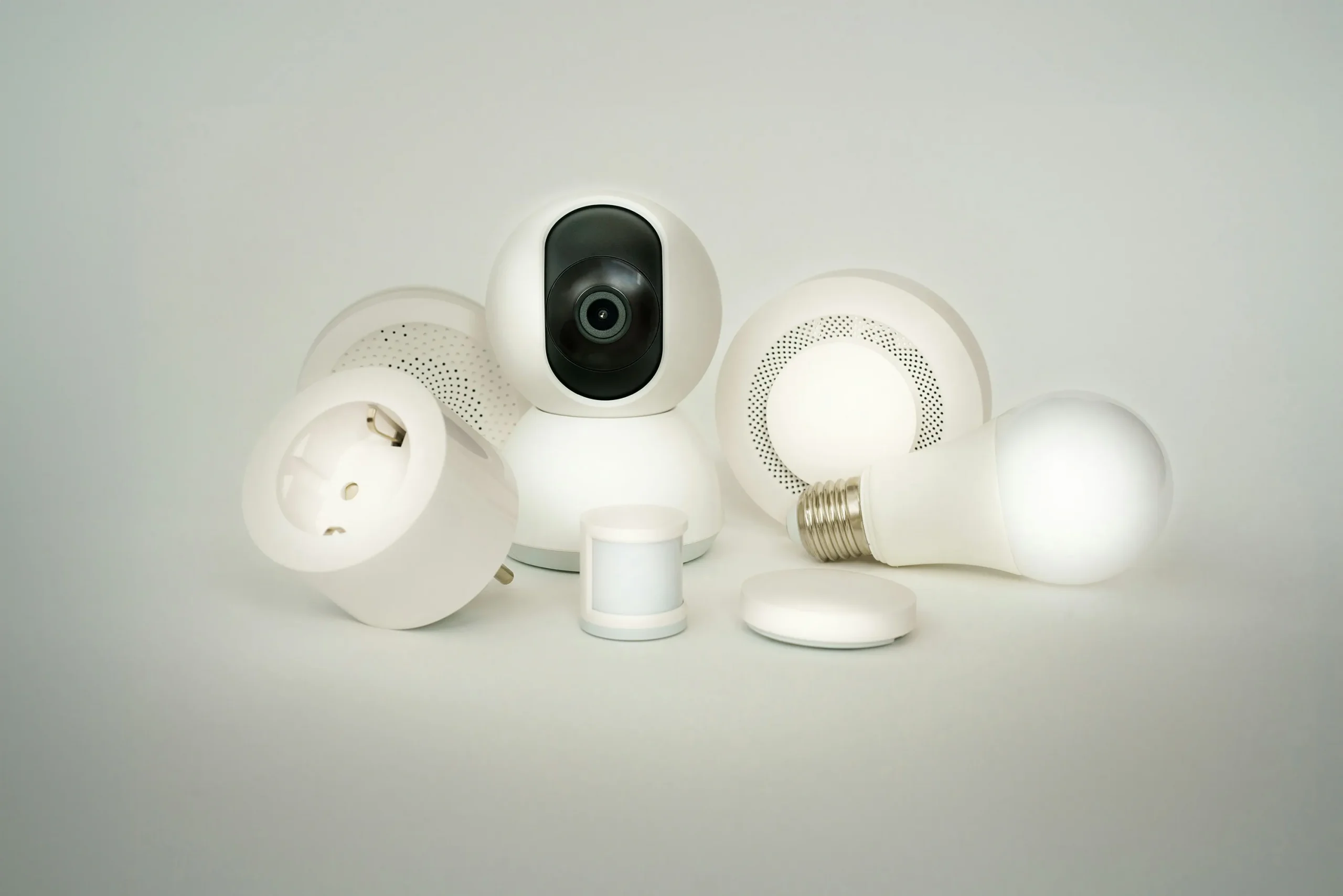
This “right to repair” and “right to stay offline” movement is reshaping consumer protection laws across North America and Europe in 2026.
According to the latest industry reports from the Consumer Technology Association (CTA), the market for edge-based smart home devices has officially surpassed cloud-only alternatives for the first time this quarter.
This data confirms that consumers value stability and privacy over the convenience of cheap, subsidized cloud gadgets.
FAQ: Local AI Hubs and Home Privacy
Do I still need an internet connection with a local hub?
While your automations and security will work offline, you still need internet for remote access (checking cameras while away) and software updates. However, the core “brain” of your house no longer requires a constant connection to function.
Is it difficult to set up a local AI hub?
In the past, local control required significant technical knowledge, but 2026 models are designed for consumer-friendly setup. Most hubs now feature auto-discovery for Matter devices, making the transition to a private, local network as simple as scanning a QR code.
Can I migrate my existing cloud devices to a local hub?
Most Wi-Fi and Zigbee devices can be bridged to a local controller, but some “closed” ecosystems may still require a cloud connection. Check if your devices are Matter-compatible, as this is the easiest path to moving them to full local control.
The movement toward local AI hubs replacing cloud control represents the “coming of age” for the smart home industry.
We have moved past the era of novelty gadgets and into a period of mature, reliable, and respectful technology that serves the homeowner rather than the data harvester.
By investing in edge intelligence, you are not just upgrading your switches; you are securing your digital sovereignty.
The speed, privacy, and resilience of a localized system provide a level of comfort that cloud-based models simply cannot replicate.
As we move deeper into 2026, the choice is clear: a truly smart home is one that thinks for itself, right where you live.
Your data belongs to you, and your home should belong to your local network, ensuring that your most private moments remain exactly that.
Embrace the power of the edge and experience the true potential of a home that never sleeps, never leaks, and never fails.
