
Smart home automation using self-healing networks
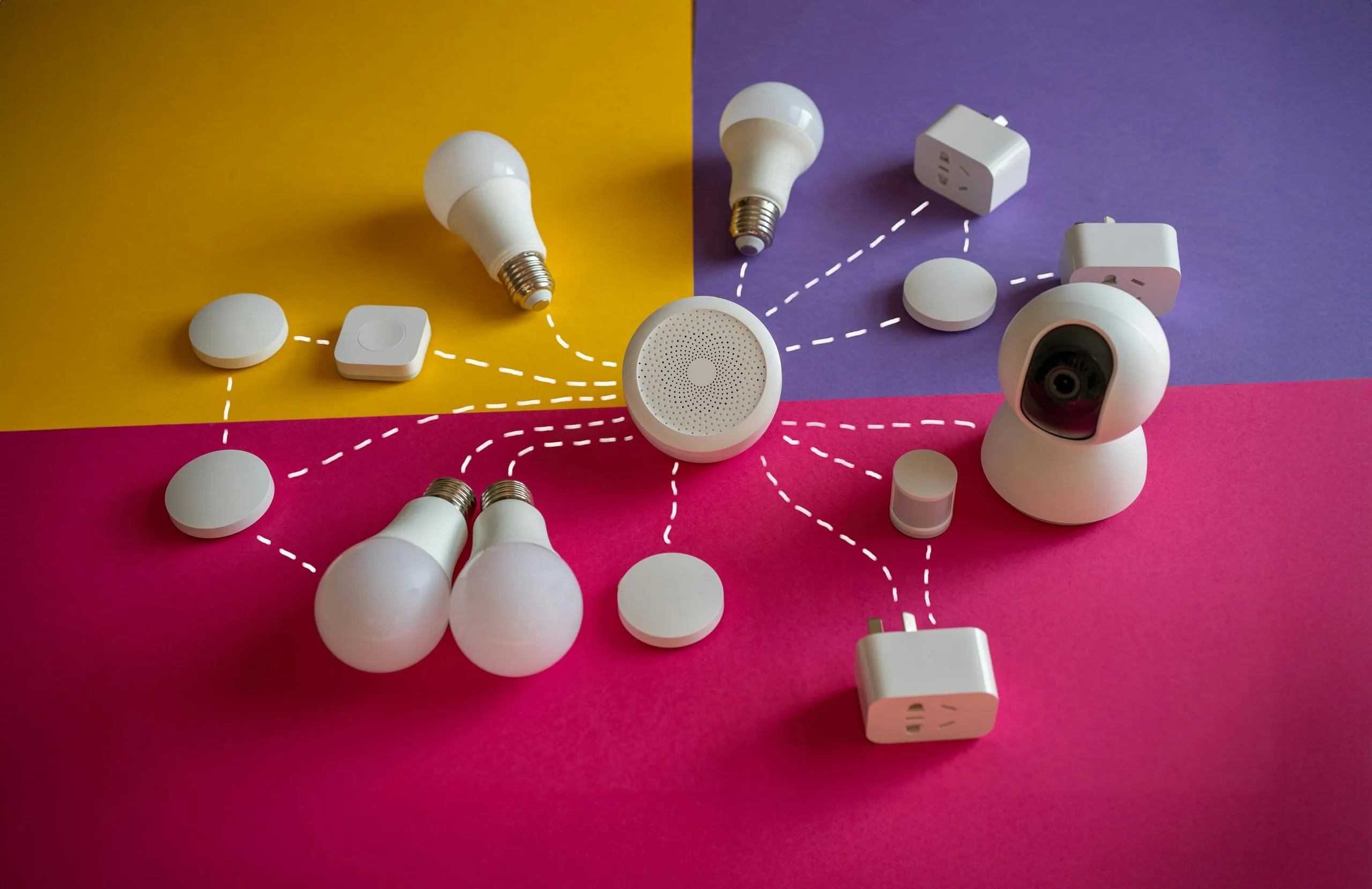
Achieving a truly resilient ecosystem in 2026 relies on using self-healing networks to ensure that smart home automation remains functional even when individual nodes or primary connections stutter.
The frustration of a disconnected thermostat or a non-responsive security camera is finally becoming a relic of the past as mesh protocols evolve.
This article explores how autonomous network management identifies bottlenecks and reroutes data without human intervention.
We will analyze the transition from static Wi-Fi to dynamic, decentralized architectures that prioritize uptime above all else.
From Matter-compliant devices to localized edge computing, the technology powering our homes is becoming remarkably adept at fixing itself.
Understanding these resilient structures is crucial for anyone building a long-term automation strategy that survives the complexities of modern digital interference.
What is a self-healing network in smart home automation?
A self-healing network is an intelligent communication architecture that automatically detects failures and reroutes data through the most efficient available path.
By using self-healing networks, smart homes move away from the fragile “single point of failure” model, where one offline router crashes the entire ecosystem.
These networks utilize mesh topology, where every device, from a light bulb to a smart plug, acts as a repeater.
This decentralized approach creates a dense web of connections that paradoxically strengthens as you add more devices.
There is something remarkably elegant about a system that fixes its own signal gaps without the user ever noticing a lag.
In 2026, these systems have moved beyond simple Wi-Fi extenders, incorporating AI-driven algorithms that predict potential interference before it happens.
This proactive management ensures that mission-critical devices, such as smart locks and leak sensors, stay online regardless of local network congestion or minor hardware hiccups.
How does autonomous rerouting improve home reliability?
Reliability in a smart home depends on the constant flow of tiny data packets between sensors and actuators.
When using self-healing networks, if a smart speaker in the kitchen loses power, the motion sensors nearby immediately find a new path through a smart light in the hallway.
This process, known as dynamic rerouting, happens in milliseconds, preventing the “Device Offline” notifications that plagued early automation adopters.
Read more: Smart home automation optimized for dynamic tariffs
It allows the home to maintain its logical routines, like turning on porch lights at sunset, even if the primary hub is struggling with a firmware update.
To explore the technical specifications and global benchmarks of these wireless standards, the IEEE (Institute of Electrical and Electronics Engineers) provides extensive documentation on mesh networking protocols.
Their research highlights how these architectures reduce latency and energy consumption in high-density IoT environments.
Which standards are driving the self-healing revolution?
The emergence of Matter and Thread has been the catalyst for this shift toward autonomous resilience.
Thread, in particular, is a low-power mesh protocol designed specifically for the home, ensuring that using self-healing networks doesn’t drain the batteries of your smaller sensors.
Unlike traditional Wi-Fi, which often struggles with “dead zones” in larger houses, Thread creates a borderless fabric of connectivity.
This cost-effective scalability means you no longer need expensive, high-powered routers in every room to maintain a stable smart home.
It is a mistake to think of these as just another “tech trend”; they represent a fundamental change in how we perceive digital infrastructure.
We are moving from a world where we serve the network, constantly rebooting and troubleshooting, to a world where the network serves us, silently repairing itself in the background.
Traditional Wi-Fi vs. Self-Healing Mesh Networks (2026)
| Feature | Standard Wi-Fi (Star Topology) | Self-Healing Networks (Mesh) |
| Failure Point | Central router (Single point) | None (Distributed nodes) |
| Recovery | Manual reboot required | Automatic rerouting (Milliseconds) |
| Range Extension | Requires signal boosters/repeaters | Built-in (Every device extends range) |
| Congestion | High (All traffic hits one hub) | Low (Traffic is balanced across nodes) |
| Battery Life | Moderate to High drain | Optimized (Thread/Zigbee protocols) |
Why is local edge computing vital for these networks?
A network that can heal itself is only half of the equation; it also needs to think for itself.
By using self-healing networks paired with edge computing, your smart home processes data locally rather than sending every “light on” command to a distant cloud server.
This local processing ensures that even if your ISP has an outage, your home’s internal logic remains intact.
Your alarm will still trigger, and your climate control will still function because the “brain” of the home is distributed across your local devices rather than living in a data center thousands of miles away.
There is a subtle but profound security benefit here too. By keeping data local, you reduce the surface area for cyberattacks.

A network that manages itself and keeps its data within the four walls of your house is inherently more private and secure than one that relies on constant cloud pings.
When should you upgrade your current smart home setup?
If you find yourself frequently power-cycling your devices or dealing with “ghost” triggers, it is likely time to transition.
Moving toward a model using self-healing networks usually starts with upgrading your primary hub to one that supports Thread and the Matter 2.0 standard.
Most modern devices from 2024 onwards already have the hardware for these protocols, often requiring only a software update to join a mesh fabric.
It is a gradual transition rather than a complete overhaul, allowing you to swap out legacy Wi-Fi plugs for Thread-enabled ones over time.
Learn more: How to Set Up a Mesh Wi-Fi Network at Home
For practical guides on device compatibility and the latest security patches for autonomous homes, the Connectivity Standards Alliance (CSA) is the definitive authority.
Their certified product database is the best place to verify if your next purchase will truly contribute to a resilient, self-healing ecosystem.
The shift toward using self-healing networks marks the end of the “hobbyist” era of smart homes and the beginning of true domestic utility.
We are finally reaching a point where technology is reliable enough to be invisible. When your house can diagnose its own connectivity issues and reroute its own data, you are no longer a tech support agent for your own living room.
You are simply a resident in a space that works exactly as intended. This level of autonomy is the ultimate goal of automation: a home that is as dependable as the plumbing or the electrical wiring.
As we look toward the future, the resilience of our networks will define the comfort of our lives.
FAQ: Understanding Self-Healing Smart Homes
Does a self-healing network replace my Wi-Fi?
No. It usually runs alongside your Wi-Fi. While your laptops and TVs use high-bandwidth Wi-Fi, your smart sensors use the mesh network for low-power, high-reliability communication.
Will adding more devices slow down my network?
Actually, it is quite the opposite. In a mesh environment, adding more nodes provides more paths for data to travel, which often makes the network more robust and responsive.
Read more: How to Set Up a Smart Home on a Budget
Are self-healing networks more expensive to set up?
The initial cost of a Matter-enabled hub might be slightly higher, but the long-term savings in “repeater” hardware and the reduction in troubleshooting time make it a more economical choice.
What happens if the main internet goes down?
Because these networks prioritize local communication (edge computing), your automations, switches, and sensors will continue to work within the home even without an active internet connection.
Are these networks compatible with my older smart devices?
Many older Zigbee or Z-Wave devices can be bridged into a self-healing Matter network using a compatible gateway, so you don’t necessarily have to throw away your existing gear
