
How Retail Brands Use VR to Replace Physical Showrooms
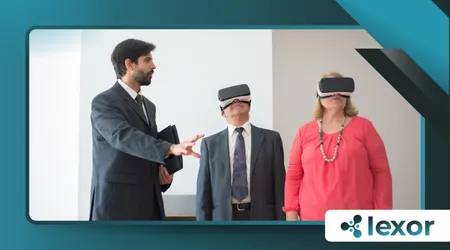
How Retail Brands Use VR to Replace Physical Showrooms is a strategic shift redefining global commerce in 2026 through immersive digital storefronts.
In the current landscape of high real estate costs and evolving consumer expectations, traditional brick-and-mortar stores are facing a structural pivot.
Virtual Reality (VR) is no longer a niche curiosity; it has become a fundamental pillar for brands seeking to scale without the overhead of physical square footage.
By leveraging high-fidelity simulations, retailers are creating environments where customers can browse, interact, and purchase products with a level of intimacy previously reserved for physical visits.
This transition is not merely about convenience—it is about the complete digitization of the sensory shopping experience.
Summary of Key Insights
- Cost Efficiency: Reduction in physical footprint and inventory overhead.
- Global Accessibility: 24/7 access to flagship experiences from anywhere.
- Hyper-Personalization: AI-driven environments tailored to individual user data.
- Sustainability: Drastic reduction in carbon emissions from logistics and travel.
- Data Analytics: Precision tracking of customer eye movement and dwell time.
What is a Virtual Reality Showroom in 2026?
A virtual showroom is a photorealistic, 3D digital environment that replicates or enhances the traditional retail space.
Unlike a static website, these spaces allow users to “walk” through aisles, examine textures in 8K resolution, and visualize products in their intended context.
The modern VR showroom integrates seamlessly with the “Phygital” model, bridging the gap between digital ease and physical confidence.
Read more: Digital Storytelling Through Voice Assistants: How Kids Create Narratives Using Only Speech
According to recent industry reports, the global virtual shopping market is projected to reach $261.55 billion by 2030, driven by this very transition.
Today, How Retail Brands Use VR to Replace Physical Showrooms involves using standalone headsets or web-based VR to offer interactive hotspots where consumers can click to buy or summon an AI-powered concierge for assistance.
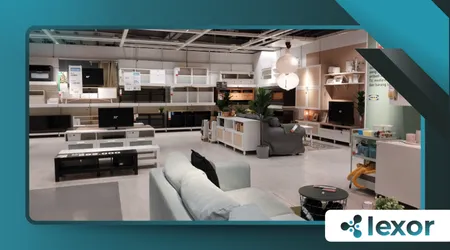
Why are Retail Brands Replacing Physical Stores with VR?
The primary driver is the optimization of the “Store of the Future” model. Maintaining a physical showroom requires significant capital for rent, staffing, and utilities.
By moving toward digital spaces, brands can allocate those resources into product innovation and improved user interfaces.
++Using VR Twins in Architecture: How Designers Validate Projects Before Construction
Furthermore, VR addresses the “choice paralysis” often found in massive physical warehouses.
In a virtual space, a brand can showcase an infinite variety of colors and configurations without occupying a single inch of physical shelf space.
This “Endless Aisle” concept ensures that customers always find what they need, while the retailer keeps inventory lean and localized.
How Does VR Technology Enhance Customer Engagement?
Engagement in 2026 is measured by “presence”—the psychological state of feeling truly inside a digital space.
When How Retail Brands Use VR to Replace Physical Showrooms is executed effectively, it triggers a stronger emotional connection than 2D browsing.
Retailers utilize haptic feedback and spatial audio to mimic the tactile sensations of shopping.
++How to Create a Virtual Tour for Tourism or Real Estate
For instance, furniture brands like IKEA and Lowe’s allow users to “place” items in their homes with millimetric precision.
This reduces the cognitive load on the consumer, leading to higher confidence and a significant drop in return rates.
Engagement metrics show that users spend an average of 14 minutes in immersive showrooms compared to just 2 minutes on traditional e-commerce pages.
VR vs. Physical Showroom Comparison (2026 Data)
| Metric | Physical Showroom | VR Showroom (2026) |
| Operational Cost | High (Rent, Staff, Utilities) | Low (Server Hosting, Dev) |
| Inventory Capacity | Limited by Square Footage | Unlimited (Endless Aisle) |
| Customer Reach | Local/Regional | Global |
| Operating Hours | ~10-12 Hours/Day | 24/7/365 |
| Data Collection | Limited/Manual | High-Precision/Automated |
| Return Rate | ~20-30% | ~8-12% (due to visualization) |
Which Brands Are Leading the VR Showroom Revolution?
Several industry titans have successfully integrated VR as their primary “flagship” strategy.
Explore more: The Future of Retail: How VR/XR Can Replace Brick-and-Mortar Stores
Automotive and luxury fashion brands have seen the most immediate ROI due to the high-ticket nature of their products.
- BMW: Prospective buyers now use 360-degree interactive showrooms to customize vehicles. They can sit inside the virtual cockpit, change leather stitching, and “test drive” on digital tracks.
- Ralph Lauren: By targeting Gen Z and Gen Alpha, this brand has created virtual boutique experiences accessible via mobile and headsets, blending gaming with high-fashion retail.
- Sephora: Their virtual try-on technology has evolved into full-scale VR beauty consultations, where users receive personalized skin analysis and real-time makeup application in a digital suite.
For more technical insights on the hardware powering these experiences, you can explore the latest VR market developments at Research and Markets, which details the rapid growth of head-mounted displays in the enterprise sector.
How Do Retail Brands Measure the Success of VR Showrooms?
Success is no longer just about the final sale; it is about the granular data harvested during the session. VR environments allow retailers to track “heat maps” of where a customer’s eyes linger most.
If a shopper spends forty seconds looking at a specific jacket but doesn’t buy it, the system can automatically trigger a personalized discount or a follow-up email.
This level of behavioral analytics is impossible in a physical store without invasive surveillance.
Retailers use this data to optimize product placement and design, ensuring that the virtual layout is always tuned for maximum conversion and user satisfaction.
When Will VR Completely Replace Physical Retail?
While “complete” replacement is unlikely for all sectors, we are seeing a “showroom-only” model for physical stores, where the actual transaction and product exploration happen via VR.
By 2027, it is estimated that immersive shopping technologies will power over $1.2 trillion in global transactions.
The shift is happening now, as hardware becomes more affordable and internet speeds (6G) support seamless cloud streaming.
How Retail Brands Use VR to Replace Physical Showrooms is becoming the standard for any brand looking to survive the “retail apocalypse” by evolving into a software-centric entity.
Conclusion
The transition from physical aisles to virtual landscapes represents the most significant shift in retail since the invention of the internet.
How Retail Brands Use VR to Replace Physical Showrooms demonstrates a commitment to efficiency, sustainability, and superior customer experience.
As we move deeper into 2026, the brands that embrace this immersive reality will be the ones that capture the loyalty of the next generation of digital-native consumers.
The future of retail is not just about what we buy, but the incredible worlds we inhabit while doing so.
Frequently Asked Questions
Do I need an expensive headset to use VR showrooms?
No, many brands now offer “Web-VR” experiences that run directly in your mobile or desktop browser without requiring specialized hardware.
How does VR help reduce product returns?
VR provides a 1:1 scale representation of products, allowing customers to see exactly how an item fits in their space or on their body, minimizing surprises.
Is VR shopping safe for my data privacy?
Leading retailers use encrypted cloud environments and strictly follow biometric data regulations to ensure that eye-tracking and behavioral data are anonymized and secure.
Can I buy products directly inside the VR experience?
Yes, most 2026 virtual showrooms feature “shoppable hotspots” that allow you to add items to your cart and checkout without leaving the virtual environment.
Will physical stores disappear entirely?
Physical stores are evolving into “experience hubs” or logistics centers, while the high-volume browsing and customization are moving to VR platforms.
